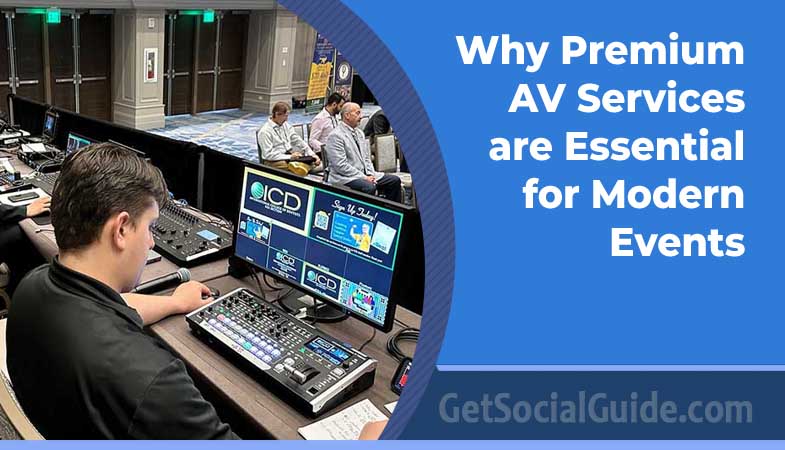
Having events with quality audio and video services is essential in business and entertainment. These advantages can include a better lighting system for live events, using a venue’s network to avoid stutters and stops, and creating a community around an affair with a video-on-demand platform. In today’s hybrid landscape, the technical quality of your event directly influences attendee satisfaction, brand perception, and long-term engagement.
Whether you are orchestrating a high-stakes corporate product launch, an immersive entertainment experience, or a global industry conference, the fusion of exceptional audio and visual production is no longer a luxury—it is a fundamental expectation. Audiences have grown accustomed to broadcast-quality streaming, crystal-clear sound, and cinematic lighting. Meeting these expectations requires a strategic partnership with experienced professionals and the right technological infrastructure.
Event Production Studios: The Engine Behind Seamless Experiences
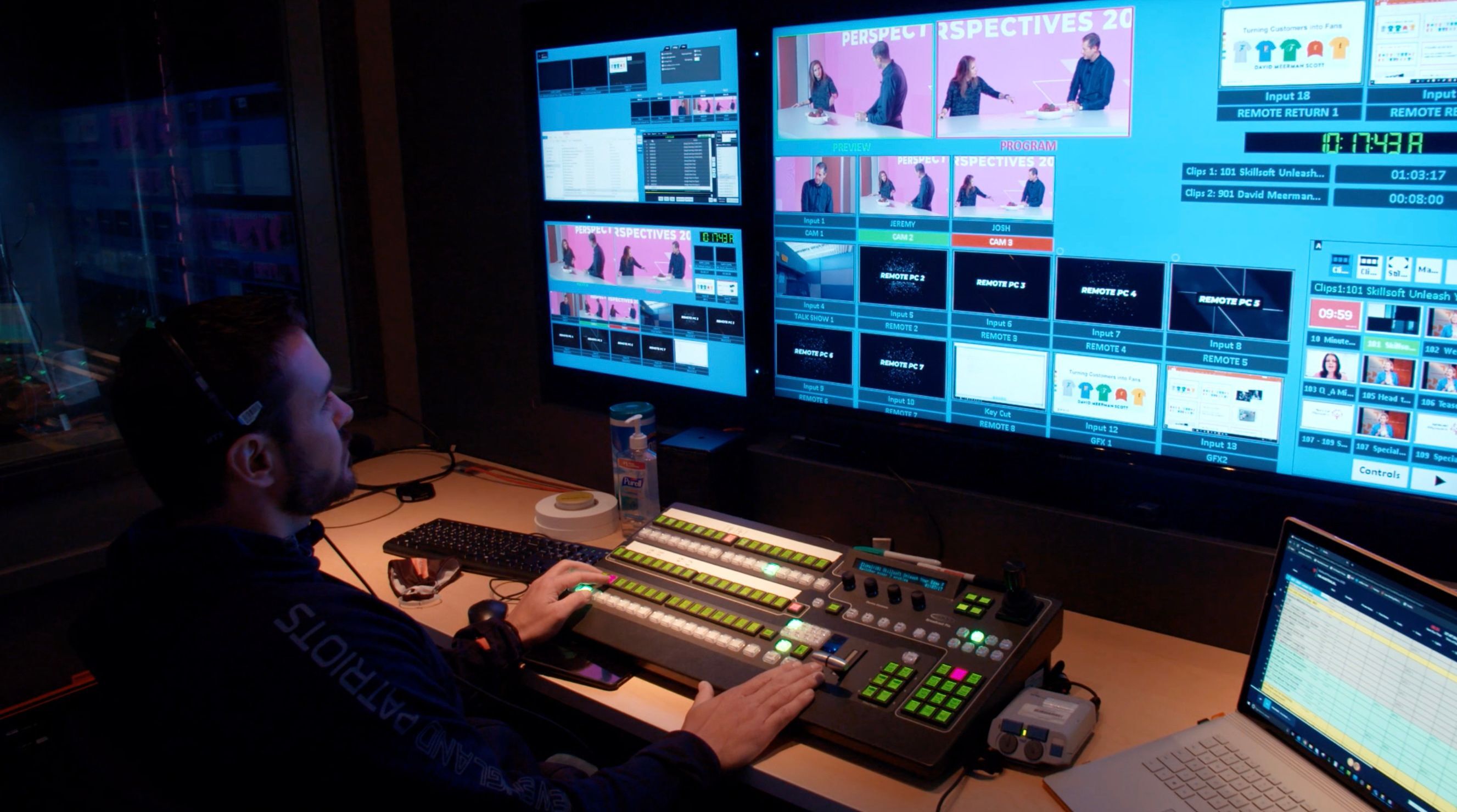
Creating valuable events that offer a unique experience to the audience is possible with the proper event production studios like Epic Media Pro. These studios have top-notch broadcast cameras and equipment, expert-level staff, and world-class broadcasting and production technology. They serve as the central nervous system for any live or recorded event, ensuring that every visual and auditory element is executed flawlessly.
An event production company works closely with an event producer to ensure that a live event is presented well. They also advise venue selection, logistics, and other critical aspects of the event. The best companies can anticipate any mishaps and prevent them from occurring. Their proactive approach—identifying potential issues with power supplies, internet redundancy, or camera angles before show day—separates a polished production from a technical disaster.
The first step in the process is pre-production. It starts as early as three months before the event. The team then builds a production schedule that encompasses everything from scriptwriting and storyboarding to lighting design and sound checks. This meticulous planning phase is where the creative vision is translated into a technical reality, ensuring that all stakeholders are aligned.
The Three Pillars of Professional Event Production
| Production Phase | Key Activities | Why It Matters |
|---|---|---|
| Pre-Production | Concept development, scripting, budget planning, vendor selection, venue walkthroughs | Aligns creative vision with technical feasibility; prevents last-minute surprises |
| Production | Filming, live switching, audio mixing, lighting execution, stage management | Delivers the live experience exactly as planned, engaging the audience in real time |
| Post-Production | Editing, color grading, sound mastering, encoding for VOD, highlight reels | Extends the life of the event through on-demand content and promotional materials |
Hybrid Events: Blending Virtual and In-Person Elements for Maximum Reach
Combining virtual and in-person elements in a hybrid event can help you reach a wider audience. However, planning and technology are two areas that require careful consideration. Hybrid events are not merely live streams of an in-person gathering; they are entirely new formats that require intentional design for both audiences.
Creating the right mix of content and engagement is key to a successful hybrid event. There is no shortage of data and statistics that can tell how attendees interact with your event. Creating personalized experiences that encourage people to return and engage is essential. For virtual attendees, this might mean interactive polls, Q&A sessions, and virtual networking lounges. For in-person guests, it means enhanced production value that makes them feel like part of a larger broadcast.
The best part of a hybrid event is that you can deliver more value to in-person and virtual attendees. It can make for a more profitable partnership for your event. The sponsor may also be willing to give you more money for your event because of the expanded reach and measurable engagement data. SEO of CAE Marketing & Consulting popularizes event planners’ links so you can choose whom to engage, ensuring that your hybrid event gains the online visibility it deserves.
Pro Tip: Engage Both Audiences Equally
Design your hybrid event with “equity of experience” in mind. Virtual attendees should never feel like second-class participants. Use high-quality cameras that capture speaker close-ups, ensure remote Q&A is prioritized, and consider having a dedicated host for the virtual audience to maintain engagement throughout the broadcast.
Video-On-Demand Platforms: Extending Your Event’s Lifespan
Depending on your needs, you can choose from pay-per-view, on-demand, or subscription models. A video-on-demand platform is ideal, whether you’re trying to buy a new home or are just searching for a fresh approach to engage your staff. Using a one-time fee, you’ll be able to access thousands of hours of content for your staff. Moreover, if you’re looking to boost your bottom line, you can offer discounts or even bundles. It is especially true for video-on-demand services with a premium price tag.
A video-on-demand platform can be a boon to your business in the long run. With a few clicks of your mouse, you’ll be able to upload files of all shapes and sizes. With a wide array of features to choose from, you’ll be able to create a customized experience for your staff, which will benefit your bottom line and your clients. Modern VOD platforms also offer analytics that show which content is most viewed, where viewers drop off, and what drives engagement—data that is invaluable for future content planning.
Monetization Models for VOD Content
- Transactional / Pay-Per-View: Ideal for exclusive content like training modules or special events. Users pay once for lifetime access.
- Subscription (SVOD): Recurring revenue model perfect for ongoing content libraries, industry insights, or educational series.
- Advertising-Supported (AVOD): Free content with ad inserts; maximizes reach while generating ad revenue.
- Hybrid / Freemium: Basic content is free, with premium or deep-dive content behind a paywall.
Avoid Stutters and Stops: The Critical Role of Network Infrastructure
Using a venue’s network for audio and video services has its advantages but can also have its downfalls. Thankfully, some planning and the right technology can ensure your message gets across. The best network is one that is well-tuned and well-maintained and one that is equipped with the latest in video conferencing and networking hardware. If you have a large conference to attend, it pays to research beforehand, ensuring you have access to the best possible technology and network.
If you have a smaller, more intimate gathering, it’s worth asking the venue planners if you can bring your technology. It can be done by purchasing a commercial-quality wireless or ethernet kit from your service provider, which will likely include free technical support. Redundancy is key—having a backup internet connection (such as a bonded cellular solution) can save your broadcast if the venue’s primary line fails.
Warning: Never Rely on Venue Wi-Fi Alone
Public venue Wi-Fi is rarely optimized for the sustained upload bandwidth required for high-quality streaming. Always conduct a thorough site survey, bring your own dedicated encoder, and have a wired connection with guaranteed bandwidth. Test everything 24 hours before going live to identify any latency or packet loss issues.
Improve Lighting for Live Events: The Visual Foundation
It can be essential if you plan to live stream the event, a growing trend. You have quality audio and video services that can make a massive difference in the overall experience of a live event. The proper lighting will help you to create an atmosphere that will impact the audience. Lighting does more than illuminate; it sets the mood, directs attention, and enhances the visual quality of your broadcast.
The main goal of your lighting is to give your audience a clear view of what is happening on the stage. There are several factors you should take into account when deciding how to light your event. These include the size of your location, the number of performers, and whether you will be recording the event. Consider the power supply at the venue. Overloading circuits is a common mistake that can lead to blackouts mid-event.
You will need a white background light to keep your camera focused on broadcasting your event. The lights you use should also be able to track the speaker on the stage. They should not be too bright, as this can result in a fuzzy picture. Professional lighting designers use a combination of key lights, fill lights, and backlights to create depth and ensure speakers look their best on camera.
Lighting Essentials for Live Streaming
| Lighting Type | Purpose | Best Practice |
|---|---|---|
| Key Light | Primary illumination of the subject | Position at 45 degrees to the subject for natural shadows |
| Fill Light | Softens harsh shadows created by the key light | Use a softer source on the opposite side of the key |
| Backlight / Hair Light | Separates subject from the background, adds depth | Position behind and above the subject, aimed at shoulders/head |
| Background Light | Illuminates the set or backdrop | Use colored gels or patterns to add visual interest |
Building Community Through On-Demand Content
One of the most overlooked advantages of high-quality event production is the ability to foster a community around your content. When you create a video-on-demand library of past events, training sessions, or keynote speeches, you give your audience a reason to return. They can rewatch valuable insights, share sessions with colleagues, and engage with your brand on their own schedule.
This persistent access turns a one-time event into an ongoing resource. By combining professional production with a robust VOD strategy, you transform your events from ephemeral moments into long-term community assets.
Final Thoughts: Elevating Your Event Strategy
The advantages of investing in quality audio and video services extend far beyond the event day. From the meticulous planning of production studios to the global reach of hybrid formats and the lasting value of on-demand libraries, every element works together to amplify your message. Whether you are a corporate marketer, an event planner, or an entertainment producer, prioritizing technical excellence ensures that your audience receives a seamless, memorable experience.
Pro Tip: Start with the End in Mind
Before you book a venue or select a production partner, define how you will measure success. Is it live attendance? Virtual registration numbers? Post-event content views? Lead generation? Let your goals dictate your technology choices and budget allocation. A clear vision from the outset leads to a cohesive and impactful event.
Ready to elevate your next event? Partner with experienced professionals who understand the nuances of lighting, networking, and hybrid production. Your audience—both in-person and virtual—will thank you.