

Designing an SEO-Friendly Website : 3 Simple Tips How To Rank Website
🎯 Key Takeaways
- Design and SEO are inseparable: In 2026, Google’s algorithms evaluate your site’s visual structure, load speed, and mobile responsiveness as direct ranking signals.
- Content remains king, but context is emperor: Move beyond keywords to topic clusters and entity-based optimization to satisfy AI-driven search.
- User experience dictates rankings: Core Web Vitals, mobile usability, and intuitive navigation now account for measurable ranking advantages.
- Competitor analysis reveals hidden opportunities: Understanding what works for your rivals helps you identify content gaps and backlink prospects.
- E-E-A-T is non-negotiable: Experience, Expertise, Authoritativeness, and Trustworthiness determine whether Google surfaces your content in AI Overviews.
Designing an SEO Friendly Website
When running a business in today’s day and age, having a top listing on Google is important. It helps you reach more customers, seem more legitimate and ultimately, make more sales and grow your profit and revenue. Unfortunately, getting a high rank isn’t always easy and can take some work. One of the best ways to rank higher is to have a solid SEO strategy in place.
World and people are developing. Perfect products and services without effort are required. People search online for what they need. More than 75% of Google searchers never venture past the first page. Most business owners rely on internet visitors to enhance ROIs and conversions. If you’re not in Google’s top 10 results, your internet presence is null. Our 10 SEO-friendly design recommendations can assist.
SEO helps here. It helps your website acquire more authentic visitors from search engines. Since 93% of online encounters and buying journeys begin with a search engine, businesses must find strategies to stay on the first page of Google SERPs, if not #1. To do well in SERPs, organisations must optimise both on-site and off-site SEO. How do you create a website using SEO? Here are SEO design recommendations.
This will help the search engine ranking algorithm be more fond of your site vs. those who don’t pay any attention to search engine optimization. But how can you design your site in a way that helps it rank well? Without further ado, let’s go over a few great tips for designing an SEO-friendly website.
A website that offers its users a great experience checks all the boxes including design, content, technical on-page parameters, and more. If you have a great design without the best SEO-optimized engaging content to support it, you will not be able to get the desired results. The same also holds true conversely. Working with a solid digital marketing agency that knows exactly how to get it right should be a top priority. To know more in this regard, please visit website.
Developing an SEO-friendly website
An SEO-friendly website is one that, at its most basic level, enables a search engine to browse and read pages throughout the site. The first step to guarantee your exposure in the search engine result pages is to make sure a search engine can quickly crawl and understand your material.
We are attempting to cooperate with search engines rather than compete with them by using web crawlers, which are used by search engines for this purpose. A website can be created in a variety of ways, and not all technologies are created with search engine optimization in mind.
Careful preparation and a methodical approach to showcasing your company and the services you offer are necessary for creating an SEO-friendly website. This might be challenging for many firms since it’s not always simple to describe all you do.
Your website should be developed as a marketing tool using a strong digital marketing strategy with a distinct company model and value proposition. You should go over that again if it’s unclear.

Designing for the 2026 Search Landscape: From Keywords to Topics
Before diving into specific design tips, it’s essential to understand how search has evolved. In 2026, Google’s algorithms have moved decisively from keyword matching to entity-based understanding. This shift fundamentally changes how you should approach website design.
Search engines now evaluate websites based on their comprehensive coverage of topics rather than isolated keyword rankings. This means your site architecture must support topic clusters—pillar pages that broadly cover a subject linked to cluster pages that dive deep into specific subtopics.
When designing your website, consider how your navigation and internal linking structure can demonstrate this topical depth to search engines. A well-organized site with clear category hierarchies signals expertise and authority, two critical components of Google’s E-E-A-T framework.
Brand Citations Versus Traditional Backlinks
While backlinks remain important, 2026 has seen the rise of brand citations as a trust signal. Generative AI models now look beyond HTML links to analyze your broader digital footprint. Mentions of your brand across credible sources—even without links—carry significant weight because they signal real-world credibility.
Your website design should make it easy for other sites to reference you correctly. Include clear branding, consistent business information, and social proof elements that encourage accurate citations.
Create Valuable Content With the Right Keywords
Arguably the most important part of an SEO-friendly website is the content you create. These blogs or articles you write are generally what will rank highly and draw people in to click on your website. They should generally provide value, as people will click on things that either entertain them, educate them, or provide value in another way. In addition to blogs, it could be videos. Photos, infographics, guides or anything else that you think your readers and/or target market will find interesting.
But in addition to creating value, your content should also feature the right keywords. Including keywords that your target are searching for is a great idea, as your content will rank higher for those search terms and get in front of the right eyes. Of course, avoid stuffing keywords for purely ranking purposes. They need to fit naturally or else you may actually be penalized for aimlessly including keywords and links in places where they don’t fit.
Beyond Keywords: Writing for AI and Humans
In 2026, successful content must be optimized for both human readers and AI comprehension. Generative AI systems like Google’s AI Overviews and ChatGPT extract information from your content to answer user queries directly. This means your content structure matters as much as your word choice.
Start each article with a concise, factual summary that answers the main question. Use clear headings, short paragraphs, and descriptive subheadings that help both scanners and AI extract meaning. Research shows that introductions are cited 43% more often in AI Overviews, so front-load your value proposition.
💡 GSG Master Pro Tip
Design for extractability: Structure your content with the inverted pyramid approach. Open with a 40-60 word summary that directly answers the user’s query, then layer in supporting details. This format increases your chances of being cited in AI Overviews and featured snippets.
Content Formats That Drive Visibility
Diversifying your content formats increases your chances of appearing in AI responses. Calculators, templates, checklists, and interactive tools provide immediate value and encourage engagement. Video content, infographics, and downloadable resources also signal expertise and keep users on your site longer.
Articles with embedded video see 47% more time on page than text-only content. This increased engagement sends positive signals to search engines about your content quality.
Ensure Your Site Offers a Great Experience
 (via: https://pixabay.com/vectors/website-page-template-internet-web-1624028/)
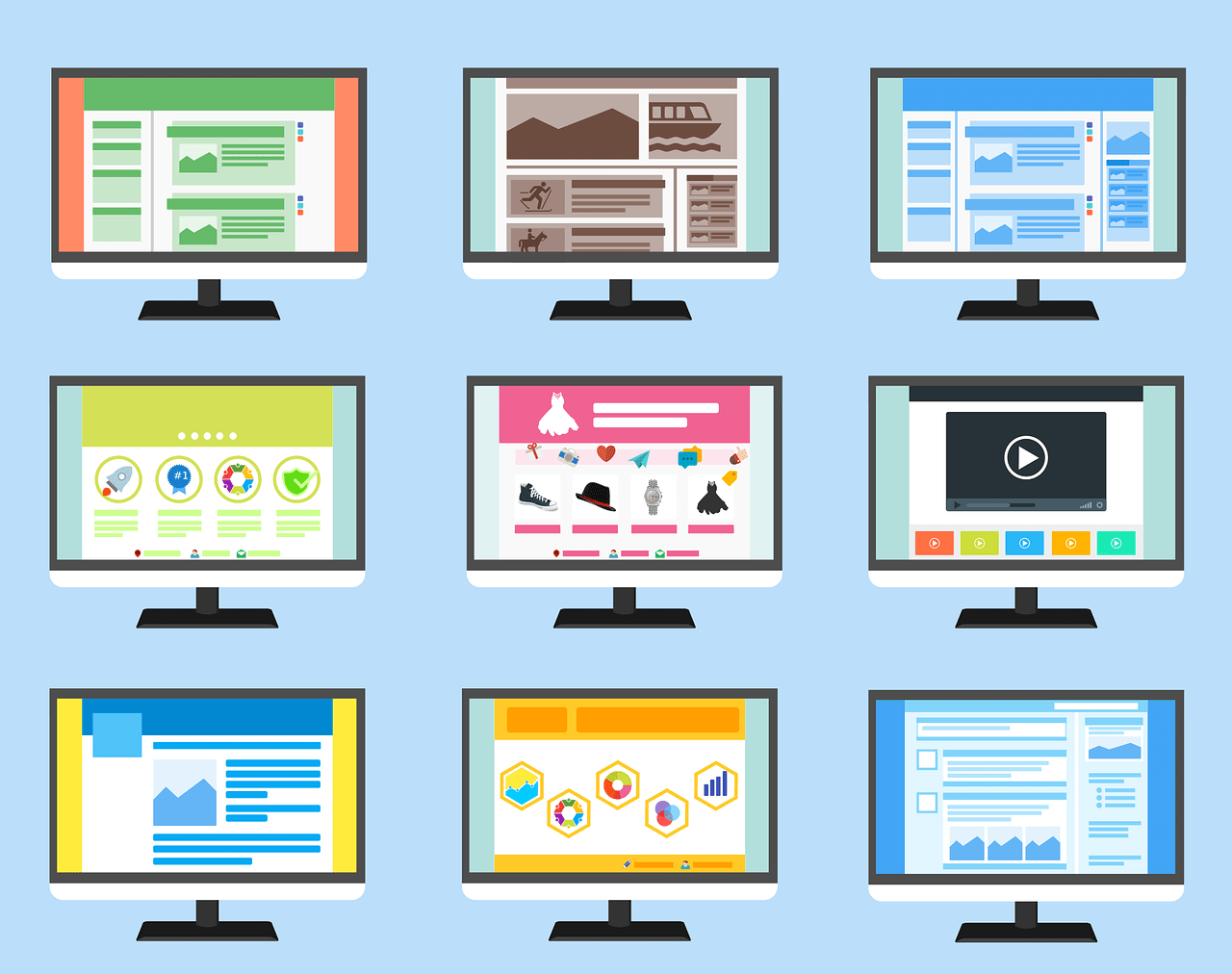
The user experience (UX research tools) is another important factor that goes into your ranking in search engines. The better experience people have on your site, the more likely that Google and other search engines will recommend the site. Your site should load quickly, look great, and experience little-to-no lag. The design should also be clean and clear, and navigating the site without confusion should also be possible. Also, it is important not to forget about mobile devices. A majority of people are now browsing the internet from a phone or tablet, and your site needs to look good and remain functional on every device.
Core Web Vitals: The Technical Foundation
Google’s Core Web Vitals remain critical ranking factors in 2026. These metrics measure real-world user experience for loading speed, interactivity, and visual stability. Sites with poor Core Web Vitals experience 15-20% higher bounce rates, directly impacting your ability to rank.
The specific thresholds you must meet:
- Largest Contentful Paint (LCP): Under 2.5 seconds
- Interaction to Next Paint (INP): Under 200 milliseconds (replaced FID in 2024)
- Cumulative Layout Shift (CLS): Below 0.1
Tools like Google PageSpeed Insights, GTmetrix, and Pingdom help you monitor these metrics and identify improvement opportunities.
Mobile-First Design Is Non-Negotiable
Mobile devices now account for over 63% of blog traffic, with projections reaching 75-78% by the end of 2026. Google uses mobile-first indexing exclusively, meaning the mobile version of your site determines your rankings.
Your responsive design must ensure touch targets are at least 48×48 pixels, text uses a 16px base size, and navigation works intuitively with thumbs rather than mouse cursors. These aren’t aesthetic choices—they’re accessibility requirements that directly affect both user experience and SEO performance.
⚠️ GSG Master Warning
Don’t neglect mobile navigation: Complex hover menus and JavaScript-dependent navigation often fail on mobile devices. Test your site on actual smartphones, not just browser simulators. If key pages aren’t accessible within three taps on a phone, you’re losing rankings and customers.
Site Architecture and Crawlability
Your website’s structure determines whether search engines can effectively discover and index your content. A clear, logical architecture helps both users and bots navigate your site.
Key architectural principles for 2026:
- Keep URLs short and readable: Use /blog/post-title rather than /category/subcategory/year/month/post-title-version-2
- Implement hub-and-spoke internal linking: Pillar pages link to cluster content, and cluster pages link back to pillars
- Use descriptive anchor text: Help users and search engines understand what linked pages contain
- Maintain XML sitemaps: Include only pages you want indexed, update regularly
- Avoid orphan pages: Every important page should be reachable through internal links
Black Hat versus White Hat SEO for the web
There are two types of SEO strategies: white hat, which are encouraged for boosting ranks in web development and are accepted by search engines, and black hat, which are dishonest and result in Google fines or being blacklisted by search engines.
White Hat Techniques
The above techniques are regarded as White Hat and enhance a website’s SEO while offering a wonderful website design experience. Additionally, they may improve their search engine results, traffic, and sales.
Black Hat Techniques
These Black Hat methods have been employed in the past to fast climb the ranks. However, search engines often use machine learning to find new spam tactics meant to manipulate the SERPs and have modified their algorithms to recognise these methods.
In 2026, Google’s spam detection systems are more sophisticated than ever. Techniques like keyword stuffing, cloaking, and private blog networks are quickly identified and penalized. The only sustainable path to high rankings is creating genuine value for users.
Analyze Your Competitors
Another tip that is often underrated is that you should take time to analyze competitor websites if you want yours to rank higher. If your competitor has the top spot for a certain keyword or phrase, it is a good indication that they are doing something right. Be sure to check out their blogs, their home page, how they utilize keywords, how they organize their pricing page, and various other things.
Of course, you never want to copy what someone else is doing, but taking inspiration from them and seeing what works well and what doesn’t is completely fine. We hope these tips are able to help you design and create an SEO-friendly site that ranks well. It can take some time and effort, but the results can be worth it.
How to Conduct a Comprehensive Competitor Analysis
A structured competitor analysis reveals opportunities you might otherwise miss. Here’s a step-by-step approach for 2026:
Step 1: Identify Your True Competitors
Your SEO competitors may differ from your business competitors. Use tools like Semrush’s Domain Overview to find sites ranking for similar keywords and targeting similar audiences. Look for domains consistently appearing in search results for your target terms.
Step 2: Analyze Keyword Gaps
Keyword gap analysis reveals terms your competitors rank for that you don’t. These represent immediate opportunities for content creation or optimization. Focus on keywords relevant to your business with achievable difficulty scores.
Step 3: Study Their Content Structure
Examine how competitors organize their content. What topics do they cover? What formats do they use? How do they structure their pillar pages and topic clusters? This reveals their topical authority strategy.
Step 4: Evaluate Backlink Profiles
Analyze where your competitors earn their backlinks. High-quality links from authoritative domains signal trust and credibility. Tools like Moz and Semrush provide backlink analysis features that reveal these opportunities.
Step 5: Monitor Lost Keywords
When competitors lose rankings for certain keywords, those terms become prime opportunities for you. Track these changes using SEO tools and create content that captures that traffic.
| Analysis Type | Tools to Use | Key Insights to Gather |
|---|---|---|
| Keyword Gap | Semrush, Ahrefs, Moz | Missing keywords, ranking opportunities, content gaps |
| Backlink Profile | Majestic, Semrush Backlink Analytics | Authority sources, link building targets, competitor relationships |
| Content Structure | Manual review, Screaming Frog | Topic clusters, pillar pages, content formats |
| Technical SEO | Sitebulb, Ahrefs Site Audit | Site speed, mobile usability, crawl errors |
| AI Visibility | Manual AI tool testing | Brand mentions in ChatGPT, Perplexity, Gemini responses |
E-E-A-T: The Trust Framework for 2026 Rankings
Google’s E-E-A-T framework (Experience, Expertise, Authoritativeness, Trustworthiness) has become central to how search engines evaluate content quality. These factors are especially critical for Your Money or Your Life (YMYL) topics that affect users’ finances, health, or safety.
Demonstrating Experience
Google looks for evidence that content creators have firsthand experience with their topics. For product reviews, this means actual testing. For how-to content, this means practical application. Include original images, screenshots, and specific details that only genuine experience provides.
Establishing Expertise
Your content should demonstrate deep knowledge of your subject matter. Include detailed author bios that list qualifications and expertise areas. Link to professional profiles and cite credible sources. For technical topics, use precise terminology correctly.
Authority comes from recognition by others in your field. Earn mentions, backlinks, and references from credible industry sites. Participate in industry conversations, contribute to publications, and build relationships with influencers in your niche.
Maintaining Trustworthiness
Trust is the foundation of all other E-E-A-T factors. Be transparent about who created your content, when it was published and updated, and how you source information. Display clear contact information, maintain consistent business details across all platforms, and respond genuinely to feedback.
Technical SEO: The Plumbing That Makes Everything Work
Even the best content fails if search engines can’t access it. Technical SEO ensures your site is crawlable, indexable, and fast.
Improving Crawlability
- Don’t block CSS and JavaScript unless absolutely necessary
- Use actual HTML links (not JavaScript-based navigation)
- Maintain proper HTTP status codes (200 for existing pages, 404 for missing, 301 for moved)
- Review Google Search Console regularly for crawl errors
- Use robots.txt to block low-value pages like search results or admin sections
Enhancing Indexability
- Use canonical tags to consolidate duplicate content
- Apply noindex tags to pages that shouldn’t appear in search (thank you pages, thin content)
- Implement hreflang tags for multilingual sites
- Ensure valuable content isn’t buried behind multiple clicks
Speed Optimization Techniques
- Compress images aggressively and use modern formats like WebP or AVIF
- Audit third-party scripts and remove unnecessary ones
- Implement lazy loading for images below the fold
- Use a CDN and enable Brotli compression
- Optimize database queries and implement caching
⚡ GSG Master Pro Tip
Use Google’s free tools relentlessly: Google Search Console provides direct data about how Google sees your site. PageSpeed Insights shows real-user experience metrics. Lighthouse catches regressions before they hit production. These tools cost nothing but reveal everything about your technical SEO health.
Summary
There is a lot of rivalry to remain on Google’s front page. To achieve a higher rating on SERPS and to reach your audience with no barriers using the search engine, you must adhere to five fundamental strategies.
So it makes sense to concentrate on website design that is in line with SEO and adheres to SEO-friendly website design principles. Make sure your content reflects search intent overall, and experiment with the title tag, meta description, pictures, and URL. Additionally, optimise your website’s performance and make it more user- and mobile-friendly.
In addition, you should add additional blogs, connect to them inside, and get some backlinks to raise your authority. Additionally, keep yourself informed on the most recent SEO trends and techniques. You’ll be able to attract more visitors to the website of your business in this manner.
Frequently Asked Questions
What is the most important factor in designing an SEO-friendly website?
While many factors contribute to SEO success, user experience (UX) has emerged as the foundation. A fast, mobile-responsive, intuitively navigable site keeps visitors engaged and signals quality to search engines. Without solid UX, even the best content struggles to rank.
How long does it take to see results from SEO-friendly design?
SEO is a long-term strategy. Initial improvements may appear within 4-6 weeks, but significant ranking gains typically take 6-12 months of consistent effort. The timeline depends on your competition, content quality, and technical foundation.
Do I need to redesign my entire site for SEO?
Not necessarily. Start with an SEO audit to identify high-impact issues. Often, improving site speed, mobile responsiveness, and content structure yields substantial gains without a full redesign. Prioritize changes based on potential impact and required effort.
How does AI search change website design?
AI search prioritizes clear, well-structured content that’s easy to extract and summarize. Design for extractability by using descriptive headings, concise summaries, and logical content organization. Also, ensure your brand information is consistent across the web to help AI systems understand your entity.
What’s the biggest SEO mistake in website design?
Ignoring mobile users remains the most common and costly mistake. With mobile-first indexing and growing mobile traffic, a poor mobile experience directly harms rankings. Test your site on actual mobile devices, not just desktop simulators.




Great Tips ,this is useful for everyone .
Thanks keep reading and sharing
Nice overview of key strategies for designing an SEO-friendly website.
Thank you for reading! Keep exploring and sharing — knowledge grows when it’s shared.