
With the evolution of social media, the barriers in the way of communication have been resolved. Gone are the days when you had to wait for hours to connect with your loved ones and that is also by spending a good amount of money. Now you can share your thoughts and communicate in every possible way with anyone you want over the globe. You can make audio and video calls, share your opinion through blogs, share tweets with your followers, and several other ways of communication. You can also use social media.
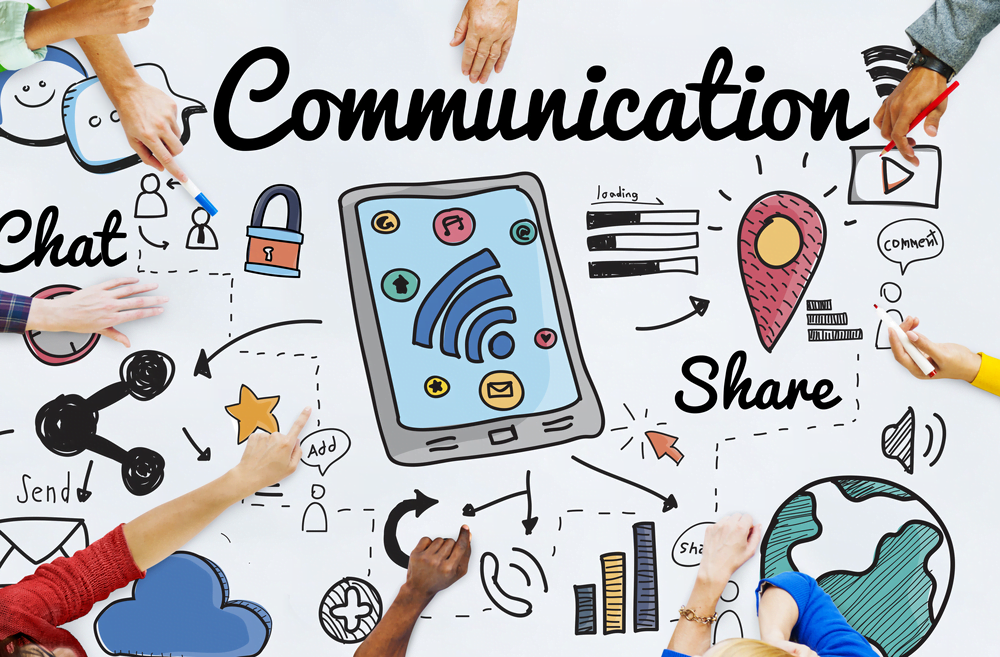
With all these choices you have to choose the best one according to your need and you must know the tactics for using these social media resources. You have to follow the rules and code of ethics before using these social media platforms for communication. This article is not about all these ethics and code of conduct but we’ll help you find the efficient ways through which communication can be made better on social media.
Social media is all over the internet and every other person knows well about its platforms. Every individual and business owner knows well how effectively one can achieve their goals with the right choice of people and platform. Below are some tips to effectively communicate using social media:
Define Your Goal
You must be aware of why you are using social media and what you want to achieve while using these social media tools. What is something so special about you that people will get attracted to you and what you want to deliver to them? Like every other thing, your aim of communication on social media must be clear. As this will help you to achieve your ultimate goal.
Know Your Audience:
Understand who your audience is, what they are interested in, and how they prefer to communicate. This will help you tailor your messages and choose the appropriate platform to reach them. If you are looking to communicate on social media for your brand or business you must know your targeted audience. Get to know about their interests and what they want to see from your side.
Building detailed audience personas is essential. Analyze demographics, psychographics, and online behavior. Use tools like Google Analytics and native platform insights to discover age, location, peak activity times, and content preferences. The more you understand your audience, the more resonant your communication becomes.
Be Clear and Concise:
Social media is all about quick communication, so keep your messages short and to the point. You might have seen reels on Instagram or short videos on TikTok. They got popularity just because they were short in length and people love to see content that is precise and clear. So try to come up with clear words that are easily understood by your targeted audience.
Use Visuals:
Visual content like images, videos, and infographics can help grab attention and convey your message more effectively. People spend more time on visual content like photos or videos rather than text. These days no one takes the time out to read long texts and essays, that’s the reason Instagram and TikTok are the most famous social media platforms. Several people even Real Instagram followers to make their social community strong and share their message with a wider audience.
Be Authentic:
People appreciate authenticity on social media, so be yourself and don’t try to be something you’re not. Speak in your voice and show your personality. That’s the reason most of the YouTubers got early fame because they were true to their audience and shared their daily life stories with authenticity. This wins the trust of your audience and they love to know about you more. Now you can buy Instgaram Likes with in cheap prices .
Increase Engagement with the Audience

Social media is a two-way communication channel, so be sure to engage with your audience by responding to comments, and don’t forget to reply to their messages, and ask for their feedback. This gives your audience the confidence to share their thoughts and increases the authenticity of your brand. Get Instagram views to attract organic people of your niche on your content and let them communicate with each other through comments.
Hashtags can help increase the reach of your posts and make them more discoverable by people who are interested in your topic. These hashtags are the keywords relevant to your content and most people use them just to increase the reach and lead of their account. As people follow hashtags these days so your content will appear on their feed even if they don’t follow you.
Post Regularly:
Consistency is key on social media, so try to post regularly and at times when your audience is most active. You can post at different times and days to check out at which time your audience is most active. Insights of your profile would be a great help in this regard. After you find your best time to post you can use tools to post at the same time and day. There are several scheduling tools through which you can post at the same time every day.
Measure Your Results:
Use analytics tools to measure the effectiveness of your social media efforts and make adjustments as needed. These insights of your profile let you know which technique is working best regarding communication. This feature can be a great help in finding the best technique of communication. You can measure your success and eventually adopt the one that proves efficient for you.
While the basics lay the foundation, mastering social media communication requires going deeper. Here are advanced tactics that separate thriving brands from the noise.
1. Choose the Right Platform for Your Message
Not all social platforms serve the same communication purpose. LinkedIn excels for B2B thought leadership, Instagram and TikTok dominate visual storytelling, Twitter (X) is ideal for real-time updates, and Facebook remains strong for community groups. Analyze where your target audience spends their time and tailor your communication style accordingly. For instance, a professional services firm will communicate more formally on LinkedIn, while a fashion brand uses vibrant Instagram Stories to showcase personality.
Effective communication isn’t just about broadcasting; it’s about listening. Social listening tools like Brandwatch, Sprout Social, or even native search functions allow you to monitor conversations about your brand, industry, and competitors. By understanding what your audience is discussing, you can join relevant conversations, address concerns proactively, and position your brand as a valuable participant rather than an advertiser.
3. Develop a Consistent Brand Voice
Authenticity flourishes when you establish a consistent brand voice. Whether your tone is friendly, authoritative, humorous, or empathetic, ensure it aligns across all platforms. A documented brand voice guide helps your team maintain coherence. For example, Duolingo’s TikTok personality is playful and irreverent, while their customer support replies remain helpful and polite. This consistency builds trust and recognition.
4. Leverage User-Generated Content (UGC)
One of the most powerful ways to communicate is through your own community. Encourage followers to share photos, testimonials, or videos using your product or service, then repost with proper credit. UGC acts as social proof and creates a sense of belonging. Campaigns like Starbucks’ #RedCupContest generate millions of organic impressions and foster deep engagement.
5. Use Stories and Short-Form Video for Immediate Connection
Instagram Stories, Facebook Stories, and YouTube Shorts offer ephemeral, high-engagement formats perfect for behind-the-scenes content, polls, Q&As, and real-time updates. Stories now account for over 1 billion daily active users across platforms, with response rates significantly higher than feed posts. Use interactive stickers (polls, questions, quizzes) to spark two-way communication instantly.
6. Crisis Communication: Be Prepared
Social media can amplify negative situations rapidly. A crisis communication plan is non-negotiable. Outline who responds, what channels to use, and pre-approved messaging templates. When issues arise, respond promptly, transparently, and empathetically. A study by Edelman found that 78% of consumers trust a brand more if it communicates openly during a crisis.
7. Integrate Chatbots for Instant Support
AI-powered chatbots can handle routine inquiries, freeing your team for complex issues. Platforms like ManyChat (Facebook Messenger) and Chatfuel allow you to automate responses, qualify leads, and even process orders. However, always provide a seamless transition to human agents when needed. A hybrid approach ensures efficiency without sacrificing personal touch.
Measuring and Optimizing Your Communication Impact
Beyond likes and shares, focus on metrics that reflect genuine communication effectiveness:
- Engagement Rate: (Likes + Comments + Shares) / Reach – indicates how compelling your content is.
- Response Rate & Time: How quickly you reply to messages and comments. Platforms like Facebook now display average response time to build trust.
- Sentiment Analysis: Monitor positive, neutral, and negative mentions. Tools like Mention help gauge brand perception.
- Share of Voice: Your brand’s conversation volume compared to competitors in your niche.
- Conversion Rate: Ultimately, communication should drive desired actions—website visits, sign-ups, or sales.
Use platform-native analytics (Instagram Insights, Twitter Analytics) alongside third-party tools to create a dashboard that tracks these KPIs weekly. Adjust your content mix based on what resonates.
A local bakery, “Sweet Crumbs,” transformed its social presence by shifting from purely promotional posts to storytelling and genuine interaction. They started sharing daily behind-the-scenes stories, responding to every comment with personalized messages, and using Instagram polls to let followers vote on new flavors. Within six months, engagement tripled, and in-store traffic increased by 40%. Their success underscores that communication rooted in authenticity and responsiveness yields tangible business results.
Effective social media communication isn’t about having the largest following—it’s about building meaningful connections. Start by defining clear goals and understanding your audience deeply. Blend concise, visual content with authentic storytelling, and always engage in two-way conversations. Embrace consistency, use analytics to refine your approach, and stay prepared for crises. Remember, every interaction is an opportunity to strengthen relationships and foster loyalty. When you communicate with empathy, clarity, and intention, your social media channels become powerful bridges between you and your community.
Final Words
Remember, effective communication on social media is about building relationships with your audience, so focus on creating meaningful connections rather than just pushing out messages. Having how to know your social media channel is not enough. You have to know the tactics through which you can make communication better and make it beneficial for your brand. With social media, you can make quick communication and gain maximum exposure. While looking at all such amazing benefits some brands and businesses are even hiring professionals to make communication of their brand over social media strong. That’s the reason this field is providing several opportunities for people in employment.






Thank you for sharing The best Blog commenting website Getsocialguide.