Do you wish to make your social media marketing strategy rock? Here is the step-by-step approach for you. Don’t miss a point or you’ll end up experiencing a big loss.
- Audience understanding is the foundation: Without knowing who your target audience is, where they spend time, and what they care about, no strategy will succeed.
- SMART goals drive measurable results: Vague objectives like “get more followers” are useless. Use specific, measurable, achievable, relevant, and time‑bound goals.
- Quality over quantity on platforms: Being active on five mediocre platforms hurts more than dominating two where your audience lives.
- Engagement builds community, not just posts: Responding to comments, DMs, and mentions transforms passive followers into brand advocates.
- Data‑driven adjustments win long‑term: Regularly analyze your KPIs and adapt. Sticking to a failing strategy is worse than having no strategy.
- Stay updated on trends and algorithms: Social media changes constantly. Dedicate time each week to learning what’s new.
Use AI tools (like ChatGPT, Jasper, or Canva’s AI) for brainstorming captions, generating content ideas, and repurposing long‑form content. However, always add your unique voice and human touch. Authenticity still outperforms generic AI‑generated posts, especially in building trust and community.
Step 1: Understand Your Target Audience
What is Target Audience? |
|---|
|
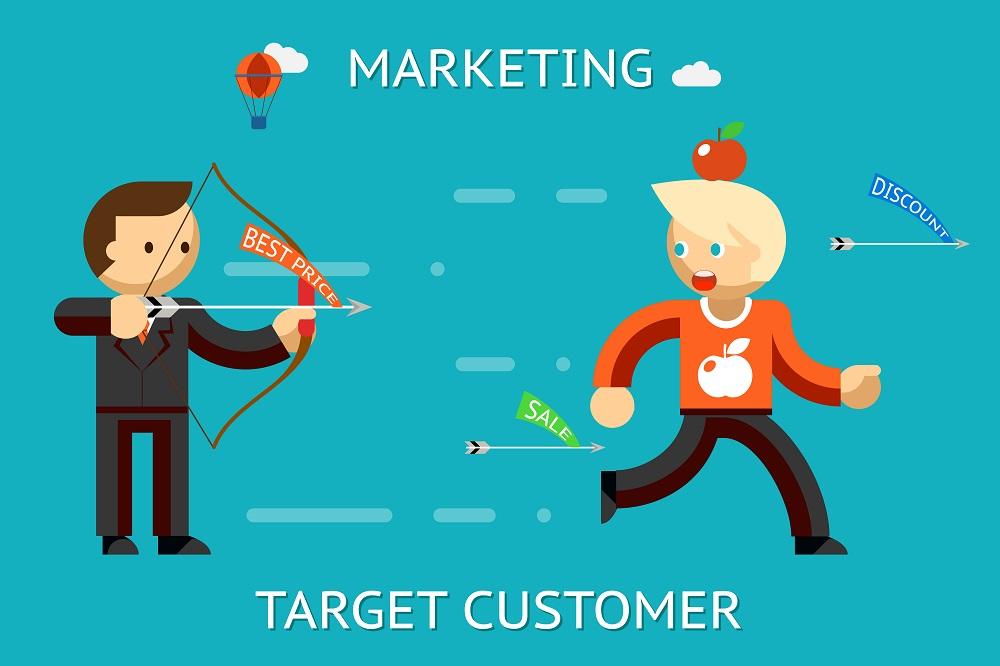
The target audience is the group you want to engage. They are active participants, not just spectators. Understanding their needs and desires is crucial. Craft a narrative that resonates with their hearts. They are constantly evolving. Adapt your artistry to their changing preferences. Create a masterpiece that fits into their lives. |
Identifying your target audience’s demographics, interests, and online behavior
- Collect the demographic details of your targeted audience – age, gender, location, income level, education.
- Try to understand what captures their attention: interests, hobbies, preferences, and online activities. Which social platforms do they use daily? At what times?
Conducting market research and using analytics tools to gain insights
- Conduct surveys, interviews, or focus groups to gather valuable feedback and opinions directly from your audience. Use tools like Google Forms, Typeform, or SurveyMonkey.
- Utilize analytics tools like Google Analytics, social media insights (Facebook Insights, Instagram Analytics, LinkedIn Analytics), or customer behavior tracking to gain data‑driven insights.
- Create fictional representations of your ideal customers based on research and data. Give them names, jobs, goals, and pain points.
- Dive into their motivations, challenges, goals, and pain points to align your content strategy with their needs. For example, “Marketing Mary” is a 32‑year‑old social media manager who struggles with content creation time.
- Use these personas to guide your tone, posting schedule, and content themes.
Never assume you know your audience without data. What you think they care about may be completely wrong. Use surveys, social listening, and direct conversations to validate your assumptions. Update your buyer personas at least once a year as trends and behaviors shift.
Step 2: Setting Clear Goals and Objectives

How to set goals and objectives for your digital marketing campaign? |
|---|
|
Setting goals for your digital marketing campaign involves a few simple steps. Start by defining specific outcomes you want to achieve, like increasing website traffic or generating leads. Make sure your goals are specific, measurable, attainable, relevant, and time‑bound (SMART). Consider your target audience, industry benchmarks, and available resources. Align your goals with overall business objectives and create a roadmap with strategies and tactics. Monitor key metrics to track progress and make adjustments for optimal performance. |
Defining specific, measurable, achievable, relevant, and time‑bound (SMART) goals
- Make sure your goals are achievable, realistic, and within your capabilities. Example: “Increase Instagram engagement rate from 2% to 4% within three months” is SMART; “Go viral” is not.
- Align them with the overall purpose of your social media marketing efforts (brand awareness, lead generation, customer retention, etc.).
- Set a specific timeframe for achieving your goals to keep yourself accountable (e.g., “by the end of Q3 2026”).
Aligning goals with your overall marketing strategy
- Ensure your social media goals are aligned with your broader marketing objectives. If your company goal is to increase sales by 20%, your social media goals might include generating a certain number of qualified leads or driving referral traffic.
- Consider how social media can support and enhance your overall business strategy, such as improving customer service or launching a new product.
- Ensure consistency and coherence across different marketing channels and initiatives (email, paid ads, content marketing).
Tracking key performance indicators (KPIs) to measure success
- Use social media analytics tools to track & know how your campaigns are performing. Common KPIs include engagement rate, reach, impressions, click‑through rate (CTR), conversion rate, and customer acquisition cost (CAC).
- Regularly monitor and analyze the data to gain proper insights & make informed decisions for optimizing your strategy. Set a weekly or monthly review schedule.
- Create custom dashboards in tools like Google Data Studio, Buffer, or Hootsuite to visualize your most important metrics.
For advanced goal setting, combine SMART goals with OKRs (Objectives and Key Results). For example: Objective – “Become the go‑to resource for small business social media tips.” Key Results – “Grow LinkedIn followers by 5,000,” “Publish 12 educational videos,” “Achieve 250 comments per post average.” This keeps your team aligned and motivated.

|
|
|---|
|
To choose the right social media platform for your business, consider your target audience and their preferences. Research demographics and engagement patterns. Align your objectives with each platform’s features. Evaluate advertising options, analytics, and community‑building features. Prioritize quality over quantity and maintain a strong presence. Regularly reassess your choice to stay ahead of trends and maximize impact. |
Evaluating platform demographics and user behavior to determine the best fit
- Understand the demographics of each platform’s user base (age, gender, location, interests). For example, TikTok and Instagram lean younger (Gen Z and Millennials), while Facebook has a broader age range including older generations. LinkedIn is for professionals.
- Analyze user behavior like engagement levels, content preferences (video vs. text vs. images), and communication style (formal vs. casual).
- Compare these factors with your target audience to identify the platforms that align best with your goals. Don’t try to be everywhere – start with 1‑2 platforms and master them.
| Platform | Primary Age Group | Best For | Content Type |
|---|---|---|---|
| 18-34 (heavily Millennials & Gen Z) | Visual storytelling, e‑commerce, influencer marketing | Images, Reels, Stories, carousels | |
| TikTok | 16-25 (Gen Z dominant) | Viral trends, humor, behind‑the‑scenes | Short‑form video (15-60 seconds) |
| 25-50+ (broad, includes older demographics) | Community groups, local businesses, news, events | Text, links, videos, live streams | |
| 25-55 (professionals, B2B) | Thought leadership, B2B lead generation, recruiting | Articles, industry news, professional insights | |
| 25-45 (predominantly female) | Inspiration, DIY, fashion, recipes, planning | High‑quality images, infographics, idea pins |
Strategies for leveraging multiple platforms effectively
- Explore how to create a cohesive brand presence across multiple platforms by using consistent branding (logos, colors, tone of voice).
- Identify the strengths of each platform and tailor your content accordingly. Repurpose content: turn a blog post into a LinkedIn article, a Twitter thread, an Instagram carousel, and a TikTok summary video.
- Develop a cross‑platform promotion strategy to maximize reach and engagement. For example, tease an Instagram Live on Facebook Stories, or share a YouTube video snippet on Twitter.
Just because a new platform is trending (e.g., Threads, BlueSky, or whatever emerges in 2026) doesn’t mean you must join immediately. Evaluate whether your target audience is actively using it. If not, ignore the hype and focus on where your customers already spend time.

|
|
|---|
|
To create engaging and shareable content, understand your audience’s interests, deliver valuable content, and use attention‑grabbing visuals. Craft compelling storytelling, keep it concise, and add interactive elements. Inject personality, use multimedia, and optimize for social sharing. |
Developing a content strategy based on audience preferences and platform‑specific formats
- Understand what type of content resonates with your target audience (educational, entertaining, inspirational, or promotional).
- Customize your content strategy to match the unique features & formats of different social media platforms. Instagram favors beautiful visuals; LinkedIn values professional insights; TikTok loves raw, authentic video.
- Experiment with different content formats like videos, images, infographics, blog posts, or live streams. Use the 80/20 rule: 80% valuable, non‑promotional content, 20% direct promotions.
Crafting compelling headlines, captions, and visuals to capture attention
- Create attention‑grabbing headlines that spark curiosity or offer value. Use numbers (“5 Ways”), questions (“Are you making this mistake?”), or bold statements.
- Craft engaging captions that resonate with your audience and encourage interaction. Ask questions, use emojis, and include a clear call‑to‑action (CTA).
- Use high‑quality visuals – images, videos & graphics – that are consistent with your brand aesthetic. Tools like Canva, Adobe Express, or Figma can help.
Utilizing storytelling, user‑generated content, and interactive elements to boost engagement
- Tell compelling stories that emotionally connect with your target audience. Share customer success stories, behind‑the‑scenes moments, or founder journeys.
- Don’t make your blog posts complex to read and understand. Make them user‑friendly and thus use conversational language. Write as if you’re talking to a friend.
- Incorporate interactive elements like polls, quizzes, contests, or live Q&A sessions to actively involve your audience. Most platforms support stickers (Instagram), polls (Twitter/LinkedIn), or comment contests.
Short‑form video (Reels, TikTok, YouTube Shorts) continues to dominate engagement. Algorithms prioritize video content. Repurpose your best blog posts or tips into 15‑60 second videos with captions. Even simple smartphone videos with text overlays can outperform highly produced images.

|
|
|---|
|
To implement effective social media advertising, define goals and target audience. Choose platforms wisely. Create compelling ads. Use targeting options effectively. Set budget and optimize placements. Monitor and analyze performance. Test and refine strategies. Track key metrics for success. |
- Explore various ad formats such as image ads, video ads, carousel ads, or sponsored posts. Each platform offers unique options: Instagram Shopping ads, LinkedIn Sponsored InMail, Twitter Promoted Tweets.
- Understand the objectives behind each ad type, such as brand awareness, lead generation, traffic, or driving conversions. Match your campaign goal to the right format.
Targeting and retargeting strategies for maximizing ad reach and conversions
- Define your target audience and use precise targeting options available on social media platforms (location, interests, behaviors, job titles, etc.).
- Implement retargeting campaigns to reach users who have previously engaged with your brand (visited your website, added to cart, watched a video). Use Facebook Pixel or LinkedIn Insight Tag.
- Utilize custom audience segments (from email lists or website visitors), lookalike audiences (similar to your best customers), and interest‑based targeting for better results.
A/B testing, monitoring ad performance, and optimizing campaigns
- Conduct A/B tests to compare different ad variations (headline, image, CTA) and optimize your campaigns. Test one variable at a time for clear insights.
- Continuously monitor the performance of your ads, analyzing metrics like click‑through rates, conversion rates, cost per click (CPC), and return on ad spend (ROAS).
- Make data‑driven decisions to optimize your ad campaigns – pause underperforming ads, scale winning ones, and adjust budgets accordingly.
Social media ad fatigue is real. A creative that performs well for two weeks may see declining CTR after a month. Regularly refresh your ad creatives (images, copy) every 2‑4 weeks. Also, monitor frequency – if the same person sees your ad more than 4‑5 times, it’s time to change creative or narrow your audience.
Step 6: Building and Nurturing a Community

How to build and nurture a community? |
|---|
|
To build and nurture a digital marketing community, define brand values and mission. Create engaging content. Listen and respond to members. Encourage discussions and user‑generated content. Provide exclusive rewards. Collaborate with influencers. Adapt strategies to meet evolving needs. Foster connections and engagement. By following these steps, you can cultivate a thriving community. |
- Respond promptly and authentically to comments, messages, and mentions on social media. Aim for response times under 2 hours during business days.
- Actively listen to your audience’s feedback, concerns, and questions. Use social listening tools like Mention, Brand24, or Hootsuite Insights to track brand mentions and relevant keywords.
- Participate in conversations and build relationships with your followers. Go beyond “thanks” – ask follow‑up questions and show genuine interest.
Encouraging user‑generated content and fostering brand advocates
- Encourage your audience to create and share content related to your brand. Launch hashtag campaigns, photo contests, or review incentives.
- Showcase user‑generated content to strengthen the sense of community. Repost customer photos (with permission) and tag them.
- Recognize and reward brand advocates who consistently support and promote your brand. Offer exclusive discounts, early access, or public shout‑outs.
Hosting contests, giveaways, and live events to strengthen community bonds
- Organize contests or giveaways that encourage participation and engagement. Ensure entry requirements align with your goals (e.g., follow, tag friends, share post).
- Host live events to interact with your community in real‑time: webinars, Q&A sessions, AMAs (Ask Me Anything), or live product demonstrations.
- Consider creating a private Facebook Group or Discord server for your most loyal fans to deepen connections and gather feedback.
Encourage your employees to share behind‑the‑scenes content, company news, and their own perspectives. People trust people more than logos. Employee advocacy can extend your reach significantly and add authenticity to your community.
Step 7: Analyzing and Adjusting Your Strategy

How to analyze and adjust your digital marketing strategy? |
|---|
|
To analyze and adjust your strategy effectively, collect relevant data. Identify key performance indicators. Analyze insights and make data‑driven adjustments. Monitor results and iterate as needed. Stay aligned with objectives and adapt to market changes for optimal outcomes. |
- Use analytics tools provided by social media platforms to track key metrics and performance indicators. Native insights (Facebook Insights, Instagram Insights, LinkedIn Analytics) are free and often sufficient.
- Monitor metrics such as engagement rate, reach, impressions, click‑through rate, and conversion rate. Also track share of voice (how often your brand is mentioned vs. competitors).
- Gain insights into audience behavior, demographics, and content performance. Identify which posts get the most saves, shares, and comments.
Identifying trends, patterns, and areas for improvement
- Analyze the data collected to identify trends, patterns, and areas where your strategy is performing well or lacking. Look at monthly and quarterly reports.
- Look for patterns in content types, timing, or messaging that resonate with your audience. For example, do video posts get 3x more engagement than image posts?
- Identify any gaps or opportunities that could be explored to improve your social media marketing efforts, such as underserved topics or new content formats.
Making data‑driven decisions and adapting your strategy accordingly
- Use the insights gained from analytics to make informed decisions and adjustments to your strategy. Don’t rely on gut feelings.
- Experiment with new approaches, content formats, or targeting strategies based on data‑driven findings. For example, if data shows your audience engages more at 7 PM, shift your posting schedule.
- Continuously monitor and evaluate the impact of your adjustments to optimize your social media marketing strategy. Set a quarterly strategy review meeting.
Likes and follower counts are “vanity metrics” – they look good but don’t necessarily drive business results. Focus on actionable metrics: engagement rate (interactions ÷ reach), click‑through rate, conversion rate, and customer acquisition cost. High followers with low engagement indicate a problem.

|
|
|---|
|
Staying up‑to‑date with social media trends is vital for a successful digital marketing strategy. Follow industry news, monitor audience preferences, engage in online communities, and stay connected with influential social media accounts and thought leaders. Experiment with new features and formats, and continuously analyze campaign performance. By staying informed and adaptable, you can effectively leverage social media trends to engage your audience and drive better results. |
Exploring emerging platforms and features
- Stay informed about new social media platforms that are gaining popularity. Subscribe to newsletters like Social Media Today, Later’s blog, or the Hootsuite Blog.
- Explore and experiment with emerging features and functionalities on existing platforms – for example, Instagram’s AI stickers, LinkedIn’s newsletter tool, or TikTok’s photo mode.
- Assess the potential benefits and relevance of these emerging platforms and features for your business. You don’t have to adopt everything, but understanding them helps you stay ahead.
Keeping abreast of algorithm changes and best practices
- Stay updated on algorithm changes implemented by social media platforms. Major platforms announce updates via official blogs (Meta, TikTok Newsroom, LinkedIn News).
- Follow reputable sources and industry experts to learn about the latest best practices. Examples: Matt Navarra, Social Media Examiner, Neil Patel, and Buffer.
- Adapt your strategies to align with algorithm updates and stay ahead of the curve. For instance, when Instagram shifted to video‑first, brands that embraced Reels grew faster.
Engaging in ongoing learning and professional development
- Invest time in continuous learning about social media marketing trends and techniques. Dedicate 30‑60 minutes per week to reading industry news.
- Attend the latest webinars, workshops, or conferences to update your skills according to recent trends. Many are free or low‑cost (e.g., Social Media Week, HubSpot Academy).
- Engage in networking with other professionals in the field to get valuable insights and experiences. Join LinkedIn groups, Discord communities, or local marketing meetups.
Use Feedly or a similar RSS reader to aggregate news from 5‑10 top social media blogs. Set aside 15 minutes each morning to scan headlines. Also, follow platform’s official handles (e.g., @MetaforBusiness, @TwitterBusiness) for direct updates. This habit prevents you from falling behind.
Conclusion
By following the above‑mentioned 8‑step approach, you can make your social media strategy win the league. This is not just extracted from some random research pieces or it is not based on any hypothetical assumptions; rather these are based on some tried and tested practices.
Remember that social media marketing is a marathon, not a sprint. Algorithms change, new platforms emerge, and audience preferences shift. However, the fundamentals – understanding your audience, setting measurable goals, choosing the right platforms, creating valuable content, using paid ads wisely, building community, analyzing data, and staying current – remain constant. Master these eight steps, and you will build a resilient, high‑performing social media presence that drives real business results.
- Step 1: Created detailed buyer personas using real data
- Step 2: Set 3‑5 SMART goals for the next quarter
- Step 3: Selected 2 primary platforms where your audience lives
- Step 4: Developed a content calendar with varied post types (80% value, 20% promo)
- Step 5: Launched a small A/B tested ad campaign ($50‑$100)
- Step 6: Set up a system to respond to comments/DMs within 2 hours
- Step 7: Installed analytics tracking and scheduled monthly reviews
- Step 8: Subscribed to 3 industry newsletters for trend updates
Print this checklist and track your progress each week!
A: It depends on your industry, audience size, and consistency. Typically, you may see initial engagement improvements within 2‑4 weeks. Significant business results (leads, sales) often take 3‑6 months of consistent, strategic effort. Don’t expect overnight success.
A: No. Spreading yourself thin across 5+ platforms usually leads to mediocre results on all. Start with 1‑2 platforms where your target audience is most active, and master those. You can expand once you have a solid presence and extra resources.
A: Quality matters more than quantity. General guidelines: Instagram 3‑7 times per week, LinkedIn 1‑5 times per week, Twitter 1‑5 times per day, Facebook 3‑10 times per week. Test your own audience’s response using analytics.
A: Yes, for most businesses. Organic reach has declined significantly on average. A small budget ($5‑$20 per day) can dramatically increase your reach and targeting precision. Start with a test budget, measure ROI, then scale.
5. What’s the most important metric to track?
A: It depends on your goal. For brand awareness, track reach and impressions. For engagement, track engagement rate (likes+comments+shares / reach). For conversions, track conversion rate and cost per conversion. Choose KPIs that align with your specific SMART goals.
A: Respond promptly (within 24 hours), professionally, and empathetically. Acknowledge the issue, apologize if appropriate, and offer a solution (e.g., “Please DM us your order number so we can resolve this”). Never argue publicly. A well‑handled complaint can actually build trust.
Start by implementing just one of these eight steps this week. Choose the area where you’re weakest – perhaps audience research or analytics – and improve it. Small, consistent actions lead to massive results over time.
About The Author: Karan Sharma is the co‑founder & CEO of Kinex Media Inc. He intends to bring a massive transformation in eCommerce web designing & development. His team of talented IT professionals knows the secret of getting huge conversions.