Top Ways Bloggers Can Make Money Online Today: Proven Strategies for 2026
Is it really possible for beginners to make money with a blog in 2026? Absolutely. While it requires time, effort, and dedication, blogging remains one of the most legitimate and accessible ways to generate income and even build a full-time living online. The barrier to entry has never been lower—with basic knowledge of writing, SEO, and digital marketing, anyone can start a blogging business and begin their journey toward financial freedom.
However, let’s be realistic: success in blogging doesn’t happen overnight. It demands consistent effort, valuable content creation, strategic audience building, and the smart implementation of monetization strategies. The good news? Thousands of ordinary people have transformed their passion for writing into profitable online businesses, and you can too.
In this comprehensive guide, we’ll explore exactly how to make money with a blog, step by step. From setting up your foundation to advanced monetization techniques, you’ll learn the proven strategies that successful bloggers use to generate consistent income. Whether you’re just starting or looking to scale your existing blog, this resource will provide the roadmap you need for 2026 and beyond.
Key Takeaway: Blogging success in 2026 requires a strategic blend of quality content, audience engagement, and diversified income streams. The most profitable bloggers don’t rely on a single monetization method—they combine advertising, affiliate marketing, digital products, and services to create multiple revenue sources. Start with one method, master it, then gradually expand your income portfolio.
The Modern Blogger’s Mindset: What’s Changed in 2026
Before diving into tactics, it’s essential to understand how the blogging landscape has evolved. In 2026, blogging isn’t just about writing—it’s about building a multimedia brand. Successful bloggers now incorporate video, podcasts, social media, and email marketing into their strategies. The rise of AI has also transformed content creation, with smart bloggers using AI tools to enhance productivity while maintaining their authentic voice. The fundamentals remain the same: provide value, build trust, and solve problems for your audience. But the execution has become more sophisticated and multi-dimensional.
Setting Up Your Blog: Step-by-Step Foundation for Success
A profitable blog starts with a solid foundation. Skipping these essential steps is like building a house on sand—it might stand temporarily, but it won’t withstand challenges. Follow this systematic approach to set yourself up for long-term success.
Choose a Profitable Niche
In the vast world of online business opportunities, choosing a profitable niche is your most critical decision. Here are essential factors to consider when selecting a niche that can propel your blog to new heights:
Research and Analysis: Conduct thorough research to identify market trends, customer demands, and areas of growth potential. Analyze the competition and identify gaps where your unique perspective can shine. Tools like Google Trends, Ahrefs, and SEMrush can provide valuable data on what people are searching for.
Passion and Expertise: Pursue a niche that aligns with your passions and expertise. Your genuine interest and knowledge will fuel your motivation during challenging times and keep you committed to creating valuable content. When you truly care about your topic, it shows in your writing.
Target Audience: Define your target audience and understand their needs, preferences, and pain points. Create detailed reader personas—what are their demographics, challenges, goals, and online behaviors? Tailor your content to serve their specific requirements.
Profit Potential: Assess the profit potential of your niche. Consider monetization options like affiliate programs, product opportunities, and advertising potential. Some niches naturally have higher-paying affiliate offers and more willing advertisers.
Long-Term Viability: Aim for a niche with long-term sustainability. Avoid trends that may fade quickly, and instead focus on evergreen topics with enduring interest. For example, personal finance, health, relationships, and career advice have remained relevant for decades.
Low Competition and High Demand: Strive to enter a niche with manageable competition and genuine demand. This sweet spot allows you to establish authority while attracting a loyal audience. Look for sub-niches where you can become a big fish in a smaller pond.
Differentiation: Identify ways to stand out from competitors. Offer unique value propositions, distinctive content angles, or exceptional reader experiences. What will make readers choose your blog over established players?
Profitability Analysis: Conduct a thorough profitability analysis, considering content creation costs, marketing expenses, and potential revenue streams. Ensure your chosen niche offers a viable path to sustainable income.
Market Size: Consider the overall market size. A niche with a substantial audience provides more growth opportunities, while an extremely tiny niche might limit your earning potential regardless of your success.
Trends and Forecasts: Study industry trends and forecasts to anticipate future demands. Position yourself to adapt and thrive as your market evolves over the coming years.
Choosing a profitable niche requires thoughtful consideration and analysis. Look for that perfect intersection of your passion, audience demand, and monetization potential. By making an informed decision upfront, you set the stage for a successful and fulfilling blogging journey.
Set Up Your Blog: Technical Foundations
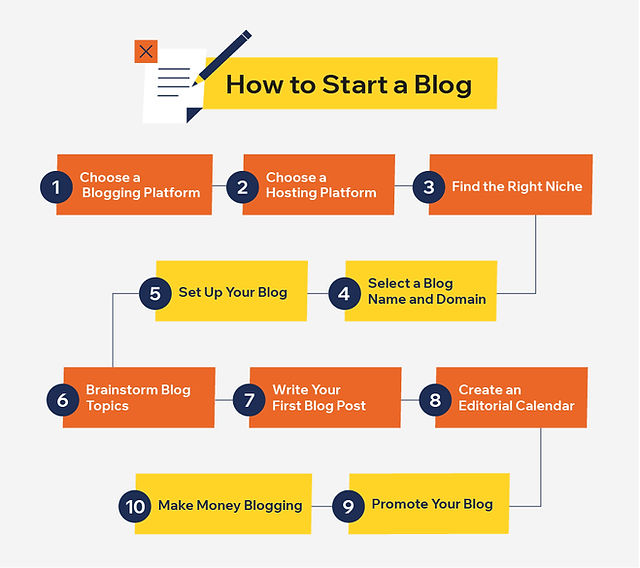
Choose a Blogging Platform: Select a reliable and user-friendly blogging platform. Popular options include WordPress, which powers over 40% of all websites, offering unparalleled flexibility and control. Blogger and Wix are simpler alternatives for absolute beginners. Consider your technical comfort level and long goals before deciding.
Pick a Domain Name: Choose a unique and memorable domain name that represents your blog’s identity. Aim for a name that’s easy to spell, reflects your niche, and resonates with your target audience. Keep it relatively short and avoid hyphens or numbers that could cause confusion.
Register Your Domain: Once you’ve decided on a domain name, register it with a reputable domain registrar. Many hosting platforms offer domain registration services, or you can use a separate domain registrar like GoDaddy or Namecheap. Domain registration typically costs $10-15 annually.
Select Hosting Provider: Choose a hosting provider that suits your needs and budget. Hosting is essential for making your blog accessible on the internet. Look for reliable uptime (99.9% or higher), fast loading times, and excellent customer support. For beginners, shared hosting from companies like Bluehost or SiteGround offers affordable entry points.
Install Blogging Platform: Install your chosen blogging platform on your hosting account. Most hosting providers offer one-click installations for WordPress and other popular platforms, making this step surprisingly simple.
Customize Your Blog’s Design: Personalize your blog’s appearance to match your brand and style. Choose a theme or template that complements your content and provides an enjoyable reading experience. Focus on clean typography, intuitive navigation, and mobile responsiveness.
Create Essential Pages: Set up fundamental pages that every blog needs: About (your story and mission), Contact (how readers can reach you), and Privacy Policy (legal requirements for data collection). These pages establish credibility and trust.
Plan Content Strategy: Develop a content strategy outlining your topics, posting frequency, and target audience. Create an editorial calendar mapping out content for the next 30-90 days. Consistency and relevance are key to building a loyal readership.
Write Compelling Content: Start creating and publishing content that resonates with your audience. Craft engaging, informative posts that showcase your expertise and passion. Aim for depth and value rather than word count alone.
Optimize for SEO: Implement search engine optimization techniques to improve your blog’s visibility. Use relevant keywords naturally, optimize meta tags, and structure your content for both readers and search engines.
Promote Your Blog: Share your posts on social media platforms to reach wider audiences. Engage with readers who comment, respond to feedback, and network with other bloggers in your niche. Promotion is as important as creation.
Monitor Analytics: Track your blog’s performance using tools like Google Analytics. Monitor traffic sources, popular content, audience demographics, and engagement metrics to refine your strategy over time.
Stay Consistent: Consistency is the secret ingredient to blogging success. Stick to your content schedule, maintain regular engagement with readers, and continuously improve your blog. Small actions compound into significant results.
Setting up your blog is an exciting journey that opens doors to sharing your passion with the world. Follow these steps to create a well-designed, engaging, and SEO-optimized foundation that positions you for long-term success.
Create High-Quality Content That Readers Love

Diverse Content Types: Offer a range of content formats to cater to different reader preferences. Write well-researched articles, step-by-step tutorials, comprehensive guides, and honest product reviews. Additionally, sharing personal experiences adds authenticity and relatability that readers crave.
Research and Credibility: Prioritize thorough research to back your claims with accurate information. Cite credible sources, include data where relevant, and fact-check everything. Credibility is crucial to gaining audience trust and establishing yourself as an authoritative voice.
Consistent Schedule: Develop a realistic content schedule that keeps readers engaged and eagerly anticipating your next piece. Consistency demonstrates commitment and reliability. Whether it’s twice weekly or once monthly, stick to your promised rhythm.
Engaging Language: Craft your content with a conversational, accessible tone. Avoid unnecessary jargon and use language that connects with readers on a personal level. Write as if you’re having a coffee conversation with a friend.
Visual Appeal: Enhance your content with eye-catching images, infographics, and multimedia elements. Visuals break up text blocks, illustrate complex concepts, and add professional polish to your message.
Search Engine Optimization: Optimize your content for search engines to improve discoverability. Include relevant keywords naturally throughout your articles, and craft attention-grabbing meta titles and descriptions that entice clicks.
Structured Format: Organize content with clear headings, subheadings, and bullet points. Well-structured formatting makes it easy for readers to scan and find the information they need quickly.
Problem Solving: Identify common problems or questions within your niche and provide valuable solutions. Addressing your audience’s pain points positions you as a helpful resource they’ll return to again and again.
Value-Oriented: Always prioritize providing genuine value. Whether offering practical tips, actionable advice, or insightful knowledge, content that enriches readers’ lives will be appreciated, shared, and remembered.
Call-to-Action (CTA): Include clear, compelling calls-to-action in your content. Encourage readers to subscribe, comment, share, or explore related articles. Guide them toward the next step in their journey with your blog.
Build an Audience That Supports Your Growth
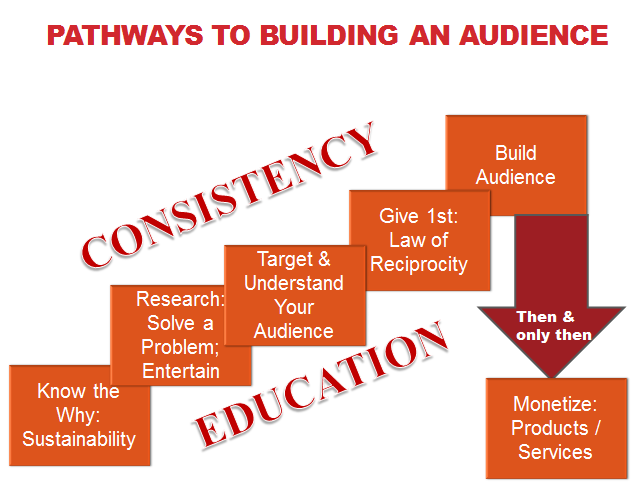
Promoting your blog is essential for expanding your audience and establishing online presence. Embrace these strategies to effectively promote your work and foster strong reader connections:
Social Media Engagement: Create dedicated social media profiles for your blog on platforms where your audience hangs out. Regularly share content, engage with followers, and respond promptly to comments and messages. Leverage social media to spark discussions and build community around your blog.
Online Communities and Forums: Identify relevant online communities and forums in your niche. Participate genuinely in discussions, offer valuable insights, and share your blog posts when appropriate. Respect community guidelines and contribute authentically to become a valued member.
Guest Posting on Popular Blogs: Write guest posts for established blogs within your niche to reach wider audiences. Offer unique, informative content showcasing your expertise. This exposure drives traffic back to your blog and establishes you as a credible authority.
Networking and Collaboration: Network with fellow bloggers and industry influencers to expand your reach. Collaborate on content, cross-promote each other’s work, or host joint webinars. Building mutually beneficial relationships opens doors to new opportunities.
Email List Incentives: Entice readers to subscribe by offering exclusive content, valuable resources, or freebies. A strong email list allows direct engagement with your audience and keeps them updated on your latest offerings.
Active Audience Engagement: Engage actively with your audience by responding to comments on your blog and social platforms. Foster community by being approachable and attentive to reader feedback and questions.
Repurposing Content: Transform blog content into different formats like infographics, videos, or podcasts. This reaches audiences on various platforms and caters to different content consumption preferences.
Cross-Promotion with Influencers: Collaborate with influencers in your niche to promote your blog. Offer them valuable content or products to review, and they can share their experiences with their followers, expanding your visibility.
SEO Optimization: Optimize blog posts for search engines using relevant keywords, meta tags, and descriptive headings. This improves your ranking on search results and attracts consistent organic traffic.
By actively promoting through multiple channels, engaging authentically with your audience, and collaborating strategically, you can maximize your blog’s reach and impact. Consistency and genuine interactions will solidify your reputation and build lasting reader relationships.
Monetization Strategies: Turning Your Blog Into a Business
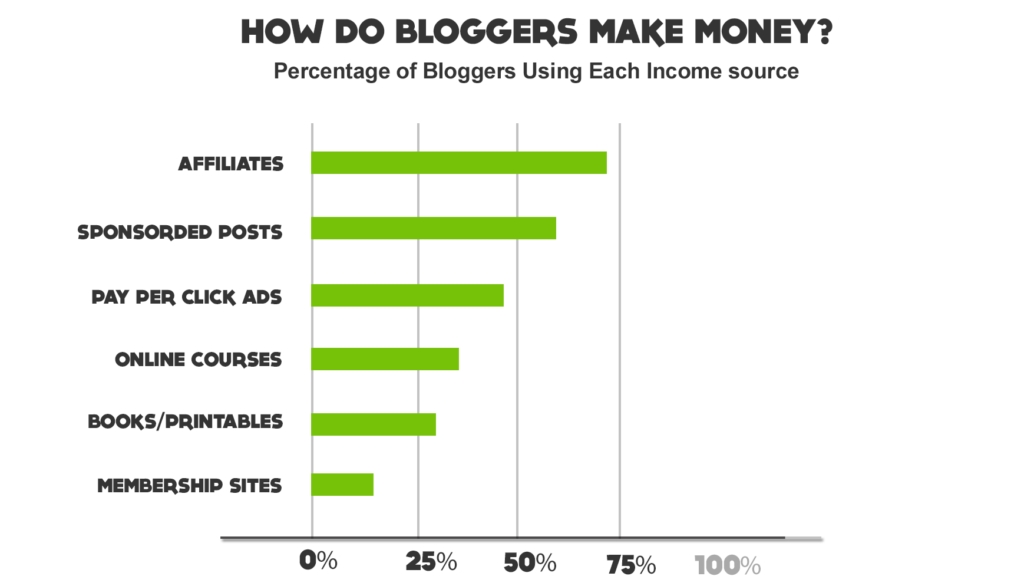
Display Advertising: Passive Income From Day One
Sign up for ad networks like Google AdSense, Media.net, or Ezoic to place ads on your blog. These networks handle the relationships with advertisers and pay you for impressions or clicks. Start with Google AdSense, which has lower traffic requirements, then graduate to premium networks as your traffic grows. Optimize ad placement by experimenting with different positions—above the fold, within content, or in sidebars—to maximize earnings without compromising user experience.
Don’t just set and forget your ads. Run A/B tests comparing different ad sizes, formats, and placements. Monitor which positions generate the highest click-through rates without increasing bounce rates. Heat mapping tools can show where readers actually look, helping you position ads strategically. Remember that a clean, uncluttered design often outperforms ad-heavy layouts because readers trust and engage more with professional-looking sites.
Affiliate Marketing: Earn Commissions on Recommendations
Join affiliate programs related to your niche, such as Amazon Associates, ShareASale, or CJ Affiliate. Promote products or services you genuinely believe in using unique affiliate links. Earn commissions for each sale or referral generated through your links. The key to successful affiliate marketing is authenticity—only recommend products you’ve personally used or thoroughly researched. Your audience trusts your judgment, and violating that trust damages long-term relationships.
Create dedicated review posts, comparison articles, and resource pages featuring your affiliate products. Incorporate links naturally within helpful content rather than forcing them where they don’t belong. Disclose affiliate relationships transparently to maintain trust and comply with regulations.
Sponsored Posts: Paid Partnerships With Brands
Collaborate with brands that align with your blog’s niche and values. Write sponsored content promoting their products or services in exchange for compensation. As your audience grows, brands will increasingly approach you for partnerships. However, you can also proactively pitch brands you admire with well-crafted media kits showcasing your reach and engagement metrics.
Maintain editorial integrity by only accepting sponsorships that genuinely benefit your readers. Clearly label sponsored content to maintain transparency. The best sponsored posts seamlessly integrate brand messaging with your usual helpful content, providing value while promoting the product.
Digital Products: Create Once, Sell Forever
Create and sell your own digital products, such as e-books, online courses, templates, printables, or stock photos. Package your expertise into valuable resources your audience is willing to pay for. Digital products offer incredible profit margins since there are no physical production or shipping costs.
Start by identifying your audience’s most pressing needs. What problems do they repeatedly ask you to solve? What skills do they want to learn? Create products that address these needs directly. Launch with a minimum viable product, gather feedback, and continuously improve based on user experience.
Services: Leverage Your Expertise Directly
Offer services related to your niche, such as consulting, coaching, web design, freelance writing, or speaking engagements. Services provide higher income potential than passive methods and allow you to work directly with clients who value your expertise.
Create a services page clearly outlining what you offer, your process, and pricing. Collect testimonials from satisfied clients to build social proof. As you gain experience, you can increase rates and package services into premium offerings.
Advanced Monetization Strategies for 2026
Implement Email Marketing for Recurring Revenue

Building an email list and leveraging it to nurture relationships is crucial for digital marketing success. An email list consists of people who’ve voluntarily provided their addresses to receive updates, promotions, and exclusive content from you. Here’s how to build and monetize your list effectively:
Collect Email Subscribers: Start collecting subscribers through opt-in forms on your website, landing pages, blog posts, and social media. Offer compelling incentives like free e-books, guides, webinars, or discount codes that align with audience interests.
Segmentation: As your list grows, segment subscribers based on demographics, interests, purchase history, or engagement level. Segmentation allows targeted, personalized communication that increases relevance and effectiveness.
Engaging Content: Regularly provide valuable content to subscribers—informative articles, educational videos, industry insights, case studies. Address audience pain points and interests to demonstrate expertise and build trust.
Exclusive Content and Promotions: Offer subscribers exclusive content or promotions unavailable to the general public—early product access, limited discounts, members-only webinars. This makes subscribers feel valued and strengthens relationships.
Automated Email Campaigns: Implement automated campaigns using email marketing tools. Set up welcome series for new subscribers, drip campaigns to nurture leads, and re-engagement campaigns for inactive subscribers. Automation ensures timely, relevant communication.
Two-Way Communication: Encourage subscribers to reply to emails, ask questions, or provide feedback. Engage personally with those who respond—this creates authentic connection and shows you genuinely care about their opinions.
Promote Products and Services: Strategically promote your offerings when relevant. Avoid being overly salesy; focus on providing value. When subscribers trust you and find your content helpful, they’re more likely to consider your recommendations.
Affiliate Sales: Occasionally include affiliate promotions that align with audience interests. Be transparent about affiliate relationships and only promote products you genuinely believe in.
Benefits of an engaged email list include targeted reach, higher conversion rates, brand loyalty, cost-effective marketing, full ownership and control, and repeat business from satisfied customers. A well-cultivated email list becomes one of your most valuable business assets.
Diversify Income Streams for Stability
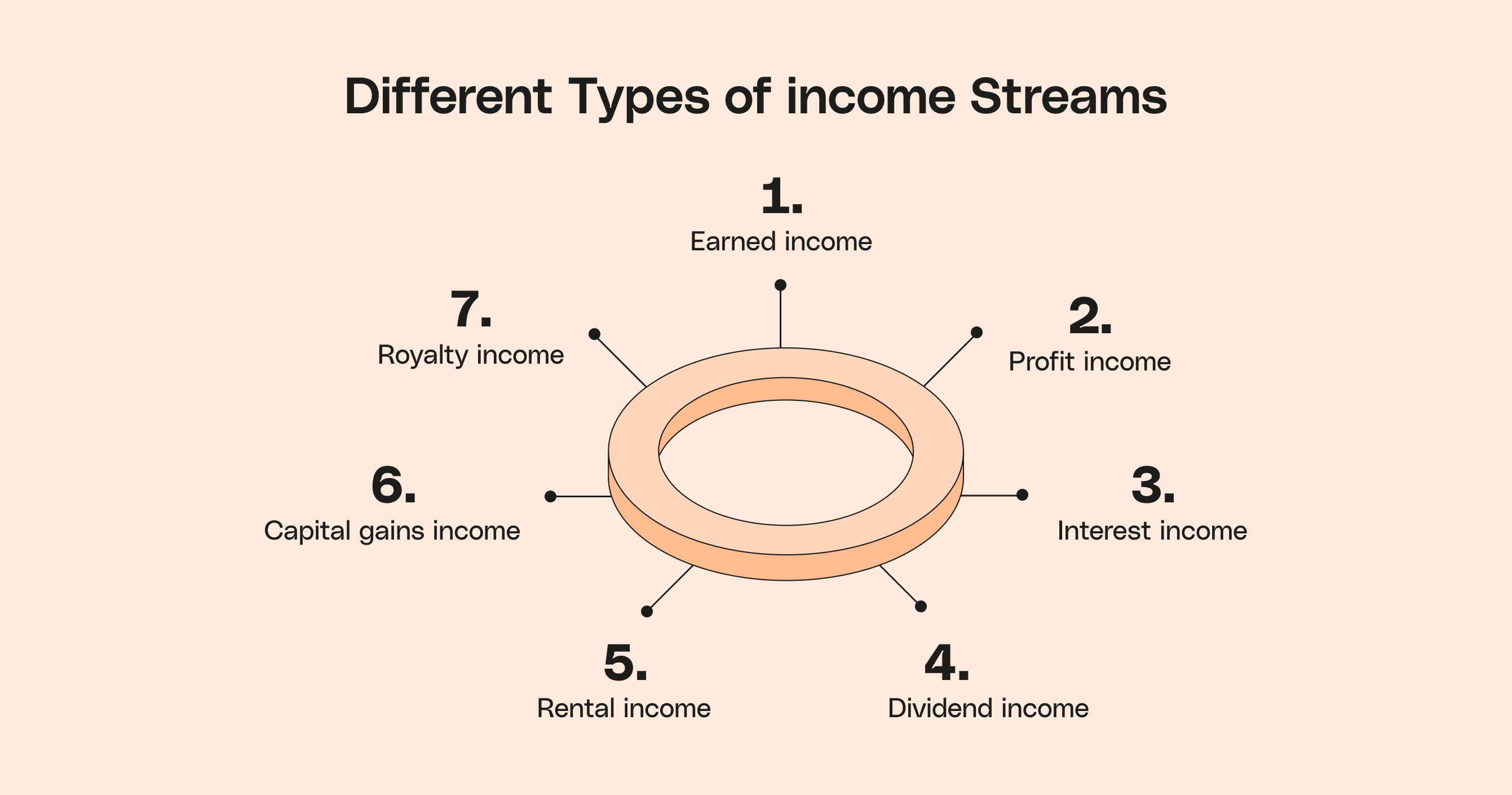
Relying solely on one income stream poses significant financial risks, especially in changing market conditions. Diversifying your revenue sources provides stability and security for your blogging business. Here’s how combining multiple strategies creates resilience:
Affiliate Marketing: Promote others’ products for commission. If one affiliate partner’s performance fluctuates, other partnerships maintain revenue flow.
Advertising: Monetize through display ads for consistent income based on traffic. Diverse advertisers ensure steady revenue even if one campaign underperforms.
Digital Products: Create and sell e-books, courses, or templates. Once developed, products sell repeatedly without ongoing production costs.
Services: Offer consulting, coaching, or freelance work for higher-ticket income that can fund business growth.
Sponsored Content: Partner with brands for paid posts that supplement other income sources.
Memberships: Create premium content accessible by subscription for recurring revenue.
Benefits of diversification include financial stability, reduced dependency on any single source, adaptability to market changes, scalability in multiple directions, risk mitigation, and leveraging your strengths across different opportunities.
Remember to diversify strategically—avoid spreading yourself too thin. Focus on areas that complement your core business and align with your audience. Regularly assess each stream’s performance and optimize accordingly.
Engage With Your Audience to Build Loyalty

Interacting with readers is crucial for building a loyal, engaged community. By actively engaging through comments, social media, and emails, you foster stronger connections and gain valuable insights into audience preferences. Here’s why and how to interact effectively:
Responding to Queries: When readers leave comments or send questions, respond promptly and helpfully. This shows you value their engagement and are willing to provide assistance.
Listening to Feedback: Pay close attention to feedback, positive or constructive. Feedback reveals what resonates with your audience and guides content improvement.
Understanding Needs: Engagement provides insights into audience needs, pain points, and interests, allowing you to tailor content accordingly.
Social Media Engagement: Be active on platforms where your audience gathers. Respond to comments, messages, and mentions. Participate in relevant discussions and share valuable content.
Email Communication: Use email marketing to nurture relationships. Send personalized content, exclusive offers, and updates. Use automation for targeted messaging based on subscriber behavior.
Encourage User-Generated Content: Invite your audience to create and share content related to your brand. User-generated content builds community and serves as powerful word-of-mouth marketing.
Be Authentic and Transparent: Show genuine personality in interactions. People appreciate authentic connections and support brands they trust.
Create Polls and Surveys: Use polls and surveys to gather direct feedback about preferences and interests. This data informs content and marketing decisions.
Benefits of active engagement include increased trust and loyalty, higher engagement rates, enhanced customer satisfaction, valuable audience insights, organic word-of-mouth marketing, and continuous improvement opportunities.
Building a loyal community takes time and consistent effort. Be patient and committed to nurturing reader relationships. Through active engagement across channels, you create a thriving community that supports your brand and advocates for your content.
Optimize for Search Engines to Attract Free Traffic

SEO (Search Engine Optimization) is critical for driving organic traffic to your blog. By optimizing content and website elements, you improve search rankings and attract more visitors. Here are essential SEO practices to implement:
Keyword Research: Conduct thorough keyword research to identify relevant, high-traffic terms related to your niche. Use tools like Ahrefs, SEMrush, or Google Keyword Planner to find popular search queries.
Optimize Content: Incorporate target keywords naturally into your posts. Prioritize valuable, informative content rather than keyword stuffing. Create comprehensive, well-structured articles addressing audience needs.
Meta Tags Optimization: Optimize meta titles and descriptions for each post. Include primary keywords in titles while keeping them compelling. Meta descriptions should provide enticing summaries that encourage clicks.
URL Optimization: Create SEO-friendly URLs with relevant keywords that accurately represent content. Avoid lengthy strings of numbers or irrelevant characters.
Internal Linking: Incorporate internal links connecting related content on your site. Internal linking improves navigation, strengthens site structure, and helps search engines understand page relationships.
Mobile-Friendly Design: Ensure your blog is optimized for mobile devices. Google prioritizes mobile-friendly websites, and most users access content on smartphones.
Site Speed Optimization: Improve loading speed for better user experience. Page speed is a ranking factor, and fast-loading sites reduce bounce rates and increase satisfaction.
Featured Snippets: Aim for featured snippets by providing concise answers to commonly asked questions. Featured snippets appear at the top of search results, increasing visibility and credibility.
Quality Backlinks: Earn high-quality backlinks from reputable websites in your industry. Backlinks from authoritative sources signal to search engines that your content is valuable and relevant.
Regular Updates: Publish fresh content consistently. Search engines favor websites that regularly produce valuable, up-to-date information.
Social Media Promotion: Share posts on social platforms to increase visibility and attract traffic. Social engagement indirectly impacts SEO through increased exposure.
SEO is an ongoing process requiring continuous monitoring and adjustment based on analytics and search trends. By implementing these best practices, you enhance visibility, attract organic traffic, and build loyal readership.

Social media platforms play a crucial role in expanding your blog’s reach and attracting visitors. By creating shareable content and actively engaging on platforms like Facebook, Twitter, Instagram, and Pinterest, you build presence that drives traffic and opens revenue opportunities. Here’s how to leverage social media effectively:
Create Shareable Content: Craft engaging, valuable content that resonates with your audience. Shareable content includes informative posts, eye-catching images, infographics, and videos that encourage likes, comments, and shares.
Choose Relevant Platforms: Identify where your target audience is most active and focus efforts there. Different platforms attract different demographics, so tailor content accordingly.
Consistency is Key: Maintain a consistent posting schedule. Regularly share new posts, updates, and valuable content to keep audiences engaged.
Use Visuals: Visual content performs better on social media. Incorporate high-quality images, graphics, and videos to increase appeal and shareability.
Engage With Your Audience: Actively interact with followers by responding to comments, messages, and mentions. Engagement fosters community and encourages participation.
Hashtags and Keywords: Use relevant hashtags and keywords to increase discoverability. Hashtags help users find content on specific topics.
Promote Blog Posts: Share your posts with compelling summaries and calls-to-action encouraging clicks to your blog.
Encourage Sharing: Include social sharing buttons on your blog, making it easy for readers to share content on their profiles.
Cross-Promote: Collaborate with other bloggers or influencers to cross-promote content, introducing your blog to wider audiences.
Track Performance: Monitor social media metrics using analytics tools. Analyze engagement, click-through rates, and other data to understand what resonates.
Benefits of social media include expanded reach, increased blog traffic, enhanced brand awareness, networking opportunities, and revenue potential through larger audiences.
Building strong social media presence takes time and effort. Focus on providing value, fostering engagement, and cultivating positive community. Over time, social media becomes a powerful tool for amplifying your blog’s reach.
Collaborate With Other Bloggers for Mutual Growth

Collaborating with other bloggers or influencers in your niche is an effective strategy for expanding reach and attracting new readers. Through guest posting and co-creating content, you expose your blog to broader audiences and establish authority within your community. Here’s how to leverage collaborations:
Identify Relevant Partners: Look for bloggers whose audience aligns with your target readers. Choose partners with shared interests, expertise, or complementary content.
Guest Posting: Offer to write guest posts for other websites. Guest posting showcases your expertise to new audiences and includes links back to your blog, driving traffic.
Co-Creating Content: Collaborate on valuable content like co-authored posts, joint webinars, podcasts, or videos. Combining expertise offers unique insights and attracts wider audiences.
Host Interviews or Features: Invite influencers to participate in interviews or contribute to your blog. Their involvement attracts their followers to your content.
Share and Promote Collaborative Content: Both parties should actively share and promote collaborative content on their platforms. Cross-promotion maximizes visibility.
Build Relationships: Approach collaborations as opportunities to build meaningful relationships within your niche. Nurture connections over time for ongoing opportunities.
Participate in Blog Hops or Roundups: Engage in blog hops where multiple bloggers publish related posts, or participate in roundups where groups contribute insights on specific topics.
Benefits of Collaborating With Bloggers and Influencers:
Wider Exposure: Collaborations introduce your blog to broader audiences, increasing visibility and attracting new readers.
Enhanced Credibility: Association with respected bloggers boosts your credibility and authority within the niche.
Quality Backlinks: Guest posting and co-creating content often result in quality backlinks that positively impact search rankings.
Knowledge Sharing: Collaborations allow sharing knowledge and insights, providing value to both audiences.
Networking Opportunities: Collaborations lead to potential partnerships, joint projects, and professional growth.
Successful collaborations require mutual respect, clear communication, and focus on creating value for both audiences. Approach with genuine desire to share knowledge and provide valuable content. By fostering relationships and partnering with others, you amplify your blog’s impact and continue growing your readership.
Track and Analyze Performance for Continuous Improvement

Regularly monitoring your blog’s performance using analytics tools is essential for understanding how well your blog is performing and identifying improvement areas. By analyzing traffic, engagement, and conversion data, you gain valuable insights that help adjust strategies and maximize earning potential. Here’s how to use analytics effectively:
Choose the Right Analytics Tools: Select appropriate tools like Google Analytics for comprehensive website data and social media analytics tools for platform-specific insights.
Track Key Metrics: Focus on KPIs relevant to your goals—website traffic, page views, bounce rate, time on page, social engagement, conversion rates, and revenue generated.
Analyze Traffic Sources: Identify where your traffic comes from—organic search, social media, referrals, or direct visits. Understanding sources helps optimize marketing efforts.
Study Audience Behavior: Analyze which pages are most visited, which content gets most engagement, and where users drop off. This data guides content optimization and structure improvements.
Segment Your Audience: Segment based on demographics, location, behavior, or interests. Segmentation allows tailored content and marketing strategies for increased relevance.
Identify High-Converting Content: Determine which posts lead to highest conversions—newsletter sign-ups, affiliate sales, or other desired actions. Replicate successful strategies and optimize underperforming content.
A/B Testing: Implement A/B testing to compare different versions of webpages or content elements (headlines, images, CTAs) to see what performs better.
Set Goals and Track Conversions: Establish clear goals like increasing email subscribers or affiliate sales. Use conversion tracking to measure how well you’re achieving objectives.
Monitor Social Media Performance: Analyze social metrics to understand which platforms and content types resonate best. Use insights to refine social strategy.
Regular Reporting: Create regular reports tracking performance over time. Regular analysis identifies trends and enables data-driven decisions for continuous improvement.
Benefits of Data-Driven Blog Optimization:

Improved Decision Making: Data-driven insights help make informed decisions, prioritizing efforts based on actual performance.
Maximized ROI: Focusing on strategies showing positive results maximizes return on investment in marketing and content creation.
Enhanced User Experience: Understanding user behavior allows experience improvements, reducing bounce rates and increasing engagement.
Increased Monetization Potential: Data-based optimization leads to higher conversions, improving earning potential.
Adaptability: Data-driven insights enable effective adaptation to changing market conditions and audience preferences.
Analytics is an ongoing process. Regularly review data, test new strategies, and iterate based on findings. By leveraging data-driven insights, you continuously improve blog performance and achieve greater success.
Optimize for Mobile Devices: Non-Negotiable in 2026

Ensuring your blog is mobile-friendly is crucial as more users access the internet through smartphones and tablets. A responsive design that adapts to different screen sizes provides positive user experience, increasing engagement and conversions. Here’s why mobile-friendliness matters and how to achieve it:
Rising Mobile Usage: Significant internet traffic comes from mobile devices. Neglecting mobile optimization leads to poor experience for much of your audience.
User Experience Matters: Mobile-friendly blogs offer seamless experience across devices. Responsive design ensures content, images, and navigation display properly regardless of screen size.
Reduced Bounce Rates: Mobile-friendly blogs reduce likelihood of visitors leaving immediately. Difficult navigation on mobile increases bounce rates, negatively impacting performance.
Improved Search Rankings: Google prioritizes mobile-friendly websites in search results. Mobile optimization positively impacts rankings, leading to higher visibility and organic traffic.
Enhanced Engagement: Users engage more with smooth mobile experiences, leading to longer visits and higher interaction rates.
Higher Conversions: Mobile-friendly designs contribute to better conversion rates for email signups, affiliate sales, or lead generation.
How to Achieve Mobile-Friendly Design:

Responsive Web Design: Use responsive design that automatically adjusts layout to fit different screen sizes, ensuring consistent experience across devices.
Readable Fonts and Formatting: Use legible fonts and ensure text is easily readable on smaller screens. Avoid tiny fonts or overcrowded pages.
Optimize Images: Compress images to reduce loading times without compromising quality. Large images slow loading, frustrating users.
Mobile-Friendly Navigation: Create user-friendly mobile menus allowing easy access to blog sections. Keep navigation simple and accessible.
Test on Multiple Devices: Test your blog on various mobile devices and operating systems to ensure proper functionality.
Accelerated Mobile Pages (AMP): Consider implementing AMP, a Google-backed project creating faster-loading versions of web pages specifically for mobile.
Mobile Usability Tools: Use Google’s Mobile-Friendly Test or similar tools to assess mobile-friendliness and receive improvement recommendations.
By prioritizing mobile-friendliness and optimizing for various devices, you provide positive user experience, increase engagement, and improve overall blog performance. Embracing mobile optimization is vital for adapting to the changing online landscape and serving mobile-savvy audiences.
Creating exclusive content or services for premium members adds value to your blog and generates stable recurring income. By implementing a subscription-based model, you offer extra benefits to your most dedicated audience. Here’s how to set up premium memberships:
Exclusive Content and Services: Offer premium members access to content unavailable to regular visitors—in-depth guides, behind-the-scenes insights, member-only webinars, personalized coaching, or early content access.
Subscription-Based Model: Set up a recurring fee system, typically monthly or annually, for accessing premium benefits. This creates predictable, steady income.
Tiered Membership Levels: Consider offering different tiers with varying benefits and pricing. This caters to different audience segments and budget levels.
Promote the Value: Clearly communicate exclusive value premium members receive. Highlight unique benefits to make subscription compelling.
Engagement and Community Building: Foster community among premium members through private forums or groups, encouraging discussion and networking.
Consistent Delivery: Regularly deliver high-quality exclusive content to keep members engaged and satisfied. Consistency is key to retention.
Limited-Time Offers: Use promotions or discounts to encourage new sign-ups. Offer rewards for members who refer others.

Stable Income Stream: Subscription-based model provides reliable, steady income for planning and investing in growth.
Enhanced User Engagement: Exclusive content keeps premium members engaged and invested, fostering loyalty.
Increased Revenue Potential: Premium memberships significantly increase revenue with compelling benefits.
Deeper Connections: Premium memberships create closer bonds with your most dedicated audience, building trust.
Upselling Opportunities: Premium members may be receptive to additional products like e-books or courses.
Feedback and Insights: Engaged premium members provide valuable feedback for improving content and offerings.
When implementing premium memberships, ensure content justifies the subscription fee. Consistently deliver exceptional value to maintain loyalty and satisfaction. By catering to your most dedicated audience, you strengthen revenue streams and build a thriving community of committed supporters.
Host Webinars and Workshops for High-Ticket Income

Sharing expertise through webinars and workshops provides valuable knowledge and personalized guidance to your audience. By offering in-depth, interactive learning experiences, you can charge fees for access, creating new revenue streams. Here’s how to conduct effective webinars and workshops:
Choose Relevant Topics: Select topics aligning with your niche and audience interests. Focus on subjects where you have expertise and can deliver valuable insights.
Plan Engaging Content: Create well-structured, engaging presentations with practical tips, real-life examples, and interactive elements to keep participants involved.
Set a Fee for Access: Determine fair, competitive fees based on value provided, session length, and expertise level.
Promote the Event: Use your blog, social media, email newsletters, and other channels to promote. Emphasize benefits and learning outcomes to encourage registrations.
Use Webinar Platforms: Utilize reliable platforms offering interactive features like Q&A, polls, and chat. Popular options include Zoom, Webex, and GoToWebinar.
Personalized Interaction: Engage with participants by answering questions, providing feedback, and addressing concerns. Personalized interaction adds value and fosters positive learning environments.
Recording and Replays: Record sessions and offer replays to attendees who missed live events or want to review content. Replays can also be sold separately.
Collect Feedback: Gather participant feedback to understand their experience and identify improvement areas for future events.
Benefits of Offering Webinars and Workshops:

Monetization: Charging fees allows monetizing expertise and preparation time.
Demonstrate Expertise: Events showcase your knowledge, establishing you as an authority.
Personalized Guidance: Participants benefit from personalized feedback, enhancing learning experiences.
Audience Engagement: Interactive elements boost engagement and retention.
Lead Generation: Events serve as lead generation tools, expanding email lists and customer bases.
Networking Opportunities: Events facilitate participant networking, creating valuable connections.
Provide value justifying fees and ensuring positive participant experiences. Deliver high-quality content and personalized guidance to establish reputation for valuable learning. By sharing expertise through webinars and workshops, you generate revenue while strengthening audience relationships.
Conduct Product Reviews for Affiliate Income

Reviewing products or services related to your niche and providing honest assessments builds trust with your audience while monetizing your blog. By being transparent and genuine in recommendations, you earn through affiliate commissions or sponsored opportunities. Here’s how to conduct effective product reviews:
Choose Relevant Products: Select products aligning with your niche and audience interests. Reviewing relevant items ensures recommendations are valuable and resonate.
Be Honest and Transparent: Provide honest, unbiased assessments. Your audience trusts your expertise, so maintain transparency in opinions.
Highlight Pros and Cons: Present balanced perspectives by highlighting both strengths and weaknesses. This shows thorough evaluation and objective feedback.
Personal Experience: Whenever possible, share personal experience with products. Readers appreciate authentic insights based on real usage.
Comparison Reviews: Conduct comparison reviews comparing similar products in your niche. This helps readers make informed decisions based on preferences.
Affiliate Marketing: Join affiliate programs related to products you review. Include affiliate links to earn commissions on resulting purchases.
Disclose Affiliate Links: Always disclose affiliate relationships transparently. This maintains trust and complies with regulations.
Sponsored Reviews: Seek sponsored opportunities from brands interested in promotion. Ensure sponsored content is clearly labeled.
Maintain Objectivity: Even in sponsored reviews, maintain objectivity and provide honest assessments. Credibility relies on unbiased opinions.
Engage with Readers: Encourage comments and sharing of reader experiences. Engagement creates valuable discussion.
Benefits of Product Reviews:

Monetization: Affiliate commissions and sponsored reviews provide income.
Audience Trust: Honest, transparent reviews build trust and confidence in recommendations.
Audience Engagement: Product reviews attract high engagement as readers seek insights before purchasing.
Brand Partnerships: Positive reviews attract brands seeking influencer collaborations.
Content Variety: Reviews add variety to content, complementing other articles and enhancing niche authority.
Maintaining audience trust is paramount. Ensure reviews are thorough, unbiased, and based on genuine experiences. By providing valuable insights and earning reader trust, you establish reputation as reliable source for product recommendations while creating monetization opportunities.
Join Blogging Networks for Sponsored Opportunities
Joining blogging networks or content platforms offering sponsored content opportunities can be lucrative for monetization. These networks connect bloggers with brands seeking content creators for product promotion. However, be selective and choose networks aligning with your values and audience. Here’s how to approach this strategy:
1. Research Blogging Networks: Explore various networks facilitating sponsored content. Look for reputable, well-established networks with quality brand relationships.
2. Check Audience Alignment: Ensure network’s audience aligns with your target readers. Working with brands that resonate increases collaboration success.
3. Assess Brand Fit: Evaluate brands and campaigns promoted through networks. Choose brands aligning with your niche, values, and content style. Authenticity is crucial for maintaining audience trust.
4. Review Compensation Models: Understand payment structures—some pay based on views or clicks, others offer flat fees for sponsored posts.
5. Read Terms and Conditions: Carefully review terms before signing up. Pay attention to payment policies, exclusivity clauses, and content restrictions.
6. Set Your Rates: If networks allow rate flexibility, determine pricing based on your reach, engagement, and content creation effort.
7. Maintain Editorial Control: Ensure you retain editorial control over sponsored content. This maintains your voice and authenticity while promoting brand messages.
8. Deliver Quality Content: Create high-quality sponsored content seamlessly integrating brand messages into your style. Provide value even in sponsored posts.
9. Disclose Sponsored Content: Comply with disclosure guidelines and clearly label sponsored content. Transparency builds audience trust.
Benefits of Joining Blogging Networks:
Monetization Opportunities: Networks offer various sponsored content opportunities.
Brand Collaborations: Working with brands through networks leads to valuable partnerships.
Streamlined Opportunities: Networks streamline finding sponsored content, saving time and effort.
Exposure and Reach: Brand collaborations increase blog exposure to broader audiences.
Professional Networking: Joining networks connects you with other content creators and professionals.
Strike balance between sponsored and organic content to maintain blog integrity. Focus on building long-term relationships with aligned brands, creating value through thoughtful collaborations. By being selective and authentic, you effectively monetize through sponsored content while maintaining positive user experiences.
Create Merchandise for Brand Extension
If your blog has strong brand and dedicated following, creating and selling merchandise generates additional revenue while strengthening community. Branded merchandise like t-shirts, mugs, stickers, and other items allows your audience to show support while promoting your blog. Here’s how to get started:
Design Appealing Merchandise: Create designs reflecting your brand and resonating with your audience. Designs should be eye-catching and something followers would proudly display.
Choose Quality Products: Partner with reliable manufacturers or printing services ensuring merchandise quality. High-quality products contribute to positive customer experiences.
Start with Core Items: Begin with few core items like t-shirts or mugs. As demand grows, expand product offerings.
Set Up an Online Store: Create an online store on your blog or use third-party platforms like Shopify, Etsy, or WooCommerce. Easy navigation enhances shopping experiences.
Showcase the Merchandise: Display merchandise prominently on your blog and social media. Use engaging visuals and descriptions to entice purchases.
Offer Limited Editions or Special Releases: Create limited-edition merchandise to create exclusivity and urgency.
Promote through Content and Social Media: Promote merchandise through blog posts, email newsletters, and social media. Share photos of happy customers with your products.
Incentives and Bundles: Offer incentives like discounts or exclusive content for purchasers. Create bundles combining multiple items at discounted prices.
Customer Feedback and Reviews: Encourage customer feedback and reviews. Positive reviews boost confidence in potential buyers.
Benefits of Selling Merchandise:
Additional Revenue Stream: Merchandise sales provide income beyond traditional monetization.
Brand Visibility: Branded merchandise increases blog visibility as people use products publicly.
Community Building: Merchandise fosters community among followers, strengthening blog connections.
Marketing Opportunity: Merchandise acts as walking advertisement, spreading awareness to broader audiences.
Unique and Personalized: Branded merchandise offers unique, personalized ways for audience connection.
Creative Expression: Merchandise allows followers to express support creatively.
Ensure pricing is reasonable and aligns with value provided. As sales grow, continuously engage with your audience to gauge preferences and expand offerings. By selling merchandise, you create additional revenue while strengthening bonds with loyal followers.
Optimize Ad Placement for Maximum Revenue
Experimenting with ad placement is crucial for optimizing ad revenue without overwhelming your audience. By conducting A/B tests with different ad formats, sizes, and locations, you find most effective positions for generating clicks and revenue. Here’s how to approach ad placement optimization:
1. A/B Testing: Create multiple variations of ad placements—different formats (banner, native, in-article), sizes (leaderboard, skyscraper, square), and locations (above fold, within content, sidebar).
2. Track Performance Metrics: Use ad analytics to monitor performance of each variation. Track click-through rates, viewability, revenue, and user experience feedback.
3. Testing Period: Allow each variation sufficient testing time—typically several weeks depending on traffic volume.
4. Consider User Experience: While optimizing for revenue is important, consider user experience. Avoid excessive placements creating cluttered, distracting layouts.
5. Ad Placement Guidelines: Follow best practices for placement—ads near relevant content tend to perform better.
6. Responsive Ads: Use responsive ad units automatically adjusting size and layout based on user device for seamless experiences.
7. Above-the-Fold vs. Below-the-Fold: Test performance of ads above fold (visible without scrolling) versus below fold. Above-fold ads often receive higher visibility, but below-fold may have better engagement from users reading through content.
8. Ad Blocking Considerations: Some users have ad blockers, affecting visibility and performance of certain formats.
9. Balance and Integration: Strike balance between ads and content for visually appealing layout. Integrate ads naturally into design to avoid intrusiveness.
10. Regular Optimization: Continuously analyze A/B test results and make adjustments for optimal placement performance.
Benefits of Optimizing Ad Placement:
Increased Ad Revenue: Optimized placements lead to higher click-through rates and revenue.
Better User Engagement: Well-placed, relevant ads can enhance engagement, encouraging interaction.
Positive User Experience: Thoughtful placement maintains positive experiences, reducing ad fatigue.
Maximized Conversion Rates: Effective placement improves campaign conversions, benefiting advertisers and your revenue.
Improved Partnerships: Successful placements attract more advertisers and strengthen partnerships.
Ad optimization is ongoing. Regularly test and refine placements to adapt to changes in user behavior and ad performance. By finding right balance between revenue optimization and user experience, you achieve successful ad strategy benefiting both your blog and audience.
FAQs: Frequently Asked Questions About Blog Monetization
Conclusion: Your Blogging Success Journey Starts Now
Congratulations! You’ve reached the end of this comprehensive guide on how to make money with a blog. Armed with these strategies and insights, you’re now equipped to embark on your blogging journey with confidence. Remember that success may not come overnight, but with consistent effort, valuable content, and a strong focus on your audience, you can achieve your blogging goals and build a sustainable source of income.
Start by choosing your niche and setting up your blog properly. Focus on creating exceptional content that serves your audience’s needs. Build genuine relationships with readers and fellow bloggers. Gradually implement monetization strategies that align with your values and audience expectations. Track your progress, learn from data, and continuously refine your approach.
The path to blogging success is a marathon, not a sprint. Stay patient, stay consistent, and most importantly, stay authentic to your voice and vision. Your unique perspective has value—now go share it with the world. Happy blogging!
For more resources on growing your online presence, check out our guides on blog promotion, SEO fundamentals, and social media marketing. Your journey to blogging success continues here.