
The Ultimate Guide to Blog Topics : 1000+ Creative Ideas for Your New Blog
Starting a new blog is exciting, but maintaining momentum when initial ideas dry up is the real challenge every blogger faces. This comprehensive 2026 guide moves beyond basic topic lists to provide a strategic blueprint for endless content creation. We’ll explore six foundational blog categories, expand each into hundreds of specific content ideas, and reveal the methodology for identifying underserved topics in any niche to ensure your blog flourishes for years, not just months.
Random topic selection, inconsistent publishing, vague audience targeting, and hoping for viral traffic.
Intentional niche development, content pillar planning, specific audience problem-solving, and sustainable growth systems.
The Strategic Foundation: Choosing Your Blog’s Direction
Before exploring specific topics, you must understand the strategic landscape. Successful blogs in 2026 don’t just cover random interests—they solve specific problems for defined audiences. Your topic selection should align with both your authentic expertise and proven audience demand.
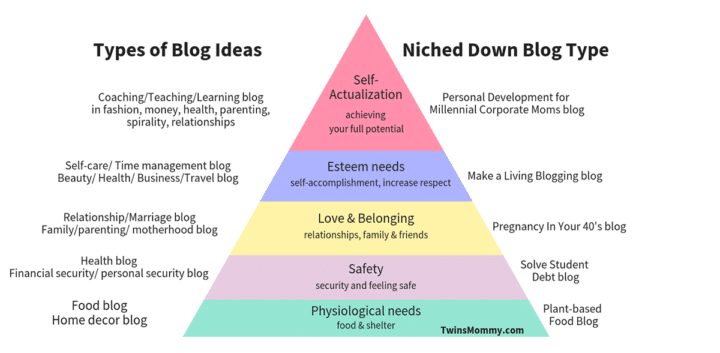
Strategic Blog Topic Selection: Balance your passion, expertise, and market demand.
1. Health, Wellness & Beauty: A Perennial Powerhouse Niche
The health and beauty sector represents more than just superficial tips—it’s a multi-billion dollar industry driven by the universal human desires for well-being, confidence, and self-improvement. What makes this niche endlessly viable is its constant evolution: new research, emerging trends, and shifting cultural standards ensure there’s always something new to discuss.
Expanded Content Ideas for Health & Beauty Blogs:
Routine Deep-Dives
“My 10-Step Korean Skincare Routine for Sensitive Skin” or “A Dermatologist’s Review of TikTok’s Viral Moisturizers.”
Nutrition & Lifestyle
“Anti-Inflammatory Meal Prep for Busy Professionals” or “How Gut Health Affects Your Skin: A Beginner’s Guide.”
Hair & Styling
Step-by-step tutorials for styles like beach waves hair, product comparisons for different hair types, or guides on starting a hair-focused business like hair salon business essentials.
| Content Type | Example Topic (Long-Tail Keyword) | Target Audience |
|---|---|---|
| Beginner’s Guide | “CBD Skincare for Acne-Prone Skin: What the Science Says in 2026” | Teens/Young adults struggling with acne |
| Product Comparison | “Vitamin C Serums Under $30: Which Actually Brighten Skin?” | Budget-conscious beauty enthusiasts |
| Personal Journey | “My 90-Day Gluten-Free Experiment & Its Impact on My Psoriasis” | People with autoimmune conditions |
| Expert Interview | “A Holistic Nutritionist Explains Food as Medicine for Hormone Balance” | Women over 35 |
2. Literature & Reviews: Building a Community of Enthusiasts
If you’re a passionate reader writing for fellow bibliophiles, your blog can become a trusted sanctuary in the noisy digital world. The key is moving beyond simple summaries to creating rich, engaging content that sparks conversation and community.
Expanded Content Ideas for Book & Media Blogs:
- Author Spotlight Series: Deep dives into an author’s complete bibliography, thematic evolution, and personal background.
- Read-Alongs & Book Clubs: Host virtual events with discussion questions, weekly chapter analyses, and guest moderators.
- Adaptation Analysis: Compare books to their film/TV adaptations. “What the ‘Dune’ Film Got Right (and Wrong) About the Book.”
- Niche Genre Exploration: Become the expert on a specific sub-genre like “Cozy Fantasy,” “Solarpunk,” or “Biographical Historical Fiction.”
Travel blogging has evolved from simple vacation albums to sophisticated destination expertise. The most successful travel blogs in 2026 don’t just show pretty pictures—they solve specific travel problems and cater to particular types of travelers.
Expanded Content Ideas for Travel Blogs:
- Destination “Ultimate Guides”: “The Digital Nomad’s 1-Month Guide to Lisbon: Coworking, Cafes & Community.”
- Cost Breakdowns: Transparent posts like “We Spent $2,150 in Japan for 2 Weeks—Here’s the Exact Budget.”
- Special Interest Travel: Focus on “Solo Female Travel in Southeast Asia,” “Accessible Travel in Europe,” or “Van Life with Kids.”
- Practical Problem-Solving: “How to Get from Bangkok Airport to the City Center at 2 AM” or “Navigating Italian Train Strikes: A Survival Guide.”
4. Product Analysis & Buyers’ Guides: The Trusted Advisor Role
In an era of overwhelming choice and influencer marketing fatigue, genuinely helpful buyers’ guides are more valuable than ever. Your blog can cut through the noise by providing meticulously researched, unbiased comparisons.
As noted, thorough research is non-negotiable. Study professional frameworks like how to write effective buyers’ guides. Your credibility depends on transparency about testing methodology, potential biases (like affiliate relationships), and clear evaluation criteria.
✅ Elements of a Best-in-Class Buyers’ Guide
5. Hobby & Passion Projects: From Enthusiast to Community Leader
What begins as sharing a personal passion can evolve into a thriving hub for a dedicated community. The key is moving from “here’s what I made” to “here’s how you can do it too, and here’s our community around it.”
Expanded Content Ideas for Hobby Blogs:
- Skill Progression Series: “Learn Watercolor in 30 Days: From Total Beginner to First Finished Painting.” Document your own learning publicly.
- Tool & Material Reviews: “Comparing the Top 5 Budget Gaming Keyboards for 2026” or “The Best Organic Potting Soil for Container Vegetables.”
- Project Tutorials with Templates: Provide downloadable patterns, cut lists, or source files. “Build This Mid-Century Modern Plant Stand (Free Plans Included).”
- Community Spotlights: Interview other hobbyists, showcase reader projects, or organize community challenges.
The Content Gap Strategy: Finding Underserved Topics
The most powerful blogging strategy isn’t just copying what’s popular—it’s identifying what’s missing. This “content gap” analysis involves examining what your target audience is searching for but not finding adequate answers to.
Identify top 5 blogs in your niche. List their 20 most popular posts. Note common themes and, crucially, what they’re NOT covering in depth.
Scour Reddit, niche forums, and Facebook groups. What questions do beginners repeatedly ask? What frustrations do experienced enthusiasts mention?
Use tools to find questions (keywords containing “how,” “why,” “best way to”). Look for “medium difficulty” keywords (30-70 difficulty score) with solid search volume.
Sustainable Content Systems: Never Run Out of Ideas Again
Implement these systems to transform topic generation from a sporadic struggle into a reliable process.
The Content Pillar Model
Choose 3-5 broad “Pillar” topics (e.g., for a gardening blog: “Soil Health,” “Beginner Vegetables,” “Small Space Gardening”). Create 1-2 cornerstone, comprehensive guides for each pillar. Then, create numerous smaller “Cluster” posts that link back to these pillars, building topical authority.
The “Question Bank”
Maintain a running document (use Google Docs or Notion) where you instantly jot down every question you hear, think of, or see online related to your niche. This becomes your most valuable idea repository.
Content Repurposing Engine
A single comprehensive blog post (like this one) can be repurposed into: a YouTube video script, 5-10 social media carousels, a newsletter series, a podcast episode, and Twitter/X threads. Maximize the value of each idea.
Launching Your Blog: The First 30-Day Action Plan
Overwhelmed by possibilities? Follow this focused launch plan to build momentum.
- Week 1: Foundation & First Pillar – Finalize your niche focus. Write and publish one definitive, comprehensive “Ultimate Guide” post on your most important pillar topic. This is your flagship content.
- Week 2: Audience & Value – Write 2-3 shorter, practical “how-to” or “problem-solving” posts that answer specific beginner questions. Begin promoting on 1-2 social platforms where your audience actually lives.
- Week 3: Engagement & Refinement – Write a “personal story” post related to your niche. Actively respond to every comment. Analyze which posts get traction and why.
- Week 4: System Building – Create a simple content calendar for the next month. Set up an email newsletter sign-up. Connect with 2-3 other bloggers in your niche for support.
Stop worrying about running out of ideas. Choose one core niche from this guide that aligns with both your knowledge and audience demand. Apply the Content Pillar Model to map out your first quarter of posts. Remember, consistency and depth beat sporadic brilliance every time. Start writing, and focus on becoming the most helpful resource for your specific audience.





I just upon on your website and read this article about (Exercise tips),you have done an amazing job and believe me that so helpful that shared it.