7 Curious Ways Lifestyle Apps Are Changing Our Lives
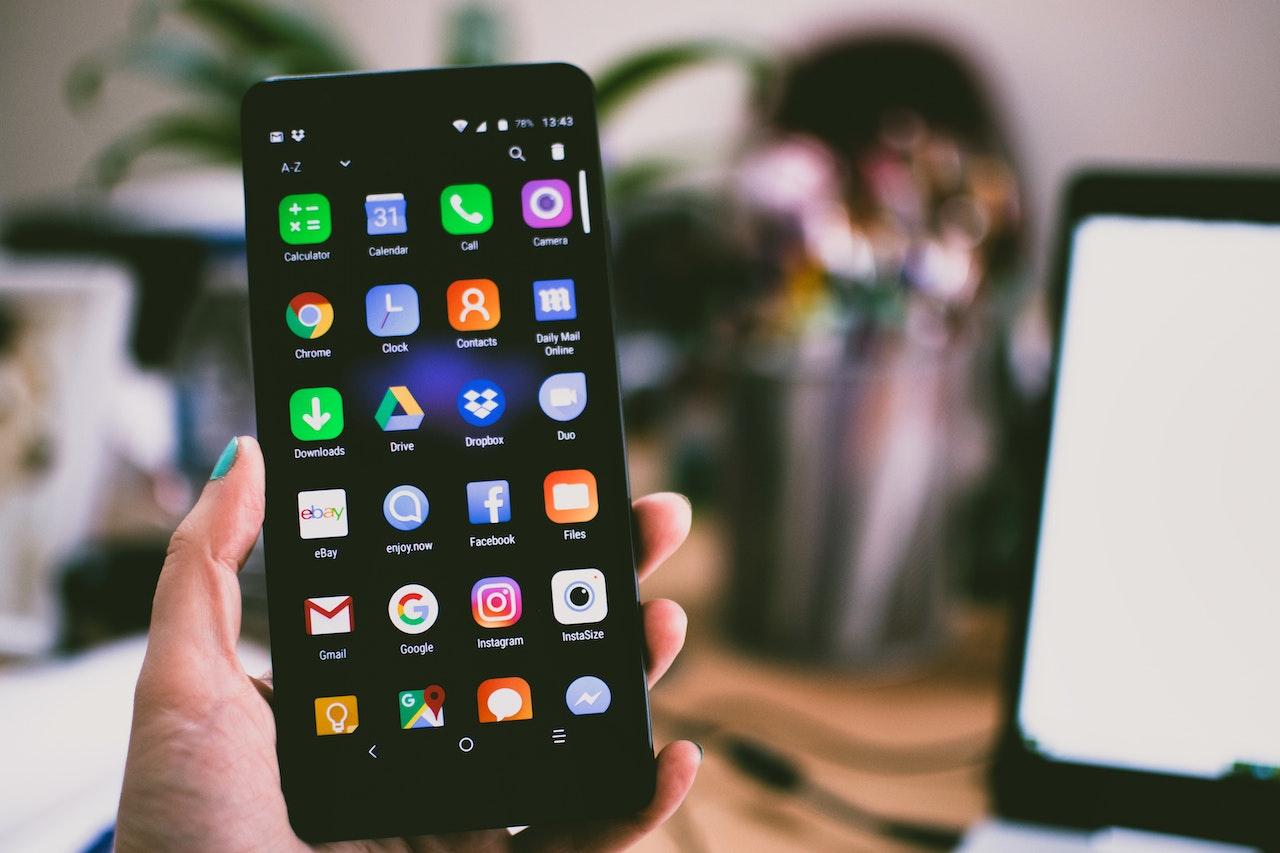
As technology evolves, smartphones quickly become integral aspects of our lives. We use them every day to communicate, navigate, and stay connected and informed. But it seems like mobile applications have impacted a number of different lifestyle aspects, many of which we seem to depend on each day. With that in mind, here are just some of the most curious ways lifestyle apps are currently changing our lives:
Shopping
When we consider the convenience of mobile applications, the ease of shopping often comes to mind. From furniture and clothing to our daily groceries, nearly everything can be bought online today. Most brands have their own mobile apps, and we also have the option of leveraging more varied retailers. Regardless of our location, all we have to do is simply add items to our cart and pay using our cards or mobile wallets. Then, we can track our orders, manage potential returns, and perform a number of different actions using those same mobile shopping platforms, thus drastically simplifying our day-to-day lives.
PRO TIP
Leverage price tracking and alert features. Many shopping apps like Amazon, Shop, and Honey offer price drop alerts. Add items to your wishlist and enable notifications—you’ll be notified when prices decrease, often saving 15-30% on items you were already planning to buy.
The rise of social commerce has further transformed how we shop. Platforms like Instagram and TikTok now integrate seamless shopping experiences, allowing users to purchase products directly from posts and videos. This fusion of social media and e-commerce has created a new paradigm where discovery and purchase happen in seconds. According to recent studies, nearly 40% of consumers have made a purchase through social media apps, demonstrating how deeply integrated shopping has become in our digital ecosystems.
Additionally, augmented reality (AR) features in shopping apps are bridging the gap between online and in-store experiences. IKEA’s app lets you visualize furniture in your home before buying, while Sephora’s virtual try-on technology helps you test makeup shades without stepping foot in a store. These innovations reduce return rates and increase customer satisfaction, fundamentally changing how we approach purchasing decisions.
Dining
In our busy modern lives, healthy eating isn’t always easy. Thankfully, we have a number of useful mobile applications that can simplify this process for us. If you want to cook at home, you can download one of the numerous recipe applications and get cooking, or even watch tutorials on social media websites. If you’d rather eat out, however, making reservations is easier than ever with mobile apps – the days of calling restaurants are long gone. Even if you prefer staying in, you can utilize convenient delivery apps to enjoy your favorite meals from the comfort of your home.
The dining app ecosystem has evolved far beyond simple takeout. Meal planning apps like Mealime and Yummly create personalized weekly menus based on your dietary preferences, generate shopping lists, and even integrate with grocery delivery services. This end-to-end solution removes the mental load of deciding “what’s for dinner” and streamlines the entire cooking process.
Recipe Apps
Tasty, Yummly, and Kitchen Stories offer video tutorials and step-by-step guides for home cooks of all skill levels.
Reservation Platforms
OpenTable, Resy, and Yelp eliminate phone calls with instant booking, waitlist management, and special occasion notes.
Delivery Services
Uber Eats, DoorDash, and Grubhub connect you with thousands of restaurants, with real-time tracking and contactless delivery.
Meal Kits
HelloFresh, Blue Apron, and Home Chef deliver pre-portioned ingredients with recipes, removing grocery store trips.
Restaurant discovery has also been revolutionized. Apps now show real-time wait times, popular dishes through user photos, and even AI-powered recommendations based on your past preferences. The social aspect of dining out—sharing food photos and reviews—has created a global community of food enthusiasts who influence where millions choose to eat.
Productivity

The right applications can help you streamline nearly all aspects of your life. Want to create a more effective itinerary and stay organized? Use a productivity app to stay on schedule and never miss an appointment again. With the right application, you could also check your emails, record voice memos, update your to-do lists, create presentations, sign documents, and much more. This can make both your personal and professional life easier to organize, helping to support smooth operations.
The modern productivity stack has become incredibly sophisticated. Project management tools like Asana, Trello, and Monday.com allow teams to collaborate seamlessly across time zones, with features like automated workflows, dependency tracking, and progress visualization. For individuals, apps like Notion and Obsidian have created new paradigms for personal knowledge management, enabling users to build interconnected systems for notes, tasks, and ideas.
PRODUCTIVITY PARADOX WARNING
More apps don’t always mean more productivity. Research shows that context switching between multiple tools can reduce focus by up to 40%. Instead of downloading every new productivity app, audit your workflow and choose 3-5 core tools that integrate well together. The goal is streamlined systems, not tool fatigue.
Time tracking apps have transformed how freelancers and remote workers bill clients and manage their schedules. Apps like Toggl and RescueTime provide detailed insights into where your time goes, often revealing surprising patterns about digital habits. This data-driven approach to time management helps users eliminate distractions and focus on high-value activities.
Document signing and management apps like DocuSign and Adobe Scan have eliminated the need for printers and physical paperwork. Contracts, agreements, and forms can be signed digitally from anywhere, with legally binding signatures that are accepted worldwide. This shift has accelerated business transactions and made remote work truly viable for countless industries.
Dating
Even the world of dating hasn’t escaped technological transformations. With specialized dating apps, individuals can easily find potential partners with just a couple of swipes. Communication can easily be done online and it’s much simpler to choose suitable dates before meeting them for the first time. Nowadays, there’s a dating app for every individual, whether it’s based on sexual preferences or religious beliefs. A unique option such as a great sugar dating app can also enable adults to try something different. Regardless of our preferences, dating applications give everyone the opportunity to find and build the relationships they want.
The evolution of dating apps has created entirely new social dynamics. Algorithms now analyze user behavior, preferences, and interaction patterns to suggest compatible matches with increasing accuracy. Video call features built into apps like Bumble and Hinge allow potential partners to connect virtually before meeting in person, adding a layer of safety and comfort to the dating process.
| App Type | Examples | Unique Feature |
|---|---|---|
| Mainstream | Tinder, Bumble, Hinge | Large user bases, swiping mechanics |
| Niche Interests | FarmersOnly, JDate, Christian Mingle | Community-specific matching |
| Values-Based | eHarmony, OkCupid | In-depth personality questionnaires |
| Alternative | Feeld, #Open | Non-traditional relationship exploration |
Safety features have become increasingly sophisticated. Background check integrations, photo verification systems, and AI-powered message screening help protect users from scams and inappropriate behavior. Location sharing with trusted contacts during dates and emergency buttons within apps provide additional peace of mind.
The psychological impact of dating apps is significant—they’ve normalized meeting partners online to the point where it’s now the most common way couples meet. This shift has changed social norms around courtship, communication, and relationship formation for an entire generation.
Finances
Whether you’d like to create an effective budget for your family or achieve a financial goal such as saving for a large purchase, mobile applications can help you do that as well. There are a number of great apps that will allow you to perform necessary money management tasks such as tracking your spending, sending money transfers, filing your taxes, managing your investments, checking your credit report, etc. Nearly every action can be performed with the simple click of a button, so incorporate these financial apps into your lifestyle if you want to improve your finances, too.
PRO TIP
Automate your savings with micro-investing apps. Tools like Acorns round up your purchases to the nearest dollar and invest the spare change. Over a year, these tiny amounts can add up to significant savings without you ever noticing the difference in your daily spending. Set it and forget it.
The democratization of investing through apps like Robinhood, Webull, and Public has transformed who participates in financial markets. Commission-free trading and fractional shares mean anyone can invest with as little as $1, opening opportunities previously reserved for the wealthy. This accessibility has created a new generation of retail investors who actively manage their portfolios from smartphones.
Budgeting apps have evolved from simple expense trackers to comprehensive financial wellness platforms. Mint, YNAB (You Need A Budget), and PocketGuard connect to your bank accounts, categorize spending automatically, and provide insights about your financial habits. Machine learning algorithms identify patterns and suggest personalized ways to save, often uncovering surprising opportunities.
Peer-to-peer payment apps like Venmo, Cash App, and Zelle have virtually eliminated the need for cash or checks in social situations. Splitting dinner bills, paying rent to roommates, or reimbursing friends for gifts happens instantly with just a few taps. This convenience has changed social norms around money—it’s now expected that repayment happens immediately rather than “I’ll get you next time.”
Cryptocurrency and decentralized finance (DeFi) apps represent the cutting edge of financial technology. Users can buy, sell, and trade digital assets, earn interest through staking, and even take out loans without traditional banks. While volatile, these platforms offer unprecedented financial autonomy and are reshaping how some people think about money and value.
Travel
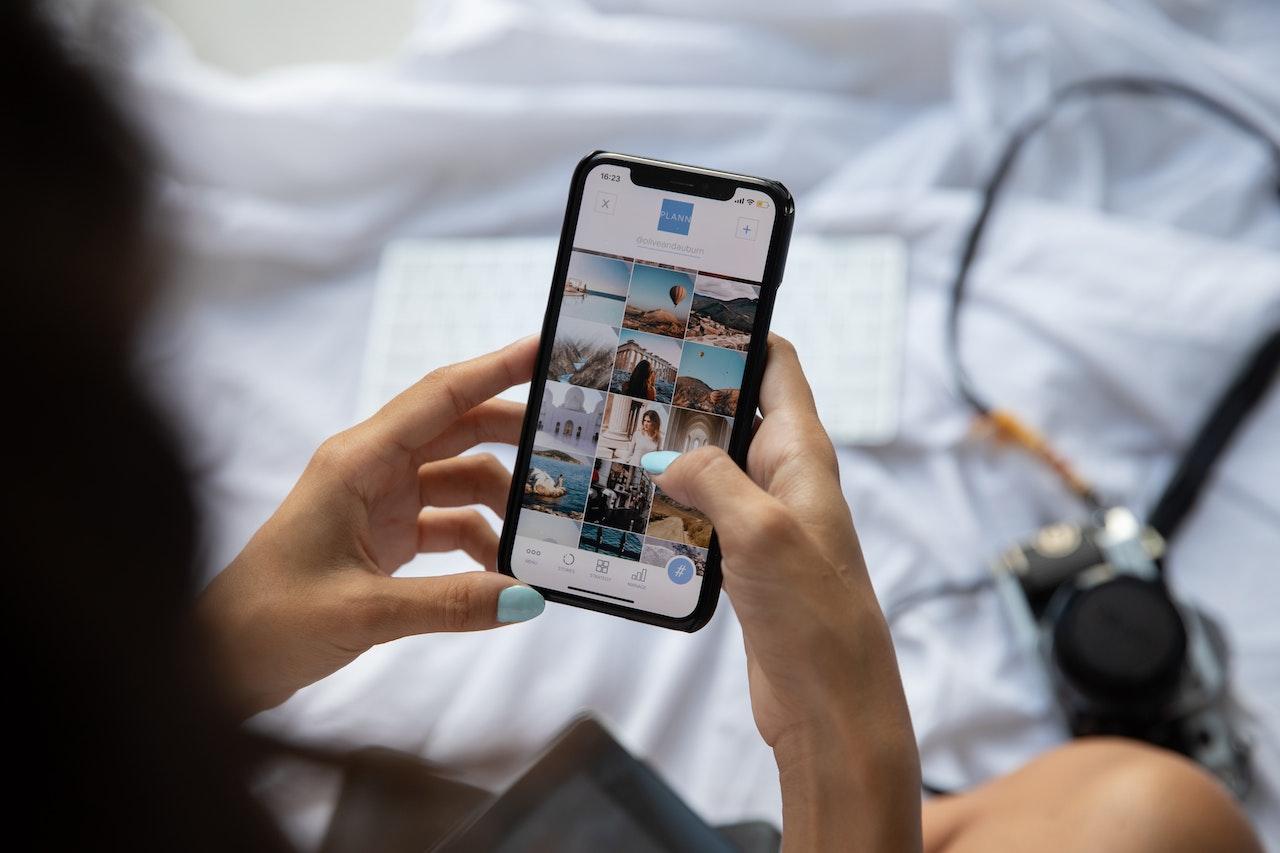
While travel agents still perform important roles, we no longer have to use their services when planning exciting vacations. Now, we can book entire trips using specialized travel applications on our smartphones. Review apps make it easy to search for the best restaurants and attractions, while accommodation apps aim to simplify the process of finding a suitable stay. Even when it comes to deciding on a good destination, social media and search engine apps can be used for doing research and making an informed choice. When the time comes to travel, tickets downloaded into mobile wallets will make the whole process paperless as well.
The travel app ecosystem has become remarkably comprehensive. Flight aggregators like Skyscanner and Google Flights compare prices across hundreds of airlines, alerting you when fares drop. Accommodation platforms from Airbnb to Booking.com offer everything from shared rooms to luxury villas, with verified reviews and instant booking confirmation. Trip planning apps like TripIt consolidate all your reservations into single itineraries, accessible even offline.
Flight Trackers
FlightAware, FlightRadar24 provide real-time gate changes, delays, and even aircraft tracking.
Accommodation
Hotels.com, Agoda, Vrbo offer loyalty programs and price matching guarantees.
Google Maps, Citymapper provide public transit directions and offline maps for international travel.
Translation
Google Translate, iTranslate offer camera translation for menus and signs in real-time.
Language barriers have been significantly reduced by translation apps that can interpret text from photos, translate conversations in real-time, and even read menus aloud. This technology has made international travel more accessible to millions who might have been intimidated by language differences.
Local experience apps like Airbnb Experiences and Viator connect travelers with unique activities hosted by locals—cooking classes, photography tours, artisan workshops—that go far beyond typical tourist attractions. This shift toward experiential travel has changed what people seek when visiting new places, prioritizing authentic connections over sightseeing checklists.
DIGITAL NOMAD WARNING
Beware of “dynamic pricing” when booking. Travel apps often track your search history and may increase prices if they detect repeated searches for the same flight or hotel. Use incognito mode when comparing prices, clear your cookies, or use dedicated price comparison tools that anonymize your searches.
Sustainable travel apps are emerging to help eco-conscious travelers make responsible choices. Apps like Goodwings and Kind Traveler highlight hotels and activities with strong environmental credentials, while carbon footprint calculators help users offset the impact of their flights.
Entertainment
Another lifestyle aspect that’s completely transformed with mobile apps is entertainment. Wherever we want to watch our favorite movies and TV shows, we turn to video streaming services rather than traditional TV channels. These platforms have everything we might want to watch, with nearly all major networks now providing their own on-demand services as well. The same goes for music. Rather than buying songs and albums as we used to do in the past, we now turn to music streaming platforms whenever we want to listen to some catchy tunes. With extensive libraries and easy access, they represent a much more convenient solution. From helping us stay productive to streamlining the process of shopping and travel, mobile apps are changing our lives in endless curious ways. Evidently, they are essential lifestyle aspects we can hardly imagine our lives without.
The streaming revolution has fundamentally altered how media is produced and consumed. Netflix, Disney+, and HBO Max invest billions in original content, competing for subscribers with high-quality series and films that might never have been greenlit by traditional studios. Binge-watching has become a cultural phenomenon, with entire seasons released at once to satisfy viewer demand for immediate gratification.
PRO TIP
Create shared watchlists with friends and family. Apps like Teleparty (formerly Netflix Party) and Scener let you synchronize streaming and chat while watching together remotely. This turns solo viewing into a social experience and helps maintain connections with loved ones who live far away.
Music streaming has made personal soundtracks to our lives universally accessible. Spotify, Apple Music, and Tidal use sophisticated algorithms to create personalized playlists that introduce listeners to new artists based on their listening history. The death of the album as the primary unit of music consumption has given rise to playlist culture, where individual songs gain massive popularity independent of their original collections.
Gaming apps have evolved from simple time-killers to complex, socially immersive experiences. Games like Genshin Impact, PUBG Mobile, and Among Us offer console-quality graphics and multiplayer interactions that keep players engaged for hours. Mobile gaming now generates more revenue than console and PC gaming combined, demonstrating the massive shift in how people play.
Short-form video apps like TikTok and Instagram Reels have created entirely new entertainment formats and career paths. These platforms’ algorithmic feeds serve endless streams of content tailored to individual preferences, often leading to hours of engagement. The “creator economy” has emerged from this ecosystem, with individuals building businesses around their content without traditional media gatekeepers.
Podcast apps have revived long-form audio content for the mobile age. Commutes, workouts, and household chores become opportunities for learning and entertainment as millions tune into shows about every conceivable topic. The intimacy of audio creates strong connections between hosts and listeners, fostering communities around shared interests.
The Broader Implications of Lifestyle Apps
Beyond individual categories, lifestyle apps collectively represent a fundamental shift in human behavior. We’ve moved from scheduled, appointment-based consumption (watching a show when it airs, calling a restaurant during business hours) to on-demand, personalized experiences available 24/7. This has raised expectations across all areas of life—we now expect instant access, personalization, and seamless experiences as the default, not the exception.
DIGITAL WELLNESS CHECKLIST
- 📱 App Audit: Delete apps you haven’t used in 3 months
- ⏰ Screen Time Limits: Use built-in iOS/Android tools to set boundaries
- 🔔 Notification Review: Disable all non-essential push notifications
- 🌙 Night Mode: Enable blue light filters 2 hours before bed
- 📵 Tech-Free Zones: Designate meals and bedrooms as device-free areas
Data privacy has emerged as a critical consideration as lifestyle apps collect unprecedented amounts of personal information. Location history, shopping habits, financial data, relationship preferences—these intimate details are valuable to advertisers but also create potential vulnerabilities. Understanding app permissions and regularly reviewing privacy settings has become an essential digital skill.
The environmental impact of app-driven lifestyles is complex. While digital services reduce physical waste (paper tickets, printed directions, physical media), they increase energy consumption through data centers and device manufacturing. Sustainable app design and conscious consumption patterns are emerging as important considerations for environmentally aware users.
Your Lifestyle App Optimization Checklist:
- ✅ Review app permissions monthly—revoke access for anything suspicious
- ✅ Organize apps into folders by category for easier navigation
- ✅ Enable two-factor authentication on financial and shopping apps
- ✅ Set app-specific passwords where available for added security
- ✅ Schedule quarterly “app audits” to remove unused tools
Lifestyle apps have transformed how we shop, eat, work, date, manage money, travel, and entertain ourselves. By using them mindfully and strategically, we can harness their benefits while minimizing potential downsides. The key is intentionality—choosing apps that genuinely improve our lives rather than simply filling time.
As artificial intelligence continues to advance, lifestyle apps will become even more predictive and personalized. Imagine shopping apps that auto-order groceries before you realize you’re out, travel apps that book flights the moment prices drop below your threshold, and entertainment apps that create custom content based on your mood. The future of lifestyle apps is limited only by imagination and our willingness to embrace new ways of living.