The Complete Guide to Starting a Profitable Online Business in 2026
Starting an online business in 2026 represents one of the most accessible paths to financial independence, creative freedom, and professional fulfillment. With global e-commerce continuing to expand and digital tools becoming more powerful yet user-friendly, the barriers to entry have never been lower while the potential rewards remain significant. This comprehensive guide merges timeless entrepreneurial principles with forward-looking strategies for the current digital landscape, providing you with a complete blueprint to transform your idea into a sustainable, profitable venture.
Why Start an Online Business Now? The 2026 Advantage
The digital economy has matured beyond the early “wild west” phase, creating a stable yet dynamic environment for new entrepreneurs. Several key factors make 2026 an ideal time to launch:
- Consumer Comfort with Digital Commerce: Online shopping, digital services, and remote consultations are now standard behavior for most demographics.
- Mature and Affordable Tools: Professional-grade website builders, marketing automation, and AI-powered assistants are available at low cost, eliminating previous technical barriers.
- Diverse Monetization Models: Beyond traditional e-commerce, creators and entrepreneurs can build income through memberships, digital products, affiliate marketing, and hybrid models.
- The Global Talent Marketplace: You can easily partner with skilled professionals worldwide for specific tasks without needing full-time employees.
Phase 1: Strategic Foundation – Concept, Validation & Structure
Step 1: Discover and Validate Your Business Idea
The first step to starting an online business is to identify a viable idea you can execute effectively. This requires balancing your personal strengths with genuine market demand.
Idea Generation Framework:
- Skills & Knowledge Audit: List your professional skills, hobbies, and areas where others regularly seek your advice. These are your foundation.
- Passion & Interest Alignment: Sustainable businesses require persistence. Choose a domain that genuinely interests you for the long term.
- Problem Identification: What specific frustrations do people face in your areas of interest? The best businesses provide clear solutions.
- Profitability Check: Research if people are currently spending money to solve this problem. Check for existing competitors, products, and services.
Step 2: Analyze Your Competition and Find Your Edge
Thorough competitor analysis is not about copying; it’s about understanding the landscape and identifying opportunities to differentiate.
Competitor Research Checklist:
- Identify 5-7 direct and indirect competitors in your niche.
- Analyze their website content, product offerings, pricing models, and brand voice.
- Read customer reviews to understand what their audience loves and what frustrates them (this reveals unmet needs).
- Study their content marketing and social media presence. What platforms are they active on? What content gets the most engagement?
Questions to Reveal Your Competitive Advantage:
- Can I serve a specific subgroup (niche within a niche) better than anyone else?
- Can I offer a unique perspective, format, or customer experience?
- Can I bundle products or services in a novel way?
- Can I leverage a new technology or platform they have overlooked?
Step 3: Choose the Right Legal and Business Structure
Protecting your personal assets and establishing a professional foundation is crucial from the start. The business structure you choose will dictate your legal and tax obligations.
| Structure | Best For | Key Advantages | Key Disadvantages |
|---|---|---|---|
| Sole Proprietorship | Absolute beginners testing an idea with minimal risk. | Simplest to set up, complete control, pass-through taxation. | Unlimited personal liability, harder to raise funding. |
| Limited Liability Company (LLC) | Most online businesses aiming for growth and asset protection. | Personal liability protection, flexible taxation, credible structure. | More complex setup than sole proprietorship, state filing fees. |
| S Corporation | Established businesses with significant profit seeking tax advantages. | Pass-through taxation with potential self-employment tax savings. | Strict operational formalities, shareholder restrictions. |
For the vast majority of online entrepreneurs, forming an LLC (Limited Liability Company) offers the perfect balance of protection, flexibility, and professionalism. It separates your personal assets (home, car, savings) from your business liabilities.
Phase 2: Digital Presence – Building Your Website and Brand
Step 4: Secure Your Business Name and Digital Assets
In the digital world, your business name is inextricably linked to your domain and social handles. Conduct these checks simultaneously:
- Trademark Search: Use the USPTO’s TESS database to ensure your chosen name isn’t protected in your industry.
- Domain Name: Secure a .com domain whenever possible. It’s the most trusted and memorable extension. Use your hosting provider (like SiteGround) for easy registration.
- Social Media Handles: Secure consistent usernames across key platforms (Instagram, TikTok, Facebook, LinkedIn) to build a unified brand.
Step 5: Build Your Professional Website (Your Digital Headquarters)
Your website is your 24/7 storefront, portfolio, and primary sales channel. Don’t cut corners here.
The Technical Setup Process (Detailed):
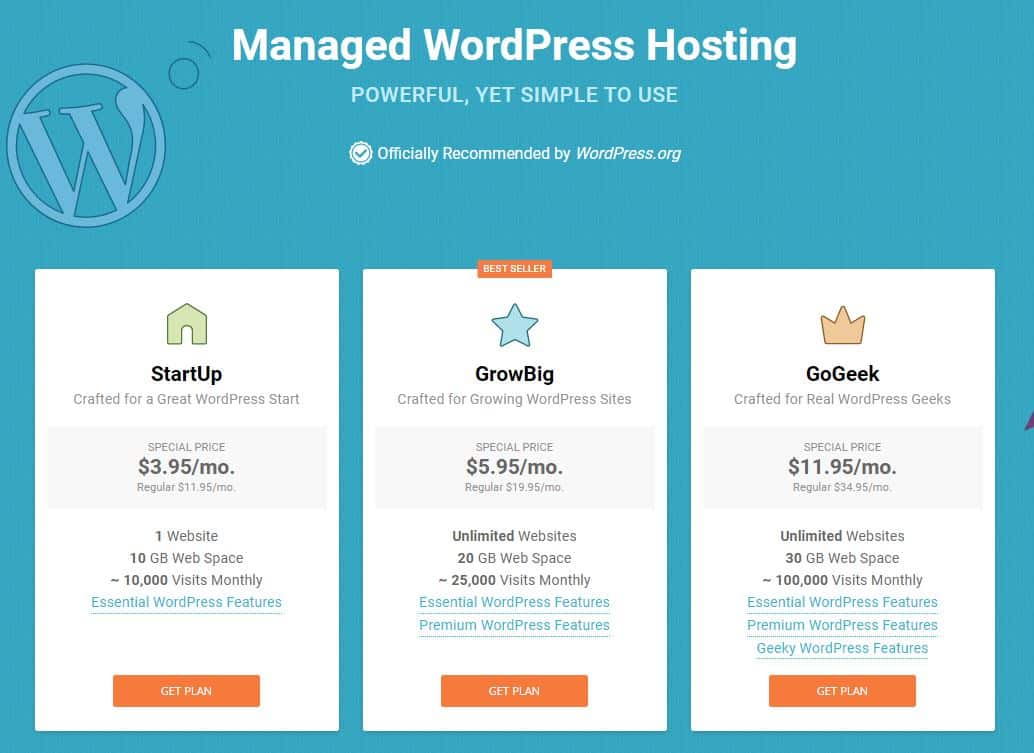
- Choose Reliable Hosting: As highlighted in the original guide, a provider like SiteGround is an excellent choice for its speed, security, and WordPress optimization. The GrowBig plan is ideal for those planning to host multiple sites or expecting growth.
- Register Your Domain: You can do this directly through your hosting provider during signup for seamless management.
- Install WordPress: The world’s leading Content Management System (CMS). SiteGround offers a one-click installer.
- Select and Customize a Theme: Choose a professional, mobile-responsive theme. Customize it with your brand colors and logo. Free tools like Canva are perfect for creating initial graphics and logos.
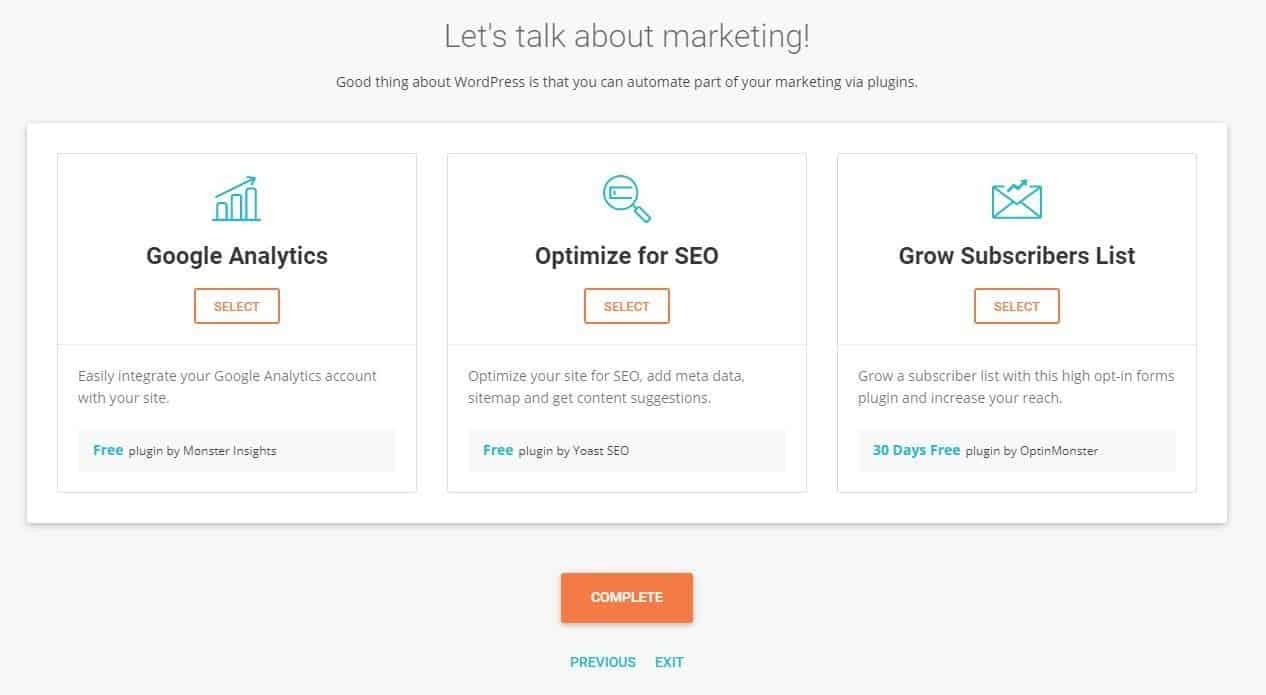
- Install Essential Plugins:
Critical Website Pages Every Business Needs:
- Homepage: Clear value proposition and navigation.
- About Page: Your story, mission, and why you’re qualified.
- Products/Services Page: Detailed offerings with benefits.
- Contact Page: Multiple contact methods (form, email, social links).
- Legal Pages: Privacy Policy, Terms of Service, and any necessary Disclaimers.
Step 6: Develop Your Brand Identity
Your brand is more than a logo; it’s the total experience people have with your business.
- Visual Consistency: Use the same color palette, fonts, and graphic style across your website, social media, and marketing materials.
- Brand Voice: Define how you communicate. Are you professional and authoritative? Friendly and conversational? This tone should be consistent in all your writing.
- Professional Imagery: Invest in quality photos of yourself (for personal brands) or your products. Use high-quality, royalty-free stock photos from sites like Unsplash or IvoryMix for other visuals.
Phase 3: Launch Strategy – Marketing, Sales, and Operations
Step 7: Implement Pre-Launch Marketing
Start building an audience before your official launch.
- Create “Coming Soon” Content: Use social media to tease your business idea, share your journey, and build curiosity.
- Build an Email List: Set up an email marketing service (like ConvertKit or Mailchimp) and offer a valuable lead magnet (e.g., a free guide, checklist, or mini-course) in exchange for email addresses.
- Network with Influencers: Connect with established voices in your niche. Offer them early access or a collaboration opportunity.
Step 8: Master Essential Marketing Channels
A multi-channel approach increases your reach and resilience.
| Channel | Primary Goal | 2026 Strategy Focus |
|---|---|---|
| Content Marketing & SEO | Attract organic traffic, build authority. | Create “topical clusters” of content, target question-based keywords (“how to,” “best for”), optimize for featured snippets and voice search. |
| Social Media | Build community, drive engagement. | Choose 1-2 platforms where your audience lives. Focus on authentic short-form video (Reels, TikTok), stories, and genuine interaction over broadcast posting. |
| Email Marketing | Nurture leads, drive repeat sales. | Segment your list based on interests and behavior. Automate welcome sequences and educational nurture campaigns. |
Step 9: Set Up Your Financial and Operational Systems
Professional backend systems save time, prevent errors, and ensure scalability.
- Business Banking: Open a dedicated business checking account. Never mix personal and business finances.
- Payment Processing: Set up a business account with PayPal, Stripe, or Square to accept online payments.
- Accounting Software: Use a tool like QuickBooks Online or FreshBooks from day one. Track every expense and invoice. Implement accounting best practices like three-way matching for purchases to prevent errors and fraud.
- Contract Templates: Have standard contracts for clients, freelancers, and partnerships. Resources like Hello Bonsai or legal template sites can provide a starting point.
Phase 4: Growth and Scaling – From First Sale to Sustainable Business
Step 10: Launch, Analyze, and Iterate
Your launch is the beginning, not the end.
- The Official Launch: Announce via your email list and social channels. Consider a launch promotion for initial momentum.
- Gather Data: Use Google Analytics 4 (GA4) and Google Search Console religiously. Track where traffic comes from, what pages convert, and user behavior.
- Seek Feedback: Actively ask early customers for testimonials and constructive criticism.
- Refine Your Offer: Use the data and feedback to improve your product, website, and marketing messages. The cycle of create-measure-learn is continuous.
Step 11: Scale Your Business Intelligently
Scaling is about working smarter, not just harder.
- Automate and Delegate: Identify repetitive tasks (social media scheduling, email responses, basic bookkeeping) and use tools or hire a virtual assistant to handle them.
- Expand Your Product Line: Once your core offer is successful, consider complementary digital products, higher-tier service packages, or a membership community.
- Double Down on What Works: Analyze your data to see which marketing channel brings your best customers. Allocate more time and budget there.
- Build Partnerships: Collaborate with non-competing businesses that share your target audience for cross-promotions, bundles, or joint webinars.
Step 12: Commit to Continuous Learning and Adaptation
The digital world evolves rapidly. Stay ahead by:
- Following key industry blogs and podcasts.
- Investing in courses to upgrade specific skills (like the Financial Freedom Through Blogging course mentioned for advanced content strategy).
- Networking with other online business owners to share insights and challenges.
- Staying informed about new platforms, algorithm changes, and consumer trends.
Conclusion: Your Path to Online Business Success Starts Today
Starting an online business is a journey of empowered creation. By following this structured path—from validating a solid idea and establishing a legal foundation, to building a professional digital presence and executing a smart marketing launch—you dramatically increase your odds of success. Remember, the perfect time to start doesn’t exist; the best strategy is to begin, learn from action, and iterate consistently. Your unique skills and perspective have value in the digital marketplace. Use this guide as your roadmap, take the first step today, and begin building the online business that can provide freedom, income, and impact for years to come.
Ready for the next step? Dive deeper into specialized topics with our guides on setting up your WordPress site, mastering SEO for sustainable traffic, and exploring advanced marketing partnerships.