Key Takeaways for 2026:
- “Cleanfluence” is the new standard: 94% of consumers are more likely to trust a brand that is transparent about ingredients and sourcing . Influencers are now pressured to verify scientific claims, not just share personal anecdotes.
- TikTok is the primary discovery engine: The platform has overtaken Google for Gen Z when searching for product recommendations, with “TikTok Made Me Buy It” becoming the most powerful social proof .
- Micro-influencers drive 60% higher engagement than mega-celebrities in the natural product space, as their audiences perceive them as more authentic and relatable .
- Science-backed ingredients win: Influencers are moving beyond basic hype to highlight specific active compounds (like methylglyoxal in Manuka honey or polyphenols in green tea) to satisfy increasingly educated consumers .
- Sustainability is non-negotiable: 73% of Gen Z are willing to pay more for sustainable products, forcing influencers to scrutinize the environmental impact and ethical sourcing of the items they promote .
🚀 TL;DR: The 2026 Influencer Natural Products Landscape
Influencer marketing for natural products has matured from simple endorsements to a complex ecosystem demanding authenticity, scientific literacy, and ethical responsibility. Today’s successful promotions hinge on:
• Radical transparency: Full disclosure of ingredients, sourcing, and potential side effects .
• Platform-native content: Educational TikToks, honest “Get Ready With Me” (GRWM) routines, and deep-dive YouTube reviews .
• Community co-creation: Followers are now collaborators who influence product development and call out greenwashing .
The 7 products below remain staples, but the way influencers discuss them in 2026 reflects a far more sophisticated and skeptical audience.
It seems like everywhere you turn, social media influencers are hyping products. From skincare supplements to beauty tools and even homemade wellness remedies, these influential figures have adopted a range of items they swear by. But how do we separate genuine value from clever marketing in 2026? With “TikTok Made Me Buy It” searches up 50% year-over-year and consumers demanding more transparency than ever , knowing what natural products actually work requires a discerning eye. In this updated blog post, we’ll explore 7 unique natural items promoted by top influencers, break down the science behind the hype, and see what all the fuss is really about. We’ll discuss the benefits each product promises, why they’ve become integral to daily routines, and what you should consider before adding them to your own cart. Let’s get started!
1. Coconut Oil
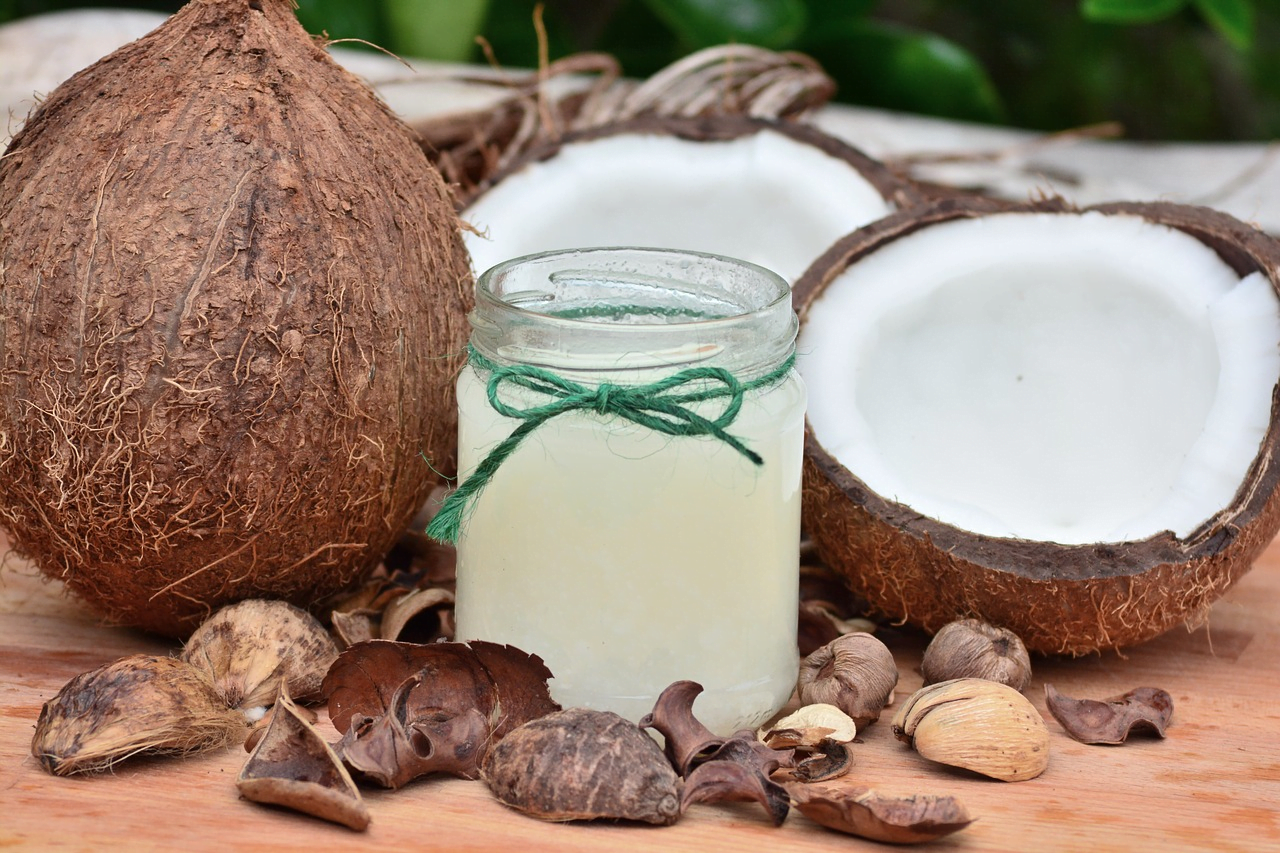
Coconut oil has been a staple in the natural living space for years, and its popularity among social media influencers remains strong in 2026. This versatile oil is celebrated for its myriad uses: in cooking, as a deep skin moisturizer, a gentle make-up remover, and an intensive hair mask. Its unique composition, including lauric, capric, and caprylic acids, makes it easily absorbable and a beneficial ingredient in many DIY and commercial cosmetic products.
What the 2026 Influencers Are Saying: Today’s influencers aren’t just showing themselves slathering it on; they’re creating educational content. You’ll find TikToks explaining the difference between refined and unrefined coconut oil, with many favoring organic, cold-pressed, and fair-trade versions. They caution that while it works wonders for many, it can be comedogenic for some skin types, a level of nuance that builds trust .
https://pixabay.com/photos/food-coconut-fruit-healthy-3062139/
2. Aloe Vera
Aloe vera continues to be a powerhouse in the natural product space, and social media influencers are still buzzing about it. Native to Africa, this succulent plant has been used for centuries for its remarkable properties. Its gel is packed with vitamins, minerals, amino acids, and polysaccharides that benefit the skin, offering soothing and cooling effects. It’s no wonder Aloe vera remains a popular ingredient in skincare products.
What the 2026 Influencers Are Saying: The conversation has shifted from generic “soothing” claims to specific applications. Influencers now demonstrate using fresh aloe directly from the plant (a popular #PlantParent trend) versus store-bought gels, educating followers on preservatives and additives. They highlight its role in calming post-procedure skin, soothing sunburns, and even as a natural hair styler. Its reputation as a safe, natural option makes it a favorite for influencers to recommend to their followers, especially those with sensitive skin.
3. Green Borneo Kratom
Green Borneo Kratom is a natural product that has seen a complex journey in the influencer space. This particular type of Kratom, native to the island of Borneo, is derived from the leaves of the Mitragyna speciosa tree and is known for its distinct green vein color and reported unique effects.
What the 2026 Influencers Are Saying: Promotion of Kratom is now handled with significantly more care and responsibility. Following increased scrutiny from platforms and regulators, influencers who discuss products like Green Borneo Kratom emphasize harm reduction and education above all else. They avoid making any medical claims and focus on sharing resources for safe usage. Discussions often revolve around proper research, sourcing from vendors who provide lab-tested products, and the absolute necessity of consulting a healthcare professional before considering green borneo kratom dosage or use. The narrative has moved from promotion to education.
4. Apple Cider Vinegar
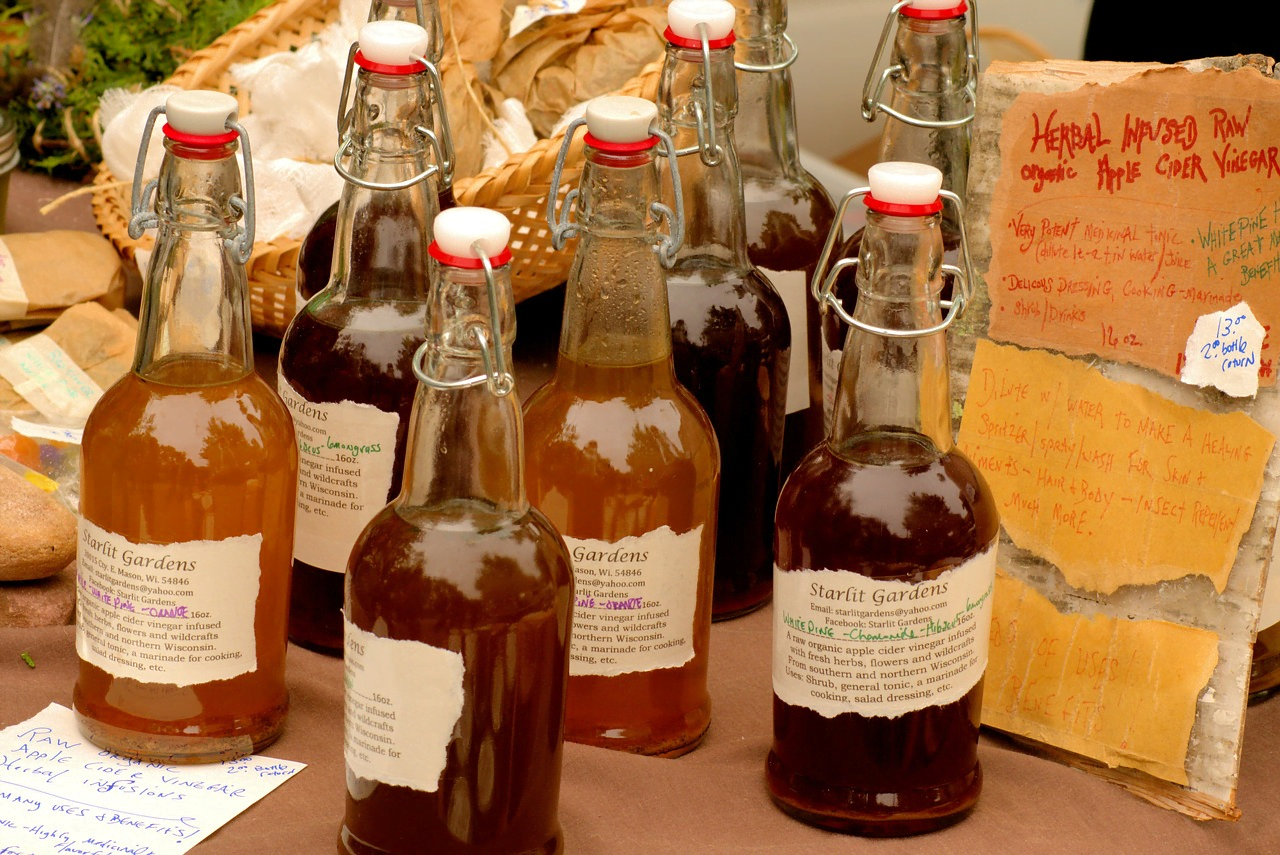
Apple cider vinegar (ACV) remains a beloved staple in the natural wellness community, quickly gaining and maintaining popularity among influencers and health-conscious individuals. Made from fermented apple juice, it’s renowned for its sharp taste and incredible adaptability. People use it in salad dressings, marinades, detox drinks, and even as a natural cleaning agent.
What the 2026 Influencers Are Saying: While many praise its advantages, today’s top influencers are meticulous about emphasizing the “how-to.” They create content specifically about proper dilution (to protect tooth enamel and the esophagus), the importance of choosing raw, unfiltered ACV with “the mother,” and the fact that while many anecdotally support its benefits, they remind followers that many assertions haven’t been robustly scientifically proven. This balanced, honest approach builds credibility. As noted by Consumer Reports, understanding the limitations of natural remedies is key to using them safely.
5. Manuka Honey
Manuka honey has steadily cemented its status as a superfood in the natural product world. This unique honey is produced from the nectar of the manuka tree (Leptospermum scoparium), which grows mainly in New Zealand. Unlike other types of honey, Manuka honey is renowned for its distinctive, earthy, and slightly bitter taste and its potent properties, attributed to its high concentration of unique compounds like methylglyoxal (MGO).
What the 2026 Influencers Are Saying: Influencer content around Manuka honey has become highly educational. The focus is on teaching followers how to read the labels—demystifying UMF (Unique Manuka Factor) and MGO ratings to explain potency and quality. They discuss its use not just as a natural soother for sore throats and skin blemishes, but also incorporate it into high-end, natural skincare routines, often partnering with New Zealand-based brands that prioritize sustainable beekeeping practices, a key concern for today’s eco-conscious audience.
6. Rosehip Oil
Rosehip oil continues to be a must-have natural product, frequently making appearances in influencer skincare routines. Derived from the fruit (hips) of the rose plant, it is rich in vitamins (notably A and C) and essential fatty acids that are widely recognized for their skin benefits.
What the 2026 Influencers Are Saying: The conversation around rosehip oil has matured. Influencers now discuss it in the context of “skin cycling” or “barrier repair” routines, explaining how its non-greasy texture makes it suitable for oily or combination skin types. They compare it to other facial oils, helping followers understand where it fits best (e.g., as a night oil for its regenerative properties). With its increasing popularity, influencers stress the importance of finding a reputable, cold-pressed source to ensure the oil retains its beneficial properties.
🔥 PRO TIP: How to Vet Influencer Product Claims in 2026
Before you buy, do a quick audit:
- Check for “Cleanfluence” credentials: Does the influencer discuss ingredients and sourcing transparently, or just show the product’s pretty packaging? .
- Look beyond the highlight reel: Does the influencer show the product’s limitations or mention who it might NOT work for? This is a strong trust signal.
- Search for the product on TikTok: See what the broader community is saying. Authentic reviews from micro-influencers often provide the most balanced perspective .
- Visit the brand’s own website: Look for third-party testing, clinical studies, and clear ingredient lists. A brand confident in its product will be transparent.
7. Green Tea Extract
Green tea extract has solidified its place in the natural product scene, and social media influencers are no strangers to promoting its benefits. The extract comes from the leaves of the Camellia sinensis plant, originally from East Asia, and is packed with powerful compounds like catechins (especially EGCG) and polyphenols.
What the 2026 Influencers Are Saying: Influencers now discuss green tea extract with a focus on its high antioxidant content, often explaining its potential role in supporting overall wellness. They feature it in videos about “skin longevity” and incorporate it into content about “holistic wellness routines.” While its popularity among social media influencers highlights the growing interest in natural health, responsible creators emphasize that it is a supplement and that further research is always necessary to fully understand its impact. They encourage followers to do their own research and consult professionals, aligning with the 2026 demand for evidence-informed wellness.
As consumers become increasingly sophisticated and concerned with ingredients, it’s no surprise that social media influencers are turning to and thoroughly vetting natural alternatives. From skincare to wellness, influencers are spreading the word about products with simple, understandable ingredients. This trend towards more natural options strongly aligns with the cultural emphasis on sustainability and eco-consciousness, with Gen Z leading the charge for ethical consumption . In addition, natural products often appeal to those with sensitive skin or allergies, as they tend to be gentler. But in 2026, it’s more than just ingredients. By promoting natural products, influencers are advocating for a holistic lifestyle that values transparency, environmental responsibility, and personal well-being. They’re not just selling a product; they’re selling a philosophy of mindful consumption, and their followers are holding them accountable for it.
https://pixabay.com/photos/apple-cider-vinegar-food-harvest-3506650/
- Dos and Don’ts of Social Media Marketing – Master the essential etiquette and strategies to build a trustworthy brand presence, just like the top influencers.
- How to Turn Social Media Fans into Customers – Learn the proven techniques to convert engaged followers into loyal buyers, leveraging the power of social proof.
- Social Media Platforms for Your Business – Discover which platforms are best for promoting different types of products and connecting with your specific target audience.
FAQ: Natural Products & Influencer Marketing in 2026
A: Look beyond the #ad hashtag. Authentic influencers will discuss a product’s pros AND cons, show it in their routine over time (not just once), and answer critical questions from followers honestly. Deep dives and tutorials are often more trustworthy than a single, polished post .
A: It’s a spectrum. Ingredients like green tea extract (for antioxidants) and aloe vera (for soothing) have robust scientific support for certain uses. Others, like the specific benefits of raw apple cider vinegar for internal health, rely more on anecdotal evidence. Trust influencers who cite studies and differentiate between evidence and belief .
A: It’s an even more powerful force, but consumers are savvier. A viral video might spark initial interest, but buyers now immediately search for “dupes,” “honest reviews,” and “ingredient deep dives” from other creators before purchasing. The trend has shifted from impulse buys to researched purchases driven by social discovery .
A: Yes, “natural” doesn’t automatically mean “safe for everyone.” Coconut oil can clog pores; essential oils can cause irritation if not diluted; and supplements like Kratom or even high-dose green tea extract can interact with medications. Always patch-test skincare and consult a doctor before taking new supplements .
A: Because they offer niche authority and perceived authenticity. A micro-influencer focused solely on organic skincare has a dedicated, trusting audience interested in that exact topic. Their recommendations are seen as advice from a knowledgeable friend rather than a broadcast from a distant celebrity .
A: Start by searching for your specific interest (e.g., “fermented skincare routine” or “adaptogen for stress”) on TikTok or Instagram. Look at the comments on their videos—are they answering questions thoughtfully? Check if they have a history of promoting products that align with a consistent set of values around health and sustainability.
A: Coined in recent years, “Cleanfluence” describes the movement where influencers are held to a higher standard of transparency. It means they are expected to fully disclose ingredients, discuss sourcing and sustainability, correct past promotional mistakes, and prioritize their audience’s health over sponsorship deals .
A: Look for specific, third-party certifications like B Corp, Fair Trade, or Leaping Bunny (cruelty-free). Be wary of vague terms like “eco-friendly” without evidence. Trusted influencers in 2026 will often visit facilities, interview founders, and share this type of verification with their followers .
Summing It Up
After exploring these seven natural products that social media influencers promote, it’s evident that nature continues to offer a wealth of options for our health and beauty needs. From versatile oils and healing honeys to traditional remedies, these products remain popular. However, the conversation in 2026 is far more nuanced. It’s not just about what products influencers use, but how they talk about them. The new wave of influencer marketing demands transparency, scientific literacy, and a genuine commitment to sustainability. While we should always be mindful of the ingredients in the products we use and critically evaluate the claims influencers make, incorporating natural solutions into a well-researched lifestyle can be a positive step. The key is to stay informed, ask questions, and follow creators who prioritize your well-being over a quick sale.