
Driving Customer Satisfaction: The Path To High-Quality Software
Understanding Customer Expectations and Needs
Customer-centricity has become a guiding principle for organizations seeking to gain a competitive edge and build long-lasting customer relationships. Software testing plays a crucial role in ensuring that end-user needs and expectations are met throughout the development lifecycle.
Software testing frameworks and tools provide a methodical approach to assessing the usability, functionality, and performance of software applications. These solutions enable organizations to systematically identify and correct discrepancies between customer expectations and actual software performance. By employing a comprehensive range of testing methodologies—including functional, usability, performance, and security testing—businesses can validate software against established requirements and specifications.
Furthermore, modern testing tools facilitate rigorous, exhaustive testing across diverse platforms, devices, and environments. This ensures optimal software performance across various scenarios, enhancing both reliability and compatibility. As software usage continues to diversify, ensuring seamless performance across operating systems, browsers, and devices has become essential. Cross-platform, compatibility, and performance testing validate that software functions as expected in different contexts, directly supporting customer needs.
Implementing Quality Assurance Processes
Quality assurance procedures encompass a range of activities designed to identify and prevent errors, boost productivity, and increase client satisfaction. At the core of these processes lies the strategic use of software testing tools and frameworks, which enable thorough assessment of functionality, performance, and security. These technologies empower QA teams to develop and execute test cases effectively, track defects, and analyze outcomes with precision.
Effective QA implementation requires establishing clear standards and guidelines for software development. Testing tools and frameworks support this objective by automating repetitive tasks, enforcing coding standards, and facilitating structured code reviews. Adherence to industry best practices enables organizations to maintain code quality, enhance maintainability, and reduce the risk of errors and vulnerabilities.
Additionally, software testing frameworks enable seamless adoption of continuous integration and delivery (CI/CD) practices. These technologies automate build, test, and deployment processes, ensuring comprehensive validation of software updates prior to production release. By automating testing and deployment workflows, businesses can reduce time to market, enhance software quality, and increase release frequency while maintaining reliability.
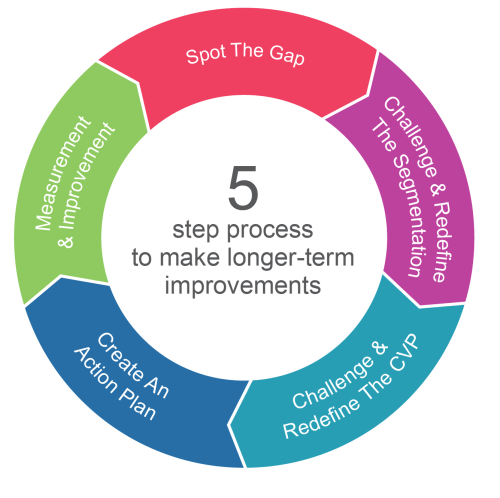
Systematic approach to measuring and improving customer satisfaction
Overcoming Challenges in Delivering High-Quality Software
Organizations face numerous challenges in their pursuit of software excellence, including organizational constraints, resource limitations, and complex technical requirements. However, strategic approaches and a proactive mindset enable companies to navigate these obstacles and deliver superior software solutions.
Professional Development and Continuous Learning
A critical success factor is prioritizing professional development and continuous learning. Organizations should invest in structured training programs and foster a culture of knowledge sharing. By developing employee capabilities and cultivating a creative, growth-oriented environment, companies position themselves to respond effectively to rapid technological change.
Quality Assurance Complexities
Quality assurance presents distinct challenges, including ensuring comprehensive test coverage, identifying and resolving defects, and validating software across diverse environments and user scenarios. Effective organizations address these challenges through robust QA processes and strategic implementation of automation testing tools and frameworks. Automation reduces the burden of repetitive tasks, expands test coverage, shortens testing cycles, and enables testers to focus on sophisticated exploratory testing.
Communication and Collaboration
Communication and collaboration challenges frequently arise, particularly within distributed and cross-functional teams. Regular structured meetings, appropriate communication channels, and collaborative tools help bridge gaps and facilitate effective teamwork. Organizations should actively cultivate an environment of open communication where team members freely express ideas, concerns, and suggestions—creating a foundation for productive collaboration.
Conclusion
The pursuit of high-quality software and customer satisfaction represents a challenging yet rewarding journey. The path forward is characterized by inherent unpredictability and complexity, with obstacles arising from changing customer preferences, evolving technology trends, and shifting market conditions.
Success requires organizations to remain agile and adaptable. By continuously refining processes, embracing systematic testing methodologies, and investing in team capabilities, businesses can transform uncertainty into opportunity. The commitment to quality—executed consistently throughout the development lifecycle—remains the most reliable path to customer satisfaction and sustained organizational success.
Strategic Insight
High-quality software is not an end state but a continuous pursuit. Organizations that embed quality throughout their development processes, invest in the right testing frameworks, and cultivate a culture of continuous improvement are best positioned to meet—and exceed—evolving customer expectations.