

8 Different Types of Engaging Video Content to Transform Your Marketing
In today’s digital landscape, video is the ultimate tool for cutting through the noise. It’s not just about being seen—it’s about creating connection, demonstrating value, and building unwavering trust. This guide details eight proven video formats, complete with strategic insights, to help you captivate your audience and achieve your business goals.
Why Video Content is Non-Negotiable for Modern Brands
Increasing brand awareness and driving marketing objectives can be achieved most effectively by providing engaging video content. Offering a sneak peek behind the scenes, client testimonials, or how-to tutorials provides entertainment and immense value to your audience. The best part? Incorporating video into your company’s marketing strategy doesn’t require you to be a on-camera expert. Multiple techniques exist to engage viewers and deliver your message powerfully.
The 8 Essential Video Content Types: A Strategic Breakdown
1. Explainer Videos
Core Purpose: Simplify complexity. Introduce your product, service, or concept quickly and memorably.
Gone are the days of robotic voiceovers. With AI-modulated TTS (Text-to-Speech) generators, you can create personalized, high-quality voiceovers in multiple languages, making your explanations friendly and globally accessible. In a crowded content environment, a sharp explainer video grabs attention by answering fundamental questions about your offering in just a few minutes, effectively communicating your brand’s personality and culture through emotion and narrative.
🎯 Pro Tip: The 90-Second Rule
For product/feature explainers, aim for 90 seconds or less. Structure your script around the classic problem-agitate-solution framework: 1) State the viewer’s pain point, 2) Agitate its consequences, 3) Introduce your product as the clear solution. Use simple, animated graphics (icons, text, basic characters) to visualize abstract ideas.
2. Behind-the-Scenes (BTS) Content
Core Purpose: Humanize your brand and build authentic trust.
This method shows your audience the unpolished, human side of your company. It’s a powerful tool for fostering a connection that’s difficult to achieve with a traditional blog post. For example, a real estate agency might create BTS vlogs showing property preparations or client meetings, adding depth to their professional services.
🎯 Pro Tip: Embrace Imperfection
Authenticity beats high production value here. Use your smartphone to shoot quick, vertical “day-in-the-life” clips for Instagram Stories or TikTok. Showcase team introductions, workspace tours, or the process of creating a product. This transparency builds a powerful, personal layer of trust with your audience.
3. Client Testimonials & Case Studies
Core Purpose: Provide social proof and build credibility.
Leveraging satisfied customers is one of the most effective ways to build credibility. While text testimonials work, video is vastly more shareable and persuasive on social media. Video testimonials allow prospects to see and hear the genuine satisfaction of real people, offering an honest opinion that serves as a powerful trust signal.
🎯 Pro Tip: Focus on the Transformation, Not the Praise
Guide your clients to tell a story. Ask questions like: “What was the challenge you faced before using our service?” and “How did using our product/service change your situation or make you feel?” This narrative arc (Before -> During -> After) is far more compelling than a simple “I love this company.”

4. How-To & Tutorial Videos
Core Purpose: Educate your audience and demonstrate expertise.
Visual learning is powerful. How-to videos offer significant benefits over text instructions, providing the context needed for customers to understand and gain value from your product or service. They are excellent for boosting engagement and reducing customer support inquiries. The key is to keep them focused and concise, delivering a clear solution.
🎯 Pro Tip: Solve Micro-Problems
Instead of one long “Ultimate Guide,” create a series of 1-2 minute videos each addressing one specific, searchable problem (e.g., “How to change your widget’s filter” not “Everything about your widget”). Optimize titles and descriptions with relevant keywords so users can find them exactly when needed.
5. Interview-Style Conversations
Core Purpose: Leverage authority and provide depth through dialogue.
Interviews with founders, industry experts, or team members allow you to communicate your business’s vision and knowledge in a dynamic format. A relaxed, impromptu conversation can elevate audience confidence. The right interviewee can tell an engaging story that makes viewers eager to learn more. Supplementing with B-roll footage (shots of the office, products in use, etc.) deepens the narrative and production value.
🎯 Pro Tip: The Two-Person Dynamic
To keep it engaging, format it as a conversation, not a monologue. Have a host ask pointed, curious questions that the audience would want answered. This creates a more natural flow and helps unpack complex ideas in digestible chunks.
6. Event Videos & Highlights
Core Purpose: Extend the reach and impact of live experiences.
Capture the energy of webinars, conferences, or product launches. Event videos allow those who couldn’t attend to experience the highlights, extending your content’s lifespan and reach. This dynamic content can be repurposed at various sales funnel stages—from attracting a new audience to nurturing leads with key speaker insights.
🎯 Pro Tip: Create a Highlight Reel & Repurpose Assets
Edit a fast-paced 60-90 second highlights reel with music and key sound bites for social media. Then, repurpose full-length speaker talks into standalone YouTube videos or blog post companions. This maximizes the ROI from a single event.
7. Personalized Video Messages
Core Purpose: Drive exceptional engagement through one-to-one connection.
In an era of generic emails, personalized video cuts through the clutter. This form of marketing drives high engagement by tailoring messages to individual needs or milestones (e.g., post-purchase thank yous, prospect outreach, anniversary greetings). Using a viewer’s name or specific details fosters a unique sense of trust and customer loyalty.
🎯 Pro Tip: Scale Personalization with Tools
Use platforms like Loom, Vidyard, or Bonjoro to easily record and send short, personalized videos. For sales teams, a personalized video prospecting message can dramatically increase reply rates. Keep it under two minutes and be specific about why you’re reaching out to them.
8. Animated Videos
Core Purpose: Explain complex ideas with creativity and flexibility.
Animation offers a versatile and fun way to market visually, with no need for live-action filming. It’s perfect for breaking down intricate technical processes, illustrating abstract concepts, or creating a distinctive brand style that sets you apart as innovative. Animation can simplify learning and make dense information enjoyable.
🎯 Pro Tip: Start with Affordable Tools
You don’t need a Hollywood studio. Use user-friendly tools like Vyond, Animaker, or even Canva’s animation features to create professional-looking explainer animations. Start with a strong script and simple character/icon assets to keep costs and complexity low.
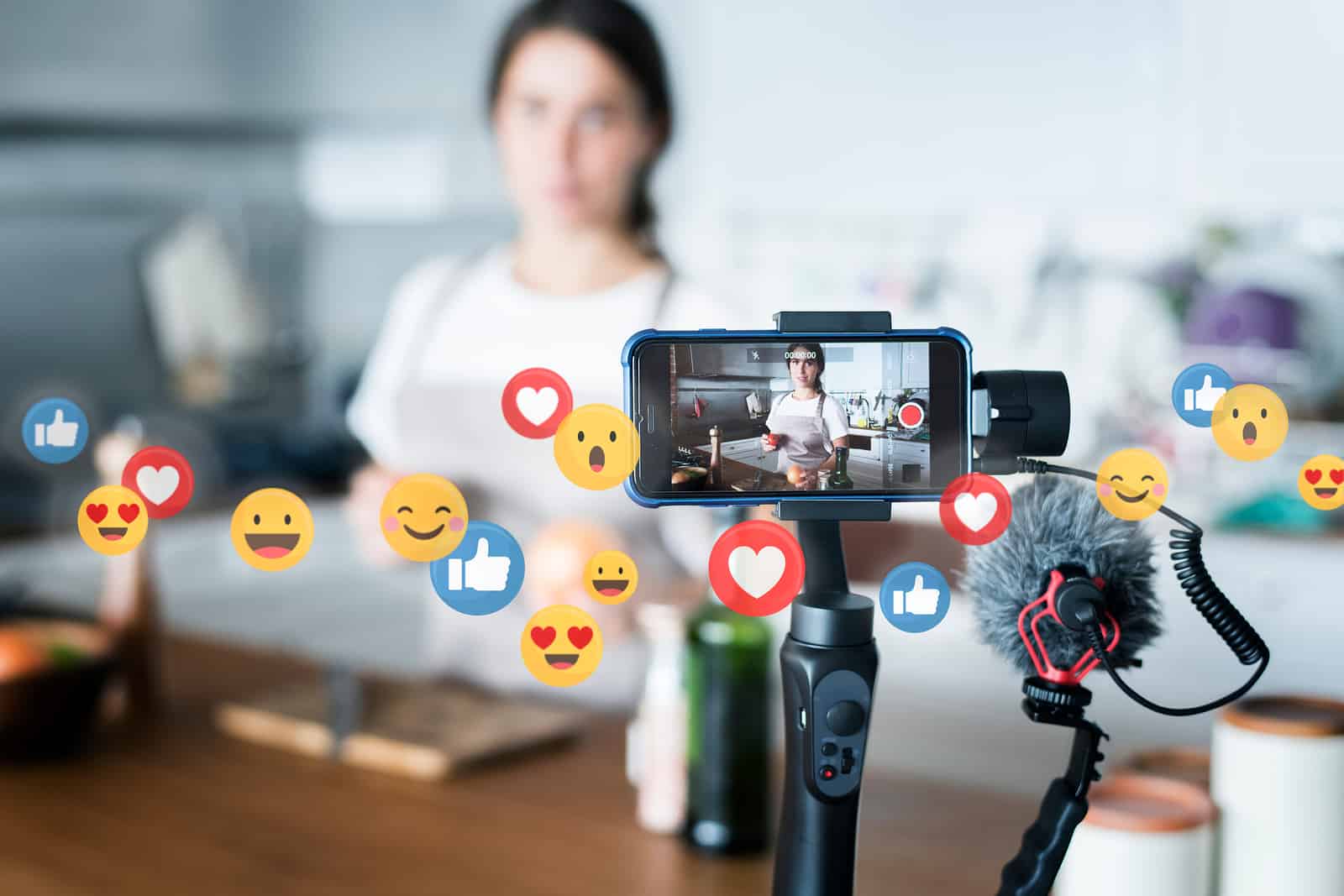
Mastering the Art of Engagement: Core Video Principles
Creating the right type of video is only half the battle. Implementing these core principles will ensure your content actually gets watched and remembered.
Hook Curiosity Instantly
Human curiosity is a powerful driver. Create a “knowledge gap” by teasing the most valuable insight or intriguing moment in the first 3-5 seconds. This compels viewers to watch through to the payoff.
Know & Respect Your Audience’s Attention
Data shows if you hook someone for the first 3 seconds, they’ll likely watch for 30. To retain them, you must know your audience intimately. Analyze metrics like audience retention rate, comments, and likes. Engage directly by asking questions in polls or the comments to make them feel valued and gather feedback.
Prioritize Eye-Catching Visual Storytelling
With 85% of internet users consuming video monthly, standout visuals are mandatory. Use crisp footage, dynamic graphics, on-screen text, and compelling B-roll. Visual storytelling allows you to convey complex messages quickly and memorably in our short-attention-span world.
Incorporate Classic Storytelling
Move beyond product-pushing. Craft a narrative. Whether it’s the “customer journey” plot (Overcoming the Monster) or the “brand origin” plot (Rags to Riches), a story creates emotional investment. Great storytelling, like famous impactful adverts, connects on a human level and is shared widely.
Persuade with Ethos, Pathos, and Logos
Weave Aristotle’s timeless persuasive appeals into your videos:
- Ethos (Credibility): Establish trust. Feature experts, cite data, showcase credentials.
- Pathos (Emotion): Forge a connection. Evoke happiness, hope, inspiration, or even righteous anger to make your message memorable.
- Logos (Logic): Appeal to reason. Use clear facts, statistics, and logical arguments to support your value proposition.
The most effective videos balance all three.

🎯 Pro Tip: The Persuasion Blueprint
Structure your script to hit each appeal: Open with an emotional hook (Pathos), establish your expertise or data-backed insight (Ethos/Logos), and conclude with a logical call-to-action that solves the emotional problem you presented.
Your Video Content Action Plan
Using one or more of these eight techniques will increase brand awareness and encourage sharing. Video builds trust, drives high conversion rates, and creates a strong emotional connection and online presence.
Next Steps: Don’t try to do everything at once. Audit your current marketing funnel. Identify one stage that needs more engagement or clarity (e.g., product awareness, consideration, onboarding). Choose the single video type from this list that best addresses that need, and produce one piece of high-quality content. Measure its performance, learn, and iterate.




great article, I’ve been reading about you for the last six months.
I greatly appreciate it.
Please submit the following articles referencing the article.
Thanks keep reading and sharing