The Art of Crafting Content that Resonates with Your Audience: A 2026 Guide
- Resonant content begins with deep audience understanding, not just topic selection.
- Successful creators combine trending topics with evergreen, research-backed value.
- Strategic keyword targeting (especially “low-hanging fruit”) dramatically increases content visibility.
- Visual storytelling is non-negotiable; it can increase engagement by up to 80%.
- The process is iterative: analyze performance, gather feedback, and continuously refine your approach.
Introduction: Why Resonant Content is Your Ultimate Competitive Edge
The world of content creation is changing rapidly and it’s essential for content creators to stay ahead of the game. Crafting content that resonates with a target audience should be the primary goal of any content creator or marketer. To achieve this, you need to hone your skills and refine your process beyond basic writing. In an era of information overload, content that merely informs is quickly forgotten. The content that builds communities, drives action, and creates loyal followers is content that resonates on a human level.
This comprehensive guide will provide actionable tips and tricks on how to create content that not only reaches but truly resonates with your audience. We’ll cover a proven framework including audience understanding, identifying trending topics, conducting thorough research, strategic keyword selection, and mastering engaging visuals. With the right approach, you can dramatically increase engagement and make a lasting impact. This isn’t just about getting more views—it’s about creating content that matters to the people who matter most to your brand.
Audience First
Build content from deep audience insights, not assumptions. Understand their needs, pains, and desires.
Trends + Research
Combine trending topics with evergreen, research-backed value for content that is both timely and timeless.
Strategic SEO
Use keyword strategy to ensure your resonant content is also highly discoverable by your target audience.
Understanding Your Target Audience: The Foundation of Connection
The key to crafting content that resonates is understanding who you are speaking to. Content created in a vacuum, based on guesswork, rarely connects. This process starts with identifying and defining your target audience with precision. Think of this not as demographics on a spreadsheet, but as understanding real people with real problems, aspirations, and daily lives.
Answering these foundational questions provides the clarity needed to tailor your content’s voice, topics, and format to their specific preferences, moving from broadcasting to having a conversation. Remember, resonance requires relevance, and relevance requires understanding.
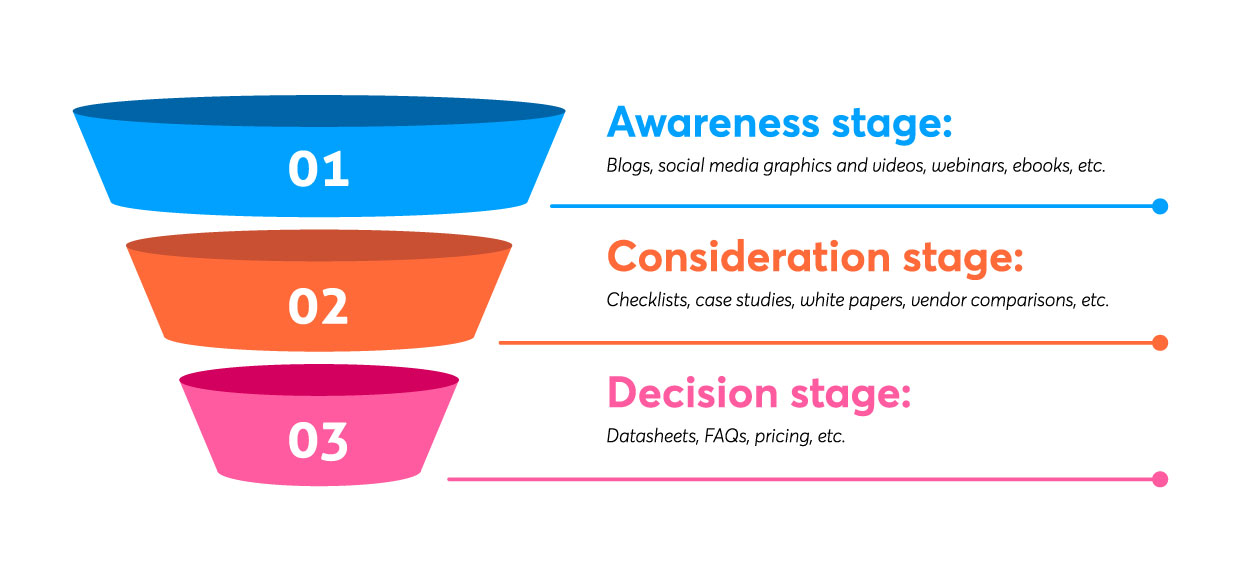
The core cycle of resonant content: Understand your audience to create content that drives meaningful engagement.
Identifying Trending Topics That Matter to Them
Once you know your audience, you must discover what to talk about. This means identifying topics they care about that are also relevant in the current moment. The goal is to find the intersection between what’s trending in the world and what’s perpetually important to your specific reader.
Use tools like Google Trends, industry newsletters, and news aggregators to see what topics are gaining traction in your specific field and the wider world. Set up alerts for key industry terms and competitor names.
Go beyond posting. Monitor conversations, hashtags, and groups on social media platforms where your audience gathers. What questions are they asking in Facebook Groups or Reddit communities? Tools like Brand24 or native platform search functions are invaluable here.
Analyze how other successful creators in your space are covering potential topics. Note the audience feedback (comments, shares) to gauge resonance. Don’t copy—instead, ask: “What angle did they miss? How can I provide deeper value or a contrary viewpoint?”
This research helps you approach topics from an informed angle, ensuring your content is timely, relevant, and adds a fresh perspective to the conversation. Look for “content gaps”—questions that are being asked but not fully answered by existing material.
Conducting Thorough, Value-Driven Research
Resonant content is built on a foundation of credibility and depth. Thorough research transforms a good topic into an authoritative, valuable piece that audiences trust and remember. In 2026, audiences are savvy; they can spot superficial, quickly-researched content from a mile away.
It is important to look beyond surface-level information to uncover deeper insights, underlying causes, and diverse perspectives. When researching, prioritize reliable sources:
- Academic & Institutional Sources: Peer-reviewed journals, studies, and reports from reputable organizations like Gartner, Pew Research, or Harvard Business Review add immense weight.
- Expert Insights: Interviews, podcasts, or published works from recognized authorities in your field. Consider reaching out for a quick quote or insight to include.
- Data & Statistics: Hard data from trusted sources (e.g., Statista, government databases) to back up your claims and provide concrete value. Numbers tell a compelling story.
- First-Hand Experience & Case Studies: Your own data and experiences are incredibly valuable. Conduct a survey of your customers, analyze your company data, or document a detailed case study.
By investing time in research, you move from stating common knowledge to providing unique insights and actionable takeaways, which is the cornerstone of content that truly resonates and builds authority. This also makes the writing process more efficient, as you know what questions to ask and where to find compelling answers. Structure your research notes clearly so that writing becomes an act of synthesis, not simultaneous discovery.
Picking the Right Keywords: SEO for Resonance and Discoverability
Creating amazing content is only half the battle; people need to find it. Strategic keyword integration ensures your resonant content is also highly discoverable by the exact people searching for it. This is where SEO meets human connection.
Choosing low hanging fruit SEO keywords is essential. These are terms with good search volume but lower competition, giving you a clearer path to ranking higher and driving targeted traffic. They are often specific, long-tail queries that signal high user intent.
Crafting the Content: The Art and Science of Writing for Connection
This is where insight and strategy become compelling communication. Crafting content that resonates requires blending all your preparation—audience insight, research, keywords—into a format that engages, informs, and inspires.
Use the tone, terminology, and humor (if appropriate) that your audience persona uses. Avoid jargon they wouldn’t understand. If you’re writing for beginners, explain concepts simply. For experts, dive deep and skip the basics.
Use clear headlines (H2, H3), short paragraphs, bullet points, and bold text to make your content easy to digest. But beneath that scannable structure, ensure there is substantive, meaty content that rewards those who read deeply.
Answer their core question or solve their problem in the introduction. Show them immediately that this content is for them. Use a powerful hook—a surprising stat, a relatable problem, or a compelling question—to grab attention in the first 3 seconds.
Wrap data and advice in relatable anecdotes, case studies, or metaphors. Stories are how humans naturally process and remember information. Instead of just saying “customer engagement increased,” tell the story of Sarah, a small business owner who used your tip and saw her comments double.
Advanced Frameworks for Structuring Resonant Content
Consider using proven content frameworks to structure your ideas for maximum impact:
- The Problem-Agitate-Solve (PAS) Framework: Identify the reader’s problem, emotionally agitate its consequences, then provide your solution.
- The Before-After-Bridge (BAB) Framework: Describe the unsatisfying “before” state, paint a vivid picture of the ideal “after” state, and then present your content as the “bridge” to get there.
- The Hero’s Journey: Frame the content as a journey where the reader (the hero) overcomes a challenge (their problem) with the help of a guide (you and your advice).
Each sentence should serve a purpose: to inform, to persuade, to entertain, or to guide the reader to the next point. Read your draft aloud. Does it sound like a conversation, or a textbook? Adjust accordingly.
Using Engaging Visuals to Amplify Your Message and Emotion
In today’s digital landscape, visuals are not an add-on; they are an integral part of the content experience. They can dramatically increase comprehension, retention, and shareability. The human brain processes images 60,000 times faster than text.
Visuals help deliver complex messages quickly, break up text to prevent fatigue, and evoke emotion more directly than words alone. From custom graphics and infographics to short videos and curated images, they make your content more engaging and memorable.
Relevance is Key
Every visual should directly support or enhance the adjacent text. Avoid generic stock photos. Use custom graphics, annotated screenshots, or high-quality, relevant photos.
Embrace Video & Motion
Short explainer videos, tutorials, or behind-the-scenes clips can significantly boost engagement. Even simple, text-based motion graphics (like those made with Canva or Lumen5) can make key points pop.
Data Visualization
Turn statistics and research findings into clear charts, graphs, or infographics. A well-designed chart is far more powerful than a sentence listing numbers.
Ultimately, visuals should be used strategically to deliver your core message in a way that resonates more deeply and creates a more enjoyable experience for your audience. Think of them as integral chapters in your content story, not just decoration.
Distribution and Promotion: Getting Your Resonant Content Seen
You’ve created something valuable—now you need a plan to ensure it finds its audience. A multi-channel promotion strategy is crucial.
- Repurpose for Different Platforms: Turn a blog post into a Twitter thread, a LinkedIn article summary, a carousel post for Instagram, and key quotes for Pinterest.
- Leverage Your Community: Share your content in relevant, value-adding ways in online communities you’re part of (e.g., specific Slack groups, Discord channels, or Facebook groups). Always follow community rules.
- Email Your List: This is your owned audience. Send them your best content with a personalized note about why you created it and why it matters to them.
- Engage with Influencers & Collaborators: Tag relevant experts or companies you mentioned. They might share it with their audience, expanding your reach to a new, trusted network.
Measuring Resonance: The Metrics That Truly Matter
How do you know if your content actually resonates? Look beyond vanity metrics (likes, impressions) to deeper engagement signals:
Are people actually reading or watching most of your content? (Use Google Analytics scroll depth or platform analytics). High time-on-page is a strong resonance indicator.
Are people asking thoughtful questions, sharing personal experiences, or debating points in the comments? This is a sign of emotional or intellectual investment.
When someone shares your content, they’re putting their social capital behind it. Saves (on platforms like Pinterest or Instagram) indicate intent to return or use the information later.
Does the content lead to desired actions? Newsletter sign-ups, guide downloads, or product trials that originate from a specific piece of content are the ultimate sign of resonance leading to trust.
Use these insights in a continuous feedback loop. Let data guide your future content creation. Double down on what resonates, and thoughtfully analyze what doesn’t to understand why.
“Shifting our blog strategy from ‘publishing content’ to ‘crafting resonant content’ changed everything. We now start every piece with a specific audience question, and our engagement time has tripled. It’s not about more content; it’s about more meaningful content.”
Conclusion: The Continuous Journey to Resonant Content
Creating content that truly resonates with an audience is both an art and a science. It requires moving beyond guesswork to a deliberate, empathetic process: knowing your audience intimately, identifying what matters to them right now, building on a foundation of credible research, optimizing for discoverability, communicating with clarity and compelling visuals, promoting it strategically, and measuring true engagement.
Remember, resonance isn’t a one-time achievement. Audience tastes and the digital landscape evolve. The platforms may change, the algorithms will shift, but the human desire for connection, understanding, and value remains constant. Stay flexible, curious, and data-informed. By committing to this audience-centric, strategic approach, you will create content that does more than get seen—it gets felt, remembered, shared, and acted upon. This is how you build a genuine and lasting connection with your audience, turning casual viewers into a loyal community.
Ready to Craft Content that Truly Connects?
Start by deeply analyzing one piece of your existing content. Does it reflect a deep understanding of your audience’s needs? Apply one step from this guide today—whether it’s creating a detailed persona, researching a new long-tail keyword, or adding a custom visual to an old post. For more actionable strategies on building a content strategy that drives growth and mastering digital audience engagement, explore our other guides on GetSocialGuide.com.