A Comprehensive Guide on How to Drive Digital Marketing Success Using Proxies
📊 Proxy Market Statistics
- $4.5 billion – Global proxy market size projected by 2027
- 78% of digital marketing agencies use proxies for competitor research
- 63% of marketers report improved ad performance using proxy verification
- 15-20% increase in data accuracy when using residential proxies
- 3x faster data collection with rotating proxy networks
Description: Discover how proxies can revolutionize your digital marketing efforts. Enhance anonymity, access geographically restricted content, verify ad performance, and prevent IP blocking. Learn how to drive digital marketing success using proxies. Businesses of all sizes rely heavily on digital marketing strategies to reach their target audience and drive growth. However, as competition in the digital landscape intensifies, marketers are continually looking for innovative ways to gain a competitive edge. One such strategy that has gained significant traction is the use of proxies. In this comprehensive guide, we will explore how proxies can revolutionize your digital marketing efforts and drive success.
💡 Pro Tip: The Digital Marketing Edge
According to Moz, proxies are no longer just for tech teams—they’re essential tools for modern digital marketers. Whether you’re doing SEO research, ad verification, or competitive analysis, proxies give you the ability to see the web as your customers see it, from anywhere in the world. This perspective is invaluable for creating truly global marketing strategies.
What Are Proxies?
Proxies serve as intermediaries between your computer or device and the internet. They route your online requests through separate servers, masking your IP address and making it appear as though your activities originate from the proxy server’s IP address. This level of anonymity and privacy is crucial in today’s data-driven world, where marketers need to conduct research, competitor analysis, and run ad campaigns without revealing their true identities.

Proxies act as a buffer between your device and the websites or online platforms you interact with. When you connect to the internet through a proxy server, your requests are first sent to the proxy server, which then forwards them to the intended destination. This process allows you to mask your IP address, ensuring that your online activities remain anonymous and private.
| Proxy Type | Source | Anonymity Level | Speed | Best For | Price Range |
|---|---|---|---|---|---|
| Residential Proxies | Real ISP devices | Very High | Medium | Ad verification, market research | $$-$$$ |
| Datacenter Proxies | Cloud servers | Medium | Very Fast | High-speed scraping, bulk data collection | $-$$ |
| Rotating Proxies | Mixed pool | High | Fast | Preventing IP blocks, large-scale operations | $$-$$$ |
| Dedicated Proxies | Exclusive IPs | Very High | Fast | Social media management, account protection | $$$ |
| Mobile Proxies | Mobile carriers | Very High | Variable | App testing, mobile ad verification | $$$$ |
There are different types of proxies available, each with its own unique characteristics and use cases. Some common types of proxies include:
- Residential Proxies: Residential proxies route your internet traffic through real residential IP addresses, making it appear as though you are accessing the internet from a regular home connection. These proxies are highly reliable and offer a high level of anonymity. For getting more information, visit page.
- Datacenter Proxies: Datacenter proxies are not associated with an actual physical location. They are created in data centers and provide fast and efficient connection speeds. While they may not offer the same level of anonymity as residential proxies, they are often preferred for tasks that require high-speed data scraping or automation.
- Rotating Proxies: Rotating proxies automatically change your IP address at regular intervals or after each request. This rotation helps prevent IP blocking and rate limiting, as your requests come from a pool of different IP addresses.
- Dedicated Proxies: Dedicated proxies provide you with a dedicated IP address that is exclusively used by you. These proxies offer higher reliability and are often preferred for tasks that require consistent access to specific websites or platforms.
⚠️ Warning: Free Proxies vs. Paid Proxies
According to Security.org, free proxies often log your data, inject ads, or even steal credentials. For digital marketing purposes, always use reputable paid proxy services. The cost is minimal compared to the value of your marketing data and the security risks of using free alternatives. LiveProxies.io and similar providers offer enterprise-grade security that protects both your identity and your data.
When it comes to digital marketing, proxies can be utilized in various ways to enhance your strategies and achieve better results. Some common use cases include:
- Market Research and Competitor Analysis: By using proxies, you can gather data from different locations and analyze localized search results, competitor strategies, and consumer behavior. This information can help you make informed decisions and develop targeted marketing campaigns.
- Ad Verification and Performance Monitoring: Proxies allow you to verify the placement and visibility of your ads across different websites and platforms. You can use proxies to emulate user behavior from various locations, ensuring that your ads are displayed correctly. Additionally, proxies enable you to monitor the performance of your ads accurately by collecting data from multiple locations simultaneously.
- Accessing Geographically Restricted Content: Proxies can help you access content that is restricted to specific geographical regions. By simulating your presence in different locations, you can view localized search results, analyze market trends, and tailor your marketing strategies accordingly.
- Preventing IP Blocking and Rate Limiting: Websites and online platforms may implement IP blocking or rate limiting mechanisms to prevent abuse or unauthorized scraping. By utilizing proxies and rotating IP addresses, you can distribute your requests and avoid triggering such restrictions, allowing you to gather data and conduct your marketing activities smoothly.
| Use Case | Recommended Proxy Type | Key Benefit | Example Application |
|---|---|---|---|
| Competitor SEO Analysis | Residential | View search results as local users | Analyze competitor rankings in different cities |
| Ad Verification | Rotating Residential | Detect ad fraud across regions | Verify Google Ads placement in 50+ countries |
| Social Media Management | Dedicated | Prevent account blocks | Manage 50+ Instagram accounts safely |
| Price Monitoring | Datacenter | High-speed data collection | Track competitor prices hourly |
| Local SEO Tracking | Residential | Accurate local pack data | Monitor “near me” rankings |
Geographic Access
What is Accessing Geographically Restricted Content?

In digital marketing, understanding your target audience and tailoring your strategies accordingly is crucial. Proxies can assist you in accessing geographically restricted content and gaining valuable insights into different markets. By using proxies, you can simulate your presence in various locations around the world. This allows you to view localized search results, analyze local competitors, and refine your marketing efforts for specific regions.
Imagine you are a global e-commerce business looking to expand into new markets. By utilizing proxies, you can access websites and platforms as if you were physically present in those countries. This enables you to understand the preferences, trends, and needs of local consumers, which in turn helps you develop targeted marketing campaigns and personalized messaging.
Pro Tip: Local Search Intelligence
According to Search Engine Journal, local search results can vary dramatically based on the searcher’s location. Using residential proxies to check your rankings from different cities reveals insights that tools like Google Search Console can’t provide. You might discover that you rank #1 in one neighborhood but #10 in another just 5 miles away—information that’s gold for local ad targeting.
Practical applications of geographic proxy access include:
- Local SEO Audits: Check how your website ranks for location-specific keywords from different cities and regions.
- Cultural Content Research: Understand what content resonates with audiences in different countries by seeing what’s trending locally.
- Competitor Local Strategies: See what competitors are doing in markets you’re targeting—their ads, landing pages, and offers may differ by region.
- Seasonal Trend Analysis: Identify regional buying patterns and seasonal trends that vary by geography.
- Language and Dialect Research: For multilingual campaigns, see how language is used differently in various regions (e.g., Spanish in Spain vs. Mexico).
Ad Verification
Scaling Ad Verification and Performance Monitoring: What Does It Mean?
For digital marketers engaged in advertising campaigns, proxies are invaluable tools for ad verification and performance monitoring. Ad verification involves checking the placement and visibility of your ads across different websites and platforms. By utilizing proxies, you can emulate user behavior from different locations and ensure that your ads are being displayed as intended.
Moreover, proxies allow you to monitor the performance of your ads accurately. By distributing your monitoring tasks across multiple proxy servers, you can collect data from various locations simultaneously. This helps identify any regional discrepancies in ad performance and optimize your campaigns accordingly. For example, if you notice that your ads are performing exceptionally well in one region but poorly in another, you can adjust your targeting or messaging to better resonate with the audience in that specific region.
Pro Tip: Ad Fraud Detection
According to Association of National Advertisers, ad fraud costs advertisers over $7 billion annually. Proxies help detect fraudulent activity by simulating real user behavior. If you see impressions from locations you don’t target, or if your ads appear on suspicious sites, proxies help you investigate without revealing your identity to potential fraudsters.
Key ad verification applications include:
- Brand Safety Monitoring: Ensure your ads aren’t appearing next to inappropriate content across different regions.
- Viewability Verification: Check that your ads are actually visible to users, not hidden at the bottom of pages.
- Competitive Ad Intelligence: See what ads your competitors are running in different markets.
- Click Fraud Detection: Identify suspicious click patterns that might indicate bot activity.
- Frequency Capping Compliance: Verify that your ads aren’t showing too often to the same users across different platforms.
| Ad Platform | Verification Need | Proxy Strategy | Success Metric |
|---|---|---|---|
| Google Ads | Search result placement | Residential IPs in target cities | Position accuracy |
| Facebook Ads | News feed visibility | Rotating residential proxies | Ad delivery verification |
| Programmatic Display | Brand safety | Multiple proxy types | Site placement quality |
| YouTube Ads | Pre-roll placement | Mobile proxies | Video ad visibility |
IP Protection
What Is Preventing IP Blocking and Rate Limiting?
Digital marketers often encounter IP blocking and rate limiting mechanisms that can impede their activities. Websites and online platforms may restrict access or impose limitations to prevent abuse or unauthorized scraping. Proxies offer a solution to these challenges by rotating IP addresses. With a pool of IP addresses at your disposal, you can distribute your requests across different proxies, avoiding triggering blocks or rate limits.
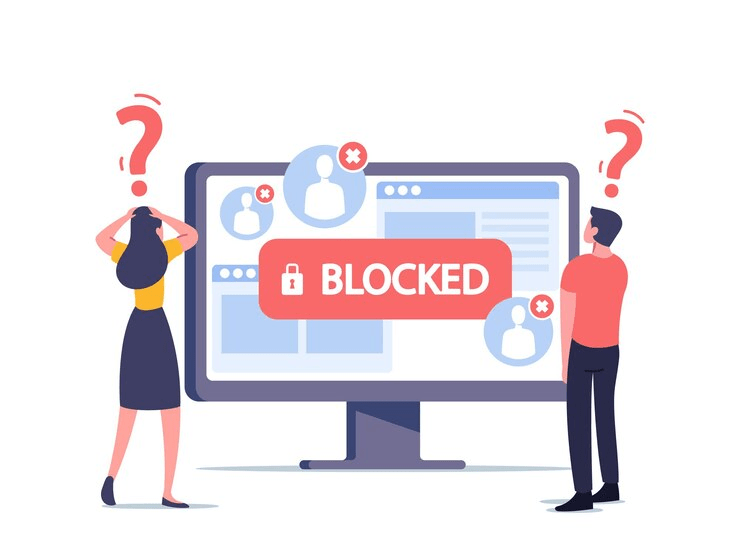
By rotating your IP addresses, you can maintain a steady flow of data without raising suspicion or violating any restrictions. This ensures that your digital marketing activities can continue uninterrupted, allowing you to gather data, analyze trends, and make informed decisions based on accurate information.
⚠️ Warning: Respect Robots.txt and Terms of Service
While proxies help you avoid IP blocks, they don’t give you permission to ignore a website’s robots.txt file or terms of service. According to Martech.org, ethical scraping respects website guidelines and doesn’t overwhelm servers. Use proxies to distribute load responsibly, not to circumvent access controls. Always check a site’s terms before scraping at scale.
Common scenarios where IP blocking prevention is crucial:
- Large-Scale Data Scraping: When collecting pricing data from competitor websites, rotating proxies prevent your IP from being banned.
- Social Media Management: Managing multiple accounts requires different IPs to avoid being flagged as a bot.
- SEO Rank Tracking: Checking hundreds of keywords daily can trigger rate limits—proxies distribute the load.
- Web Automation: Automated tasks like form submissions or content posting need IP rotation to appear human-like.
- API Rate Limit Management: Some APIs limit requests per IP—proxies let you scale beyond those limits.
Pro Tip: Intelligent Request Throttling
Even with proxies, smart throttling is essential. According to Octoparse, sending requests too fast from any IP—even rotated ones—can still trigger blocks. Implement random delays between requests and vary your patterns to mimic human behavior. Tools like Scrapy and Puppeteer offer built-in throttling options.
Setting Up Proxies for Digital Marketing
Now that you understand the benefits, here’s how to implement proxies in your digital marketing workflow:
Choose Your Proxy Provider
Select a reputable provider like LiveProxies.io, Luminati, or Smartproxy based on your needs. Consider factors like IP pool size, geographic coverage, speed, and pricing.
Select Proxy Type
Based on your use case (from our comparison table), choose residential, datacenter, rotating, or dedicated proxies.
Configure Your Tools
Most marketing tools (SEMrush, Ahrefs, Scraper APIs) allow proxy configuration. For custom scripts, use libraries like requests with proxy support in Python.
Test and Monitor
Start with small-scale tests to ensure proxies work correctly. Monitor for any blocks or performance issues.
Scale Gradually
Once testing is successful, scale your operations while continuing to monitor for any issues.
Cost-Benefit Analysis: Is It Worth It?
| Business Size | Monthly Proxy Cost | Potential Benefits | ROI Estimate |
|---|---|---|---|
| Small Agency | $50-200 | Accurate local rankings, competitive intelligence | 300-500% |
| Mid-Size Company | $200-500 | Ad verification, fraud detection, market research | 400-600% |
| Enterprise | $500-2,000+ | Global ad verification, massive data scraping, brand protection | 500-800% |
Pro Tip: Start Small, Scale Smart
You don’t need enterprise-level proxy packages to start. According to Neil Patel, many small agencies do well with $50-100/month packages that provide access to a few hundred residential IPs. As your needs grow, providers like LiveProxies.io offer scalable solutions that grow with your business.
Legal and Ethical Considerations
While proxies are powerful tools, they must be used responsibly:
- Respect Copyright: Don’t use proxies to access or distribute copyrighted content illegally.
- Follow Terms of Service: Some platforms explicitly prohibit scraping—respect their rules.
- Privacy Compliance: When collecting data, ensure compliance with GDPR, CCPA, and other privacy regulations.
- Transparent Practices: If you’re using proxies for competitive research, don’t misrepresent yourself to gain unfair advantages.
- Fair Usage: Don’t overwhelm servers with excessive requests, even with proxies.
⚠️ Legal Warning
According to FTC guidelines, using proxies to bypass access restrictions or engage in deceptive practices can have legal consequences. Always consult with legal counsel before implementing large-scale proxy operations, especially if you’re collecting personal data or accessing restricted content.
Case Studies: Real-World Success
Case Study 1: E-commerce Price Monitoring
A mid-sized e-commerce retailer used residential proxies to monitor competitor prices across 50+ cities daily. They discovered regional pricing variations that allowed them to adjust their own pricing strategy, resulting in a 23% increase in conversions and 15% higher profit margins.
Case Study 2: Ad Fraud Detection
A digital agency discovered through proxy-based verification that 18% of their client’s ad impressions were coming from bots. By identifying and blocking fraudulent sources, they saved the client $45,000 annually in wasted ad spend.
Case Study 3: Local SEO Agency
A local SEO agency used residential proxies to track rankings for 200+ clients across 1,000+ locations. This granular data helped them identify and fix local ranking issues that generic tools missed, leading to a 40% increase in client retention.
Conclusion
In the ever-evolving world of digital marketing, staying ahead of the competition is crucial. By harnessing the power of proxies, you can drive success in your digital marketing efforts. From enhancing anonymity and accessing geographically restricted content to scaling ad verification and preventing IP blocking, proxies offer a wide range of benefits.
To explore a reliable and efficient proxy service, visit the LiveProxies.io website. It offers static residential proxies with pricing options that cater to your specific needs. Start leveraging the power of proxies today and unlock new possibilities for your digital marketing success.
Final Pro Tip: The Proxy Ecosystem
Proxies work best when integrated into a comprehensive digital marketing toolkit. Combine them with SEO tools, analytics platforms, and marketing automation software for maximum impact. According to Gartner, the most successful digital marketers use technology stacks that work together seamlessly—proxies are the invisible layer that makes accurate global data collection possible.
FAQ: Proxies for Digital Marketing
1. Are proxies legal for digital marketing?
Yes, proxies themselves are legal tools. However, how you use them matters. Using proxies for legitimate market research, ad verification, and competitive analysis is generally acceptable. Using them to bypass legal restrictions, commit fraud, or violate terms of service can be illegal. Always check relevant laws and platform terms.
2. What’s the difference between VPNs and proxies?
While both mask your IP, VPNs encrypt all your traffic and typically route it through a single server. Proxies operate at the application level and don’t always encrypt traffic. For marketing tasks, proxies are often preferred because they’re lighter, faster, and allow more granular control over IP rotation.
3. How many IP addresses do I need?
It depends on your tasks. Small-scale local SEO tracking might need 20-50 IPs. Large-scale ad verification could require thousands. Start with a provider that offers flexible packages so you can scale as needed.
4. Can I use proxies with all marketing tools?
Most professional marketing tools (SEMrush, Ahrefs, Moz) allow proxy configuration. For custom scripts, programming languages like Python, PHP, and JavaScript all support proxy integration. Check your tool’s documentation for specific setup instructions.
5. How do I choose between residential and datacenter proxies?
Choose residential proxies for tasks requiring high anonymity and access to geographically specific data (local search, ad verification). Choose datacenter proxies for high-speed tasks like bulk data collection where IP reputation matters less.
6. What is IP rotation and why is it important?
IP rotation automatically changes your IP address at set intervals or after each request. This prevents detection and blocking, making it essential for large-scale data collection and avoiding rate limits.
7. Will proxies slow down my internet connection?
Quality proxies from reputable providers add minimal latency (50-200ms). Lower-quality proxies can significantly slow your connection. For most marketing tasks, the slight speed reduction is worth the benefits of anonymity and geographic flexibility.
8. Can I use free proxies for marketing?
We strongly advise against it. Free proxies are often slow, unreliable, and dangerous. They may log your data, inject malware, or steal credentials. The small cost of paid proxies is negligible compared to the value of your marketing data and account security.
9. How do I test if my proxy is working?
Visit websites like whatismyipaddress.com to verify your IP has changed. For geographic testing, use sites that display location data. Many proxy providers offer testing tools in their dashboards.
10. What should I look for in a proxy provider?
Key factors include IP pool size, geographic coverage, speed, reliability, customer support, and pricing. Look for providers with positive reviews and transparent policies. LiveProxies.io offers static residential proxies with competitive pricing and excellent support.
You can also check following related pots regarding digital marketing:
https://getsocialguide.com/digital-marketing-strategy-for-competitive-market/
https://getsocialguide.com/digital-marketing-for-dummies-in-2020/
https://getsocialguide.com/top-digital-marketing-software-that-every-marketer-needs/
https://getsocialguide.com/distinct-types-of-internet-connections/
https://getsocialguide.com/importance-of-a-stable-internet-connection/
https://getsocialguide.com/pdf-accessibility-requirements/
https://getsocialguide.com/most-effective-marketing-strategies-for-b2b-and-b2c/
https://getsocialguide.com/how-has-machine-learning-affected-digital-marketing/
https://getsocialguide.com/what-is-digital-marketing/
https://getsocialguide.com/importance-of-digital-marketing/