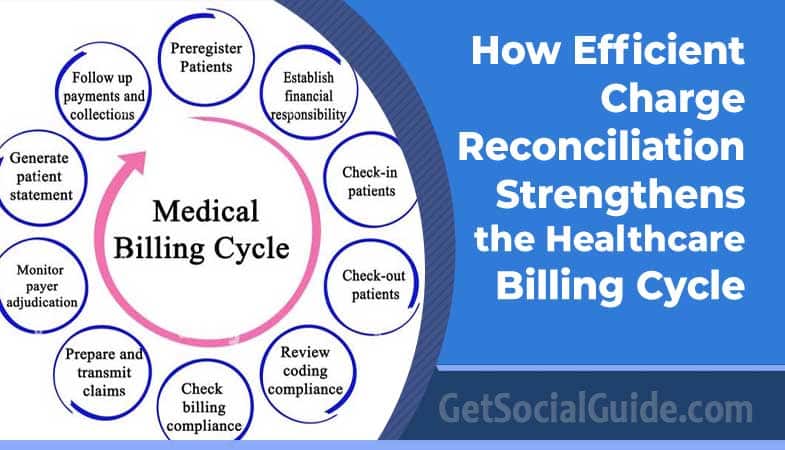
How Efficient Charge Reconciliation Strengthens the Healthcare Billing Cycle
Behind every smooth-running healthcare practice lies a long chain of administrative tasks that keep the doors open and the work flowing. Patient care is always the heart of any clinic, but the financial side must stay organized and accurate for the practice to stay stable. One of the key steps that often gets overlooked is charge reconciliation. When done consistently and correctly, efficient charge reconciliation can transform the entire billing process, reduce costly errors, and protect the financial health of a practice.
Although it happens behind the scenes, charge reconciliation is one of the strongest safeguards against lost revenue and billing inconsistencies. It keeps clinical documentation aligned with charges submitted for payment and helps both providers and billing teams stay on the same page. As healthcare grows more complex and billing rules become more detailed, the importance of an organized and efficient process becomes hard to ignore.
What Efficient Charge Reconciliation Really Means
Charge reconciliation is the process of confirming that every service provided by a clinician is documented and billed correctly. It serves as a checkpoint between what happened in the exam room and what gets sent to payers.
Efficient charge reconciliation does more than match numbers. It streamlines the workflow, identifies errors early, and ensures the revenue cycle moves without unnecessary delays. In short, it keeps financial accuracy tied closely to clinical care.
Healthcare environments move fast. Providers see many patients each day. In the rush, small details can slip through. A missing procedure code, a misinterpretation of documentation, or an unrecorded service can lead to lost income or claim denials. Reconciliation acts as a safety net, catching these issues before they spread through the billing cycle.
Why Efficiency Matters in Today’s Healthcare Setting
The healthcare industry continues to evolve, and billing requirements shift with every update to coding rules and payer guidelines. Practices that rely on outdated processes or inconsistent review methods face financial risks and administrative bottlenecks.
Efficient charge reconciliation helps counter these pressures by:
1. Protecting Revenue
Missed charges, incorrect details, or incomplete submissions directly affect reimbursement. Even small oversights can lead to significant long-term losses. Reconciliation ensures that every billable service is captured, protecting the practice from silent revenue leaks.
2. Improving Claim Accuracy
Accurate claims are the foundation of a healthy revenue cycle. Efficient charge reconciliation identifies mismatches between documentation and billed codes early, reducing the number of claim denials that result from avoidable errors.
3. Strengthening Compliance
Healthcare billing must align with strict rules. When charges match proper documentation, compliance improves. This reduces the risk of audits and penalties that can create financial and operational strain on a practice.
4. Creating Clearer Workflows
When reconciliation happens regularly, teams build dependable habits that support smoother billing processes. It reduces the last-minute rush to fix errors, minimizes confusion, and creates a predictable workflow that the entire staff can depend on.
5. Supporting Better Communication Between Teams
Efficient charge reconciliation encourages stronger collaboration. Providers become more aware of documentation needs, and billing teams gain better insight into clinical workflows. This leads to fewer misunderstandings and a more unified approach to patient care and financial management.
How Efficient Charge Reconciliation Enhances the Patient Experience
Patients rarely see the internal billing process, but they feel its impact. Billing mistakes can lead to confusing statements, delays, or unexpected charges, which can quickly diminish trust.
When reconciliation is efficient:
Billing statements become clearer and more accurate.
Patient questions are easier to answer.
Fewer corrections and reissued bills are needed.
This level of clarity supports a stronger patient-provider relationship. Patients experience healthcare as more organized and respectful, which contributes to long-term satisfaction.
The Growing Importance of Efficiency in Modern Practices
Healthcare practices face increasing pressures: expanding patient loads, tighter regulatory requirements, and rising expectations for transparency and accuracy. These pressures make efficient charge reconciliation more important than ever.
Practices that adopt strong reconciliation routines experience several long-term advantages:
Greater financial stability
Better forecasting and budgeting
Higher provider productivity
More reliable performance metrics
Fewer administrative setbacks
Efficient charge reconciliation becomes not just a helpful practice but an essential part of sustainable healthcare operations.
Steps to Building an Efficient Charge Reconciliation Process
Improving the reconciliation process does not require major changes. Instead, it depends on consistency and attention to detail. Practices can strengthen their process by:
Conducting daily or routine reviews of charges
Comparing service logs to billing submissions
Documenting patterns in common errors
Creating feedback loops for providers and billing teams
Adjusting workflows to close recurring gaps
Even small improvements can create noticeable gains in revenue accuracy and workflow efficiency.
Why Practices Prioritize Efficiency Now More Than Ever
The healthcare environment is filled with constant change. As practices adopt new technologies, expand service offerings, or adjust to payer updates, billing accuracy becomes harder to maintain without reliable systems. Efficient charge reconciliation provides structure in this evolving landscape.
It supports:
Stronger financial foundations
Cleaner data for reporting
Better operational planning
More confidence in daily decision making
With these advantages, practices can navigate challenges with more stability and fewer surprises.
Conclusion
Efficient charge reconciliation may seem like a routine step, but its impact reaches every corner of a healthcare practice. It protects revenue, supports compliance, strengthens communication, and leads to smoother billing from start to finish. In a world where accuracy and organization are essential, practices that prioritize efficient charge reconciliation gain a stronger, more dependable financial foundation.
By maintaining a clear connection between clinical care and financial processes, healthcare facilities position themselves for long-term success and a more stable, streamlined approach to billing.