How to Create a Headless YouTube Channel
Do you have such a desire; would you like to master the process of headless YouTube channel impersonation? Look no further! Let me just guide you through the process, step by step, so that at the end of this article you will have all the resources as well as the knowledge in order to set up your channel in no time. A headless YouTube channel means you can develop a channel and presence around your product or service without having to be on camera. This is especially useful if the user is quite uncomfortable being in front of the camera, or simply wants their content to sell itself. From creating your YouTube channel and making sure the right people can find you to designing your thumbnail, and the well- selection of your title.
Further, we will also explain how to create an environment for an active community and gaining subscribers with no need to expose your face. If you do not consider yourself a tech-savvy person there is no need to worry, we will explain all steps in detail. At the end of this article, you will have the assurance and the know-how to set and operate a highly-effective, headless YouTube channel that gets views and delivers results. Well so let’s without further ado get into it and discover how to get the full potential of creating headless content on YouTube.
What is a Headless YouTube Channel?
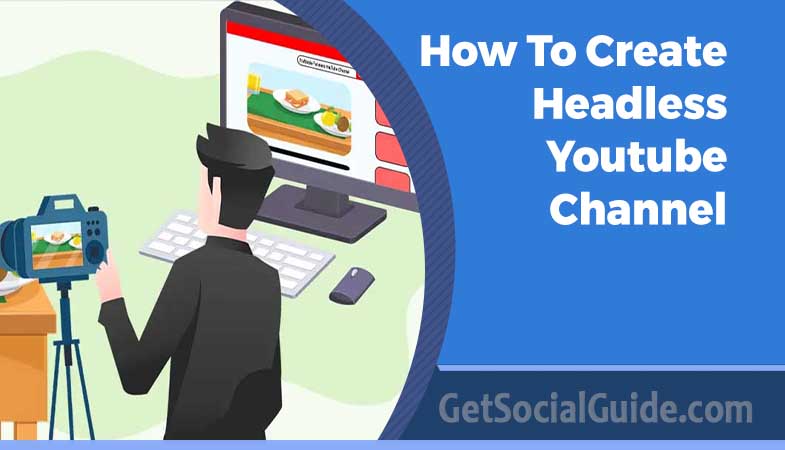
A headless YouTube channel is one in which the YouTube content creator does not make personal appearances on it. On the contrary, its focus is on developing quality videos that will in one way or another be relevant to people’s lives. And this can be done in many ways for instance by dubbing in the disabled using voice-overs or animation or making screen records or even hiring disabled actors or spokesperson. As to why people and companies decide to go headless on YouTube, there are several factors that are worth understanding.
This is one of the main benefits: you can come up with some creative ideas for content without bearing the stress of appearing on-camera. This is especially useful for those who do not like recording videos, or they feel awkward being in videos. There is also a freedom that comes with having a headless YouTube channel as a benefit. There is no restriction of having the host or the main speaker on the screen therefore more flexibility on how it is implemented. This may result to higher creative input and the possibility to feed diverse interests of the audience in the society.
Also, a headless YouTube channel can be useful for preserving the anonymity of the person launching the channel. Some creators might want to remain anonymous for some reasons be it personal or professional. This enables them to narrow their attention in providing useful contents while keeping their identity a secret to the viewers. In the next part, we shall outline how you can begin your headless YouTube channel and guide you through the process step by step; from choosing your niche to ranking your video.
Steps to Create a Headless YouTube Channel
Choosing a Niche for Your Headless YouTube Channel
The initial action to undertaking headless You Tube channel creation is to decide on a focus. This is the specialization or categorization that your channel will focus on. Choosing the correct niche is important, as it determines a target market in which the reader benefits from the produced content. When deciding on the subject of intervention, one should take into account one’s passion, competency and need for content on the particular field. You need to achieve a balance between a specific topic that you would love to cover and one that has targeted audience/reader. Thus, it is recommended to perform a competitive analysis to find trending micro-niches and determine how you can offer some fresh angle or utility in that slot. After discovering your focus, it is now the proper time to design your YouTube account as well as channel.
Setting Up Your YouTube Account and Channel
In order to establish a YouTube channel without an identifying user profile picture, you must acquire a Google account. If one is not already in your possession, head over to the designated page for creating said account. Then proceed with the following steps to initiate and install your new faceless YouTube platform:
- Access YouTube by logging in with your Google account.
- To create a channel, click the profile picture located in the upper right corner and choose “Create a Channel” from the menu that appears.
- Select “Custom name” to establish a brand account for your YouTube channel without a visible head.
- Type in the desired name of your channel and proceed to click on “Create”.
- Congrats on successfully setting up your YouTube channel without a header!
- Now that your YouTube channel is established, it’s important to begin generating and maximizing videos that will intrigue your viewers.
Creating and Optimizing Videos for Your Headless YouTube Channel
To maximize engagement and visibility for your headless YouTube channel, there are important factors to consider. First, prioritize creating top-quality content with value that resonates with your audience by researching topics in your niche and approaching them from unique angles. Solve problems or answer questions while entertaining the viewer without appearing on screen. Secondly, improve visual elements such as animations, graphics or recordings since you will not be presenting yourself on camera; use professional video editing software upgrade quality of videos as well making them more engaging.
Finally take time to optimize these videos utilizing relevant keywords within titles descriptions and tags increasing organic reach through search result rankings. Lastly , create appealing thumbnails because this is often what viewers see first when browsing channels which represents accurately the content showcased. Sort out strategies promoting growth via attracting subscribers shall highlighted next.
Promoting Your Headless YouTube Channel
Promoting your YouTube channel is crucial for attracting viewers and building a loyal subscriber base. Here are some effective strategies to help you spread the word about your channel:
- Optimize Video Titles and Descriptions: Create engaging titles and descriptions that encourage viewers to click on your videos. Include relevant keywords and a call-to-action to boost engagement.
- Leverage Social Media: Share your videos across social media platforms to broaden your reach. Interact with your audience, respond to comments, and collaborate with other creators to enhance visibility.
- Utilize SEO Techniques: Research popular keywords in your niche and optimize your video titles, descriptions, and tags accordingly. This will help your videos rank higher in search results and attract organic traffic.
- Collaborate with Other Creators: Partnering with other YouTube creators in your niche can introduce your channel to a larger audience. Reach out to potential collaborators for mutually beneficial projects.
- Engage with Your Audience: Respond to comments, ask for feedback, and encourage viewers to subscribe and share your videos. Building a strong community will attract new subscribers and keep existing ones engaged.
Monetizing Your Headless YouTube Channel
Monetizing your YouTube channel involves generating revenue from your videos. While the process may vary depending on your channel’s size and eligibility, here are some common methods to consider:
- YouTube Partner Program (YPP): Joining the YouTube Partner Program lets you enable ads on your videos and earn money through ad revenue. To be eligible, your channel needs at least 1,000 subscribers and 4,000 watch hours in the past 12 months.
- Sponsorships and Brand Partnerships: As your channel grows, you might attract sponsorships and brand partnerships. Companies may approach you to promote their products or services in your videos. Make sure these partnerships align with your channel’s content and values.
- Affiliate Marketing: Include affiliate links in your video descriptions or use affiliate marketing platforms to earn commissions from sales generated through your referrals.
- Digital Products and Merchandise: Create and sell digital products like e-books or online courses related to your niche. You can also design and sell merchandise such as t-shirts or mugs featuring your channel’s branding.
Analyzing and Improving Your Headless YouTube Channel’s Performance
Analyzing your YouTube channel’s performance is essential for identifying areas for improvement and making informed decisions. Here are some key metrics to monitor:
- Watch Time: Keep an eye on the total watch time and average watch time of your videos. This metric shows how engaging your content is and whether viewers are watching your videos all the way through.
- Retention Rate: Look at the audience retention rate to see how long viewers stay before dropping off. Identify any patterns and adjust your content to keep viewers engaged throughout the entire video.
- Subscriber Growth: Track the growth of your subscriber base over time. Aim to increase your subscriber count by providing consistent, valuable content and using effective promotion strategies.
- Engagement Metrics: Monitor likes, dislikes, comments, and shares to gauge audience engagement. Encourage viewers to interact with your videos by asking questions or inviting them to share their thoughts.
- Traffic Sources: Analyze where your viewers are coming from. Understanding your traffic sources will help you identify which promotion strategies are driving the most traffic to your channel.
Using the insights gathered from these metrics, you can make data-driven decisions to improve your content, engagement, and overall channel performance. Experiment with different types of videos, formats, and promotional techniques to find what works best for your audience.
Exploring Camera‑Free Content Creation (Expanded)
Did you know that 75% of people do not enjoy being on camera? Many talented potential YouTube creators are unsure how to begin a channel without showing their face. But don’t worry – here are some helpful tips!
| Content Type | Description | Example Channels |
|---|---|---|
| Stock Visuals | Use royalty‑free footage from sites like Pexels, Pixabay, or Envato Elements. Combine with voiceover to tell a story. | MagnatesMedia, ColdFusion |
| Compilation Channels | Curate clips from other videos, add your own commentary or humor, and ensure fair use compliance. | WatchMojo, FailArmy |
| Screen‑Captured Tutorials | Record your screen while explaining software, design, or coding processes. Perfect for tech niches. | Guru99, freeCodeCamp |
| Unboxing & Reviews | Focus on the product itself—no face needed. Use close‑up shots and detailed narration. | Unbox Therapy (occasional face), TechSmartt |
| DIY & Crafts | Show hands‑only while demonstrating woodworking, painting, or repair techniques. | Five‑Minute Crafts, Woodworking for Mere Mortals |
| Gaming | Record gameplay with commentary but without a facecam. Use overlays and creative editing. | VanossGaming (early days), H2ODelirious |
| Animated Educational | Use whiteboard animations, motion graphics, or simple 2D animation to explain complex topics. | Kurzgesagt – In a Nutshell, PolyMatter |
| Podcasts / Narration | Combine static images, b‑roll, and your voice to produce audio‑first content. | The Tim Ferriss Show (on YouTube), Joe Rogan Experience |
Each of these formats can be executed entirely without showing your face, allowing you to build authority while maintaining privacy. The key is to invest in quality audio, crisp visuals, and a consistent brand identity.
Advanced Strategies for Headless Channels
1. AI Voiceovers & Text‑to‑Speech
If you’re uncomfortable recording your own voice, tools like Resemble AI, Play.ht, or even ElevenLabs can generate natural‑sounding voiceovers. However, make sure to add your own creative spin—purely automated voices can feel robotic. Use them for scripts you write yourself, then layer with background music and sound effects to keep engagement high.
2. B‑Roll Storyboarding
Since you won’t be on camera, your B‑roll must carry the narrative. Plan each video with a storyboard: sketch out the visuals you need. Use sites like Pexels, Artgrid, or Storyblocks for high‑quality stock footage. Combine clips with kinetic typography to emphasize key points.
3. Building a Brand Without a Face
Your channel’s visual identity becomes everything. Create a memorable logo, use consistent color schemes, and develop a recognizable intro/outro. A strong brand helps viewers trust you even without seeing you. Use your channel banner and thumbnails to convey personality.
Monetization Beyond Ads
While ad revenue is a great start, headless channels often excel at product‑based monetization because the focus remains on the content, not the personality. Consider:
- SaaS or digital tools: Create your own software or templates and promote them in your videos.
- Courses & memberships: Build a paid community around your niche.
- Sponsored content: Brands often prefer faceless channels because the messaging stays clean and focused on the product.
Common Pitfalls and How to Avoid Them
- Low Audio Quality: Viewers will click away if your voiceover sounds tinny or has background noise. Invest in a decent USB microphone (e.g., Blue Yeti, RØDE NT‑USB) and record in a quiet space.
- Boring Visuals: Without a face, you must keep the screen dynamic. Use zooms, transitions, and animated text to maintain interest.
- Inconsistent Uploads: Algorithm favors consistency. Create a content calendar and stick to it—even if it’s once a week.
- Ignoring YouTube Shorts: Short‑form content can rapidly grow your subscriber base. Repurpose parts of your long videos into Shorts with captions.
Conclusion
Creating a headless YouTube channel opens up a world of possibilities for content creators who prefer to let their videos speak for themselves. With the step-by-step guide provided in this article, you now have the knowledge and tools to create and run a successful headless YouTube channel. Choose a niche that aligns with your interests and provides value to your audience. Optimize your videos for maximum visibility, promote your channel through various channels, and monetize your content responsibly. Continuously analyze and improve your channel’s performance to ensure long-term growth and success. Are you ready to start your headless YouTube journey? Begin by selecting your niche, setting up your YouTube account, and creating captivating videos that leave a lasting impression. The world is waiting to discover your unique voice in the headless YouTube realm. Good luck!