The evolution of social media has been nothing short of revolutionary. From simple platforms for connecting with friends, they have transformed into dynamic ecosystems where brands are built, communities are forged, and fortunes are made. With billions of active users across platforms like Instagram, Facebook, TikTok, LinkedIn, and YouTube, the potential for businesses to reach their target audience is unprecedented. However, this immense opportunity comes with equally immense competition. Simply having a presence on social media is no longer enough. Success in 2025-2026 demands a strategic, data-driven approach that goes beyond posting random content and hoping for the best.
According to recent studies, the average user spends nearly 2.5 hours daily on social platforms, making it one of the most influential channels for brand discovery and customer engagement (Statista). Yet, many businesses still struggle to convert this attention into tangible results. The difference between a thriving social media presence and a stagnant one lies in the strategy behind it. Organized planning, audience research, compelling content creation, and consistent engagement are the pillars that support a successful social media marketing (SMM) campaign.
In this comprehensive guide, we will explore the most effective, actionable tips to boost your social media marketing services in 2025-2026. From choosing the right platforms to harnessing the power of live video and user-generated content, these strategies will help you attract more followers, establish deeper engagement, and ultimately convert your audience into loyal customers.
In today’s crowded digital landscape, there is a wide range of social media platforms, each with its own unique culture, demographics, and content formats. From the visual appeal of Instagram and TikTok to the professional networking of LinkedIn, the conversational nature of X (Twitter), and the broad reach of Facebook, the choices can be overwhelming. The cardinal rule of social media marketing is this: you don’t need to be everywhere; you need to be where your audience is.
How to Choose the Right Platform
🔍 Define Your Target Audience
Start by creating detailed buyer personas. What is their age, gender, location, profession, and income? What are their interests, hobbies, and pain points? Once you have a clear picture, research where these people spend their online time.
- Gen Z (13-26): TikTok, Instagram, Snapchat, YouTube.
- Millennials (27-42): Instagram, Facebook, X (Twitter), LinkedIn.
- Gen X (43-58): Facebook, YouTube, LinkedIn.
- Boomers (59+): Facebook, YouTube.
📊 Analyze Platform Demographics
Use tools like Pew Research Center reports or platform advertising data to understand user demographics. For B2B companies, LinkedIn is non-negotiable. For lifestyle, fashion, or food brands, Instagram and Pinterest are powerhouses. For quick, entertaining content, TikTok is the current leader in engagement.
🎯 Match Platform to Your Content Type
Your content strategy should align with the platform’s strengths.
- Instagram & TikTok: High-quality photos, short-form video, Reels, Stories.
- LinkedIn: Long-form articles, industry insights, professional updates, infographics.
- Facebook: Mix of video, images, links, and community-building in Groups.
- YouTube: Long-form video content, tutorials, vlogs, reviews.
- X (Twitter): Real-time updates, news, customer service, short text.
Choosing the right platform is not about picking the most popular one, but the most effective one for your brand. A focused presence on one or two platforms is far more valuable than a weak, neglected presence on five.
2. Create A Compelling Brand Story
Facts and figures inform, but stories connect. In a world saturated with advertisements, consumers are craving authentic, human connections with the brands they support. Your brand story is the narrative that weaves together your company’s history, mission, values, and purpose. It’s not just about what you sell, but why you sell it and the impact you want to make. Effective storytelling can transform a faceless corporation into a relatable entity, fostering deep emotional bonds with your audience.
Elements of a Powerful Brand Story
- Authenticity: Be genuine and transparent. Share your struggles, your “why,” and the real people behind the brand. Don’t try to be something you’re not.
- Relatability: Your story should resonate with your target audience’s own aspirations, challenges, and values. It should make them think, “This brand understands me.”
- Consistency: Your story should be consistently reflected across every piece of content, every caption, every video. This builds a cohesive and recognizable brand identity.
- Emotion: The best stories evoke an emotion—inspiration, joy, empathy, nostalgia. Emotion is what drives people to remember and share your content.
Use your social media platforms to tell your story in pieces. Introduce your team members in an Instagram Story. Share a video of your founder explaining the company’s mission on LinkedIn. Post a series of photos showing the journey of a product from concept to creation. By consistently sharing these narrative fragments, you build a richer, more engaging picture of your brand that encourages loyalty and trust (Forbes).
3. Leverage User-Generated Content (UGC)
In the age of social proof, consumers trust other consumers far more than they trust brands. User-generated content (UGC)—photos, videos, reviews, and testimonials created by your customers—is one of the most powerful forms of marketing available. It’s authentic, relatable, and incredibly effective at building trust and influencing purchase decisions.

- Builds Trust and Credibility: When potential customers see real people using and enjoying your products, it serves as powerful social proof that your brand is trustworthy. It’s more believable than any polished advertisement.
- Increases Engagement: Featuring content from your followers makes them feel valued and appreciated, encouraging them to continue engaging with your brand and share your content with their own networks.
- Provides Authentic Content: UGC gives you a steady stream of authentic, relatable content to share on your own channels, reducing the burden of constant content creation.
- Boosts Conversions: Studies show that UGC can significantly impact purchasing decisions. Seeing a product in a real-life context helps potential buyers visualize themselves using it (Nielsen).
How to Encourage UGC
- Create a Branded Hashtag: Encourage customers to use a unique hashtag when posting about your products. This makes it easy for you to find and share their content.
- Run Contests and Challenges: Incentivize content creation by running photo contests or challenges with prizes for the best submissions.
- Feature Customers Regularly: Make it a habit to share customer photos and testimonials on your feed and stories. Always tag the creator and thank them.
- Ask for Reviews and Testimonials: Encourage satisfied customers to leave reviews on your social media pages or on platforms like Google and Yelp.
In the visually-driven world of social media, high-quality, original images are non-negotiable. The definitive guide to social media marketing emphasizes that visuals are the first thing users notice and play a crucial role in stopping the scroll. However, in 2025-2026, generic stock photos are a major turn-off. Audiences have become extremely sophisticated and can spot a staged, inauthentic image from a mile away, and they often reject it. To truly connect, you need to invest in original, brand-specific visuals.
Moving Beyond Stock Photography
Relying on overused stock images can make your brand feel impersonal and untrustworthy. Instead, focus on creating a unique visual identity.
- Hire a Professional Photographer: Invest in a photoshoot to capture high-quality images of your products, your team, and your workspace. This provides you with a library of authentic, branded visuals.
- Use Design Tools: Platforms like Canva, Venngage, and Adobe Express offer a wealth of templates and tools to create original graphics, infographics, and social media posts, even without a professional design background. Venngage, for example, specializes in infographics and data visualization, which can be incredibly effective for sharing information in a visually appealing way.
- Behind-the-Scenes Content: Candid, behind-the-scenes photos and videos are inherently authentic. They show the human side of your brand and build a stronger connection with your audience.
- Maintain Visual Consistency: Develop a consistent style for your images—a specific color palette, filter, or composition—so that your feed is instantly recognizable.
💡 Pro Tip: Create a brand style guide for your social media visuals. Include your primary and secondary color palettes, font choices, and examples of approved imagery. This ensures anyone creating content for your brand maintains a consistent and professional look.
5. Advertise Through Instagram
With over two billion monthly active users, Instagram remains a powerhouse for social media marketing. Its highly visual nature and sophisticated advertising platform make it one of the most effective channels for reaching and engaging potential customers. According to recent data, Instagram offers significantly higher engagement rates compared to platforms like Facebook and Twitter, making it a prime destination for brands looking to build a loyal following (Hootsuite).
Why Instagram is a Marketing Powerhouse
- Massive and Engaged User Base: With its billion-plus users, the potential reach is enormous. The platform’s algorithm is designed to show users content they’re interested in, which means your ads can be highly targeted.
- Highly Effective Ad Formats: Instagram offers a variety of ad formats to suit different goals:
- Photo Ads: Simple, visually appealing image ads that appear in the feed.
- Video Ads: Engaging video content that can tell a story or showcase a product in action.
- Carousel Ads: Multiple images or videos that users can swipe through, perfect for showcasing a product line or telling a step-by-step story.
- Story Ads: Full-screen, immersive ads that appear between users’ Stories, great for driving quick action.
- Reels Ads: Short, entertaining video ads that appear in the Reels feed, capitalizing on the most engaging content format on the platform.
- Shopping Ads: Allow users to purchase products directly from the ad, creating a seamless shopping experience.
- Precise Targeting Options: Instagram’s advertising platform (powered by Facebook’s Ads Manager) allows you to target users based on demographics, interests, behaviors, and even custom audiences (like people who have visited your website or engaged with your content).
6. Harness the Power of Live Video
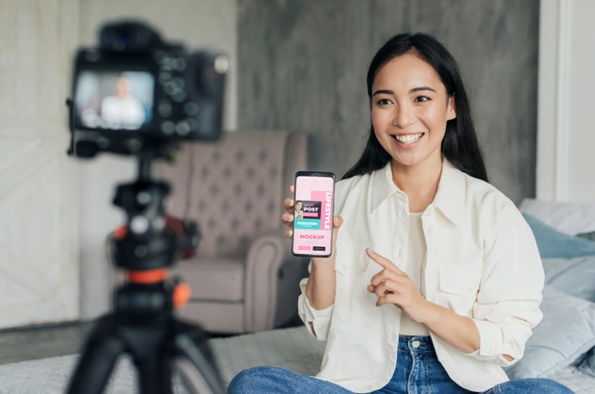
Live video streaming has become one of the most powerful tools for brands to connect with their audience in real-time. Platforms like Instagram Live, Facebook Live, YouTube Live, and TikTok Live offer unparalleled opportunities for authentic, unfiltered interaction. Research consistently shows that audiences find live video more engaging and trustworthy than pre-recorded, polished content. It’s immediate, genuine, and interactive—qualities that today’s consumers crave.
Why Live Video Works
- Authenticity and Trust: Live video is unscripted and unfiltered, which builds trust. Viewers see the real people behind the brand, which humanizes your company and fosters a stronger connection.
- Real-Time Engagement: The ability for viewers to comment, ask questions, and get responses in real-time creates a powerful sense of community and participation. This two-way interaction is far more engaging than passive content consumption.
- High Visibility: Platforms often send notifications to followers when you go live, and live videos tend to be prioritized in algorithms, giving you a boost in organic reach.
- Versatile Content: Live video can be used for a wide range of purposes:
- Product Launches: Unveil a new product and answer questions live.
- Q&A Sessions: Let your audience ask questions and get to know your team.
- Behind-the-Scenes Tours: Show your office, your production process, or an event you’re attending.
- Interviews and Collaborations: Bring on an industry expert or collaborate with an influencer.
- Tutorials and Demos: Show customers how to use your product effectively.
Bonus: 3 Advanced Strategies for 2026
To truly stay ahead of the curve, incorporate these advanced tactics into your social media marketing services.
1. Leverage AI-Powered Content Creation and Curation
Use AI tools ethically to generate content ideas, draft captions, and even create basic visuals. Tools like Jasper.ai for copy and Canva’s AI image generator can significantly speed up your workflow. However, always ensure the final output has a human touch and aligns with your brand voice. Use AI for efficiency, not to replace genuine connection.
Shoppable posts and in-app checkouts are becoming the standard. Platforms like Instagram and TikTok are aggressively pushing social commerce. Set up your shop on these platforms, tag products in your posts and Stories, and create a seamless path from discovery to purchase without users ever leaving the app.
3. Invest in Micro-Influencer Partnerships
While mega-influencers have massive reach, micro-influencers (10k-100k followers) often have higher engagement rates and more trusted relationships with their niche audiences. Partnering with relevant micro-influencers can be a highly cost-effective way to build authentic brand advocacy and reach targeted communities.
| Strategy | Key Action | Primary Benefit | Best Platform(s) |
|---|---|---|---|
| Choose the Right Platform | Research audience demographics and platform strengths | Efficient use of resources, higher engagement | All, based on audience |
| Create a Brand Story | Share authentic, emotional, consistent narratives | Builds emotional connection and loyalty | Instagram, LinkedIn, YouTube |
| Leverage User-Generated Content | Encourage and share customer photos/reviews | Builds trust and provides authentic social proof | Instagram, TikTok, Facebook |
| Use Social-Friendly, Original Images | Invest in original photography and design tools | Stands out, builds a recognizable visual identity | Instagram, Pinterest, Facebook |
| Advertise Through Instagram | Utilize diverse ad formats and precise targeting | Massive reach, high engagement, direct sales | |
| Harness the Power of Live Video | Host live Q&As, launches, and behind-the-scenes content | Real-time engagement, builds authenticity and trust | Instagram, Facebook, YouTube, TikTok |
| Master Social Commerce (Bonus) | Set up shops and use product tagging | Seamless path to purchase, higher conversion rates | Instagram, TikTok, Facebook |
⚠️ Important Note: Social media algorithms and trends evolve rapidly. A strategy that works today may need adjustment tomorrow. Stay informed by following industry blogs (like Social Media Today or HubSpot), attending webinars, and regularly analyzing your own performance data. Flexibility and a willingness to adapt are key to long-term success.
Frequently Asked Questions
Consistency is more important than frequency. It’s better to post high-quality content 3-4 times a week on a consistent schedule than to post daily for a month and then go silent. Use analytics to see when your audience is most active and tailor your posting schedule accordingly. For Stories, daily posting can help keep you top-of-mind.
There are general guidelines (e.g., weekdays during lunch hours), but the “best” time is unique to your specific audience. Use the analytics tools provided by each platform (Instagram Insights, Facebook Analytics) to see when your followers are most active and schedule your posts for those peak times.
Define your key performance indicators (KPIs) based on your goals. Common KPIs include engagement rate (likes, comments, shares), reach, follower growth, website traffic from social media, and conversion rate (sales, sign-ups). Use platform analytics and tools like Google Analytics to track these metrics.
No, absolutely not. It’s far more effective to have a strong, engaged presence on 2-3 platforms where your target audience spends their time than to spread your resources thin across every platform. Start with one or two, master them, and then consider expanding.
The role has evolved beyond just posting. A modern social media manager is a strategist, content creator, community manager, data analyst, and customer service representative. They need to understand platform algorithms, create compelling video content, analyze performance data, engage authentically with followers, and stay ahead of rapidly changing trends.
How can I get more followers organically?
Organic growth comes from consistently posting high-quality, valuable content that resonates with your target audience. Engage actively with other accounts in your niche, use relevant hashtags, collaborate with other creators or brands, and encourage your followers to share your content. Authenticity and consistency are key drivers of organic growth.
Social media marketing in 2025-2026 is a dynamic, challenging, and incredibly rewarding field. It’s no longer just about broadcasting your message; it’s about building a community, telling authentic stories, and creating genuine connections. By implementing the strategies outlined in this guide—choosing the right platforms, crafting a compelling brand story, leveraging the power of user-generated content, using original visuals, mastering Instagram advertising, and embracing live video—you can transform your social media presence from a simple broadcasting channel into a powerful engine for brand growth, customer loyalty, and revenue generation.
Remember, success doesn’t happen overnight. It requires patience, consistency, and a willingness to learn and adapt. Start by focusing on one or two key areas for improvement, develop a solid content strategy, and engage with your audience authentically. With dedication and the right approach, your brand can not only thrive in the crowded social media landscape but truly stand out and make a lasting impact.
Shane Brown is a passionate blogger and chief blogging officer at BloggerOutreach, Viacon, SEOGrowthEngine, RedHatMedia, iDream Agency, SBNewsroom, SmartBusinessDaily, OkeyMagazine, Gossipment, and 7 Best Things. He specializes in inbound marketing and creative sales copy.
Get our free “Social Media Content Calendar Template” to plan, organize, and track your posts across all platforms. Start building a winning strategy today!