
Five Most Common Mistakes To Avoid Before Enrolling In An Online SEO Course
Are you searching for an online SEO course that can help you rank better on search engines?
Search Engine Optimization is the method of applying tricks and strategies to increase your search relevance in the search engines and drive more organic traffic to your web page. Whether you are a small company or an established business, SEO can help you increase your visibility, brand awareness, and, ultimately, conversions.
If you are just starting with the concept of SEO or digital marketing, choosing the best online SEO course can be tricky. To narrow your search process, we’ve compiled the five common mistakes you must avoid while enrolling in an online SEO course.
What is Search Engine Optimization?
Search Engine Optimization refers to the process of optimizing your website’s content, structure, and overall online presence to improve its visibility in search engine results pages (SERPs). When a user searches for relevant keywords or phrases on search engines like Google, Bing, or Yahoo, the goal of SEO is to ensure that your website appears among the top search results. By aligning your website with the algorithms and criteria used by search engines, you increase the likelihood of attracting organic traffic and reaching your target audience.
Understanding SEO
Before diving into the common mistakes, let’s briefly understand what SEO is all about. Search Engine Optimization is the process of implementing techniques and strategies to enhance a website’s visibility in search engine results pages (SERPs). By optimizing your website according to search engine algorithms, you increase your chances of ranking higher, attracting more organic traffic, and gaining brand exposure.
Importance of SEO
Effective SEO practices can significantly impact your online presence and business success. Here’s why SEO is important:
- Increased Visibility: SEO helps your website rank higher in search engine results, ensuring maximum visibility to your target audience.
- Brand Awareness: Ranking higher in search results establishes your brand as a credible and trustworthy authority in your industry.
- Organic Traffic: By optimizing your website for relevant keywords, you can attract organic traffic from search engines, reducing your dependency on paid advertising.
- Better User Experience: SEO involves optimizing your website’s structure, speed, and user interface, creating a seamless and engaging experience for visitors.
- Higher Conversions: Improved visibility and targeted traffic lead to higher conversion rates, ultimately boosting your revenue and business growth.
Common Mistakes in Choosing an Online SEO Course
When selecting an online SEO course, it’s crucial to avoid these common mistakes:
Relying Heavily on Theoretical Knowledge
One of the common mistakes in learning SEO is relying heavily on theoretical pieces. These days there are tons of online SEO articles available on the internet that explain the general concepts, discuss the SEO terms and analyze the ranking factors. While understanding these concepts is essential, theoretical knowledge will not help you much in putting them to practice. Enrolling in a course that helps the students gain practical knowledge about building SEO from scratch is vital.
Unclear Goals and Objectives
Being clear about your core objective in learning SEO can help you pick the best course for you. These days there are numerous online courses that have different course structures and materials to highlight the various aspects of search engine optimization. Therefore, choosing a course that aligns with your goals and purpose for learning SEO is vital.
Not Getting Certified
Learning SEO basics from online articles or video content is a great option for starters. But, when you have decided to get to the bottom of the concept and its practical applications, it is always better to get evidence of your acquired skills and knowledge. When searching for an online SEO course, find out whether they will be providing you with a diploma or certificate that can help you in your career growth.
Trust and authority are the most critical factors when opting for an SEO course. With tonnes of online courses generated every week, it can be an overwhelming task to find out whether the SEO techniques explained in the course really work. Instead of putting your blind faith in them, research their background. Check the author’s credentials and the company background to learn about their reputation. Dig into their websites and social media pages or business directories for testimonials. Find out whether they are trustworthy and worth your investment.
Not Comparing the Price Based on Value
It is worth understanding that not all expensive courses guarantee you the best results. Many free online SEO courses are offered by Coursera, Semrush Academy, Moz, or Hubspot Academy, which take about an hour or two. But the best online SEO course is the one that will empower you with the skills you need to reach your SEO goals. So compare the price and value before you opt for a one-time course or a monthly subscription based on your personal SEO goals.
Finally, keep in mind that SEO practices and algorithms change all the time. So, find an online SEO course that has been published or updated recently.
Keep in mind these factors and find the best SEO course that caters to your needs. Good luck!
How to Choose the Right Online SEO Course
To select the most suitable online SEO course, follow these steps:
Step 1: Research Course Providers
Conduct thorough research on various course providers. Consider their reputation, industry expertise, student feedback, and recognition within the SEO community. Shortlist providers that align with your learning objectives and have a positive reputation.
Step 2: Evaluate Course Content and Curriculum
Carefully review the course content and curriculum. Ensure it covers the essential SEO topics and techniques you wish to learn. Look for a well-structured and comprehensive curriculum that provides a step-by-step guide to SEO best practices.
Step 3: Read Reviews and Testimonials
Read reviews and testimonials from previous students. Check reputable platforms and forums to gather honest feedback on the course quality, instructor’s knowledge, and the overall learning experience. Consider both positive and negative reviews to make an informed decision.
Step 4: Assess Practical Application and Case Studies
Determine if the course offers practical exercises, assignments, and case studies. Practical application is crucial to reinforce your learning and gain hands-on experience. Look for courses that provide opportunities to apply SEO techniques in real-world scenarios.
Step 5: Compare Pricing and Value
Compare the pricing of shortlisted courses against the value they offer. Consider factors such as lifetime access to course materials, instructor support, additional resources, and any bonuses or perks. Choose a course that provides the best overall value for your investment.
Conclusion
Choosing the right online SEO course is vital for gaining the knowledge and skills needed to succeed in the dynamic world of digital marketing. By avoiding common mistakes such as not researching course providers, overlooking course content, neglecting reviews, and ignoring practical application, you can make an informed decision and select a course that aligns with your goals. Remember, investing in your SEO education is an investment in the future success of your business.
FAQs
Q1: Can I learn SEO without taking an online course?
Yes, it is possible to learn SEO through self-study and online resources. However, an online SEO course can provide structured learning, expert guidance, and practical exercises to enhance your understanding and skills.
Q2: How long does it take to learn SEO?
The duration to learn SEO depends on various factors, such as prior knowledge, the complexity of the concepts, and the depth of the course. With dedicated effort and consistent learning, you can gain a good grasp of SEO fundamentals within a few months.
Q3: Are all online SEO courses the same?
No, online SEO courses vary in terms of content, quality, and teaching methodologies. It’s crucial to research and compare different courses to find the one that aligns with your learning style and objectives.
Q4: Will an online SEO course guarantee immediate results?
An online SEO course provides you with the knowledge and tools to implement effective SEO strategies. However, achieving results depends on various factors, including competition, industry, and the level of effort you put into implementing the techniques learned.
Q5: Can I get a refund if I’m not satisfied with an online SEO course?
Refund policies vary among course providers. Before enrolling, carefully review the refund policy of the course you’re considering to ensure you understand the terms and conditions.

Brandon Leibowitz is the founder of SEO Optimizers, a Digital Marketing Agency in Los Angeles, California. He is also the founder of Bosmol.com, a social media news log. He has been involved with search engine optimization and internet marketing since 2007.
Pro Tip: Audit Before You Learn
Before you even start a course, run a free website audit using tools like Google PageSpeed Insights or Semrush’s Site Audit. This gives you a practical benchmark. As you learn new concepts in your chosen course—like improving Core Web Vitals or fixing crawl errors—you can immediately apply them to your own real-world project. This transforms theoretical knowledge into practical skill faster than any coursework alone.
Warning: The Black-Hat Temptation
Be extremely wary of any course or “guru” promising secret tricks for instant #1 rankings. SEO is a long-term game built on providing genuine value. Courses that heavily promote buying backlinks, keyword stuffing, or other “black-hat” techniques are teaching strategies that violate search engine guidelines and can lead to your site being penalized or removed from search results entirely. A reputable course focuses on sustainable, white-hat methods.
Beyond the Basics: 5 Critical SEO Mistakes Your Course Must Address
Once you’ve selected a course, a successful SEO strategy requires avoiding common execution errors. Your chosen course should arm you with the knowledge to sidestep these five critical pitfalls that even seasoned marketers sometimes miss.
1. Targeting the Wrong Keywords
The most common strategic error is aiming for keywords that are either too broad or don’t match your capacity to compete. Beginners often chase high-volume terms like “best shoes” without realizing they’re competing against global brands with massive resources.
How Your Course Should Prepare You:
A quality course will teach you to use keyword research tools to analyze Keyword Difficulty (KD), search volume, and user intent. The goal is to identify “long-tail keywords”—more specific phrases like “vegan leather running shoes for women” that have lower search volume but much higher conversion potential and are easier to rank for as a new site.
2. Ignoring Technical SEO Foundations
Many believe SEO is just about writing great content, but if search engines can’t properly crawl and understand your site, that content is invisible. Common technical issues include painfully slow load times, pages blocked from indexing, or a site that isn’t mobile-friendly.
How Your Course Should Prepare You:
Look for a curriculum that covers technical SEO essentials. You should learn how to:
- Use tools like Google PageSpeed Insights and Google Search Console to audit your site.
- Optimize images and leverage browser caching to improve site speed.
- Ensure your site uses mobile-first indexing, meaning it’s fully responsive and fast on phones and tablets.
3. Creating Content That Misses User Intent
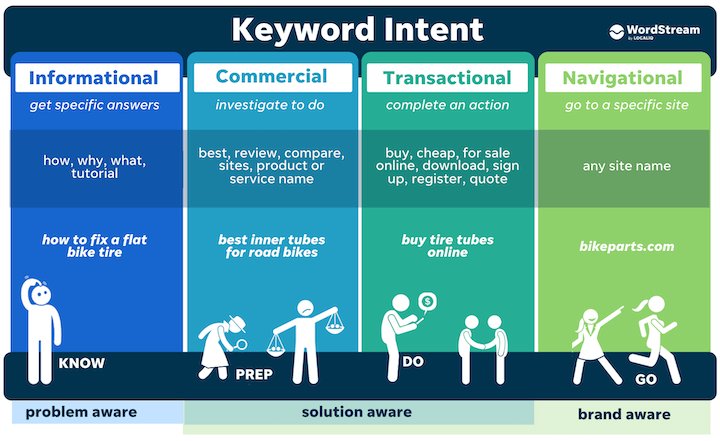
You can target the right keyword but still fail if your content doesn’t satisfy what the user is looking for. Google’s primary goal is to match a search query with the perfect result. If someone searches “how to knit a scarf” and lands on a page that just lists scarf knitting kits for sale, they’ll leave immediately—a negative signal to Google.
How Your Course Should Prepare You:
A comprehensive course will teach you to analyze search intent. You’ll learn to study the top-ranking pages for your target keyword: are they how-to guides, product lists, or opinion pieces? Your content should match that format and aim to be the most comprehensive, helpful answer available.
4. Neglecting E-E-A-T and Content Quality
Google’s guidelines emphasize E-E-A-T: Experience, Expertise, Authoritativeness, and Trustworthiness. Thin, AI-generated content without unique insight or outdated articles will struggle to rank. Quality trumps quantity every time.
How Your Course Should Prepare You:
Your chosen course must move beyond basic writing tips. It should teach you how to:
- Build authority by citing reputable sources and showcasing expert credentials.
- Create content that provides unique value, such as original data, case studies, or in-depth analysis.
- Regularly update and refresh old content to maintain its relevance and rankings.
5. Pursuing Harmful “Shortcut” Strategies
The promise of quick results can be tempting. This includes tactics like buying backlinks, keyword stuffing, or using private blog networks. These are considered “black hat” SEO and violate Google’s guidelines. The result is rarely lasting success and often leads to severe manual penalties.
How Your Course Should Prepare You:
A reputable SEO course will instill an ethical, sustainable approach. It should cover:
- White-hat link-building strategies, such as creating exceptional content worth linking to.
- How to naturally integrate keywords without keyword stuffing.
- The importance of earning rankings through genuine user value, not manipulation.
The Modern SEO Learner’s Checklist
Use this checklist to evaluate any online SEO course you’re considering:
| Checklist Item | Why It Matters | What to Look For |
|---|---|---|
| Updated Curriculum | SEO changes constantly. A course from 2022 misses core 2025 updates. | Course materials published or significantly updated within the last 12-18 months. |
| Hands-On Projects | Theory alone won’t get you ranked. You need to apply knowledge. | Exercises using real tools (e.g., build a keyword map, perform a technical audit). |
| Industry-Recognized Instructor | Authority matters. Learn from someone with proven, visible results. | Instructor has a public portfolio, ranks for relevant terms, or is cited by industry publications. |
| Community & Support | Learning in isolation is hard. Peer feedback is invaluable. | Access to a student forum, live Q&A sessions, or direct instructor feedback. |
| Focus on Fundamentals & Strategy | Tactics change, but core principles endure. You need to understand the “why.” | Course explains search engine psychology and builds from concept to execution. |
Pro Tip: The Portfolio-Building Mindset
Choose a course that encourages or requires you to work on a real website—even a dummy site or blog. The ultimate proof of your new skills isn’t a certificate; it’s a tangible project you can point to. Being able to say, “I took this course, learned these skills, and applied them to increase this site’s organic traffic by X%” is far more powerful to a potential employer or client than any credential alone.