The Benefits of Building Your Own Custom Android Device
The benefits of building your own custom Android device are many. Manufacturers have a variety of reasons for creating custom devices, from controlling the supply chain to having control over design. By leveraging the flexibility of the Android Open Source Project (AOSP), businesses can bypass the limitations of consumer-grade electronics and ensure long-term component availability.
These devices offer several advantages for enterprises that can’t be found in off-the-shelf devices. Managing them requires dedicated management solutions that meet their performance and security requirements. Furthermore, a purpose-built device ensures that sensitive corporate data remains secure through locked-down firmware and tailored encryption protocols, offering a higher level of defense against cyber threats and unauthorized access.
Unlike consumer smartphones which have short lifecycles, custom devices allow for a fixed Bill of Materials (BOM). This means the internal components remain consistent for years, preventing the software incompatibilities that often plague businesses relying on standard retail models.
Control Over Hardware
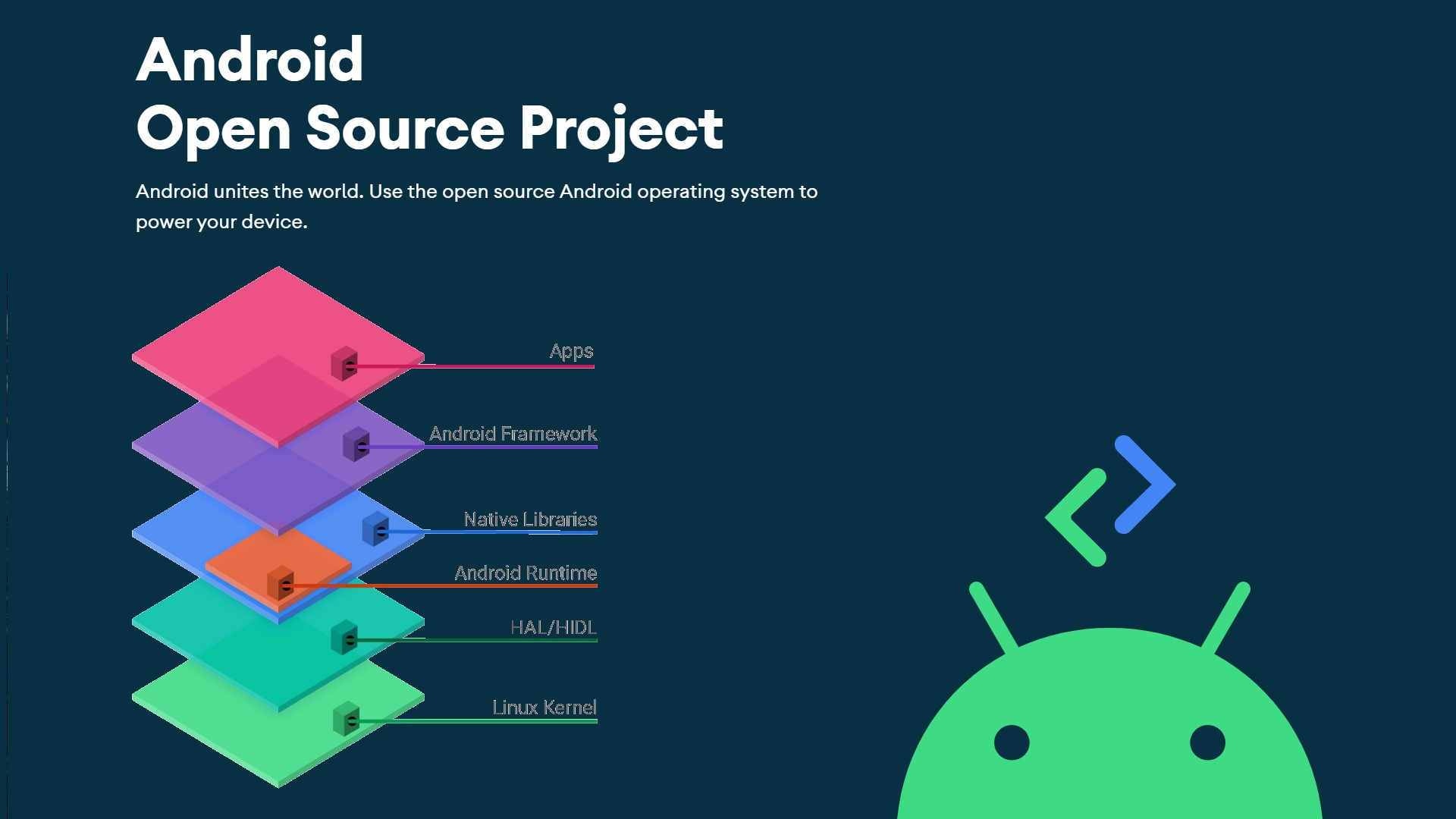
When developing custom Android devices, it is important to consider both software and hardware control. The first step is to understand how software and hardware interact. Unlike standard smartphones, custom hardware allows for the integration of specialized peripherals—such as barcode scanners, RFID readers, thermal cameras, or ruggedized casings—directly into the device’s architecture rather than relying on fragile external dongles.
Modern CPUs have many “hardware devices” that are treated like memory locations, and each of these devices receives commands from the CPU through the address lines coming out of the pins on the chip. This low-level communication is critical for optimizing input/output operations in industrial environments where milliseconds count.
The CPU sends these commands to the device driver, interpreting them and instructing how to control that hardware. Theoretically, if the device has a suitable driver for that specific type of hardware, the device should work correctly. However, in a custom build, you have the freedom to optimize these drivers for latency and stability, ensuring that critical business tools never crash during operation.
When building a custom Android device, it is vital that the software and hardware support your business applications and use cases. One strategy for achieving this by limiting embedded apps in the firmware to the ones necessary for running your business apps and nothing else. This “bloatware-free” approach maximizes available RAM and processing power for your essential tasks.
Additionally, controlling the hardware layer allows you to define the exact connectivity specifications needed, such as high-gain Wi-Fi antennas for warehouses or specific LTE bands for global logistics, ensuring reliable connectivity where consumer devices typically fail.
Control Over Design
One of the most attractive features of Android is its flexibility and open-source nature. This allows companies to use Android’s strengths and develop custom hardware and software solutions that fit their needs. From custom boot animations that display your company logo to a restricted “Kiosk Mode” that prevents user distraction, the design possibilities are endless.
A custom Android device also allows organizations to show off their technology prowess. The most notable benefits include:
- A more robust hardware platform engineered for specific environmental conditions (IP68 ratings, drop resistance).
- Improved battery life and performance by removing unnecessary background services and Google Mobile Services (GMS) if not required.
- Better integration with existing systems and proprietary enterprise software through custom APIs.
- Enhanced brand consistency through a fully customized User Interface (UI) and launcher that mirrors your corporate identity.
A custom Android device is a great choice for the mobile tech buff who wants to maximize their productivity and keep their finger on the pulse of their business. The best way to ensure a smooth and seamless process is to partner with an expert that understands your unique needs. This means a streamlined process and end-to-end support, covering everything from the initial prototype and tooling to final mass production and Over-the-Air (OTA) firmware updates.
Control Over Costs
Cost management is one of the most crucial aspects of creating a bespoke Android device. It enables you to reduce wasteful spending to increase your profit. While the initial investment may seem higher than buying off-the-shelf, the Total Cost of Ownership (TCO) is often significantly lower over a 3-5 year period because you aren’t paying for features (like high-end cameras or consumer-grade audio) that your employees don’t need.
It also saves money on unused hardware features and processing power. These savings can help you keep your budget intact while extending the device lifecycle, as you control the update schedule rather than being forced into planned obsolescence by consumer manufacturers.
In addition, controlling costs is essential to ensure you can deliver a high-quality product with your desired features and performance. It also helps you avoid the risk of purchasing a device that doesn’t meet your requirements. A custom device reduces the “churn rate” of hardware; since the device is built specifically for the job, it breaks less often and requires fewer replacements.
The best way to prevent these issues is by partnering with experts during the initial hardware selection process. They can help you define your use case, target users, usage volume, environment, applications, and purpose. They can also help you choose validated, enhanced, or purpose-built hardware optimized for your Android requirements. This will help protect your product roadmap from unforeseen hardware issues that could negatively impact your products, ensuring a stable supply chain and predictable long-term costs that align with your business growth.