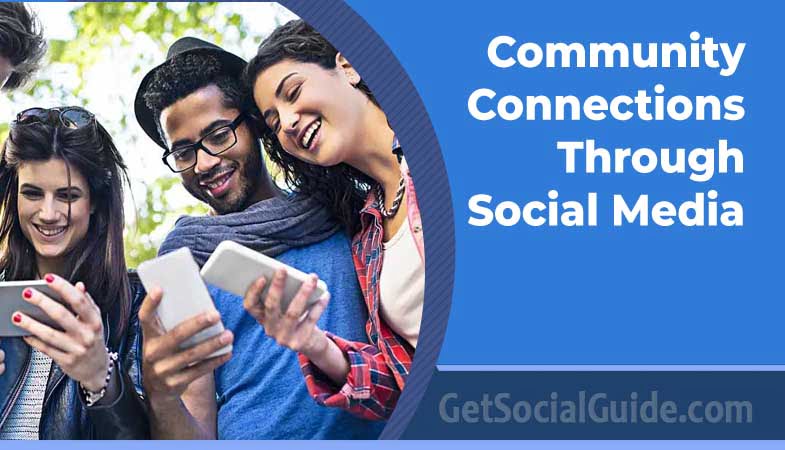
In today’s fast-paced digital landscape, social media has emerged as a potent tool for businesses to connect intimately with their community. It offers a direct line of communication, transcending geographical limitations and enabling real-time interactions. This article delves into the art of leveraging social media to engage with your audience, fostering meaningful relationships that go beyond conventional boundaries. With the power to build trust, loyalty, and brand advocacy, social media empowers businesses to stay ahead in the competitive market. By understanding the nuances of community engagement and crafting compelling content, companies can establish an authentic and transparent online presence, cementing their position as a valued and trusted resource in the eyes of their audience.
The concept of “community” on social media has evolved dramatically. In 2026, it’s no longer just about accumulating followers—it’s about cultivating genuine relationships, fostering peer-to-peer connections, and creating spaces where your audience feels seen, heard, and valued. Brands that succeed in building community don’t just broadcast messages; they facilitate conversations, celebrate user-generated content, and act as catalysts for connections among their audience members.
This comprehensive guide will walk you through the most effective strategies for building and nurturing a thriving social media community. From choosing the right platforms to leveraging cutting-edge tools like address validation APIs, you’ll learn how to transform passive followers into active brand advocates.

In the digital era, social media has emerged as a powerful tool for businesses to connect with their community on a personal level. Embracing social platforms offers a direct line of communication, transcending geographical boundaries and time zones.
The numbers tell a compelling story: according to recent data, users spend an average of 2.5 hours daily on social platforms, and 78% of consumers say they’re willing to buy from a brand after positive social media interactions. This isn’t just about marketing—it’s about creating a two-way dialogue where customers feel valued and heard.
When done right, community engagement through social media delivers multiple benefits:
- Enhanced Trust: Regular, authentic interactions build credibility over time.
- Customer Insights: Direct feedback reveals what your audience truly wants.
- Brand Advocacy: Engaged community members become your most powerful marketers.
- Cost-Effective Support: Peer-to-peer problem-solving reduces support costs.
- Product Innovation: Community ideas often lead to your best new features.
Pro Tip: The 80/20 Rule of Community Engagement
The most successful community builders follow the 80/20 rule: spend 80% of your time engaging with your community (responding, sharing user content, facilitating discussions) and only 20% promoting your own content. This shifts your brand from broadcaster to conversation facilitator. Tools like Hootsuite and Sprout Social can help you manage engagement at scale.
Identifying Your Target Community
Before embarking on your social media journey, it is essential to identify and understand your target community. Define your ideal audience, their preferences, pain points, and expectations to tailor your social media strategy accordingly.
Creating detailed audience personas is the foundation of effective community building. Go beyond basic demographics to understand:
- Psychographics: Values, interests, lifestyle choices
- Online Behavior: Which platforms they use, when they’re active, how they engage
- Pain Points: Problems your brand can help solve
- Communication Preferences: Do they prefer video, text, images, or audio?
Conduct surveys, analyze your existing customer data, and use social listening tools to gather these insights. The more you understand your community, the more effectively you can serve them.
With a myriad of social media platforms available, selecting the right ones for your business is crucial. Assess each platform’s suitability for your target community and focus on those that align with your brand identity and objectives.
Platform Considerations for 2026
- Instagram: Visual storytelling, strong for lifestyle brands, younger demographics. Reels continue to dominate reach.
- LinkedIn: Professional networking, B2B community building, thought leadership content.
- TikTok: Short-form video, highly engaged younger audience, trend-driven content.
- Facebook: Established communities, older demographics, excellent for groups and local engagement.
- Twitter/X: Real-time conversations, customer service, news and trend tracking.
- YouTube: Long-form video content, tutorials, product demonstrations, community tab engagement.
- Pinterest: Discovery and inspiration, strong for creative industries, e-commerce.
- Discord/Slack: Private community spaces, highly engaged niche audiences, real-time interaction.
Rather than trying to be everywhere, focus on 2-3 platforms where your target community is most active. Master those platforms before expanding. Resources like Pew Research Center provide valuable demographic data on platform usage.
Crafting Compelling Content
Engaging content lies at the heart of successful community connection. Develop relevant, informative, and visually appealing content that resonates with your audience, ignites conversations, and encourages interactions.
Content Types That Drive Community Engagement
- Educational Content: Tutorials, how-tos, industry insights that provide value.
- Behind-the-Scenes: Humanize your brand by showing the people and processes behind your products.
- User-Generated Content: Share content created by your community members (with permission).
- Interactive Posts: Polls, quizzes, questions, and “this or that” formats.
- Live Video: Real-time interaction builds authentic connections.
- Stories and Reels: Ephemeral content creates FOMO and encourages frequent checking.
- User Spotlights: Feature community members and their successes.
The key is consistency and authenticity. Develop a content calendar that balances different content types while maintaining your brand voice. Use analytics to track which content resonates most with your audience and adjust accordingly.
Address Validation API: Enhancing Customer Data Accuracy
Maintaining accurate customer data is paramount for effective community engagement. Integrate an address validation API to ensure correct information, bolster trust, and deliver seamless user experiences.
While it might seem like a technical detail, accurate address data directly impacts community trust and operational efficiency. When you send physical mailers, products, or event invitations, incorrect addresses lead to failed deliveries and frustrated customers. An address validation API ensures that the information your community provides is accurate and deliverable in real-time.
Benefits of address validation for community building:
- Improved Customer Experience: Orders and communications reach their intended destination.
- Reduced Costs: Fewer returned shipments and wasted marketing materials.
- Data Quality: Clean, standardized data for analytics and segmentation.
- Trust Building: Demonstrates attention to detail and professionalism.
Leading providers like Smarty and Melissa offer robust address validation APIs that integrate seamlessly with popular e-commerce and CRM platforms.
Pro Tip: Data Privacy and Community Trust
When collecting any customer data, including addresses, be transparent about how you’ll use it. Create a clear privacy policy and consider implementing a preference center where community members can control what information they share and how it’s used. Trust is the foundation of community—protect it at all costs. Resources from the International Association of Privacy Professionals (IAPP) can guide your data practices.
Embracing Authenticity and Transparency
In the realm of social media, authenticity reigns supreme. Be genuine, transparent, and personable in your interactions to build credibility and foster trust in your community.
Authenticity in 2026 means more than just using a friendly tone. It means:
- Acknowledging Mistakes: When things go wrong, own up to them publicly and explain how you’ll improve.
- Showing the Real People: Feature team members, their personalities, and even their quirks.
- Admitting What You Don’t Know: It’s okay to say “I don’t know, but I’ll find out and get back to you.”
- Aligning Actions with Words: Ensure your social media presence reflects your actual business practices.
Consumers are remarkably good at detecting inauthenticity. A 2025 study found that 86% of consumers say authenticity is a key factor in deciding which brands they support. Don’t try to be something you’re not—your community will appreciate the real you.
Actively Listening and Responding
Listening to your community’s feedback is vital for nurturing meaningful connections. Monitor social media channels regularly, respond promptly, and address queries or concerns with empathy and professionalism.
Active listening goes beyond responding to direct mentions. It involves:
- Social Listening: Monitoring conversations about your brand, industry, and competitors even when you’re not directly tagged.
- Sentiment Analysis: Understanding the emotional tone of conversations about your brand.
- Identifying Trends: Spotting emerging topics and conversations relevant to your community.
- Feedback Loops: Actually implementing changes based on community feedback and communicating those changes back to the community.
Tools like Brandwatch and Meltwater offer sophisticated social listening capabilities that can surface insights you might otherwise miss.
Building an Active Online Presence

Consistency is key to building a strong online presence. Regularly post content, engage with your audience, and participate in industry-related discussions to stay visible and relevant.
An active presence doesn’t mean posting constantly—it means posting consistently and being reliably present. Develop a posting schedule that you can sustain, and stick to it. Your community should know when to expect content from you.
Key elements of an active presence include:
- Regular Posting Schedule: Whether it’s daily, weekly, or somewhere in between, be consistent.
- Timely Responses: Aim to respond to comments and messages within 24 hours (or faster for customer service inquiries).
- Participation in Conversations: Don’t just post—engage in discussions happening in your niche.
- Content Variety: Mix up your content types to keep your feed fresh and interesting.
Demonstrate your commitment to the community by showcasing your involvement in social causes and corporate social responsibility initiatives. Highlight your efforts to garner support and inspire others to participate.
Today’s consumers expect brands to take stands on social and environmental issues. According to recent research, 70% of consumers want to know how brands are addressing social and environmental issues, and they’re more likely to buy from brands that align with their values.
Ways to showcase CSR through social media:
- Document Your Initiatives: Share photos, videos, and stories from your community involvement.
- Amplify Community Causes: Use your platform to highlight causes your community cares about.
- Transparency Reports: Share updates on your progress toward sustainability or social impact goals.
- Employee Spotlights: Feature team members involved in community causes.
- Cause-Related Campaigns: Donate a portion of sales to relevant causes and promote it through social media.
Social media advertising offers a targeted approach to reach your community effectively. Utilize advertising tools to promote your content, attract new followers, and expand your community base.
While organic reach is valuable, paid advertising can accelerate community growth and engagement. Modern social media advertising offers unprecedented targeting capabilities, allowing you to reach people based on demographics, interests, behaviors, and even lookalike audiences modeled on your best community members.
Effective advertising strategies for community building:
- Content Promotion: Boost your best organic content to reach a wider audience.
- Community Building Campaigns: Run ads specifically designed to attract new followers and community members.
- Event Promotion: Use targeted ads to promote live events, webinars, or community meetups.
- Retargeting: Re-engage people who have interacted with your content but haven’t joined your community.
Platforms like Meta Ads Manager and LinkedIn Ads provide powerful targeting tools specifically designed for community building objectives.
Organizing Contests and Giveaways
Contests and giveaways present an exciting opportunity to engage with your community. Encourage participation and reward loyal customers to create a positive and interactive online environment.
Well-designed contests can achieve multiple objectives simultaneously:
- Increase Engagement: Contests naturally drive likes, comments, and shares.
- Grow Your Following: Entry mechanisms often include following your account.
- Generate User Content: Photo or video contests produce authentic content you can reuse.
- Show Appreciation: Giveaways reward your existing community members.
Best practices for social media contests:
- Clear, simple entry rules
- Prizes relevant to your audience
- Compliance with platform contest guidelines
- Promotion across multiple channels
- Timely winner announcement and prize delivery
Warning: Contest Compliance
Each social media platform has specific rules regarding contests and giveaways. For example, Facebook prohibits requiring users to share content on their personal timelines as an entry condition. Violating these rules can result in your content being removed or your account being restricted. Always review the official guidelines for each platform before launching a contest. The Meta Advertising Policies page is a good starting point.
Influencer Partnerships for Extended Reach
Collaborate with influencers within your industry to reach a wider audience and tap into their established communities. Influencers can lend authenticity and credibility to your brand.
In 2026, influencer marketing has matured into a sophisticated discipline. The key is finding partners whose values align with yours and whose audiences would genuinely benefit from knowing about your brand. Micro-influencers (those with 10,000-100,000 followers) often deliver higher engagement rates than mega-influencers because their communities are more tightly knit.
Types of influencer collaborations for community building:
- Takeovers: Let influencers manage your account for a day to bring their community to you.
- Co-Created Content: Develop content together that serves both audiences.
- Ambassador Programs: Build long-term relationships with influencers who genuinely love your brand.
- Community Cross-Pollination: Host joint events or conversations that bring both communities together.
Analyzing and Refining Your Strategy
Social media analytics provides invaluable insights into your community’s preferences and behavior. Use these data-driven insights to refine your strategy and optimize engagement.
Key metrics to track include:
- Engagement Rate: Likes, comments, shares, and saves relative to your follower count.
- Reach and Impressions: How many people see your content.
- Follower Growth: Rate at which your community is expanding.
- Click-Through Rate: How often people click links in your posts.
- Sentiment Analysis: Whether mentions are positive, negative, or neutral.
- Response Time: How quickly you respond to community interactions.
Use these insights to experiment with different content types, posting times, and engagement strategies. What works for one community may not work for another—let your data guide you.
While social media offers tremendous opportunities, it also presents challenges such as handling negative feedback or managing crises. Develop a crisis management plan to address any issues promptly and professionally.
Common social media challenges include:
- Negative Comments and Reviews: Respond professionally, acknowledge valid concerns, and take conversations to private channels when appropriate.
- PR Crises: Have a crisis communication plan that includes holding statements, response protocols, and escalation procedures.
- Trolls and Harassment: Establish clear community guidelines and enforce them consistently.
- Algorithm Changes: Diversify your platform presence to avoid over-reliance on any single channel.
- Burnout: Social media management can be intense. Build a team or set boundaries to maintain sustainability.
Celebrating Milestones and Successes
Celebrate your community’s milestones and successes to foster a sense of belonging and appreciation. Acknowledge customer loyalty and engagement to create a positive and supportive community culture.
Ways to celebrate with your community:
- Follower Milestones: Celebrate when you reach key follower counts with special content or giveaways.
- Customer Anniversaries: Acknowledge long-time community members.
- User Achievements: Highlight when community members accomplish goals related to your brand.
- Brand Anniversaries: Celebrate your own milestones and thank your community for their role.
- Holiday Celebrations: Create special content for relevant holidays and events.
| Strategy | Primary Benefit | Implementation Difficulty | Estimated Time to Results |
|---|---|---|---|
| Address Validation API | Data accuracy, trust | Medium | Immediate |
| Authentic Content | Trust, engagement | Medium | 3-6 months |
| Active Listening | Insights, satisfaction | Low | Ongoing |
| Consistent Posting | Visibility, growth | Low | 3-6 months |
| CSR Initiatives | Brand perception, loyalty | High | 6-12 months |
| Social Advertising | Growth, reach | Medium | 1-3 months |
| Contests & Giveaways | Engagement, growth | Low | Immediate |
| Influencer Partnerships | Credibility, reach | Medium | 3-6 months |
| Analytics Refinement | Optimization, ROI | Medium | Ongoing |
| Milestone Celebrations | Loyalty, belonging | Low | Immediate |
Conclusion:
Social media serves as an indispensable tool for businesses to connect with their community on a deeper level. By crafting compelling content, integrating tools like address validation APIs, and engaging authentically, businesses can build lasting relationships with their audience. Embrace social media as a platform for open dialogue, active listening, and meaningful interactions, and your community will become your strongest advocate. Navigate the digital landscape with grace and strategy, and witness your community flourish into a loyal and engaged network.
The journey of community building is ongoing. Algorithms will change, platforms will evolve, and audience preferences will shift. But the fundamental principles remain constant: authenticity, consistency, active listening, and genuine care for your community members. Master these principles, and your social media community will thrive regardless of the external environment.
Remember that community building is a marathon, not a sprint. Focus on delivering value, fostering connections, and celebrating your community’s successes. The metrics will follow naturally when you prioritize people over numbers. Start implementing these strategies today, and watch your community transform from a collection of followers into a thriving ecosystem of engaged brand advocates.