
How to Create a Smart AI Model for Digital Businesses: The 2026 Playbook
Artificial intelligence has evolved from a competitive advantage to a fundamental business necessity. In 2026, AI is not just a technology trend—it’s the operational backbone of forward-thinking digital enterprises. Industry leaders like Google, Microsoft, Amazon, and a new generation of AI-native companies are embedding intelligen
ce into every layer of their technology stack, from customer service to product development, financial forecasting to cybersecurity.
For digital businesses, the question is no longer whether to adopt AI, but how to build and deploy smart AI models that deliver measurable business value. According to a recent McKinsey Global Survey, approximately one-third of companies are actively implementing generative AI in their organizations, with 60% of AI adopters now using this technology in production environments. Furthermore, 40% of AI adopters plan to increase AI investment in response to generative AI capabilities, while 28% have it on their board’s agenda. According to the latest Research and Markets data, AI is projected to grow at a compound annual rate exceeding 50% through 2025, indicating accelerating adoption by global businesses .

As artificial intelligence transforms industries from finance and healthcare to retail and manufacturing, it’s not just about staying competitive—it’s about riding the waves of digital transformation with confidence and strategic purpose. Understanding how to create intelligent AI models is now critical for any enterprise seeking to thrive in the data-driven economy.
In this comprehensive guide, we’ll walk you through the complete AI model development lifecycle, explore why smart AI matters for digital businesses, and provide actionable insights informed by the latest 2026 industry research and frameworks.
Key Takeaway: Building successful enterprise AI in 2026 requires a structured, end-to-end approach that extends far beyond model training. Organizations that excel focus equally on data foundations, clear business objectives, responsible governance, and continuous lifecycle management. The most valuable AI systems are those designed with scalability, interpretability, and human alignment from the very first stage of development .
The AI Model Lifecycle: A Structured Framework for Success
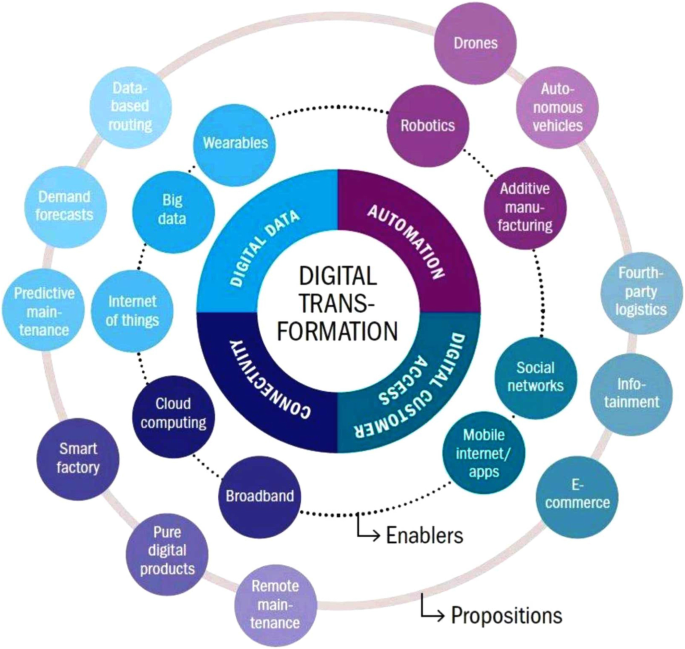
Developing custom AI models can seem daunting, but breaking down the process into structured phases makes it manageable and repeatable. Leading industry frameworks, such as the A–Z AI Model Lifecycle from Infosys and the Six D’s Framework, provide comprehensive roadmaps from raw data to operational intelligence . Here’s a step-by-step guide to developing your AI model, enriched with best practices for 2026.
1. Define Clear Business Goals and AI Use Cases
Start by identifying the specific business problems you want to solve with AI. Whether you’re aiming to improve operational efficiency, increase revenue, enhance customer satisfaction, or drive innovation, clearly defined goals will guide your entire AI initiative. According to Microsoft’s Cloud Adoption Framework, successful AI strategies focus on business outcomes first, not model-first experimentation .
Working with an experienced AI development partner can provide strategic guidance and help you identify high-impact use cases aligned with your business priorities. Key questions to answer include:
- What processes have measurable friction that AI could reduce?
- Where can AI improve cost efficiency, speed, quality, or customer experience?
- What quantifiable business objectives will define success?
2. Data Acquisition and Preparation
Data is the fuel that powers your AI model. In 2026, competitive advantage comes from proprietary data, not just model architecture . The acquisition and curation phases are critical: you must gather information from relevant sources—internal databases, third-party vendors, IoT-enabled devices, customer interactions, and public datasets—while ensuring quality and representativeness .
Key steps include:
- Curation: Clean, filter, correct, and structure your data. The most advanced model is powerless if trained on incorrect or biased data .
- Descriptive Analysis: Explore patterns, averages, trends, and outliers to build intuition about the problem domain.
- Encoding: Convert raw data (language, images, sound) into machine-readable numerical formats like vectors and embeddings .
- Ground Truth: Establish accurate labels or expected outputs. If the truth is wrong, the AI learns the wrong world .
Don’t underestimate the importance of feature engineering—highlighting the most meaningful attributes in your data. Well-crafted features can sometimes outperform complex models. Also, consider using synthetic data generation and augmentation to improve model robustness, especially when dealing with limited or imbalanced training data .
3. Model Design and Architecture Selection
Based on the nature of your problem and data, choose the appropriate model architecture. This decision significantly impacts performance, interpretability, and scalability. Common choices include:
- CNNs (Convolutional Neural Networks): Excel at image-based tasks like computer vision and visual recognition.
- RNNs/LSTMs (Recurrent Neural Networks): Suited for sequence-based functions like text, audio, and time series analysis.
- Transformers: Handle complex contextual relationships in data, powering modern large language models (LLMs) and generative AI applications.
- Hybrid Models: Combine multiple architectures for specialized use cases .
Designing the model architecture involves determining the number of layers, neurons, and connections in the neural network. Experiment with different configurations to find what works best for your specific use case. For many enterprises, starting with a pre-trained foundation model and fine-tuning it on proprietary data offers the best balance of performance and efficiency .
4. Training, Validation, and Hyperparameter Tuning
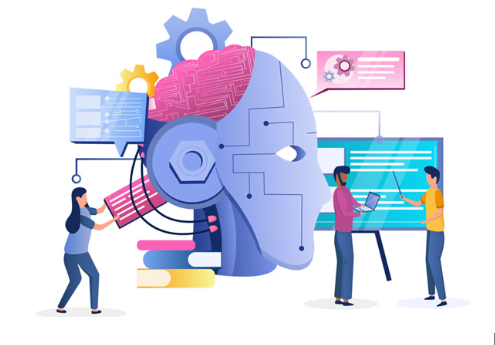
This is the core learning phase where your model internalizes patterns from data. Follow these steps:
- Data Splitting: Divide your data into three subsets: training (for learning), validation (for tuning), and testing (for final evaluation). This ensures your model can generalize to unseen data .
- Model Training: Input training data and use backpropagation to iteratively adjust internal parameters. Modern frameworks like TensorFlow and PyTorch enable efficient training at scale .
- Hyperparameter Tuning: Fine-tune parameters such as learning rate, batch size, and optimization algorithms. This step is crucial for balancing overfitting (memorizing training data) and underfitting (failing to learn patterns) .
- Loss Function: Define how the model measures its own mistakes, guiding the optimization process .
- Normalization: Scale data values to ensure stable and smooth training .
For teams working with large language models, techniques like supervised fine-tuning on proprietary content and reinforcement learning with human feedback (RLHF) can align model outputs with desired behaviors and business values .
5. Model Evaluation and Validation
Before deployment, rigorously assess your model’s performance using the validation and testing datasets. Key metrics include:
- Accuracy, Precision, Recall, and F1-Score: Measure classification performance and effectiveness .
- Technical Performance: Evaluate against predefined benchmarks relevant to your use case.
- Compliance and Security: Validate that the model meets regulatory and security requirements .
- Bias and Fairness Audits: Ensure the model treats different demographic groups equitably and doesn’t perpetuate harmful stereotypes .
This diagnostic phase is critical for identifying issues like model drift, performance decay, or unintended behaviors before they impact real users .
6. Deployment and Integration
Once your model meets all performance and quality expectations, it’s ready for deployment into production environments. This involves integrating the AI model into existing business workflows, applications, and systems. Key considerations include:
- Scalability Planning: Ensure the system can handle real-world loads, not just lab conditions .
- Workflow Deployment: Integrate the model into operational systems—apps, dashboards, websites, or automation pipelines .
- API Design: Create well-documented interfaces for other services to interact with your model.
- Monitoring Infrastructure: Set up systems to track performance, usage, and potential issues in real-time.
According to CB Insights, AI agent observability and evaluation tooling is becoming an M&A battleground, with companies like Datadog and industry incumbents investing heavily in monitoring solutions .
7. Continuous Monitoring and Improvement
AI models are not “set and forget” systems. They require ongoing evaluation and adaptation to maintain accuracy and relevance as data, user behavior, and market conditions evolve .
- Yield Monitoring: Track production performance over time, watching for signs of model drift or degradation.
- Feedback Loops: Collect user feedback and incorporate it into model improvements.
- Zero-Drift Updates: Regularly retrain and evolve the model to prevent it from becoming outdated .
- Red Teaming: For high-stakes applications, continuous red teaming (simulating attacks to find vulnerabilities) is becoming standard practice in 2026 .
Advanced Considerations: AI Agents and 2026 Trends
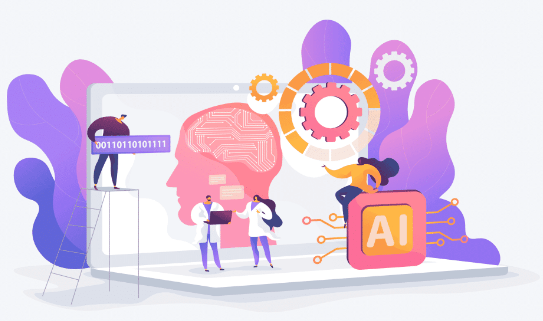
The AI landscape in 2026 is defined by the rise of AI agents—systems that can reason, act, and learn autonomously within defined parameters . Unlike traditional AI models that simply generate outputs, agents can execute code, call APIs, move data between systems, and make decisions with minimal human intervention .
According to PwC’s 2026 AI Business Predictions, agentic AI will play an increasingly important role in automating high-value processes across finance, HR, IT, tax, and audit functions . Key trends include:
- Multimodal AI Agents: Systems that seamlessly process voice, text, images, and video together, winning the customer service land grab .
- Role-Specific Assistants: Purpose-built AI for sales, marketing, finance, legal, and engineering teams, trained on internal data and domain knowledge .
- Intelligent Automation: AI handling complex processes involving unstructured data, judgment, and adaptation—far beyond traditional rule-based automation .
- Decision Intelligence: AI systems that generate decision options, simulate outcomes, explain trade-offs, and recommend actions, augmenting human judgment .
Building agentic AI systems requires additional considerations around tool access, permissions, security, and observability. Every tool an agent can access represents a potential attack surface, making robust governance essential .
Reasons to Create a Smart AI Model for Digital Businesses

Several critical factors make AI model development essential for digital businesses in 2026. Understanding these drivers helps enterprises navigate the complex AI landscape effectively:
Data Availability and Quality as Competitive Moat
In 2026, businesses clearly understand that data quality matters more than model selection . Competitive advantage comes from proprietary data, well-structured internal knowledge, secure access controls, and strong governance practices. Organizations that invest in data pipelines, labeling, metadata management, and lifecycle governance will outperform those that don’t .
Generative AI for Creativity and Efficiency
“Generative AI” refers to systems that can produce new content—text, images, code, audio, video, simulations, and structured recommendations—based on patterns learned from data . Models like ChatGPT and its enterprise counterparts can generate text, code, and creative assets autonomously. Organizations use generative AI to achieve new levels of creativity, efficiency, and differentiation in their offerings and operations .
Regulatory and Ethical Compliance
Sensitive information is commonly found in enterprise data, making privacy and security paramount. Ensure your development team implements strong data protection safeguards throughout the AI lifecycle. According to the PwC 2025 Responsible AI Survey, 60% of executives believe responsible AI improves ROI and efficiency, while 55% say it enhances customer experience and innovation . However, nearly half admit that translating principles into operational processes remains challenging .
In 2026, governance is not optional—organizations embed transparency, auditability, bias monitoring, and human oversight directly into AI systems . New AI-native governance tools track usage, monitor risk, and enforce policies automatically .
Scalability and Integration
When designing AI models, consider scalability from the outset. The system must handle growing data volumes and user demands over time. Ensure compatibility with existing workflows, systems, and technology stacks for smooth integration. Many organizations now build internal AI platforms with shared models, reusable components, and centralized governance to reduce duplication and accelerate deployment .
Explainability and Trust
Responsible AI must be able to answer: “Why did you make this decision?” . Addressing ethical issues such as bias, fairness, and transparency is essential for building trust with users, customers, and regulators. Implementing strategies to reduce bias in training data and decision-making promotes ethical and responsible AI usage .
Measurable Business Impact
By 2026, AI investments are evaluated with the same rigor as other strategic initiatives . Organizations link AI projects to clear KPIs such as revenue growth, productivity gains, cost reduction, customer satisfaction, and innovation metrics . Inference costs, infrastructure usage, and model efficiency are actively optimized. Low-impact experiments are retired; high-performing use cases are scaled .
Real-World AI Use Cases Transforming Digital Business

Enterprise AI has progressed beyond pilot projects to deliver measurable benefits across numerous sectors . Here are concrete examples of how AI is being applied today:
- Customer Service: Multimodal AI agents handle voice, text, and image-based queries, reducing wait times and improving resolution rates. Telecommunications companies use AI-powered conversational agents to deflect simple questions, escalating complex issues to human agents when appropriate .
- Financial Forecasting: AI extends beyond historical data to incorporate real-time signals from market trends, customer behaviors, and macroeconomic indicators, enabling adaptive rolling forecasts .
- Fraud Detection: Financial institutions use AI to detect abnormal transaction patterns in real-time, stopping fraudulent activity before it completes. These systems continuously evolve alongside new fraud schemes .
- Healthcare Personalization: AI cross-references health records, imaging, and genetic data to tailor treatment plans. In oncology, AI helps match therapies to patients’ genetic markers, improving outcomes .
- Predictive Maintenance: Manufacturing AI models analyze vibration and temperature data from equipment to predict failures before they occur, scheduling preventive maintenance and reducing downtime .
- Smart Marketing: AI analyzes customer browsing, purchase history, and social media activity to deliver personalized recommendations and optimize campaign spending .
- Cybersecurity: AI systems detect anomalies in network traffic and user behavior in real-time, adapting to new threats faster than static rule-based approaches .
Overcoming AI Adoption Challenges
The path to AI-driven business transformation is not without obstacles. Common challenges include resistance to change, fear of job displacement, ethical concerns, and integration difficulties . However, the future belongs not to AI itself, but to those who know how to work effectively with it . Organizations must invest in reskilling and upskilling initiatives to foster human–AI collaboration and mitigate fear around automation.
According to CSO Online, successful AI rollouts are cultural shifts, not linear deployments . Key success factors include:
- Clear AI use policies that are accessible and communicated well before rollout
- Default access to approved AI tools, integrated with SSO and automated provisioning
- Structured learning through user guides, training sessions, and recorded enablement content
- AI champions networks of curious employees who act as local resources and bridge between central enablement and frontline adoption
As one industry observer noted, “The support stars of tomorrow will be the humans who master the art of working alongside AI agents, leveraging the strength of AI while honoring the irreplaceable value of human touch” .
The Future of AI: Responsible, Scalable, and Integrated
As AI becomes embedded in products, operations, and customer interactions, expectations continue to rise. High performance is necessary but not sufficient. Organizations also need confidence that their models behave consistently, can be interpreted when required, and adapt appropriately as conditions change .
The goal is not just to create AI that is powerful, but AI that is understandable, trustworthy, aligned with human values, and capable of evolving with time . Responsible AI is not a separate layer added at the end of development—it’s an approach that begins at the design stage, influences evaluation and deployment, and continues throughout the system’s lifecycle .
By 2026, enterprise architecture is increasingly built around three layers: data and integration, AI and intelligence, and applications and experiences . This structure allows multiple applications to reuse the same AI capabilities—summarization, reasoning, content generation—reducing redundancy and lowering long-term costs .
FAQs: Creating Smart AI Models for Digital Business
Conclusion: Your AI Journey Starts Now
Developing robust enterprise AI solutions requires meticulous planning, flawless execution, and a commitment to continuous improvement. By following a structured lifecycle—from clear business objectives and quality data through thoughtful design, rigorous testing, and ongoing monitoring—you can create AI that delivers lasting value.
The organizations that thrive in the AI-powered future won’t be those with the biggest models or the most data scientists. They’ll be the ones that integrate AI thoughtfully into their strategy, operations, and culture—balancing innovation with responsibility, automation with human judgment, and speed with governance.
Whether you’re just beginning your AI journey or scaling existing initiatives, remember that success comes from focusing on business outcomes, building strong data foundations, and fostering a culture where humans and AI work together effectively. The future of digital business belongs to those who can harness AI’s power while maintaining trust, transparency, and ethical integrity .
At SoftCircles, we specialize in developing intelligent AI models with a focus on data quality, clear objectives, and cutting-edge technology. By partnering with experienced AI developers, you can create transformative solutions that boost productivity, stimulate growth, and spark innovation across your digital enterprise.
For more insights on digital transformation and AI implementation, explore our related guides on IoT integration, AI content generation, and building scalable technology infrastructure for modern businesses.






Great keep it up, very good post