5 Critical Mistakes to Avoid When Choosing an SEO Course
Are you searching for an online SEO course that can help you rank better on search engines? With thousands of options promising “secret formulas” and “instant results,” finding a legitimate, high‑quality course in 2026 is harder than ever. Google’s algorithms have evolved dramatically with the introduction of AI Overviews (SGE), the Helpful Content Update, and a heightened focus on E‑E‑A‑T (Experience, Expertise, Authoritativeness, Trustworthiness). The wrong course won’t just waste your money—it could teach you tactics that actively harm your site’s performance.
This guide cuts through the noise. We’ll show you the 10 best SEO courses for 2026, highlight free alternatives that actually teach modern SEO, and reveal the five critical mistakes you must avoid before investing your time and money. Whether you’re a complete beginner, a WordPress blogger, a small business owner, or a marketing professional looking to level up, this comprehensive resource will help you choose the right educational path.
Key Takeaway: The best online SEO course for 2026 is one that is updated for AI search, Google’s Helpful Content guidelines, and E‑E‑A‑T principles. It should be taught by a practitioner with verifiable results, include hands‑on projects (not just theory), and come from a source whose authority you can validate. Ignore courses that promise #1 rankings overnight—they’re selling tactics that will get your site penalized.
Quick Comparison Table: Top SEO Courses at a Glance
| Course Name | Best For | Price | Includes AI/2026 Updates | Hands-On Projects | Certification |
|---|---|---|---|---|---|
| Semrush Academy | Tool-specific training, practical skills | Free | ✅ Yes | ✅ Yes | ✅ Industry-recognized |
| HubSpot SEO Certification | Beginners, content marketers | Free | ✅ Yes | ✅ Yes | ✅ HubSpot certified |
| Coursera: SEO Specialization (UC Davis) | University-level depth, career-focused | $49/month | 🔄 Partial (some updates needed) | ✅ Yes | ✅ Coursera certificate |
| Backlinko SEO Training | Actionable tactics, advanced strategies | $399 (one-time) | ✅ Yes | ✅ Yes | ✅ Backlinko certificate |
| LinkedIn Learning: SEO Foundations | Quick overview, business professionals | $29.99/month | 🔄 Varies by instructor | ❌ Limited | ✅ LinkedIn certificate |
| Yoast SEO Academy | WordPress-focused SEO | $99/year | ✅ Yes | ✅ Yes | ✅ Yoast certified |
| Moz Academy | Comprehensive SEO fundamentals | $595/year | ✅ Yes | ✅ Yes | ✅ Moz certificate |
| Blue Array Academy | UK/EU market, enterprise SEO | Free + paid options | ✅ Yes | ✅ Yes | ✅ Blue Array certificate |
| Udemy: SEO 2026 | Budget-friendly, frequent updates | $19.99-$49.99 | ✅ Yes (check instructor) | 🔄 Varies | ✅ Udemy certificate |
| Google Skillshop | Google-specific certifications | Free | ✅ Yes | ✅ Yes | ✅ Google certified |
10 Best SEO Courses for 2026: Detailed Reviews
1. Semrush Academy
Best for: Tool-specific training and practical SEO skills
Semrush Academy offers over 15 free courses covering everything from SEO fundamentals to advanced link building and content marketing. Each course includes video lessons, quizzes, and a final exam. Upon completion, you receive a certification that’s widely recognized in the industry. The platform is regularly updated to reflect algorithm changes, and their “SEO Principles” course is an excellent starting point for beginners.
Key modules: SEO Fundamentals, Link Building, Technical SEO, Keyword Research, Content Marketing
2. HubSpot SEO Certification
Best for: Beginners and content marketers
HubSpot Academy’s free SEO certification covers the essentials of on-page and off-page optimization, with a strong emphasis on content strategy. The course includes seven modules with video lessons, practical exercises, and a final exam. It’s updated regularly to align with Google’s Helpful Content guidelines and includes a section on optimizing for AI overviews.
Key modules: SEO Strategy, Keyword Research, On-Page Optimization, Off-Page SEO, Measuring SEO Success
3. Coursera: SEO Specialization (UC Davis)
Best for: University-level depth and career-focused learning
This five-course specialization from the University of California, Davis, provides a comprehensive foundation in SEO. Taught by faculty with real-world experience, it covers search engine algorithms, keyword strategy, on-page optimization, analytics, and reporting. While some modules need updates for 2026’s AI-focused search, the fundamental principles remain solid.
Key modules: Search Engine Optimization Fundamentals, On-Page Optimization, Off-Page Optimization, SEO Analytics, SEO Capstone Project
4. Backlinko SEO Training
Best for: Actionable tactics and advanced strategies
Brian Dean’s Backlinko course is legendary in the SEO world. The self-paced video training covers his proven “advanced SEO techniques” that have helped thousands of students rank higher. The course includes downloadable worksheets, case studies, and lifetime access. Dean’s reputation as a practitioner who ranks for competitive terms adds significant credibility.
Key modules: Keyword Research Secrets, On-Page SEO Framework, Link Building Strategies, Content Optimization, SEO ROI Measurement
5. LinkedIn Learning: SEO Foundations
Best for: Quick overview and business professionals
LinkedIn Learning offers several SEO courses, with “SEO Foundations” being the most popular. Instructors like David Booth and Brad Batesole provide concise, practical lessons. While the depth varies by instructor, the platform’s integration with LinkedIn profiles makes it easy to showcase completed courses. However, always check the “last updated” date—some courses haven’t been refreshed since 2023.
Key modules: How Search Works, Keyword Research, On-Page Optimization, Local SEO, SEO Tools and Measurement
6. Yoast SEO Academy
Best for: WordPress-focused SEO
If you use WordPress, Yoast SEO Academy is invaluable. Their courses teach you how to optimize your WordPress site using the Yoast plugin, but they also cover broader SEO concepts. The “SEO for Beginners” course is free, while advanced courses require a subscription. All content is updated to reflect the latest WordPress and SEO best practices.
Key modules: SEO Copywriting, Technical SEO for WordPress, Schema Markup, Site Structure, SEO Workflow
7. Moz Academy
Best for: Comprehensive SEO fundamentals
Moz Academy offers professional-level SEO training with a focus on practical application. Their “SEO Essentials” certification covers keyword research, on-page optimization, technical SEO, and link building. Courses include video lessons, quizzes, and hands-on exercises using Moz’s tools. The annual subscription provides access to all courses and updates.
Key modules: SEO Fundamentals, Keyword Research Mastery, Technical SEO, Link Building, Local SEO
8. Blue Array Academy
Best for: UK/EU market and enterprise SEO
Blue Array, one of the UK’s leading SEO agencies, offers free and paid courses through their academy. Their content is particularly relevant for those targeting European markets and includes modules on international SEO, Google algorithm updates, and enterprise-level strategy. The “SEO for Beginners” course is an excellent free starting point.
Key modules: SEO for Beginners, Technical SEO, International SEO, E‑commerce SEO, SEO Strategy
9. Udemy: SEO 2026
Best for: Budget-friendly options with frequent updates
Udemy hosts hundreds of SEO courses at various price points. The key is finding instructors who regularly update their content. Look for courses with “2026” in the title and check the “last updated” date. Courses by instructors like Daragh Walsh and Anwer Khan are consistently refreshed and provide good value during Udemy’s frequent sales.
Key modules: SEO Fundamentals, Keyword Research, On-Page and Off-Page SEO, Technical SEO, SEO Tools
10. Google Skillshop
Best for: Google-specific certifications
Google’s own learning platform offers certifications in Google Analytics, Google Ads, and Google My Business. While not comprehensive SEO courses, these certifications are essential for anyone serious about digital marketing. The Google Analytics Individual Qualification (GAIQ) is particularly valuable for measuring SEO success.
Key modules: Google Analytics 4, Google Ads, Google My Business, Google Tag Manager
Free SEO Courses That Actually Teach Modern SEO
You don’t need to spend hundreds of dollars to learn SEO. These free courses offer high-quality education from reputable sources:
- Semrush Academy: 15+ free courses with industry-recognized certifications
- HubSpot Academy: Free SEO certification with practical exercises
- Yoast SEO for Beginners: Free course covering WordPress SEO basics
- Blue Array Academy: Free “SEO for Beginners” and “SEO for E‑commerce” courses
- Google Skillshop: Free Google Analytics and Google Ads certifications
- Moz Beginner’s Guide to SEO: Not a course but an essential free resource
- Ahrefs Blog and YouTube Channel: Extensive free tutorials and case studies
PRO TIP: Start with Free Courses First
Before investing in paid training, complete one or two free courses from Semrush Academy or HubSpot Academy. This gives you a solid foundation and helps you determine whether SEO is something you want to pursue deeply. You’ll also be better equipped to evaluate whether a paid course offers additional value beyond what you’ve already learned.
5 Mistakes to Avoid When Choosing an SEO Course
1
Relying Heavily on Theoretical Knowledge
One of the most common mistakes is choosing a course packed with theory but devoid of practice. While understanding concepts like “TF‑IDF” or “crawl budget” is important, you won’t truly learn until you apply them. The best courses force you to build something—a keyword map, a site audit, or a full content strategy.
2026 Reality Check: With AI now capable of generating basic SEO content, employers and clients expect you to know how to execute, not just recite definitions. Look for courses that include screencasts, real‑world case studies, and downloadable project files.
Red Flag Example: In 2025, many students bought “Link Building 101” courses that taught directory submission and comment spam—tactics now penalized by Google’s Helpful Content Update. Always check when the course was last updated and whether it references current Google guidelines.
2
Unclear Goals and Objectives
Are you learning SEO to advance your career, grow your own blog, or offer services to clients? Each goal demands a different course structure. A course focused on enterprise‑level SEO (with topics like hreflang tags and log file analysis) will overwhelm a complete beginner.
Before enrolling, write down your specific objectives. Then, check if the course syllabus aligns with them. If the curriculum is a generic “SEO 101” and you need advanced local SEO tactics for a small business, keep searching.
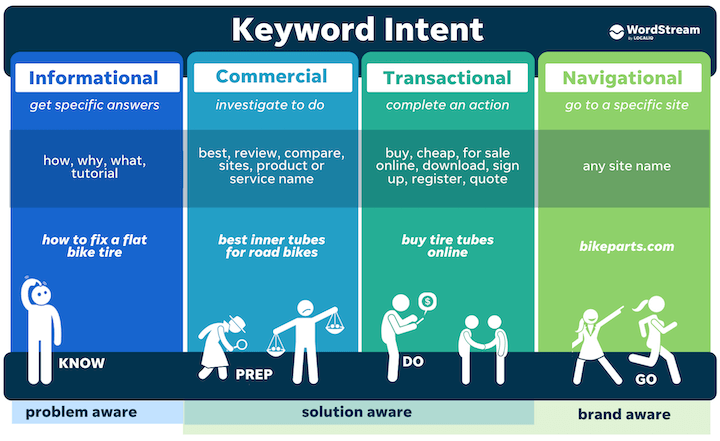
Better Keyword Targeting: Instead of searching for “best SEO course,” try more specific queries like “SEO course for WordPress bloggers,” “SEO training for small business owners,” or “how to learn SEO step by step.” These will surface courses tailored to your actual needs.
3
Not Getting Certified (or Chasing the Wrong Cert)
A certificate can be a powerful credibility booster, but only if it comes from a respected source. A “Diploma in SEO” from an unknown online academy won’t impress anyone. On the other hand, certifications from Google (Google Analytics Individual Qualification), Semrush Academy, HubSpot Academy, or Moz are widely recognized in the industry.
Some courses offer their own branded certificates—check if past students mention them on LinkedIn or in reviews. A cert that’s frequently shared and talked about holds real value.
E‑E‑A‑T Connection: Google’s algorithms assess the authority of content creators. When you earn certifications from recognized industry sources, you’re building your own Expertise and Trustworthiness—which translates to better content creation and, ultimately, better rankings.
4
Anyone can call themselves an “SEO guru.” In 2026, it’s easier than ever to create a slick website and sell a course with no real expertise. Before you pay, do your homework. Check the author’s credentials:
- Do they rank for competitive SEO terms themselves?
- Have they been featured on reputable industry sites like Search Engine Journal, Moz, or Search Engine Land?
- What do former students say on Reddit, Quora, or Trustpilot?
- Do they have verifiable case studies showing real results?
Dig into their social media presence and company background. If the only testimonials are on their own website with no way to verify them, be skeptical.
Expert Quote: “In my 10 years as an SEO consultant, I’ve seen students waste thousands on courses taught by people who’ve never actually ranked a site. Always verify the instructor’s track record before enrolling.” — Brandon Leibowitz, Founder of SEO Optimizers
5
Not Comparing the Price Based on Value
Price is not the same as value. Some of the best SEO training is completely free: Coursera (from top universities), Semrush Academy, Moz Academy, and HubSpot Academy offer high‑quality, free courses that take only a few hours. Paid courses may offer deeper dives, personalized feedback, or community access.
Compare what you actually get. A $500 course with lifetime access, a private Slack community, and monthly live Q&A sessions may be far more valuable than a $50 Udemy course recorded in 2020.
The “AI” Mistake: Many courses still don’t cover AI search optimization (AEO) or Google’s Search Generative Experience (SGE). If a 2026-dated course doesn’t mention AI overviews, entity-based SEO, or how to optimize for ChatGPT and other LLMs, it’s already outdated. Look specifically for modules on “Answer Engine Optimization” and “AI search readiness.”
WARNING: The Black‑Hat Temptation
Be extremely wary of any course or “guru” promising secret tricks for instant #1 rankings. SEO is a long-term game built on providing genuine value. Courses that heavily promote buying backlinks, keyword stuffing, or other “black-hat” techniques are teaching strategies that violate search engine guidelines and can lead to your site being penalized or removed from search results entirely. A reputable course focuses on sustainable, white-hat methods that build lasting authority.
How to Choose the Right Online SEO Course (Step‑by‑Step Framework)
Follow this five-step framework to evaluate any SEO course and make an informed decision:
- Define Your Learning Objectives: Write down what you want to achieve. Are you a beginner needing fundamentals? A blogger looking to grow traffic? A business owner wanting local visibility? A marketer seeking certification? Your goal determines which course is right.
- Research Course Providers and Instructors: Look for reputation, industry recognition, and independent student feedback on Reddit, Trustpilot, or LinkedIn. Verify the instructor’s track record—do they rank for competitive terms? Have they been featured on reputable industry sites?
- Evaluate Curriculum Depth and Freshness: Does the syllabus cover both fundamentals and modern topics like AI search, E‑E‑A‑T, Core Web Vitals, and entity-based SEO? Check the “last updated” date—if it’s older than 12 months, be cautious.
- Check for Practical Application: Does the course include hands-on projects, case studies, or real-world exercises? Can you build a portfolio piece while learning? Theory alone won’t prepare you for actual SEO work.
- Compare Price vs. Value: Consider what’s included—lifetime access, community support, instructor feedback, bonus resources, and certification recognition. The cheapest option may not be the best value if it lacks these elements.
SEO Course Quality Scorecard
Use this checklist to evaluate any course you’re considering:
- ✅ Updated within the last 12 months
- ✅ Covers AI search and Google SGE
- ✅ Includes E‑E‑A‑T principles and implementation
- ✅ Hands-on projects or real-world case studies
- ✅ Instructor with verifiable track record
- ✅ Recognized certification (if certification matters to you)
- ✅ Positive independent reviews
- ✅ Covers both fundamentals and modern tactics
- ✅ Teaches sustainable, white-hat methods only
- ✅ Includes tool tutorials (Google Analytics, Search Console, etc.)
Download this checklist and use it to compare up to three courses before deciding.
What Your 2026 SEO Course Must Cover
Once you’ve avoided the bad courses, you need to ensure your chosen curriculum covers these non‑negotiable topics for 2026:
1. AI Search and Google SGE Optimization
Google’s Search Generative Experience (SGE) and AI overviews have transformed how users find information. Your course should teach you how to optimize for AI-generated answers, including entity-based SEO, structured data, and content that satisfies both traditional search and AI-driven queries.
Google’s quality guidelines now heavily emphasize E‑E‑A‑T. Your course should explain how to build authority through author bios, citations, original research, and transparent content. You need to understand how to demonstrate Experience (firsthand knowledge) and Expertise (credentials and depth).
3. Core Web Vitals and Technical SEO
Page experience signals remain critical. Look for modules on improving Largest Contentful Paint (LCP), Interaction to Next Paint (INP), and Cumulative Layout Shift (CLS). Also, ensure coverage of mobile-first indexing, structured data (schema), and Google Search Console setup.
4. Helpful Content and User Intent
Google’s Helpful Content Update prioritizes content created for users, not search engines. Your course should teach you how to identify user intent, create comprehensive content that answers questions, and avoid common pitfalls like thin content or excessive AI generation.
5. Modern Link Building and Digital PR
Links remain a top ranking factor, but old tactics like directory submissions and link exchanges no longer work. Look for courses that teach ethical link earning through digital PR, guest posting on authoritative sites, broken link building, and creating linkable assets (original research, infographics, tools).
6. Local SEO (If Relevant)
If you’re targeting local customers, your course should cover Google Business Profile optimization, local citations, review management, and local link building. Many courses treat local SEO as an afterthought—make sure it’s included if you need it.
Google ranks sites that cover topics deeply. To build true expertise in SEO, you should explore these related resources from GetSocialGuide:
- Free SEO Courses (Comprehensive List)
- How Long Does It Take To Learn SEO? (Realistic Timeline)
- SEO Certification Guide: Which One Is Right for You?
- SEO Learning Roadmap: Step-by-Step Path to Mastery
- Essential SEO Tools for Beginners
- Best SEO-Friendly WordPress Themes
- Essential Free WordPress Plugins
- Optimize for Featured Snippets and AI Overviews
Frequently Asked Questions
Conclusion: Invest in the Right SEO Education
Choosing the right online SEO course is a critical investment in your future. By avoiding the five common mistakes—over‑reliance on theory, unclear goals, ignoring certification value, failing to verify authority, and misjudging price—you set yourself up for success.
Remember, the best course for 2026 is one that’s updated for AI search, aligned with Google’s Helpful Content guidelines, taught by a credible practitioner, and matched to your specific goals. Start with free options to build a foundation, then invest in specialized training as your needs evolve.
Finally, keep in mind that SEO is a field of continuous learning. Algorithms shift, new tools emerge, and user behavior evolves. A great course will teach you how to stay current, not just a snapshot of today’s best practices. Combine structured learning with hands-on application, and you’ll build skills that serve you for years to come.
Good luck on your SEO learning journey!

Brandon Leibowitz is the founder of SEO Optimizers, a Digital Marketing Agency in Los Angeles, California. He is also the founder of Bosmol.com, a social media news blog. He has been involved with search engine optimization and internet marketing since 2007, helping hundreds of clients achieve sustainable organic growth.
Ready to Put Your New Skills into Action?
Once you’ve completed a course, the real learning begins. Apply your knowledge to a real site—and if you need a playground, consider starting a blog on a topic you love.