
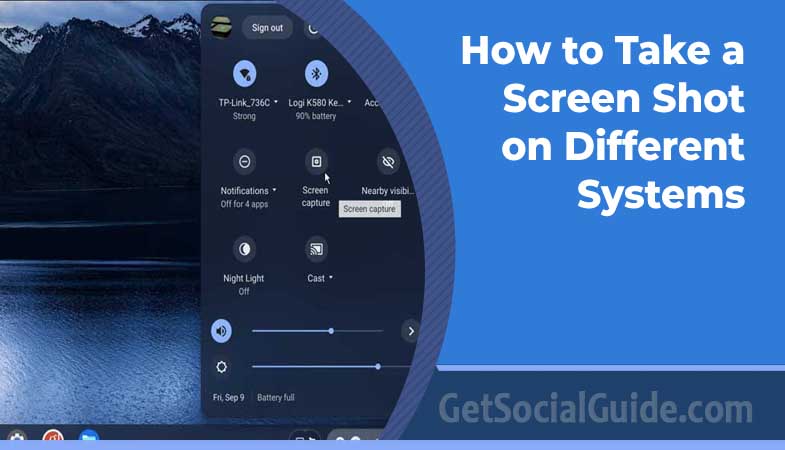
The Essential Guide to Screen Capture in 2026
Whether you’re creating a tutorial, reporting a software bug, saving a memorable video call moment, or documenting your high score in a game, knowing how to capture your screen is a fundamental digital skill. The methods and tools available have evolved significantly, moving far beyond the simple “Print Screen” key of decades past. In 2026, users have a plethora of options, from powerful built-in operating system tools to sophisticated third-party applications and even online recorders that work directly in your browser.
This comprehensive guide covers everything you need to know about taking screenshots and recording your screen across Windows, Linux, and online platforms. We’ll explore the native shortcuts and tools you already have, dive into professional-grade software like Snagit and OBS, and highlight the best online recorders for quick, no-installation captures. Whether you’re a casual user or a professional content creator, you’ll find the perfect method for your needs.
Windows Screen Capture Methods (2025-2026 Update)
Windows has continuously improved its built-in screenshot and screen recording capabilities. Depending on your version of Windows (10, 11, or the upcoming Windows 12), you have access to a range of powerful tools without installing any third-party software.
Keyboard Shortcuts: The Classic Ways
These are the fastest methods for capturing your screen without any frills. They work in virtually all versions of Windows.
| Shortcut | Function | Destination |
|---|---|---|
| PrtScn (Print Screen) | Captures the entire screen (all monitors) | Copies to clipboard. Paste into an app (Paint, Word, etc.). |
| Alt + PrtScn | Captures only the currently active window | Copies to clipboard. |
| Windows Key + PrtScn | Captures the entire screen | Saves automatically to Pictures > Screenshots as a PNG file. |
| Windows Key + Shift + S | Opens the Snipping Tool’s capture bar for a custom snip | Copies to clipboard and allows annotation in Snipping Tool. |
| Windows Key + G | Opens the Game Bar for screen recording and screenshot | Screenshots saved to Videos > Captures. |
| Windows Key + Alt + PrtScn | Takes a screenshot via Game Bar | Saves to Videos > Captures. |
If you’re using a laptop without a dedicated Print Screen key, you may need to press Fn + Windows Key + Spacebar or a similar combination. Check your laptop’s manual for specific key mappings. Also, on many modern laptops, the PrtScn key might be a secondary function, requiring you to hold the Fn key.
Using the Print Screen Key (Step-by-Step)
The PrtScn key is the oldest and most universal method. Here’s how to use it effectively:
- Capture entire screen: Press PrtScn. The image is copied to your clipboard. You can then paste it into an image editor like Paint, a document, or an email.
- Capture only the active window: Click on the window you want to capture to make it active. Then press Alt + PrtScn. The image of just that window is copied to your clipboard.
- Automatically save a full-screen capture: Press Windows Key + PrtScn. Your screen will dim briefly, and the screenshot will be saved as a PNG file in the Screenshots folder, located inside your Pictures library (
C:Users[YourUsername]PicturesScreenshots). This is the most efficient method for saving full-screen shots directly to a file.
Snipping Tool and Snip & Sketch (Built-in Powerhouses)
For more control, Windows includes the Snipping Tool (and its modern successor, Snip & Sketch). You can launch it by searching for “Snipping Tool” in the Start menu. The quickest way to access its capture modes is with Windows Key + Shift + S. This dims your screen and displays a small toolbar at the top, offering four snipping modes:
- Rectangular Snip: Drag the cursor to draw a rectangle around the area you want to capture.
- Freeform Snip: Draw an irregular shape around the area you want to capture.
- Window Snip: Click on any open window (like a browser or app) to capture it, including its drop shadow.
- Fullscreen Snip: Captures your entire screen.
After making a snip, the image is copied to your clipboard, and a notification appears. Click the notification to open the image in the Snipping Tool editor, where you can annotate, crop, highlight, and save it. The editor also includes a delay timer (3 or 10 seconds) to capture menus or tooltips that appear when you click.
Game Bar: For Games and Beyond
Windows Game Bar is designed for gamers, but it’s a powerful screen capture tool for any application. Press Windows Key + G to open it. From the overlay, you can:
- Click the camera icon to take a screenshot (saved to
Videos > Captures). - Click the record button (circle) to start recording your screen. You can record the entire screen or a specific window, with or without audio.
- Enable microphone recording and track system performance.
Game Bar is excellent for recording software walkthroughs, creating quick tutorials, or capturing gameplay. You can customize its settings in Settings > Gaming > Captures.
Game Bar may not work with all applications, especially those that run with administrative privileges or are from certain non-Microsoft stores. If Game Bar fails to open, you may need to ensure the feature is enabled in Windows Settings or consider using a third-party alternative like OBS.
Windows 11 and 12 Enhancements
In recent Windows 11 updates and the upcoming Windows 12, the Snipping Tool has become even more powerful. It now includes a built-in screen recorder, allowing you to switch seamlessly between capturing still images and recording video of your screen. The Windows Key + Shift + S shortcut now opens a unified capture bar with both screenshot and video recording options. You can record a selected region, a specific window, or the entire screen without needing Game Bar for basic recordings. This makes Windows an even more capable platform for content creation right out of the box.
If you’re using a Microsoft Surface (or similar Windows tablet), you can take a screenshot using the physical buttons, just like on a phone or tablet:
- Press and hold the Windows Logo touch button on the front bezel.
- While holding it, press the Volume Down button on the side of the device.
- The screen will dim briefly, and the screenshot will be saved to your Pictures > Screenshots folder.
This method is perfect for capturing exactly what you see on a tablet in any orientation.
Third-Party Screen Capture Software
While Windows’ built-in tools are excellent for most needs, professional users, content creators, and those requiring advanced editing and annotation features often turn to third-party software.
Snagit: The Industry Standard for Screenshots and Screen Recording
Snagit by TechSmith is widely considered the gold standard for screen capture and image-based screen recording. It goes far beyond simple capture, offering a powerful editor that lets you enhance your screenshots with arrows, text, callouts, step numbering, and even video from your webcam. Its “All-in-One” capture mode lets you quickly switch between capturing an image, recording a video, or grabbing a panoramic scrolling window.
Key Features:
- Capture images, videos, and scrolling windows.
- Powerful annotation tools (arrows, text, shapes, stamps, step tool).
- Create simple instructional videos with screen and webcam recording.
- Easily share to popular platforms (Microsoft Teams, Slack, Screencast.com).
- Text extraction (OCR) from captured images.
Snagit is a paid application, but it offers a free trial. It’s an investment that pays off for professionals who regularly create documentation, tutorials, or visual communication.
Other Notable Third-Party Tools
- ShareX: A powerful, free, and open-source screen capture and file sharing tool for Windows. It’s highly customizable and packed with features for advanced users, including uploading to over 80 destinations.
- Greenshot: A lightweight and open-source screenshot tool for Windows. It’s quick, easy to use, and offers basic annotation and exporting features. Great for users who want more than the Snipping Tool without the complexity of Snagit.
- Lightshot: A simple and fast screenshot tool that allows you to select an area, instantly edit (add lines, arrows, text), and upload the screenshot to the cloud for easy sharing.
Online Screen Recorders: No Installation Needed
For quick screen recordings without installing software, online tools are a fantastic option. They work directly in your browser and are perfect for creating short tutorials, bug reports, or video messages.
VEED.io: Powerful Online Screen Recorder
VEED.io offers a simple yet powerful online screen recorder. You can record your screen, webcam, and microphone simultaneously, with no time limits on the free version. It’s compatible with Windows, Mac, Linux, and even mobile devices. After recording, you can trim your video, add subtitles, and download it or share a link. It also offers a Chrome extension for one-click recording directly from your browser.
Key Features:
- No software download required (works in Chrome, Edge, etc.).
- Record screen, webcam, and mic together or separately.
- Unlimited recording time (free version).
- Basic editing tools (trim, subtitles).
- Chrome extension for quick access.
Other Online Options
- Loom: A popular tool for quick video messages. It records your screen, webcam, and voice and instantly provides a shareable link. Free plan includes recording limits.
- Clipchamp: Now owned by Microsoft, Clipchamp is a free online video editor that also includes a screen recorder. It’s directly integrated into Windows 11.
Linux Screen Capture Methods
Linux offers a rich ecosystem of screen capture tools, ranging from simple command-line utilities to full-featured recording studios. Most of these are available through your distribution’s package manager.
Kazam: Simple and Lightweight
Kazam is a straightforward screencasting tool for Linux. It’s perfect for beginners who need to record their screen or capture a screenshot without complex configuration. It supports audio recording and various video codecs.
Install on Ubuntu/Debian:
sudo apt install kazam
Newer version with broadcast feature (via PPA):
sudo apt-add-repository ppa:sylvain-pineau/kazam
sudo apt update
sudo apt install kazam
Keyboard Shortcuts (after launch):
- Super+Ctrl+R – Start recording
- Super+Ctrl+F – Finish recording
- Super+Ctrl+P – Pause/Resume
- Super+Ctrl+Q – Quit
Note: The “Super” key is usually the Windows key on most keyboards.
SimpleScreenRecorder
SimpleScreenRecorder is a Qt-based screencasting tool that, despite its name, is quite powerful. It’s lightweight and can run smoothly on older hardware. It supports a wide range of output formats and audio sources.
Install on Ubuntu/Debian:
sudo add-apt-repository ppa:maarten-baert/simplescreenrecorder
sudo apt update
sudo apt install simplescreenrecorder
OBS Studio: Professional Streaming and Recording
OBS Studio is the ultimate free and open-source software for video recording and live streaming. It’s used by professional streamers, educators, and content creators worldwide. While it has a steeper learning curve, its flexibility and power are unmatched. You can create scenes with multiple sources (screen, windows, webcams, images, text), mix audio, and stream directly to platforms like YouTube and Twitch.
Install on Ubuntu/Debian:
sudo add-apt-repository ppa:obsproject/obs-studio
sudo apt update
sudo apt install obs-studio
recordMyDesktop
recordMyDesktop is one of the oldest screencasting tools for Linux. It’s primarily a command-line utility but offers two GUIs: gtk-recordMyDesktop (GTK) and qt-recordMyDesktop (Qt). It’s simple and reliable.
Install GUI version on Ubuntu/Debian:
sudo apt install gtk-recordmydesktop
Vokoscreen
Vokoscreen is an easy-to-use screencasting tool with a clean interface. It supports multiple video codecs, webcam overlay, and audio input selection. It’s a great alternative to Kazam.
Install on Ubuntu/Debian:
sudo apt install vokoscreen
For Linux users, the choice of tool often depends on your desktop environment. GNOME users might prefer the built-in screenshot tool (accessed via PrtScn or in the system menu) which now includes screen recording. KDE Plasma users have Spectacle, a powerful screenshot utility. Check your desktop’s native tools first – they might already cover your needs.
Comparison Table of Screen Capture Methods
| Method / Tool | Best For | Platform | Cost | Key Features |
|---|---|---|---|---|
| Windows Keyboard Shortcuts | Quick, no-fuss screenshots | Windows | Free (built-in) | Fast, multiple capture modes, no software needed |
| Snipping Tool / Snip & Sketch | Basic screenshots with annotations | Windows 10/11 | Free (built-in) | Delay timer, freeform snip, basic editing |
| Game Bar | Screen recording and gaming captures | Windows 10/11 | Free (built-in) | Record specific window, microphone overlay, performance widgets |
| Snagit | Professional documentation and tutorials | Windows, Mac | Paid (trial available) | Advanced annotations, scrolling capture, video editor, text extraction |
| ShareX | Power users, automation, and cloud sharing | Windows | Free (open-source) | Highly customizable, 80+ upload destinations, workflow automation |
| VEED.io | Quick online recordings with basic editing | Web (all OS) | Free & paid plans | No install, unlimited time, screen+webcam, subtitles |
| OBS Studio | Professional live streaming and advanced recording | Windows, Mac, Linux | Free (open-source) | Scene composition, multi-source, direct streaming, extensive plugins |
| Kazam | Simple Linux screen recording | Linux | Free (open-source) | Lightweight, easy to use, audio recording |
Frequently Asked Questions
1. Where are my screenshots saved in Windows?
It depends on the method used. For Windows Key + PrtScn, they are saved to Pictures > Screenshots. For Game Bar captures (Windows Key + Alt + PrtScn), they are saved to Videos > Captures. For screenshots taken with the Snipping Tool or Windows Key + Shift + S, you must manually save them using the “Save As” option in the editor; otherwise, they are only copied to your clipboard.
Use the Snipping Tool (or Snip & Sketch) with the delay timer. Set a 3 or 5-second delay, then open the menu. The tool will capture the screen after the delay, allowing you to position the menu.
3. Can I record my screen with audio on Windows for free?
Yes. The built-in Game Bar allows you to record your screen with system audio and your microphone. For more advanced control, the free and open-source OBS Studio is the best option.
4. What’s the best free screen recorder for Linux?
For simplicity, Kazam is great. For more features, SimpleScreenRecorder is excellent. For professional streaming and recording, OBS Studio is the top choice.
5. My Print Screen key isn’t working. What should I do?
First, try pressing Fn + PrtScn (if on a laptop). Ensure that the key isn’t remapped by any software. You can also try the Windows Key + Shift + S shortcut as an alternative. If the issue persists, check your keyboard drivers or use the on-screen keyboard.
6. How do I take a scrolling screenshot (capture an entire webpage)?
This requires a specialized tool. Snagit has a “Scrolling Window” capture mode. For browsers, extensions like GoFullPage (Chrome) or FireShot (multiple browsers) can capture full-page screenshots. ShareX also offers scrolling capture.
7. Are online screen recorders safe?
Reputable online recorders like VEED.io and Loom are safe to use and employ encryption for your data. However, always be cautious about what you record, especially if it contains sensitive information. Avoid uploading confidential data to any online service unless you trust its security policies.
8. What’s the difference between a screenshot and a screen recording?
A screenshot is a single static image of your screen at a moment in time. A screen recording is a video that captures a sequence of actions over a period of time, often with audio.
Conclusion: Capture Your World with Confidence
Screen capture technology has come a long way. Whether you’re using the powerful built-in tools of Windows 11/12, exploring the rich ecosystem of Linux software, or leveraging the convenience of online recorders, there’s a solution for every need and skill level. For quick static images, the keyboard shortcuts and Snipping Tool are unbeatable. For professional documentation, Snagit’s annotation power is invaluable. For recording gameplay or live streaming, OBS Studio is the industry standard. And for a quick, no-install video message, online tools like VEED.io are perfect.
We hope this guide has helped you understand the full spectrum of screen capture options available in 2025-2026. If you have any questions or if your favorite tool isn’t listed, please let us know in the comments below. Happy capturing!






I had no idea! Thanks for sharing this Kim! I may try this way instead of Skype!
Thanks for nice comments keep up…….