
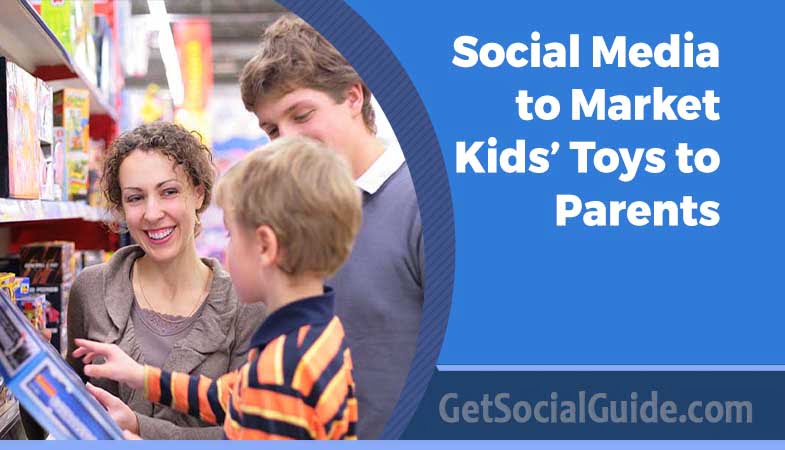
Social media has evolved into an essential digital marketing tool for companies attempting to connect with their target audience in today’s competitive landscape. The digital ecosystem provides a unique and highly effective platform for marketing children’s toys directly to decision-making parents. With millions of parents scrolling through their feeds daily during brief moments of downtime, it’s critical to implement innovative and creative approaches that capture attention and inspire action. This comprehensive guide explores six modern, data-driven strategies for successfully promoting playthings across various social networking platforms while building lasting brand relationships.

Interactive Posts and Contests: Building Engaged Parenting Communities
Interactive posts and social media contests represent some of the most effective methods to drive genuine engagement and build brand loyalty among parent audiences. Create strategic content that invites families to share their personal experiences, parenting hacks, or creative ways they use your toys in daily routines. Organize competitions with clear, appealing prizes that incentivize user participation, such as photo contests featuring your products in real-life scenarios or creative storytelling challenges about family playtime.
This approach not only creates a dedicated and engaged community around your brand but also generates valuable user-generated content that can be repurposed across marketing channels. According to recent marketing analytics, interactive content generates twice as many conversions as passive content, making it particularly valuable for toy companies targeting busy parents who appreciate quick, engaging digital experiences.
Successful Interactive Campaign Strategies
- Hashtag Campaigns – Create branded hashtags that parents can use when sharing photos of their children playing with your toys
- Polling and Voting Systems – Let parents vote on new product colors, features, or future toy concepts
- Live Q&A Sessions – Host regular live sessions where child development experts or company founders answer parent questions
- Challenges and Giveaways – Run time-limited challenges with clear entry requirements and desirable prizes
Influencer Partnerships: Leveraging Trust and Authenticity in Parenting Communities
Influencer marketing has transformed from a trend into a fundamental component of successful digital promotion strategies. By collaborating with parenting influencers whose values align authentically with your brand, you can significantly expand your reach while maintaining credibility. Parents following influencers who are also caregivers tend to trust their recommendations more than traditional advertising, viewing them as peers who understand their daily challenges and aspirations.
When selecting influencer partners for toy marketing, prioritize authenticity over follower count. Micro-influencers with engaged, niche parenting communities often deliver higher conversion rates than celebrities with massive but less-targeted followings. Ensure chosen influencers can genuinely showcase your products’ unique features while sharing brand values that resonate with their audience.
Effective Influencer Partnership Checklist:
✓ Audience demographic matches your target parent profile
✓ Engagement rate exceeds 3% (likes, comments, shares)
✓ Content style aligns with your brand aesthetic
✓ History of authentic, non-promotional content
✓ Transparent about sponsored partnerships
✓ Track record of driving measurable results
Engaging Visual Content: Mastering Eye-Catching Imagery for Parent Audiences

In the visually-driven world of social media marketing for children’s toys, creating compelling visual content that stands out in crowded feeds represents your most powerful opportunity for capturing parent attention. Parents frequently browse social platforms on mobile devices during brief moments of downtime, making immediate visual impact absolutely essential for stopping the scroll.
High-quality images and short videos showcasing toys in realistic home environments prove particularly effective for demonstrating product value. Consider strategically featuring developmental Montessori toys for 1-year-olds within your content to highlight their unique educational benefits. By incorporating these thoughtfully designed playthings into your visual storytelling, you attract parents specifically seeking developmentally appropriate, educational products for their young children while positioning your brand as an expert in child development through play.
Visual Content Optimization Techniques
Educational Content Strategy: Positioning Toys as Essential Learning Tools
Modern parents increasingly seek products that offer both entertainment and educational value for their children’s development. Develop and share educational content that clearly demonstrates how your toys support cognitive, emotional, and physical growth milestones. Distribute informative videos, visually appealing infographics, and well-researched articles that highlight the developmental benefits of your products, backed by child development research when possible.
Showcase testimonials and case studies from families whose children have demonstrated measurable growth through engagement with your toys. By positioning products as valuable educational resources, you attract parents who prioritize their children’s development while differentiating from competitors offering mere entertainment. Collaborate with certified child development specialists, occupational therapists, or early childhood educators to create authoritative content that establishes your brand as a trusted resource for developmental play.
Content Types That Educate and Convert
- Developmental Milestone Guides – Connect specific toys to age-appropriate developmental achievements
- Expert Interview Series – Feature child psychologists, teachers, or therapists discussing play-based learning
- Activity Idea Collections – Provide creative ways to extend play and learning with your toys
- Research-Based Articles – Cite academic studies supporting the developmental benefits of certain play types
- Comparison Resources – Help parents understand differences between toy categories and their educational value
User-Generated Content: Showcasing Authentic Real-Life Family Experiences
User-generated content (UGC) represents one of the most powerful strategies for marketing toys through social media channels. Encourage parents who have purchased your toys to share authentic experiences their children have with your products through dedicated campaigns, hashtags, or incentive programs. Feature these genuine UGC posts prominently across your own social profiles to demonstrate the real-world joy and educational value your products bring to families.
This approach adds human authenticity to your brand while providing prospective customers with valuable social proof from peers they trust. According to recent marketing research, 85% of consumers find visual UGC more influential than brand photos or videos when making purchasing decisions. Beyond leveraging established trust within your community, UGC provides cost-effective content while building stronger emotional connections with prospective customers.
Maximizing User-Generated Content Impact
UGC Campaign Best Practices:
1. Create Clear Campaign Guidelines – Specific hashtags, content requirements, submission methods
2. Offer Meaningful Incentives – Discounts, feature opportunities, or exclusive access to new products
3. Streamline Permission Processes – Simple systems for obtaining rights to repurpose customer content
4. Showcase Diversity – Feature families of different backgrounds, abilities, and living situations
5. Maintain Authenticity – Avoid over-editing or staging UGC to preserve genuine appeal
Timely Campaigns and Seasonal Promotions: Capitalizing on Trend Waves

Implement timely campaigns and strategic seasonal promotions to maintain dynamic, relevant social media marketing that captures parent attention throughout the year. Develop targeted content around major holidays, back-to-school periods, seasonal changes, and culturally relevant moments that resonate with family life. Leverage trending topics and popular hashtags to participate in broader conversations while increasing brand visibility among parent communities.
Consider implementing limited-time flash sales or exclusive seasonal bundles that create urgency for caregivers making purchasing decisions. These deadline-driven promotions can accelerate conversion rates while generating excitement around your brand. According to retail analytics, properly executed seasonal campaigns can generate up to 30% of annual sales for toy companies, making strategic timing essential for marketing success.
Year-Round Campaign Calendar for Toy Brands
Beyond implementing these strategies, continuously monitor social media analytics to understand what resonates with your parent audience and drives actual business results. Track key performance indicators including engagement rates, click-through rates, conversion metrics, and customer acquisition costs across different platforms and campaign types. Utilize platform-specific insights alongside third-party analytics tools to develop a comprehensive understanding of your social media marketing performance.
Essential Metrics for Toy Marketing Campaigns
- Engagement Rate – Percentage of followers who interact with your content through likes, comments, or shares
- Click-Through Rate (CTR) – How often users click links to your website or product pages
- Conversion Rate – Percentage of social media visitors who complete desired actions (purchases, sign-ups, etc.)
- Customer Acquisition Cost (CAC) – Total marketing spend divided by number of new customers acquired
- Return on Ad Spend (ROAS) – Revenue generated for every dollar spent on social media advertising
- Audience Growth Rate – How quickly your follower count increases month over month
Different social media platforms attract distinct parent demographics and support varied content formats. Develop platform-specific strategies that maximize each network’s unique strengths while maintaining consistent brand messaging across all channels.
Platform-Specific Toy Marketing Approaches
Instagram – Visual storytelling through Reels, Stories, and Carousel posts
• Showcase toys in beautiful lifestyle settings
• Utilize Instagram Shopping for direct purchases
• Leverage parent-focused hashtags and communities

Facebook – Community building and detailed information sharing
• Create and nurture parenting groups around specific toy categories
• Share longer-form content about developmental benefits
• Utilize Facebook Events for virtual toy demonstrations

Pinterest – Inspiration and planning for parents
• Create boards organized by age, developmental area, or occasion
• Optimize pins for search with detailed descriptions
• Link directly to product pages or gift guides

TikTok – Authentic, entertaining short-form video
• Demonstrate toys in action with engaging music and editing
• Participate in relevant parenting challenges and trends
• Collaborate with parent creators for authentic reviewsMarketing children’s toys to parents through social media requires thoughtful strategy, authentic engagement, and continuous adaptation to platform changes and audience preferences. The six innovative approaches outlined above—interactive content, influencer partnerships, compelling visuals, educational positioning, user-generated content, and timely campaigns—provide a comprehensive framework for connecting with parents, reaching your target demographic, and ultimately increasing sales for your toy brand.
Remember that successful social media marketing for toys extends beyond individual posts or campaigns to build genuine relationships with parenting communities. By consistently providing value, demonstrating understanding of parent concerns, and authentically showcasing how your products enrich family life, you transform casual followers into loyal brand advocates who will return for future purchases and recommend your toys to fellow parents.
In the ever-evolving landscape of social media advertising, staying responsive to parent feedback, monitoring emerging platforms, and maintaining authentic brand values will ensure your toy company remains relevant and resonant with the families you aim to serve. Begin implementing these strategies today to transform your social media presence and drive measurable growth for your toy business.





This was an excellent read. I really liked how the topic was explained in a simple and practical way. Looking forward to reading more articles like this.
Thank you for reading! Keep exploring and sharing — knowledge grows when it’s shared.