How to Build a Referral Program in 2026 (+50 Examples)
Word of mouth has always been the most powerful marketing channel in existence. But in 2026, smart businesses don’t leave word of mouth to chance — they build systems around it. A well-designed referral program turns your happiest customers into your most effective sales team, driving acquisition costs down and lifetime value up simultaneously.
Whether you’re a solo entrepreneur, a growing startup, or an established enterprise, this guide will walk you through exactly how to build a referral program in 2026 — plus over 50 real-world examples across every industry to inspire your own.
What Is a Referral Program?

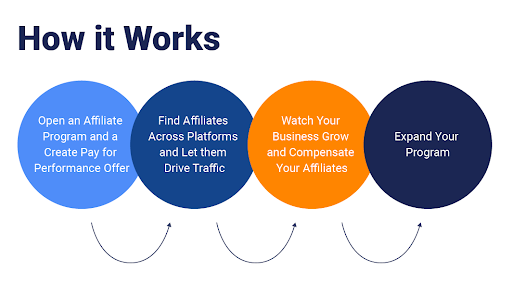
A referral program is a structured, incentive-based system that encourages your existing customers to recommend your product or service to new potential customers. Unlike organic word of mouth, a referral program is deliberate — it provides a clear mechanism (a unique link, code, or form), a defined reward for both referrer and referee, and a tracked process that ties new customer acquisition directly to the person who drove it.
In 2026, referral programs have evolved far beyond the simple “give $10, get $10” model. The most effective programs are deeply integrated into the customer experience, personalized based on user behavior, and powered by sophisticated tracking and automation. But the core principle remains unchanged: people trust people they know more than they trust brands.
Why Referral Programs Matter More Than Ever in 2026
The digital advertising landscape in 2026 is more expensive, more competitive, and more privacy-restricted than ever before. Third-party cookies are largely gone. CPCs on major platforms have risen dramatically. AI-generated content has flooded every channel, making authentic human recommendations more valuable — and more rare.
In this environment, referral programs offer something no paid channel can: trust at scale. Referred customers consistently outperform non-referred customers across every metric that matters — higher conversion rates, lower churn, higher lifetime value, and faster time to first purchase.
Types of Referral Programs
Cash Referral Programs
Both referrer and referee receive cash rewards. Simple, universally motivating, and easy to understand.
Credit & Discount Programs
Rewards come as account credits, discounts, or free months of service. Keeps money in the ecosystem.
Tiered Referral Programs
Rewards increase as referrers bring in more customers. Creates ongoing engagement and super-referrer behavior.
Two-Sided Programs
Both the referrer AND the new customer receive rewards. The most effective structure for most businesses.
Affiliate Programs
Commission-based referral for content creators, influencers, and publishers. Performance-driven at scale.
VIP & Loyalty Programs
Referral rewards are layered into broader loyalty ecosystems. Points, status, and exclusive perks drive behavior.
How to Build a Referral Program: Step-by-Step
Before choosing rewards or building landing pages, define exactly what your referral program needs to accomplish. Are you trying to acquire new customers, retain existing ones, increase average order value, or expand into a new market? Your goal determines your reward structure, your targeting, and your success metrics.
Key questions to answer:
- What is your current customer acquisition cost (CAC)?
- What is your average customer lifetime value (LTV)?
- What reward can you afford while remaining profitable?
- Which customer segment is most likely to refer?
The reward is the engine of your referral program. Choose the wrong reward and your program will underperform regardless of how well everything else is designed. The best rewards are immediately understandable, feel genuinely valuable, and align with what your customers already want from you.
Reward types ranked by effectiveness:
- Cash/PayPal — universally motivating, highest perceived value
- Account credit — keeps money in your ecosystem, increases LTV
- Free product/service — high perceived value, low actual cost
- Discounts — motivating but lower perceived value than cash
- Gift cards — flexible, broadly appealing
- Exclusive access — powerful for premium/community products
- Charitable donation — powerful for values-aligned brands
Every referral program needs three core technical components: a unique sharing mechanism (link, code, or form), a tracking system that correctly attributes referrals, and a reward fulfillment process. In 2026, most businesses use dedicated referral software rather than building these systems from scratch.
Top referral program platforms in 2026:
- ReferralHero — best for SaaS and digital products
- Friendbuy — best for e-commerce brands
- ReferralCandy — best for Shopify stores
- Extole — best for enterprise brands
- Viral Loops — best for viral/waitlist mechanics
- Tapfiliate — best for affiliate-style programs
- GrowSurf — best for B2B SaaS
Your referral landing page needs to do three things instantly: communicate the reward clearly, make sharing effortless, and build enough trust that new visitors convert. The best referral landing pages are visually clean, lead with the reward value, and include social proof that the program actually pays out.
Must-have elements on your referral page:
- Bold, clear headline stating the reward
- Simple 3-step explanation of how it works
- One-click sharing options (link copy, email, WhatsApp, social)
- Progress tracker (for tiered programs)
- Testimonials from existing referrers
- FAQ section addressing fraud concerns and payout timing
Building a great referral program is only half the battle. You need an ongoing promotion strategy that keeps the program visible to your existing customers without being annoying. The best referral programs are woven into the fabric of the customer experience — not treated as a one-time campaign.
Referral program promotion channels:
- Post-purchase email sequence (day 1, day 7, day 30)
- In-app or on-site dashboard widget
- Transactional email footer (“Loving us? Share us.”)
- Social media announcements and reminders
- Customer service touchpoints (“Is there anything else we can do? Have you tried our referral program?”)
- Packaging inserts (for physical products)
- Re-engagement campaigns for dormant referrers
A referral program without measurement is just a coupon. Track the right metrics from day one and you’ll know exactly where to optimize — whether that’s the reward amount, the sharing mechanism, the landing page, or the email sequence. The goal is to continuously improve your referral rate and the quality of referred customers.
Key referral program metrics to track:
- Referral rate — % of customers who refer at least one person
- Share rate — % of customers who share their referral link
- Conversion rate — % of referred visitors who become customers
- Referred customer LTV — vs. non-referred customer LTV
- Cost per referred acquisition — total rewards paid / new customers acquired
- Viral coefficient (K-factor) — average referrals per customer
- Referral program ROI — revenue from referrals / cost of program
50+ Referral Program Examples That Get It Right
💻 Tech & SaaS Referral Programs
Dropbox’s referral program is the most studied in marketing history — and for good reason. By offering free storage space (500MB per referral, up to 16GB) to both the referrer and the referee, Dropbox grew 3900% in 15 months without spending a dollar on traditional advertising. The genius was that the reward (storage) was directly tied to the product’s core value proposition.
 Reward: 500MB free storage for both referrer and referee (up to 16GB)
Key takeaway: The best referral reward is more of your own product — it deepens engagement while driving acquisition.
Slack’s referral program offers $100 in Slack credit for each new paid workspace referred. This B2B approach is smart — it rewards the business decision-maker directly, and the credit keeps money inside the Slack ecosystem, increasing the lifetime value of both accounts. The referral is tied to the purchasing decision, not just product usage.

Reward: $100 Slack credit per paid workspace referred
Key takeaway: In B2B referrals, target the decision-maker with rewards that map to their actual purchasing behavior.
HubSpot’s Solutions Partner Program turns agencies, consultants, and freelancers into a referral army. Partners earn 20% recurring commission on referred customers for the first year, plus access to HubSpot’s training resources, co-marketing opportunities, and a trusted badge they can display to their own clients. The program creates mutual value at every level.
 Reward: 20% recurring commission for 12 months
Key takeaway: For complex B2B products, building a partner/affiliate referral ecosystem creates more sustainable growth than individual customer referrals.
Notion’s referral program gives both the referrer and referee $10 in Notion credit when the referred user signs up for a paid plan. Simple, clean, and deeply integrated into the product onboarding experience. Notion also leverages its enormous community of template creators as informal brand ambassadors — a form of organic referral that extends far beyond the formal program.
Reward: $10 credit for both referrer and referee on paid plan signup
Key takeaway: Combine your formal referral program with community-driven content (templates, tutorials) to create an always-on organic referral engine.
Zoom’s referral program offers cash rewards to customers who refer new paid accounts. The simplicity of the program — a unique link, a clear cash reward, transparent payout tracking — has made it one of the most participated-in B2B referral programs in the video conferencing space. Zoom also runs an affiliate program for content creators at different commission tiers.
Reward: Cash rewards based on referred account size
Key takeaway: In competitive B2B markets, cash rewards signal seriousness and remove the ambiguity of credit-based systems.
Airtable rewards referrers with $10 in credit for each new workspace that upgrades to a paid plan through their link. The program is embedded directly into the product dashboard, making it frictionless to share. Airtable’s referral success is partly driven by its passionate user community — people who genuinely love the product and want to share it.
Reward: $10 credit per referred paid workspace
Key takeaway: Dashboard-embedded referral prompts dramatically outperform external referral pages — put your program where your users already spend time.
💳 Fintech & Banking Referral Programs
Cash App’s referral program is one of the most viral in fintech history. When a new user signs up with a referral code and sends their first $5, both the referrer and the new user receive $5-$15 in cash. The instant, tangible cash reward — delivered directly in an app about money — is perfectly aligned with the product’s core value. Cash App grew to 70+ million users partly on the strength of this program.
Reward: $5–$15 cash for both parties when referred user sends first $5
Key takeaway: The best referral reward is your product’s core value delivered instantly. For a money app, that’s cash.
Robinhood’s referral program gives both the referrer and the new user a random free stock (valued between $2.50 and $225) when the referred user opens and funds an account. The randomness creates genuine excitement — you might get Apple, you might get Ford. This gamification element made the referral program itself worth talking about, generating social media sharing around the reward reveal.
Reward: Random free stock valued $2.50–$225 for both parties
Key takeaway: Gamifying your referral reward (mystery/random value) creates excitement and social sharing around the reward itself, not just the product.
Chime offers up to $100 cash for each friend referred who opens an account and receives a qualifying direct deposit. The high reward reflects the high lifetime value of a banking customer — Chime can afford to pay more because they keep the customer longer. The direct deposit requirement ensures referral quality, filtering for genuinely engaged users rather than casual sign-ups.
Reward: Up to $100 cash per referred user who receives qualifying direct deposit
Key takeaway: Higher referral rewards are justified when customer LTV is high. Requiring a qualifying action (like direct deposit) improves referral quality dramatically.
Wise’s referral program offers fee-free transfers for referred users, perfectly aligned with Wise’s core brand promise of fair, transparent fees. Referrers earn cash when their referred friends send money abroad. The program is deeply international — available in 50+ countries with localized rewards — reflecting Wise’s global customer base and mission.
Reward: Fee-free first transfer for referee; cash reward for referrer per qualifying transfer
Key takeaway: Align your referral reward with your brand’s core promise. For Wise, that promise is “no hidden fees” — so the reward is exactly that.
Coinbase rewards both referrer and referee with $10 in Bitcoin when the new user buys or sells $100 in crypto. Paying the reward in Bitcoin is a stroke of genius — it’s on-brand, it gets new users immediately invested in the product, and it exposes them to the potential upside of holding crypto. The reward has essentially the same properties as the product itself.
Reward: $10 Bitcoin for both parties when referred user trades $100+
Key takeaway: Paying your referral reward in your own product (especially for investment products) creates immediate engagement and aligns referrer and referee interests.
🛍️ E-Commerce Referral Programs
Amazon Associates is the world’s largest affiliate referral program, with millions of content creators earning commissions by linking to Amazon products. Commission rates vary by category (1-10%), but the program’s power lies in its scale and trust — Amazon converts referred traffic at extraordinarily high rates because customers already trust the platform. The cookie window (24 hours for standard purchases) is short, but the volume makes up for it.
Reward: 1–10% commission depending on product category
Key takeaway: Even a modest commission rate becomes powerful at Amazon’s scale. Trust and conversion rate matter as much as commission percentage.
Glossier’s referral program gives both the referrer and the referee 10% off their next purchase. Simple, but backed by one of the most passionate brand communities in beauty. Glossier built its referral program on the foundation of genuine brand love first — they turned customers into community members before asking them to refer. The result is referrals that feel authentic, not transactional.
Reward: 10% off for both referrer and referee
Key takeaway: The best referral programs are built on genuine product love. Build community first, then layer in the referral mechanics.
ASOS offers referred new customers a discount on their first order, with the referrer receiving credit when the purchase is made. The first-order discount is a classic e-commerce referral mechanic — it removes the price barrier for a new customer trying the brand for the first time, while rewarding the person who drove the introduction. ASOS layers this into a broader loyalty program (A-List) for maximum engagement.
Reward: Discount on referred user’s first order; credit for referrer
Key takeaway: First-order discounts for referees are particularly powerful in fashion and retail — they overcome the “I’ll try it next time” hesitation.
Chewy’s referral program offers $20 off for referred new customers and a $20 credit for the referrer. But what makes Chewy’s referral program exceptional is the emotional context — pet owners are deeply passionate about their animals, and recommending a trusted pet supply source feels like genuinely helping a friend. Chewy amplifies this with legendary customer service, creating the product love that makes referrals feel natural.
Reward: $20 off for referee; $20 credit for referrer
Key takeaway: In passion-driven categories (pets, fitness, hobbies), referrals feel like genuine help rather than marketing. Build your program on that emotional authenticity.
Warby Parker offers $50 in credit to both the referrer and the referred friend when the friend makes their first purchase. This is a generous reward relative to product price (glasses start around $95), reflecting Warby Parker’s confidence in its customer LTV. The program is elegant and simple — no tiers, no complexity, just a clean two-sided reward that respects customers’ intelligence.
Reward: $50 credit for both referrer and referee on first purchase
Key takeaway: A generous, simple reward often outperforms a complex tiered system — don’t let program mechanics get in the way of the core offer.
🍕 Food, Delivery & Subscription Referral Programs
Uber Eats offers promo codes that give new users a discount on their first order, with the referring user receiving credit when the order is placed. The program runs constant variations — different discount amounts, different minimum order thresholds — allowing Uber Eats to A/B test reward structures at massive scale. The instant gratification of food delivery makes the referral moment particularly powerful.
Reward: Promo credit on first order for referee; credit for referrer
Key takeaway: Use your referral program as a live testing laboratory — vary your reward amounts and conditions to find the optimal conversion point.
HelloFresh offers up to $80 in free boxes for referrers, with referred friends receiving significant discounts on their first boxes. The high reward is justified by the subscription model — a converted HelloFresh customer is worth hundreds of dollars over their lifetime. HelloFresh makes sharing easy with personalized referral pages and pre-written social share messages that referrers can customize.
Reward: Up to $80 in free boxes for referrer; deep discounts for referee
Key takeaway: Subscription businesses can afford higher referral rewards because recurring revenue justifies upfront acquisition investment.
DoorDash runs two parallel referral programs — one for customers (refer a friend, both get delivery credit) and one for Dashers (delivery drivers who earn cash bonuses for referring new drivers). The dual-program approach is smart because it grows both sides of the marketplace simultaneously. The Dasher referral is particularly powerful because drivers are embedded in local communities and have high trust with potential recruits.
Reward: Delivery credit for customer referrals; cash bonus for Dasher referrals
Key takeaway: Marketplace businesses should run separate referral programs for each side of their market — customers and suppliers have different motivations and respond to different rewards.
Blue Apron offers free meals to referred new subscribers — a reward that perfectly demonstrates the product’s value at zero risk. By giving away the product as the referral reward, Blue Apron lets the food speak for itself. Referrers also receive credits for future boxes, creating a virtuous cycle where happy subscribers share the experience and are rewarded with more of what they love.
Reward: Free meals for new subscribers; box credit for referrers
Key takeaway: Giving away your product as the referral reward is the most powerful form of product marketing — it lets new customers experience value before committing.
🚗 Ride-Sharing & Travel Referral Programs
Uber’s referral program — ride credits for both referrer and new rider — was instrumental in the company’s explosive early growth. By tying the reward directly to product usage (free rides), Uber ensured that referral rewards drove engagement, not just acquisition. The program also ran parallel driver referrals, with existing drivers earning bonuses for recruiting new drivers — growing both sides of the marketplace simultaneously.
Reward: Ride credits for both referrer and referee; cash bonuses for driver referrals
Key takeaway: Referral rewards tied directly to product usage (not cash) drive deeper engagement with your platform, not just one-time signups.
Airbnb’s referral program offers travel credit to both guests and hosts who are referred. The guest referral gives new users credit toward their first booking, while the host referral rewards existing hosts for bringing new properties onto the platform. Airbnb’s referral program was responsible for a significant portion of their early international expansion — travelers naturally share great accommodation discoveries with their networks.
Reward: Travel credit for referred guests; bonus for referred hosts on first booking
Key takeaway: In marketplace businesses, growing the supply side (hosts) is often more valuable than growing the demand side — consider separate, higher-value rewards for supply-side referrals.
Lyft’s referral program offers ride credits to both referrers and new riders, with a separate driver referral program that pays cash bonuses after the new driver completes a set number of rides. The ride-completion requirement for driver referrals is smart quality control — it filters out drivers who sign up but never actually work, ensuring Lyft only pays for genuinely active supply.
Reward: Ride credits for passenger referrals; cash bonuses after ride completion for driver referrals
Key takeaway: Tie your referral reward to a qualifying action that proves genuine engagement, not just signup — this filters for quality over quantity.
Booking.com’s referral program rewards both referrer and referee with travel credits after the referred user completes their first qualifying stay. The “completed stay” requirement is important — it ensures Booking.com only pays for referrals that generate actual revenue, not just signups. The global scope of the program (available in 43 languages) reflects Booking.com’s international customer base.
Reward: Travel credit for both parties after referee’s first completed stay
Key takeaway: Tying reward fulfillment to revenue-generating events (not just signups) dramatically improves referral program ROI.
💪 Health, Fitness & Wellness Referral Programs
Peloton’s referral program offers account credit to both referrer and referee when a new member purchases hardware and subscribes. What makes Peloton’s referral work is the extraordinary community they’ve built — Peloton members don’t just use the product, they identify with it. Referring a friend feels like inviting them into a tribe, not promoting a product. The community leaderboard and high-five features reinforce the social bonds that make referrals natural.
Reward: Account credit for both referrer and new member on hardware purchase
Key takeaway: Build a community around your product and referrals become a natural expression of community membership, not a transactional ask.
Noom’s referral program offers subscription credit to members who refer friends to the weight loss platform. The health and wellness context makes Noom’s referrals uniquely powerful — people who’ve had success with a health product genuinely want their friends to experience the same results. The referral is an act of care, not just marketing, which dramatically increases share rates.
Reward: Subscription credit for referrer; discount for referee
Key takeaway: In health and wellness, successful customers are your best referrers. Time your referral ask to coincide with meaningful milestones (first goal reached, first month completed).
Calm’s referral program gives both the referrer and their friend access to Calm Premium — a reward that perfectly aligns with the brand’s mission of improving wellbeing. Giving away the full premium product to a friend feels generous and caring, not promotional. Calm’s referral messaging emphasizes the gift of calm — “share the gift of better sleep” — which elevates the referral from a transaction to a meaningful gesture.
Reward: Free premium access for referee; subscription credit for referrer
Key takeaway: Frame your referral as a gift, not a promotion. Language that emphasizes care for the recipient (“share this with someone you love”) dramatically improves share rates.
🎬 Streaming & Entertainment Referral Programs
Spotify’s referral and family plan sharing mechanics have been central to its growth strategy. By offering extended Premium trials to referred users, Spotify converts free users to paid subscribers at dramatically higher rates than cold acquisition. The Spotify Duo and Family plans also function as referral mechanics — existing subscribers naturally recruit household members, growing the subscriber base organically.
Reward: Extended Premium trial for referred new users
Key takeaway: Shared plans (family, duo, group) are a form of built-in referral mechanic — design your pricing tiers to incentivize group adoption.
YouTube leverages its massive creator network as a referral engine through affiliate-style channel memberships and Premium referral links. Creators earn revenue share from channel memberships — a form of direct referral that ties creator income to their ability to convert and retain subscribers. YouTube’s Super Thanks and channel membership features create micro-referral ecosystems within each creator’s community.
Reward: Revenue share from channel memberships; Premium trial credits
Key takeaway: Platform businesses can turn their creator/content ecosystem into a referral engine by aligning creator income with subscriber acquisition.
📚 Education & Learning Referral Programs
Coursera’s referral program offers course credits to both referrers and new learners. The education context makes Coursera’s referrals particularly authentic — people who’ve completed valuable courses naturally want to share the learning opportunity with colleagues and friends. Coursera amplifies this with an affiliate program for education bloggers and career coaches who recommend courses to their audiences.
Reward: Course credit for both referrer and referee
Key takeaway: In education, sharing a learning resource is a culturally respected behavior. Position your referral as sharing knowledge, not making a sale.
Duolingo’s referral mechanics are deeply embedded in its gamification system. Referrers earn gems (in-app currency) and XP boosts for inviting friends, with special rewards for referring friends who maintain streaks. The social features — seeing friends’ streaks, competing on leaderboards — make Duolingo’s referral feel like a natural extension of the learning game rather than a separate marketing program.
Reward: In-app gems, XP boosts, and streak freezes for referrers
Key takeaway: Gamified referrals that use in-app currency and mechanics feel more native and less promotional than external reward systems.
MasterClass periodically runs “give one, get one” promotions where subscribers can gift a full year of MasterClass to a friend and receive an additional year for themselves. This gifting mechanic is a form of high-value referral that leverages the natural gift-giving occasions in the calendar (holidays, birthdays, graduations). MasterClass’s premium positioning makes the gift feel generous and aspirational, not like a marketing promotion.
Reward: Additional subscription year for referrer; gifted year for referee
Key takeaway: Gifting mechanics tied to seasonal occasions generate natural referral spikes around holidays and life events.
📱 Telecom & Internet Referral Programs
T-Mobile’s referral program offers up to $50 per referred line for existing customers who bring friends and family onto T-Mobile plans. The high reward reflects the high LTV of a mobile subscriber — T-Mobile keeps customers for years, justifying significant upfront referral investment. T-Mobile’s “Un-carrier” brand positioning also makes referrals feel like an act of loyalty rebellion against traditional carriers.
Reward: Up to $50 per referred line activated
Key takeaway: High-LTV businesses (telecom, insurance, banking) can and should offer significantly higher referral rewards than low-LTV businesses.
Mint Mobile’s referral program gives both referrer and new subscriber a free month of service — a reward perfectly aligned with Mint’s value proposition of affordable wireless. The free month dramatically lowers the barrier to switching carriers, which is the primary friction point in telecom referrals. Mint’s humorous brand voice extends into their referral program, making sharing feel fun rather than transactional.
Reward: One free month for both referrer and new subscriber
Key takeaway: In high-friction switching categories (telecom, insurance), your referral reward should specifically address the friction — in Mint’s case, that’s cost and commitment risk.
🛡️ Insurance Referral Programs
Lemonade’s referral program is uniquely tied to their “Giveback” model — where unclaimed premiums go to causes customers care about. Referrers receive discounts, and new customers are onboarded into a community where their premium contributes to a shared cause. This values-alignment makes Lemonade referrals feel like advocacy for a mission, not just promotion of an insurance product — a remarkable achievement in an industry most customers actively dislike.
Reward: Discount credit for referrers; mission-aligned onboarding for referees
Key takeaway: In disliked industries, referrals that appeal to values (charity, mission, ethics) dramatically outperform purely financial rewards.
Oscar Health offers cash rewards to members who refer friends and family to their health insurance plans. Given the complexity and emotional weight of healthcare decisions, Oscar’s referral program works because the recommendation comes from a trusted source — a friend who’s actually used the insurance and navigated a claim. Trust is the primary currency in health insurance, and referrals are the most effective way to transfer it.
Reward: Cash reward for successful health plan referrals
Key takeaway: In high-trust categories like healthcare, a recommendation from a friend carries 10x the weight of any advertising. Your referral program is your trust transfer mechanism.
🏠 Real Estate & Home Referral Programs
Zillow’s referral program connects home buyers and sellers with Premier Agents who pay for referral leads. Zillow’s model inverts the traditional referral structure — instead of rewarding customers for referrals, Zillow charges agents for access to warm referral leads generated by its platform traffic. This B2B2C referral architecture generates hundreds of millions in revenue annually.
Reward: Qualified leads for agents (B2B); seamless agent matching for home buyers (B2C)
Key takeaway: Platforms can monetize referral mechanics directly — charging the supply side (agents) for access to referred demand (buyers) creates a powerful business model.
Divvy Homes offers significant cash rewards for customer referrals to their rent-to-own program. Given that a successful referral results in a multi-year financial relationship worth tens of thousands of dollars, Divvy can afford to be generous with referral rewards. The program targets existing Divvy residents who understand the product deeply enough to explain it to friends and family navigating the same homeownership challenges.
Reward: Cash reward for referred customers who enter a Divvy home
Key takeaway: In high-value, long-term financial products, your best referrers are customers who’ve already navigated the same problem your new customers face.
🛒 Retail & Consumer Goods Referral Programs
Dollar Shave Club’s referral program gives account credit for each successful referral — simple mechanics backed by one of the most distinctive brand voices in DTC history. DSC’s humor-first communication style extends into their referral program, making the share feel like a funny recommendation rather than a marketing act. Their viral “Our Blades Are F***ing Great” video generated enormous organic referral energy before any formal program even launched.
Reward: Account credit for each successful referral
Key takeaway: A strong, distinctive brand voice makes referral sharing feel like expressing identity rather than doing marketing. Build your brand voice first, then attach your referral program to it.
Casper’s referral program offers $75 for both the referrer and the new customer — a generous reward for a high-ticket purchase. Mattresses are infrequent purchases, which means Casper’s referral program must create value in a long purchase cycle. Casper solves this by making the referral reward attractive enough to be worth remembering — $75 is significant enough that customers bookmark their referral link for when friends mention mattress shopping.
Reward: $75 for both referrer and referee
Key takeaway: In low-frequency purchase categories, make your referral reward memorable enough that customers save it for when the right moment arises — not just immediately after their purchase.
Grove Collaborative’s referral program gives both referrer and new customer significant store credit — often $20-$30 — toward sustainable home products. The values-alignment is powerful: customers who care about sustainability actively want to share brands that align with their worldview. Grove’s referral is an act of environmental advocacy, not just shopping recommendation, which drives unusually high share rates among their eco-conscious community.
Reward: $20–$30 store credit for both referrer and new customer
Key takeaway: Values-aligned brands get referrals as an expression of identity. Make sharing your brand feel like advocating for something important, not just recommending a store.
💼 Professional Services Referral Programs
Gusto’s partner program turns accountants and bookkeepers into a powerful referral network. Accounting partners earn revenue share for each client they bring to Gusto, plus access to free Gusto accounts for their own firm and dedicated partner support. This B2B referral architecture is brilliant — accountants have trusted relationships with dozens or hundreds of small business clients, making each partner worth far more than a single customer referral.
Reward: Revenue share for accounting partners; free Gusto account for partner firms
Key takeaway: In B2B, trusted intermediaries (accountants, lawyers, consultants) are your highest-value referral sources. Build a dedicated partner program that serves their business needs, not just your acquisition goals.
Fiverr’s affiliate program pays commissions to content creators and marketers who refer new buyers to the platform. Commissions range from $15-$150 depending on the category of the first purchase. Fiverr also runs a separate “Refer a Friend” program for existing buyers, offering store credit. The dual-track approach — formal affiliates and casual customer referrals — maximizes coverage across different audience segments.
Reward: $15–$150 commission per referred first purchase (affiliate); store credit (customer referral)
Key takeaway: Run parallel referral tracks for different referrer types — high-value commissions for professional affiliates, simpler credit rewards for casual customer referrers.
Shopify’s affiliate program pays up to $150 per referred merchant who signs up for a paid plan. With millions of e-commerce educators, YouTubers, and business coaches recommending Shopify to their audiences, the affiliate program has become one of the most powerful content-driven referral engines in SaaS history. Shopify’s Partner Program also rewards developers and agencies who build on the platform and refer clients.
Reward: Up to $150 per referred paid merchant; revenue share for app developers
Key takeaway: Content creators who teach your category are your highest-value affiliates — invest in creator education programs and your referral volume compounds over time.
Discord’s referral mechanic is built directly into the product — every server invite link is a referral. Server owners are intrinsically motivated to grow their communities, and Discord’s invite system makes sharing frictionless. Discord Nitro boosting adds a reward layer — boosting a server with Nitro gives the server owner perks, creating mutual value. Discord’s growth is almost entirely referral-driven, which is why it has 500+ million accounts with minimal traditional marketing spend.
Reward: Server perks and Nitro benefits for boosted servers; community growth for server owners
Key takeaway: The ultimate referral program is one built into the product itself. Make sharing a natural part of your core user experience, not a separate marketing layer.
Reddit’s referral mechanics are organic — Redditors share content and communities with friends through subreddit links and posts. Reddit Premium referrals offer coins and awards, while Reddit’s community invitation system drives subreddit growth. Reddit’s most powerful referral asset is content virality — a great post shared beyond Reddit brings new users back to the platform, creating a continuous acquisition loop driven by content quality.
Reward: Reddit coins and awards for Premium referrals; karma for community contributions
Key takeaway: Content virality is a form of referral. Creating an environment where your users produce share-worthy content turns every post into a potential acquisition channel.
⚡ Energy & Environment Referral Programs
Tesla’s referral program has gone through many iterations — at various points offering free Supercharging miles, vehicle discounts, exclusive merchandise, and even the chance to win a Roadster for top referrers. The program generated enormous media coverage and social sharing, with Tesla owners competing publicly to rack up referrals. Even in its current, more modest form (Loot Box rewards and referral credits), it remains one of the most engaged referral programs in any industry.
Reward: Loot Box rewards, Supercharging credits, and exclusive Tesla merchandise for referrers
Key takeaway: Making your top referrers compete for aspirational rewards creates a self-propagating media story — your referral program becomes news in itself.
Arcadia’s referral program offers bill credits to members who refer friends and neighbors to their clean energy platform. The environmental mission makes Arcadia’s referrals feel like activism — sharing Arcadia is sharing cleaner air and a more sustainable future. The bill credit reward is practical and immediately valuable, while the mission framing makes sharing feel meaningful beyond the monetary incentive.
Reward: Bill credits for both referrer and new member
Key takeaway: Lead with mission, follow with the reward. For mission-driven products, values alignment is the primary referral motivator — the reward is secondary reinforcement.
🚀 Emerging & Notable Referral Programs
Revolut’s referral program has been central to its growth across 35+ countries. Referrers earn cash rewards when their referred friends order a Revolut card and make qualifying transactions. Revolut also offers Premium plan trials to new users, giving them a taste of the full product experience before committing. The combination of cash reward and premium trial creates both immediate and lasting value for new users.
Reward: Cash reward for referrers; Premium trial for new users on qualifying activation
Key takeaway: Combining a cash reward (immediate value) with a premium trial (product value) maximizes both referrer motivation and new user activation.
Honey’s referral program rewards both referrer and referee with Honey Gold (redeemable for gift cards) when new users install the extension and make qualifying purchases. Honey’s referral has an enormous natural advantage — it genuinely saves people money, which means users are highly motivated to share it. The referral pitch practically writes itself: “I use this thing and it automatically finds coupon codes when I shop. Here’s my link.”
Reward: Honey Gold (gift card equivalent) for both referrer and new user
Key takeaway: Products that save users money are the easiest referral programs to run. Make sure your product’s core value is so obvious that the referral pitch requires almost no effort from the referrer.
Plaid grows primarily through developer-to-developer referrals — engineers who’ve integrated Plaid into one product recommend it to engineering colleagues building new fintech products. Plaid supports this organic referral engine with exceptional documentation, a strong developer community, and a generous sandbox environment. The “referred by a developer I trust” recommendation carries extraordinary weight in a category where API reliability and security are paramount.
Reward: Organic reputation and community recognition (informal referral); partner incentives for larger integrations
Key takeaway: In developer-focused B2B products, peer recommendation within professional communities is your most powerful referral channel. Invest in documentation, community, and developer experience above all else.
Canva’s referral program offers account credits for referred Pro subscribers, with a separate affiliate program paying commissions to content creators. But Canva’s most powerful referral mechanic is actually its template sharing system — every Canva design shared publicly is a product demonstration that drives new user signups. The “Made with Canva” attribution on shared designs functions as continuous, ambient referral at massive scale.
Reward: Account credits for Pro referrals; commissions for affiliate referrals
Key takeaway: Product attribution on user-generated content (“Made with [Product]”) is a passive referral engine that scales with your user base. Build sharing and attribution into your product from day one.
Figma’s referral mechanic is baked directly into the collaboration workflow — every time a designer shares a file with a non-Figma user, that person must create an account to view or comment. This forced onboarding through collaboration is one of the most elegant product-led referral mechanics ever built. Figma grew from design teams to entire organizations through this mechanism, with designers serving as unwitting evangelists every time they shared their work.
Reward: Organic — collaboration access requires account creation (built-in referral)
Key takeaway: The best referral programs are indistinguishable from core product features. Build sharing and collaboration into your product so that using the product is, itself, a referral act.
Quick Comparison Table
Use this table to find the referral model that best fits your business type.
| Company | Industry | Reward Type | Two-Sided? | Key Mechanic |
|---|---|---|---|---|
| Dropbox | SaaS | Free storage | ✅ Yes | Product reward = product value |
| Cash App | Fintech | Cash | ✅ Yes | Instant gratification |
| Robinhood | Investing | Random free stock | ✅ Yes | Gamification/mystery |
| Tesla | Automotive | Tiered rewards | ❌ No | Competition + exclusivity |
| Airbnb | Travel | Travel credit | ✅ Yes | Dual-sided marketplace |
| HelloFresh | Meal Kit | Free boxes | ✅ Yes | High subscription LTV |
| Lemonade | Insurance | Discount + mission | ✅ Yes | Values alignment |
| Figma | Design SaaS | None (built-in) | N/A | Collaboration forces signup |
| HubSpot | B2B SaaS | 20% recurring commission | ❌ No | Partner/agency ecosystem |
| Discord | Community | Server perks | N/A | Invite = core feature |
| Shopify | E-Commerce Platform | Up to $150/referral | ❌ No | Creator/educator affiliates |
| Coinbase | Crypto | $10 Bitcoin | ✅ Yes | Reward in product currency |
| Peloton | Fitness | Account credit | ✅ Yes | Community identity |
| Chime | Neobank | Up to $100 cash | ❌ No | Qualifying action filter |
| Gusto | B2B Payroll | Revenue share | ❌ No | Trusted intermediaries |
How to Choose the Right Referral Model for Your Business
If You’re a SaaS or Digital Product
Follow Dropbox and Notion: offer more of your own product as the reward. This deepens engagement, increases retention, and keeps acquisition costs inside your unit economics. Consider building referral mechanics directly into collaboration or sharing features like Figma.
If You’re a Subscription Business
Follow HelloFresh and Dollar Shave Club: justify high rewards with subscription LTV. Offer free product experiences (free boxes, free months) that demonstrate value before commitment. Run tiered programs that reward your most active referrers with increasingly valuable rewards.
If You’re a Marketplace
Follow Airbnb and DoorDash: run separate referral programs for each side of your market. Supply-side referrals (hosts, drivers) often need higher rewards than demand-side (guests, riders) because they require a bigger behavioral commitment.
If You’re a B2B Company
Follow HubSpot, Gusto, and Shopify: build a partner/affiliate ecosystem around trusted intermediaries (agencies, accountants, consultants). These power referrers are worth 10-100x more than individual customer referrers because of the depth of trust and scale of their client relationships.
If You’re a Values-Driven Brand
Follow Lemonade, Grove Collaborative, and Arcadia: lead with mission, support with reward. Customers who share your values will refer more frequently and more enthusiastically than customers motivated purely by financial incentives.
🔑 Key Takeaways
- Referral programs are the highest-ROI marketing channel in 2026 — referred customers convert at 3-5x the rate of cold traffic and have 16% higher lifetime value.
- Two-sided rewards (both referrer and referee receive something) consistently outperform one-sided programs — the new customer’s reward removes friction, while the referrer’s reward provides motivation.
- The best referral reward is more of your own product — it deepens engagement, increases retention, and keeps costs inside your unit economics (see: Dropbox, Coinbase, Calm).
- Tie your reward to a qualifying action (first purchase, first transaction, completed stay) rather than just signup — this dramatically improves referral quality and ROI.
- The post-purchase moment is your highest-conversion referral window — customer satisfaction peaks immediately after a purchase, making it the best time to ask for a referral.
- In B2B markets, build a partner/affiliate ecosystem around trusted intermediaries — accountants, agencies, and consultants are worth 10-100x more than individual customer referrers.
- Values-aligned brands get referrals as an expression of identity — make sharing your brand feel like advocacy for something important, not just product recommendation.
- The ultimate referral mechanic is built into the product itself (Figma, Discord, Dropbox) — when sharing the product is indistinguishable from using the product, referral happens at scale with zero marketing effort.
- Track your K-factor (viral coefficient) — even a 0.3 K-factor means 30% of new customers cost you nothing to acquire. Compound that over time and referral becomes your most powerful growth engine.
- Test, measure, and optimize continuously — the right reward amount, the right timing, and the right channel vary by business. The brands that win at referral are the ones that treat it as a living program, not a one-time campaign.
Summary
Building a successful referral program in 2026 is both simpler and more nuanced than it appears. Simple, because the core principle hasn’t changed in decades: give people a reason to talk about you, make sharing effortless, and reward them when it works. Nuanced, because the right reward, the right mechanic, the right timing, and the right audience vary enormously by business model, industry, and customer psychology.
The 53 examples in this guide demonstrate one overriding truth: the best referral programs are inseparable from the product experience itself. Dropbox rewarded with storage. Coinbase rewarded with crypto. Figma built collaboration mechanics that made referral invisible. Discord made every invite link a core product feature. In each case, the referral program didn’t feel like marketing — it felt like the natural next step in using and loving a great product.
Your referral program won’t succeed because you’ve picked the right software or calculated the perfect reward amount. It will succeed because your product is genuinely worth recommending, your customers are genuinely happy, and you’ve built a system that makes sharing that happiness feel natural, rewarding, and easy. Start there — and everything else follows.
FAQ