The Evolved Landscape of Online Video in 2026
YouTube has long reigned as the undisputed king of online video, a global hub where billions of hours of content are consumed daily. It has evolved from a simple video-sharing site into a cultural phenomenon, a primary information source, and a livelihood for millions of creators. However, as we navigate through 2025 and look toward 2026, the video streaming ecosystem has fractured and diversified. The monolithic dominance of YouTube is now challenged by a plethora of specialized platforms, each offering unique value propositions for both viewers and creators.
The demand for YouTube alternatives has never been higher. Creators are increasingly frustrated by opaque algorithmic changes, inconsistent monetization policies, and a perceived lack of support from the platform. Viewers, on the other hand, are seeking more authentic communities, niche content, and respite from intrusive advertising. The rise of decentralized technologies, the explosion of short-form video, and the growing appetite for live, interactive content have all contributed to a rich and varied alternative landscape (The Verge).
This comprehensive guide explores the best YouTube alternatives available in 2025-2026, categorized by what they do best. Whether you’re a creator looking for a more equitable platform, a viewer seeking specific content, or a brand aiming to diversify your video strategy, this list will help you navigate the new world of online video.
Why Creators and Viewers Are Seeking Alternatives
YouTube’s problems are rarely technical; the platform itself is robust and feature-rich. The issues are deeper, rooted in the relationship between the platform, its creators, and its audience. Understanding these pain points is crucial to appreciating the value of the alternatives that follow.
The Creator’s Dilemma: Monetization, Demonetization, and Lack of Support
For millions of creators, YouTube is not just a hobby; it’s their primary source of income. This makes the platform’s inconsistencies particularly damaging.
- Vague Community Guidelines and Inconsistent Enforcement: YouTube frequently removes videos that appear to comply fully with their community guidelines, often without a clear explanation. Even when videos are manually reviewed, the process can be opaque and frustrating. This creates an atmosphere of uncertainty where creators fear their livelihoods can be jeopardized at any moment (The Verge).
- Unjust Demonetization Penalties: YouTube’s automated monetization system is notoriously flawed. It frequently demonetizes videos that strictly adhere to guidelines, leaving creators scrambling to appeal and losing revenue in the process. This “bot-driven” moderation is a constant source of anxiety.
- Abusive DMCA Flagging System: The copyright claim system is often criticized as one of the most easily abused on the internet. Anyone can file a claim against a video, sometimes with no proof of ownership. The slow and cumbersome appeals process can cause significant revenue loss and, in extreme cases, channel deletion (Electronic Frontier Foundation).
- Lack of Direct Communication: Perhaps the most common complaint is the lack of meaningful communication from YouTube. Creators often feel they are shouting into a void, with no clear channel to get answers about policy changes, demonetization, or technical issues.
The Viewer’s Plight: Ads, Algorithms, and Echo Chambers
Viewers, too, have their own reasons for seeking alternatives.
- Intrusive and Repetitive Advertising: The ad load on YouTube has increased significantly. Viewers are subjected to multiple unskippable ads, mid-roll interruptions, and promoted content, degrading the viewing experience.
- The Algorithmic Rabbit Hole: YouTube’s powerful recommendation algorithm, while effective at keeping users engaged, often leads to echo chambers and can promote increasingly extreme or sensationalized content.
- Privacy Concerns: Google’s data collection practices are a growing concern for privacy-conscious users. Many seek platforms with clearer, more ethical approaches to user data (Mozilla Foundation).
For creators, a multi-platform strategy is now essential. Don’t abandon YouTube, but don’t rely on it exclusively. Use alternatives to build direct relationships with your most loyal fans (via subscription platforms), experiment with new content formats (on short-form video apps), and protect your income stream against policy changes on any single platform.
The Best YouTube Alternatives for 2025-2026
Here is a curated list of the top YouTube alternatives, each with a detailed analysis of its strengths, weaknesses, and ideal use cases.
Comparison Table of Leading Alternatives
| # | Platform | Best For | Unique Value Proposition |
|---|---|---|---|
| 1 | DTube | Decentralized, ad-free viewing with crypto rewards | Blockchain-based, pays users in crypto for engagement, no ads |
| 2 | Vimeo | High-quality, professional, and ad-free video hosting | Superior video quality (up to 8K), powerful creator tools, subscription options |
| 3 | Dailymotion | A familiar, YouTube-like experience with less stringent copyright | Large, established platform, more lenient on content, strong in Europe |
| 4 | Twitch | Live streaming, especially gaming and interactive content | Industry leader in live streaming with robust community and monetization tools |
| 5 | Odysee | A direct, free-speech oriented YouTube alternative | Built on the LBRY protocol, offers content freedom, syncs with YouTube channels |
| 6 | Floatplane | Creator subscription services with high audience quality | 100% of subscription revenue to creators, no anonymous comments |
| 7 | TikTok | Short-form, viral, and highly engaging mobile video | Unmatched algorithm for content discovery, massive Gen Z audience |
| 8 | IGTV / Instagram Video | Long-form video for existing social media followers | Seamless integration with Instagram’s massive user base |
| 9 | Metacafe | Short, entertaining, and curated video clips | Focus on snackable, high-quality entertainment content |
| 10 | Vevo | Official, high-quality music videos | The premier destination for official music content from top artists |
| 11 | PeerTube | Federated, community-owned video hosting | Decentralized, open-source, no corporate control or ads |
| 12 | TED Talks | Educational and inspirational talks from experts | Curated, high-quality content focused on ideas and knowledge |
| 13 | Hulu | Premium TV shows, movies, and original series | A comprehensive subscription-based streaming service for professional content |
| 14 | Flickr | Short, artistic, and inspiring video loops | A community for photographers and videographers to share short creative clips |
| 15 | Internet Archive | Classic films, documentaries, and archival footage | A digital library of free, public domain, and hard-to-find content |
In-Depth Reviews of Top Alternatives
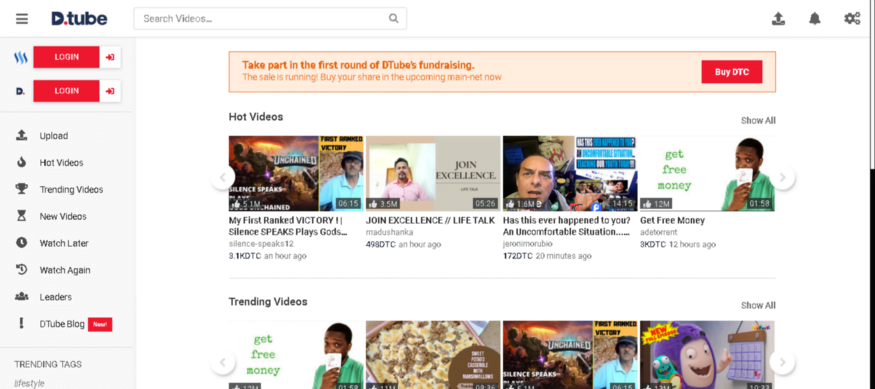
DTube is one of the most innovative YouTube alternatives, built on blockchain technology. It’s a unique concept that pays its community in cryptocurrency. Video creators earn crypto when they post videos, and viewers are rewarded for engaging by liking and commenting. This clever approach incentivizes activity and creates a self-sustaining economy, all while remaining completely ad-free (CoinTelegraph).
The ad-free model means creators can’t rely on traditional ad revenue, but they also don’t have to compete with other people’s ads for their viewers’ attention. For those who use video to market their own products and services, this is a significant advantage. DTube’s interface is purposely designed to look and feel like YouTube, making the transition seamless for new users. It has successfully attracted over 2 million unique monthly visitors, with a strong user base in the United States.
- Pros: Completely ad-free, rewards users with cryptocurrency, familiar YouTube-like interface, decentralized.
- Cons: Smaller content library than YouTube, requires understanding of crypto wallets and keys, content gaps in many niches.
- Best For: Tech-savvy users and creators interested in crypto and a truly ad-free experience.
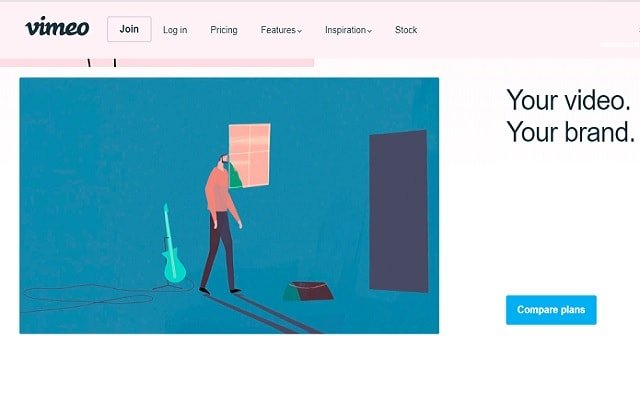
Vimeo has long been the go-to platform for filmmakers, videographers, and artists who prioritize quality and presentation. Unlike YouTube’s free-for-all, Vimeo is known for its high-caliber content, supportive community, and powerful creator tools. It allows uploads in up to 8K resolution and 60 frames per second, catering to professionals who demand the highest visual fidelity (TechRadar).
Vimeo is not just a hosting site; it’s a comprehensive suite for video businesses. Creators can build custom video players, create ad-free portfolios, and even launch their own subscription-based video-on-demand services directly from the platform. This makes it ideal for creators offering online courses, exclusive film series, or any content that viewers are willing to pay for directly.
- Pros: Superior video quality, ad-free viewing, professional community, powerful business tools, no pre-roll ads.
- Cons: Limited free tier (500MB/week), smaller audience than YouTube, requires a subscription for advanced features.
- Best For: Professional filmmakers, artists, educators, and businesses creating high-quality, monetizable content.

Dailymotion is often described as YouTube’s slightly smaller, more flexible cousin. It offers a very similar user experience, with a homepage featuring trending videos, categories, and a robust search function. Its interface is clean and professional, developed with a focus on user experience. It’s a top choice for those who want the YouTube feel but with less stringent copyright enforcement and more lenient content policies (CNET).
For content creators, Dailymotion offers more freedom and flexibility, with a higher tolerance for various content types. However, this freedom comes with trade-offs. Monetization is less straightforward than on YouTube, and the audience size is significantly smaller, ranking #124 on Moz’s list of top websites.
- Pros: Familiar interface, less stringent content and copyright rules, allows uploads up to 4GB/60 minutes.
- Cons: Smaller audience, less mature monetization options, mix of ad-supported and paywalled content.
- Best For: Viewers seeking a YouTube-like experience and creators frustrated by YouTube’s content restrictions.
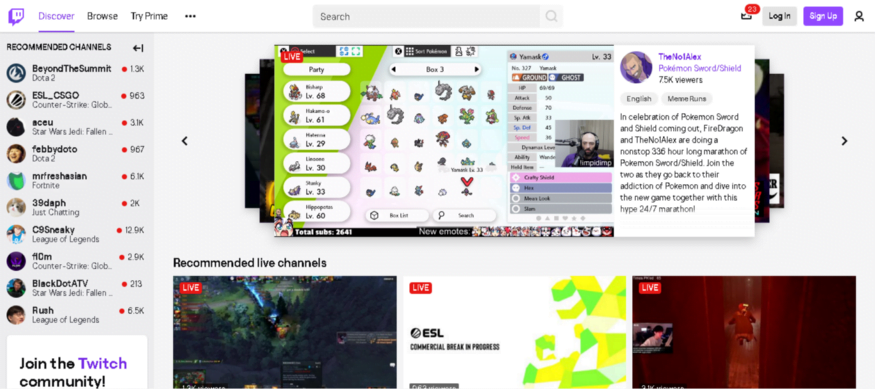
Twitch has carved out a massive niche as the world’s leading live streaming service. While it’s synonymous with video game streaming, it has expanded significantly to include “Just Chatting” streams, music production, creative arts, and live events. Its strength lies in its real-time, interactive community, where viewers engage directly with streamers via chat (Wired).
For creators, Twitch offers robust monetization through subscriptions, “Bits” (cheering with micro-donations), and advertising. The platform fosters a strong sense of community and loyalty that is hard to replicate on YouTube. While VOD (Video on Demand) content exists, Twitch’s primary focus is on the live, interactive experience.
- Pros: Dominant in live streaming, highly engaged communities, multiple monetization streams (subscriptions, bits).
- Cons: Primarily live-focused, less suited for polished, pre-recorded content, can be difficult to grow without consistent streaming.
- Best For: Gamers, live streamers, musicians, and anyone wanting to build an interactive community around live content.
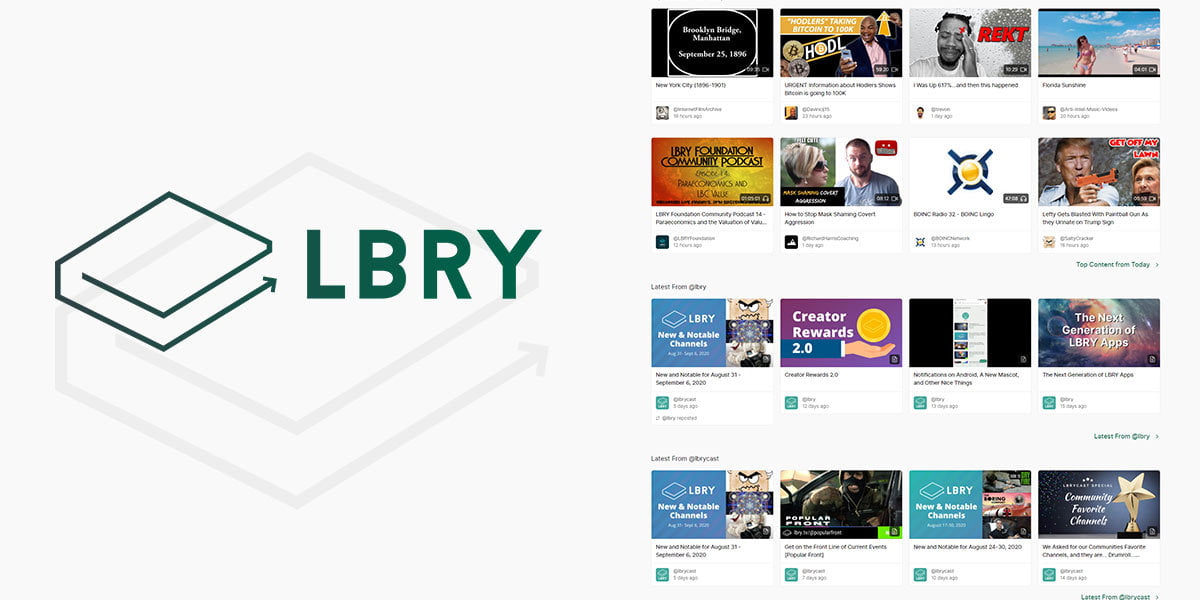
Odysee is a fast-growing YouTube alternative built on the open-source LBRY protocol. It positions itself as a platform that prioritizes content freedom and creator control. Like DTube, it has no ads, and publishers can set a price for their content, keeping 100% of the profits. One of its most user-friendly features is the ability to sync an existing YouTube channel, automatically importing all videos to Odysee (TechCrunch).
Odysee is more than just video; users can also publish and exchange music and literature. This makes it a versatile platform for a wide range of digital content creators. It pays creators in cryptocurrency (LBRY Credits), which may be a barrier for those unfamiliar with digital currencies.
- Pros: Ad-free, strong stance on free speech, YouTube channel syncing, multiple monetization options (including paywalls).
- Cons: Pays only in cryptocurrency, smaller user base, content discovery can be hit-or-miss.
- Best For: Creators seeking a censorship-resistant platform and those comfortable with cryptocurrency.
Floatplane was created by Linus Media Group (of Linus Tech Tips fame) as a direct response to the issues creators face on YouTube. Its core focus is on audience quality and fair monetization. To watch videos on Floatplane, viewers must be logged in; anonymous comments are not allowed. This drastically reduces low-quality engagement and creates a more positive community space.
Floatplane operates on a subscription model. Viewers pay creators directly a monthly fee for access to their content, and creators keep 100% of that subscription revenue. (Creators pay Floatplane a flat fee to host their videos.) This creates a direct, sustainable funding stream and allows creators to build a business independent of advertising algorithms.
- Pros: 100% subscription revenue to creators, high-quality community engagement (no anonymous comments), direct fan support.
- Cons: Audience is limited to those willing to pay, requires a strong existing fanbase to be viable, less discoverability.
- Best For: Established creators with loyal audiences who want a sustainable, ad-free income stream.
TikTok has reshaped the video landscape with its addictive, short-form, vertical video format. Its algorithm is famously potent at content discovery, quickly propelling unknown creators to viral fame. While videos are short, TikTok’s influence is massive, and it’s a primary source of entertainment, trends, and music discovery for Gen Z and millennials (Pew Research Center).
For creators, TikTok offers a unique way to build a following quickly. While its monetization (Creator Fund) is often criticized as low, the platform’s power lies in its ability to drive massive visibility, which can be leveraged to promote other ventures, products, or longer-form content on other platforms.
- Pros: Unparalleled algorithm for discovery, massive and engaged user base, easy-to-use creation tools.
- Cons: Short-form only, monetization per view is low, can be time-consuming to keep up with trends.
- Best For: Creators focusing on short, engaging, and viral content; brands targeting younger demographics.
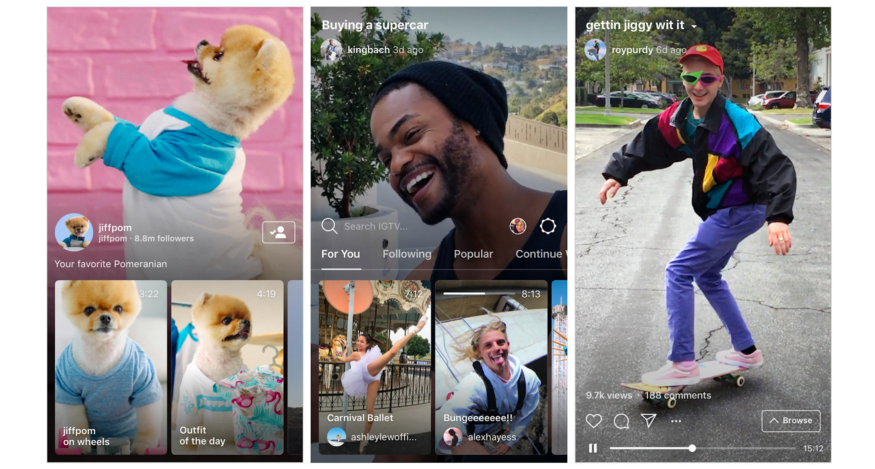
IGTV (now deeply integrated into Instagram’s main app as “Instagram Video”) was Instagram’s answer to long-form video. It allows creators to upload videos up to an hour long, designed primarily for vertical viewing on mobile devices. Its greatest strength is its seamless integration with the broader Instagram ecosystem.
Creators can reach their existing followers without requiring them to navigate to a separate app. The “preview” feature allows a short clip to appear in the main feed, driving traffic to the full video on the creator’s channel. For anyone already active on Instagram, it’s a low-friction way to distribute longer video content.
- Pros: Direct access to your existing Instagram audience, seamless integration with Stories and Feed, vertical video format.
- Cons: Discovery outside of your follower base is limited, less robust than dedicated video platforms, primarily mobile-focused.
- Best For: Creators and brands already with a strong Instagram presence who want to share longer-form content.
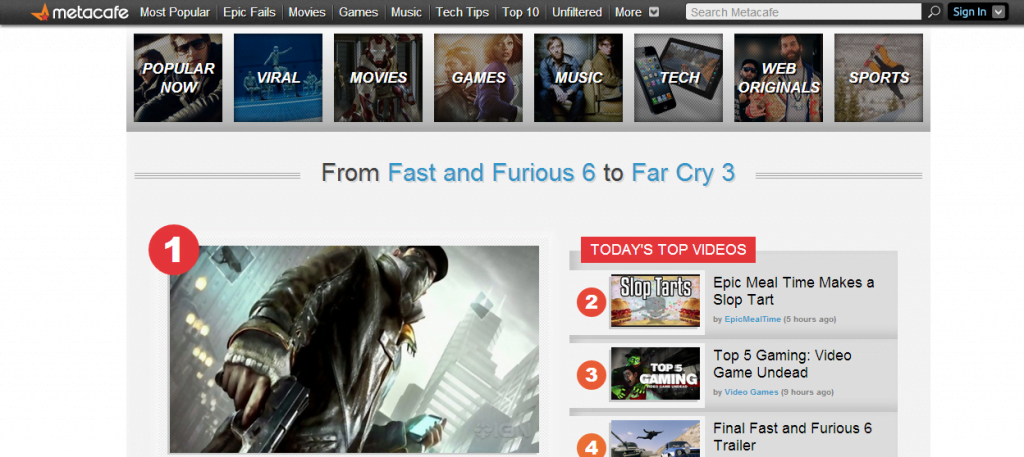
Metacafe is one of the original video-sharing sites, predating YouTube. It has carved out a specific niche: short-form video entertainment. The platform focuses on videos typically under 90 seconds, making it ideal for quick, light-hearted viewing. Its content is well-curated and categorized into genres like entertainment, sports, gaming, and news (Similarweb).
Metacafe once had a “Producer Reward Program” that paid creators, though its current monetization is less prominent. It remains a decent destination for viewers seeking a quick laugh or a brief distraction without committing to a longer video.
- Pros: Focused on short, high-quality clips, well-organized categories, established user base.
- Cons: Not suitable for longer content, limited creator monetization, smaller and more niche audience.
- Best For: Viewers looking for quick, entertaining video snacks.

Vevo is the premier destination for official, high-definition music videos. It’s a joint venture between the world’s major record labels, offering an extensive, high-quality catalog of music content. For pure music lovers, Vevo provides a superior, curated experience compared to the mixed bag of official and fan-uploaded content on YouTube (Billboard).
The platform is available on the web and across numerous devices, including smart TVs, gaming consoles, and mobile apps. It offers features like curated playlists, artist channels, and live performances, making it a haven for music discovery.
- Pros: Official, high-quality music videos, extensive catalog, curated playlists, ad-supported but focused.
- Cons: Exclusively music-focused, no content outside of music, monetization is for record labels, not independent creators.
- Best For: Music fans who want a dedicated, high-quality experience for watching official music videos.
Don’t just upload the same video to every platform. Tailor your content to the platform’s culture. A long-form tutorial for Vimeo can be repurposed into a series of short, punchy tips for TikTok. A live stream on Twitch can be edited into highlights for YouTube. This “content atomization” strategy maximizes your reach and efficiency.
Specialized and Niche Platforms
Beyond the major players, several platforms cater to very specific interests.
PeerTube is a decentralized, open-source alternative to YouTube. It’s not a single website but a network of interconnected instances, each hosted by different communities or organizations. This federated model puts control in the hands of users and admins, with no central corporate authority. It’s ad-free and relies on community support (JoinPeerTube).
- Best For: Technically-minded users and communities wanting complete control over their video platform, free from corporate oversight.
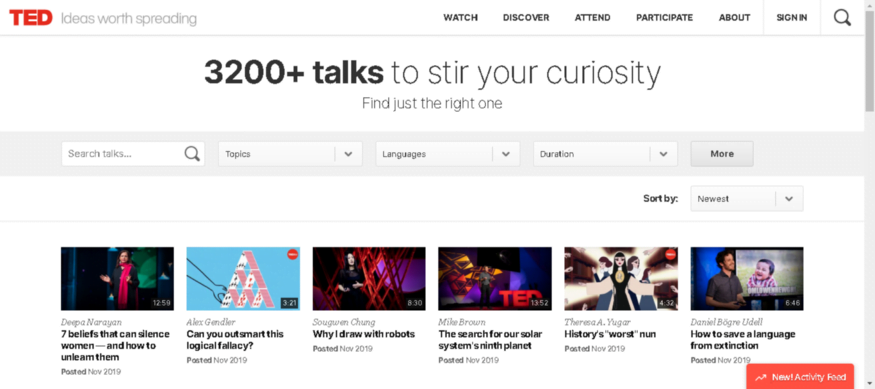
TED Talks is a non-profit platform dedicated to sharing ideas from experts in technology, entertainment, design, and a vast array of other fields. With over 4,000 talks available, it’s an unparalleled resource for learning, inspiration, and deep dives into specific topics. The content is curated, high-quality, and ad-free (TED).
- Best For: Lifelong learners, students, educators, and anyone seeking intellectual and inspirational content.
13
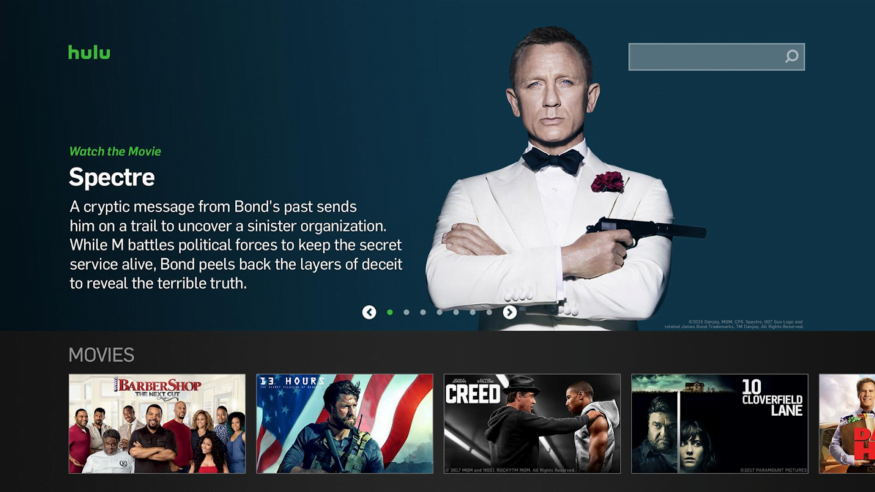
Hulu is a subscription-based streaming service offering a massive library of current and classic TV shows, original series, and movies. Unlike YouTube’s user-generated content, Hulu is a destination for professional, licensed entertainment. It’s an excellent YouTube TV alternative for cord-cutters who want live TV and on-demand content from major networks (Streaming Observer).
- Best For: Viewers looking to replace cable TV with a streaming service for professional shows, movies, and live television.
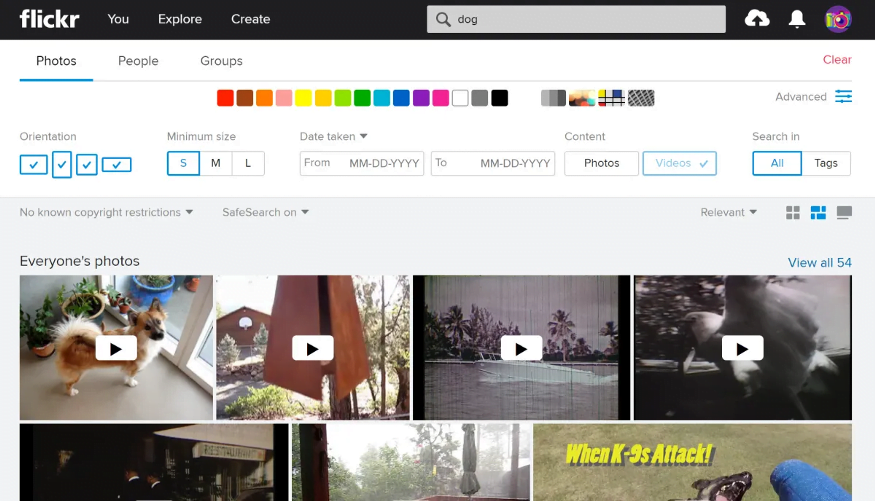
Flickr is primarily known as a photo-sharing platform, but it also supports video uploads (limited to 90 seconds for free accounts). It’s a community for photographers and videographers to share short, artistic, and inspiring clips. It offers royalty-free downloads and a space to connect with fellow creatives (Flickr).
- Best For: Photographers, videographers, and visual artists to share and discover short, high-quality creative videos.
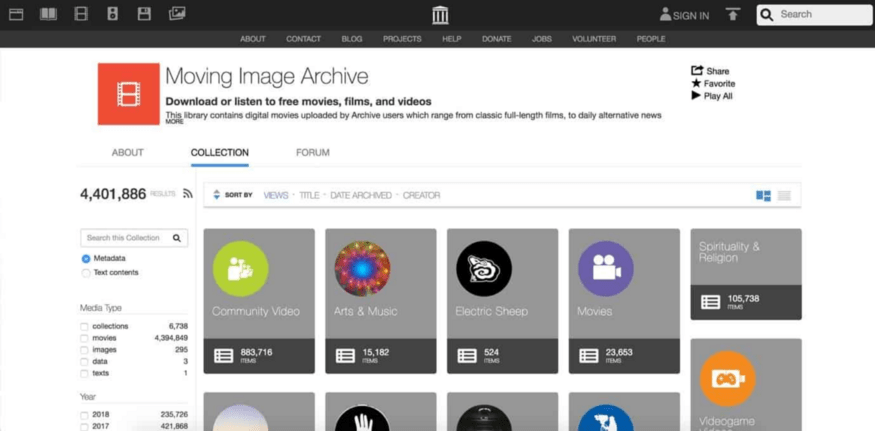
The Internet Archive is a non-profit digital library offering free public access to a vast collection of digitized materials, including an extensive video section. Here you can find classic films, documentaries, newsreels, and ephemeral videos that are often unavailable elsewhere due to copyright or obscurity. It’s a vital resource for historians, researchers, and the curious (Internet Archive).
- Best For: Historians, researchers, students, and anyone interested in classic, archival, and hard-to-find video content.
When using decentralized or “free speech” platforms like DTube, Odysee, or PeerTube, be aware of the nature of their communities. The lack of centralized moderation can sometimes mean you encounter content you find objectionable. Always research the community guidelines of any specific instance or platform before engaging.
How to Choose the Right Alternative for You
With so many options, the best choice depends entirely on your goals—whether you’re a viewer or a creator.
For Viewers
- I want professional, high-quality content without ads: Choose Vimeo.
- I love music videos: Choose Vevo.
- I want to learn and be inspired: Choose TED Talks.
- I want to watch live gaming and interact with streamers: Choose Twitch.
- I love short, funny clips: Choose TikTok or Metacafe.
- I’m interested in classic films and documentaries: Explore the Internet Archive.
- I want a familiar YouTube experience but with less censorship: Try Dailymotion.
- I’m privacy-focused and want no ads or tracking: Look into decentralized options like DTube or PeerTube.
For Creators
- I’m a professional filmmaker or educator wanting to monetize directly: Build a presence on Vimeo.
- I’m a gamer or live streamer: Twitch is non-negotiable.
- I want to build a sustainable income directly from my fans: Explore subscription-based platforms like Floatplane.
- I want to reach a massive audience quickly with short-form content: Master TikTok.
- I’m frustrated by YouTube’s policies and want a more freedom-oriented alternative: Consider syncing your channel to Odysee.
- I want to leverage my existing social media following: Utilize Instagram Video (IGTV).
Frequently Asked Questions About YouTube Alternatives
1. What is the best overall alternative to YouTube?
There is no single “best” alternative, as it depends on your needs. For a similar experience with looser restrictions, Dailymotion is a strong choice. For professional, high-quality content, Vimeo is the leader. For live streaming, Twitch is dominant.
2. Are there any YouTube alternatives that pay creators better?
Yes. Floatplane offers creators 100% of subscription revenue. Decentralized platforms like DTube and Odysee offer cryptocurrency rewards. Vimeo allows creators to build their own paid subscription services, keeping most of the revenue.
3. Is there a YouTube alternative without ads?
Yes. DTube and Odysee are completely ad-free. Vimeo is also ad-free for viewers. PeerTube instances are typically ad-free as well.
4. What is the best alternative for music videos?
Vevo is the premier destination for official, high-quality music videos from major artists.
5. Are there any decentralized YouTube alternatives?
Yes. DTube (built on the Steem blockchain), Odysee (built on the LBRY protocol), and PeerTube (federated, using ActivityPub) are leading decentralized options.
6. What happened to YouTube’s community guidelines?
The guidelines themselves are constantly evolving, but the primary issue creators face is inconsistent enforcement by both automated systems and human moderators, leading to frustration and uncertainty about what content is acceptable (Google Transparency Report).
7. Can I upload the same video to multiple platforms?
Absolutely. In fact, it’s a recommended strategy. However, it’s best practice to tailor your content and engagement for each platform’s unique audience and culture. A video on Vimeo might be more polished, while a clip from that video could be a raw, authentic TikTok.
8. Which alternative is best for educational content?
TED Talks is excellent for inspirational, expert-led talks. Vimeo is a great platform for hosting and selling online courses. The Internet Archive is a treasure trove for historical and documentary footage.
Conclusion: The Future of Video is Multi-Platform
In 2026, the idea of a single video platform to rule them all is obsolete. The future is a diverse, multi-platform ecosystem. YouTube will likely remain the 800-pound gorilla, but its dominance is no longer absolute. For viewers, this means a richer, more tailored experience. For creators, it means more control, more revenue opportunities, and a chance to build deeper connections with their most loyal fans.
The key is to not view these platforms as replacements, but as complements. A creator might use Twitch for live interaction, YouTube for evergreen tutorials, TikTok for viral discovery, and Floatplane for exclusive, paid content. This diversified approach builds a resilient and sustainable creator business, insulated from the whims of any single corporate algorithm.
Whether you’re looking to escape ads, find a specific type of content, or build a direct relationship with your audience, the alternatives on this list offer a compelling and viable path forward in the ever-evolving world of online video.