

Boost Your Employability in 2026: The Ultimate Guide to Career Growth and Market Relevance
Let’s be real: The advice that got you hired three years ago won’t work in 2026. The “wait and see” phase of AI and remote work is over; we are now in the phase of integration. In this environment, career advancement isn’t just about having hard skills—it’s about proving you can leverage those skills faster and more creatively than an algorithm.
This isn’t generic advice about “working hard.” This guide is a strategic roadmap derived from current market data. We’re moving beyond the basics to show you how to position yourself as an “AI-Augmented” professional who is indispensable to modern teams.
The Modern Employability Formula: What Employers Truly Value
Before diving into tactics, understand the core components of modern employability. It’s a blend of hard capabilities, interpersonal intelligence, and adaptive mindset. Leading business schools and hiring managers consistently highlight a combination of technical prowess, cognitive flexibility, and social skills as the differentiators.
| Core Pillar | What It Encompasses | Why It’s Critical in 2026 |
|---|---|---|
| Technical & Functional Mastery | Job-specific hard skills, software proficiency, data literacy, and technical certifications. | Provides the foundational ability to execute core job functions and contribute immediately. |
| Adaptive & Cognitive Skills | Problem-solving, critical thinking, creativity, and comfort with ambiguity and change. | Enables you to navigate complex, undefined problems that can’t be solved by a manual. |
| Social & Relational Intelligence | Communication, collaboration, emotional intelligence, and cross-cultural competency. | Essential for teamwork in hybrid/remote settings and for leading without authority. |
| Digital & Business Acumen | Understanding of digital tools, basic analytics, and how your role fits into the broader business goals. | Bridges the gap between being a specialist and a strategic business contributor. |
1. Strategic Upskilling: Learning with Purpose and Impact
Gone are the days of collecting random certificates. Strategic upskilling means aligning your learning with both market demand and your career trajectory.
Identifying High-Value Skills
Don’t guess what to learn. Use data:
- Analyze 10-20 job descriptions for your target role. What specific tools (e.g., Salesforce, Python, Tableau) and methodologies (e.g., Agile, Scrum) are consistently mentioned?
- Follow industry reports from firms like Gartner or McKinsey that forecast in-demand skills for your sector.
- Use platforms like LinkedIn Learning or Coursera to see which courses are trending among professionals in your network.
Choosing the Right Learning Modality
| Method | Best For | Considerations |
|---|---|---|
| Micro-Credentials & Certifications | Building specific, verifiable technical skills (e.g., Google Analytics, AWS Cloud). | Ensure the certifying body is respected in your industry. Add them to your LinkedIn and resume immediately. |
| Project-Based Learning | Developing practical, portfolio-ready experience and problem-solving skills. | Use platforms like Kaggle for data science or build a real-world side project. The outcome is your proof of skill. |
| Coaching & Mentorship | Gaining nuanced, contextual knowledge and career navigation advice. | Focuses on the “how” of applying skills in a real organizational context, not just the “what.” |
2. Masterful Networking: Building a Strategic Web of Relationships
Networking is not transactional contact-collecting; it’s the deliberate cultivation of a supportive professional community.
The Dual Networking Strategy
- Operational Networking: Build strong ties within your current organization and immediate industry circle. This provides support, mentorship, and internal opportunities.
- Strategic Networking: Develop weaker ties with people in different functions, industries, or seniority levels. These connections are most likely to provide novel information and unexpected opportunities, acting as bridges to new worlds.
Digital Networking Tactics That Work
Move beyond connection requests. Engage thoughtfully:
- Comment insightfully on posts from industry leaders, adding value to the discussion.
- Share your own analysis or learnings from a webinar or article, tagging relevant individuals or companies.
- Use LinkedIn’s alumni tool to reconnect with former classmates working at companies you admire.
3. Safety as a Career Asset: Beyond Compliance to Culture
In industries from construction to tech, safety is evolving from a compliance checklist to a core component of operational excellence and employer branding.
Demonstrating safety leadership means:
- Proactive Knowledge: Staying ahead of regulations (like OSHA updates in the US or similar standards globally) and understanding the “why” behind safety protocols.
- Cultural Advocacy: Championing safety not as a rule, but as a shared value. This includes promoting proper use of equipment, from specialized work wear in industrial settings to ergonomic home office setups for remote workers.
- Risk Mitigation Mindset: Applying safety principles to digital security (data privacy), project management (identifying project risks), and mental well-being. This holistic view is highly valuable to modern employers.
4. Developing Irreplaceable Soft Skills: The Human Advantage
As automation handles more routine tasks, uniquely human skills become your competitive moat.
| Skill | How to Develop It | How to Showcase It |
|---|---|---|
| Persuasive Communication | Practice structuring arguments clearly (Problem-Solution-Benefit). Join a group like Toastmasters or record yourself explaining a complex topic simply. | In interviews, use the STAR method (Situation, Task, Action, Result) to tell compelling stories. In writing, craft clear, concise emails and reports. |
| Collaborative Problem-Solving | Volunteer for cross-functional projects. Practice active listening and synthesis—focus on building on others’ ideas (“Yes, and…”) rather than debating. | Highlight projects where you brought diverse stakeholders together. Discuss how you navigated differing opinions to reach a better solution. |
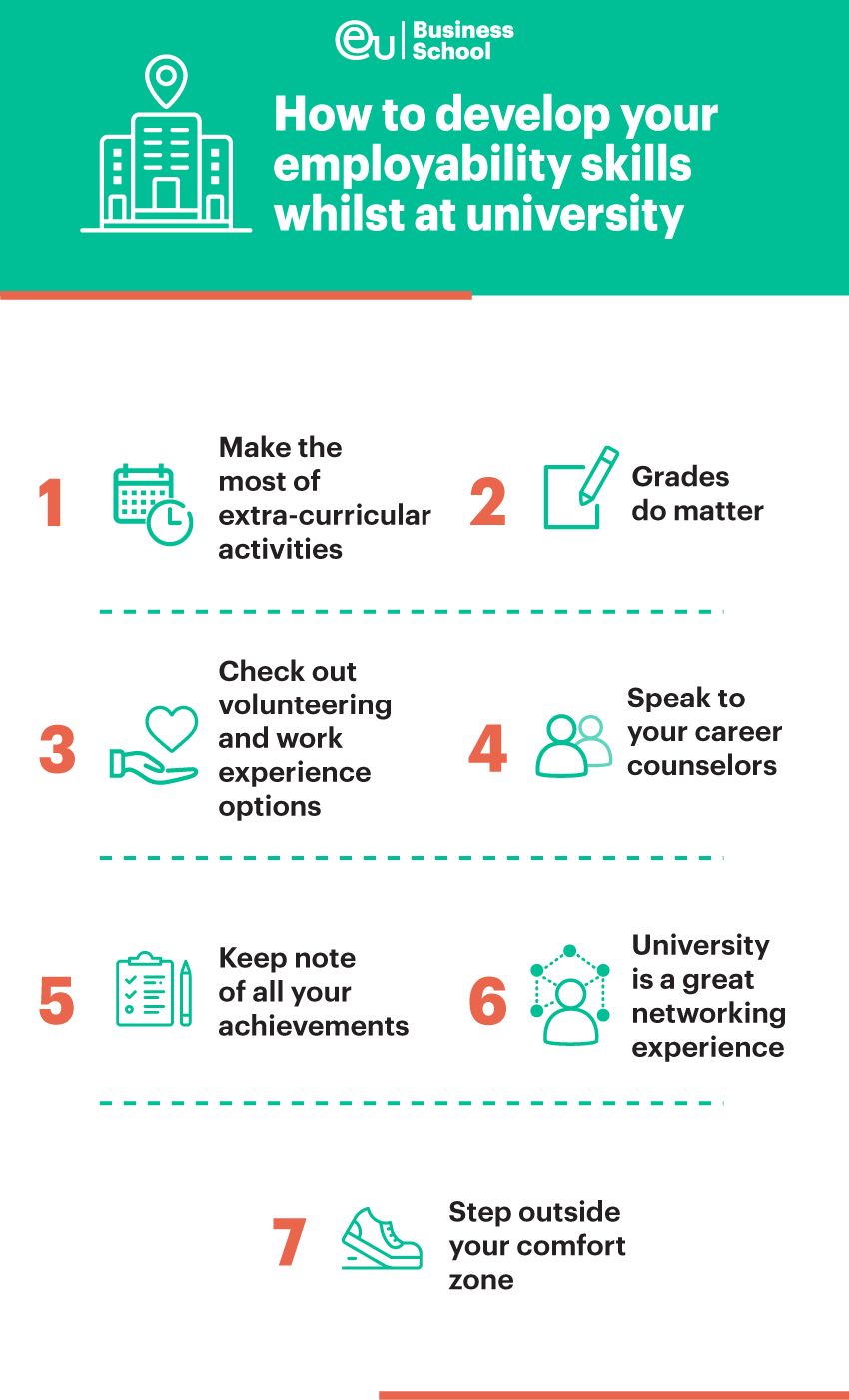
| Adaptive Leadership | Seek out stretch assignments that push you outside your comfort zone. Mentor a junior colleague; teaching forces clarity and empathy. | Discuss times you led without formal authority, motivated a team through a setback, or successfully managed change. |
5. Embracing Technology: From User to Strategic Leverager
Digital literacy is now baseline. The goal is to leverage technology strategically.
- Automation & AI Literacy: Understand what tasks in your role can be augmented by tools like CRM automations, AI-powered writing assistants (Grammarly, Jasper), or data analysis bots. Use this to elevate your work, not fear replacement.
- Data-Informed Decision Making: Develop the ability to interpret basic data dashboards, understand KPIs, and use insights to support your arguments. A course in basic data visualization (Tableau, Power BI) is invaluable.
- Digital Collaboration Fluency: Master the advanced features of platforms like Slack (workflows), Miro (virtual whiteboarding), or Microsoft Teams to run efficient, engaging virtual meetings and projects.
6. Building a Magnetic Online Presence: Your Digital Handshake
Your online profiles are often your first impression. Make them count.
The Personal Branding Trifecta
- LinkedIn Optimization: Use a professional headshot, craft a headline that states your value proposition (not just your job title), and write an “About” section in a confident first-person narrative that highlights your passions and impacts.
- Portfolio of Proof: Create a simple website (using Carrd, WordPress, or GitHub Pages) to host your resume, project case studies, writing samples, or code repositories. This is your central hub.
- Consistent Value Sharing: Regularly share articles, write short posts about your learnings, or celebrate team wins. This demonstrates engagement and thought leadership in your field.
7. Gaining Experience Through Volunteering and Side Projects
When direct experience is lacking, create your own.
Strategic Volunteering: Don’t just volunteer for anything. Target roles in non-profits, industry associations, or open-source projects that allow you to develop and demonstrate a specific skill you lack—e.g., managing a budget, leading a team, or coding a new feature.
The “Side Project” Advantage: A self-initiated project (e.g., starting a blog analyzing industry trends, building an app to solve a small problem, running a fundraising campaign) shows immense initiative, passion, and skill application. It’s a tangible story for your interviews.
8. Cultivating a Growth Mindset: The Engine of Resilience
A growth mindset—the belief abilities can be developed—is the foundation for all other strategies. It transforms challenges from threats to learning opportunities.
- Reframe Feedback: View critique not as personal judgment but as “data” to inform your improvement. Actively seek it out with questions like, “What’s one thing I could have done better on that project?”
- Celebrate the Process: Take pride in the effort of learning a difficult skill, not just the final outcome. This builds perseverance.
- Learn from Setbacks: Conduct “post-mortems” on rejections or project failures. Identify one key lesson and one action for next time, then move forward.
9. Seeking Feedback and Committing to Continuous Improvement
Make feedback loops a systematic part of your career.
10. Staying Ahead of Industry Trends: From Consumer to Analyst
Don’t just read the news; analyze its implications.
- Curate Your Inputs: Follow a mix of sources: top-tier business publications (Harvard Business Review, The Economist), niche industry newsletters, and insightful voices on LinkedIn or Twitter.
- Engage Actively: Attend webinars and virtual conferences. Prepare questions. The goal is to move from passive consumer to active participant in your industry’s conversation.
- Connect Trends to Your Role: Regularly ask yourself: “How does this new regulation/technology/market shift affect my department? What opportunities or threats does it create?” Formulating informed opinions makes you strategic.
11. Embracing Flexibility and Adaptability: The Ultimate Meta-Skill
In a world of constant change, the ability to adapt is the ultimate career insurance.
- Practice Cognitive Flexibility: Regularly engage with perspectives different from your own. This could be through reading, podcasts, or conversations with people in different fields.
- Develop Scenarios: Think about potential future changes in your industry (e.g., “What if AI automates my core task?”). Brainstorm skills you could develop now to be prepared for different scenarios.
- Demonstrate Adaptability: In your resume and interviews, highlight specific instances where you successfully pivoted during a reorganization, learned a new system quickly, or thrived in a rapidly changing project environment.
Conclusion: Your Employability is Your Responsibility
Improving your employability in 2026 is a proactive, continuous process of aligning your unique value with the evolving needs of the market. It requires moving beyond passive job-seeking to active career crafting. By strategically implementing the frameworks in this guide—from targeted upskilling and purposeful networking to building a resilient growth mindset—you take full ownership of your professional trajectory. This investment in yourself is the single most reliable path to not just finding a job, but building a fulfilling, future-proof career defined by growth, opportunity, and long-term success. Start today by choosing one strategy from this guide and acting on it.




That was very useful. I’m bookmarking this for later. Thanks
Nice blog thanks for sharing it content is easy to understand Thanks very much for nice blog