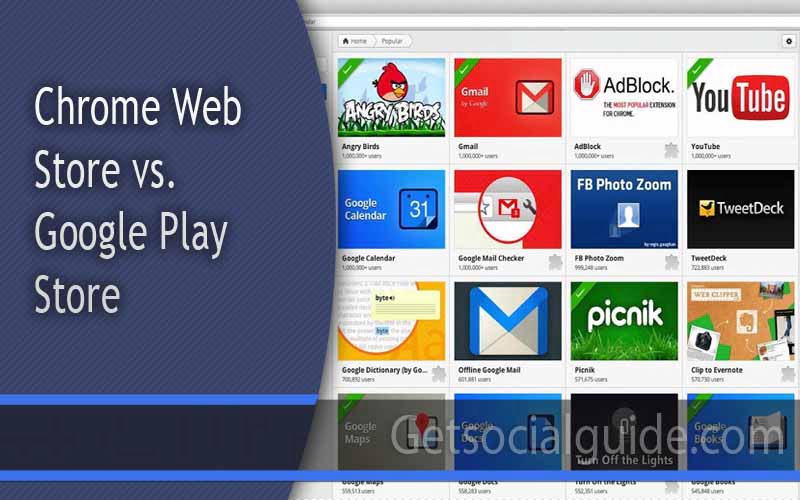
Chrome Web Store vs. Google Play Store: A Comparative Analysis (2026 Edition)
Introduction
The Chrome Web Store and the Google Play Store are renowned digital marketplaces that cater to the ever-growing demand for applications. These platforms serve as virtual storefronts, offering a vast collection of software options designed to enhance our digital experiences. While they share the common goal of providing a platform for app distribution, they differ in their primary focus and target audience.
The Chrome Web Store primarily revolves around the Google Chrome web browser and targets users who rely on this browser for their online activities. It serves as an extensive repository for web-based applications, extensions, and themes that users can seamlessly integrate into their browsing experience. The Chrome Web Store empowers users to augment the functionality of their Chrome browser with a multitude of tools and resources, offering a personalized and efficient web browsing experience.
On the other hand, the Google Play Store has a broader scope, catering specifically to the Android operating system. Android, being the most widely used mobile operating system globally, has a substantial user base, making the Google Play Store a hub for app distribution. Alongside applications, the Google Play Store also offers a diverse range of digital content, including games, movies, books, and more. It serves as a one-stop-shop for Android users, providing an extensive selection of apps and entertainment options.
When it comes to the user experience, both the Chrome Web Store and the Google Play Store prioritize intuitive navigation and user-friendly interfaces. These attributes ensure that users can easily explore and discover new applications. The Google Play Store, designed exclusively for mobile devices, offers a seamless and optimized experience for Android users. The Chrome Web Store, while not tailored specifically for mobile devices, still provides an accessible and user-friendly interface for users browsing from various devices.
One significant aspect that sets these platforms apart is the range of applications they offer. The Google Play Store boasts a vast and diverse library of applications, covering a wide range of categories and catering to diverse user interests. This extensive collection is primarily due to Android’s dominant market share in the mobile industry, attracting a large number of developers to create apps for the platform. On the other hand, the Chrome Web Store focuses more on web-based applications and extensions that enhance the Chrome browsing experience. While the Chrome Web Store may not offer the same quantity of apps as the Google Play Store, it still provides a decent selection of tools and utilities for Chrome users.
📌 Key Takeaways: Chrome Web Store vs. Google Play Store
- Different ecosystems, different purposes: Chrome Web Store serves browser‑based extensions and themes for desktop Chrome users; Google Play Store is the primary app marketplace for Android mobile devices.
- Market size differs dramatically: Google Play Store hosts over 3 million apps and reaches 2.5+ billion active Android devices; Chrome Web Store has approximately 200,000 extensions targeting 3+ billion Chrome browser users.
- Monetization favors Google Play: Play Store offers in‑app purchases, subscriptions, ads, and paid apps; Chrome Web Store monetization is limited to donations, premium extensions, and “pay once” models.
- Review process is stricter on Play Store: Google Play has a rigorous app review and security scanning process; Chrome Web Store reviews are lighter, allowing faster publication but requiring developer trust.
- Cross‑platform reach: Chrome Web Store extensions work across Windows, Mac, Linux, and Chromebooks; Play Store apps are exclusive to Android (phones, tablets, TVs, Wear OS).
- Developers should target both when relevant: If you have a web service, a companion extension and an Android app can capture users across desktop and mobile.
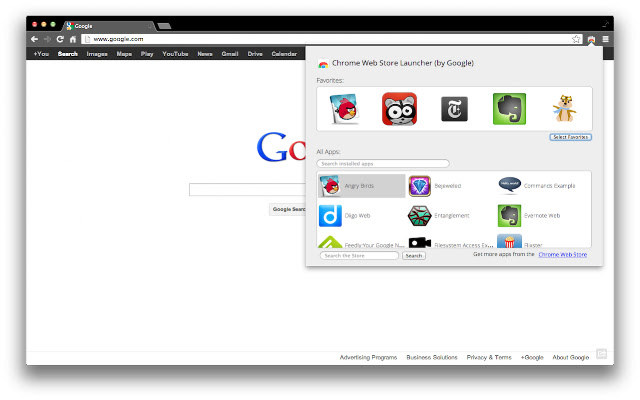
Chrome Web Store – the central marketplace for browser extensions and themes.
Chrome Web Store vs. Google Play Store: An Overview
What is the Chrome Web Store?
The Chrome Web Store is an online marketplace for applications, extensions, themes, and other digital content that can be used on the Google Chrome web browser. It offers a variety of tools and resources to enhance the browsing experience and productivity for Chrome users.
What is the Google Play Store?
The Google Play Store, on the other hand, is a digital distribution platform for Android applications, games, movies, books, and more. It is pre-installed on most Android devices and serves as the primary source for users to download and install apps on their smartphones and tablets.
Market Size and Reach: A Data‑Driven Comparison
| Metric | Chrome Web Store | Google Play Store |
|---|---|---|
| Number of available items | ~200,000 extensions | 3+ million apps & games |
| Monthly active users | 3+ billion (Chrome browser) | 2.5+ billion Android devices |
| Developer payout (2025) | $200 million+ | $60 billion+ (cumulative) |
| Primary platform | Desktop (Windows, Mac, Linux, ChromeOS) | Mobile (Android phones, tablets, TV, Wear OS) |
| Revenue share | 95% developer / 5% Google (for paid extensions) | 85% developer / 15% Google (first $1M; then 70/30) |
According to Google’s Chrome Web Store developer documentation, extensions are installed over 1.2 billion times per month. Meanwhile, the Google Play Console reports over 140 billion annual app downloads. These numbers highlight the sheer scale of both ecosystems, albeit with different user contexts.
The User Experience
When it comes to the user experience, both the Chrome Web Store and the Google Play Store provide intuitive interfaces that make it easy for users to browse and discover new applications. However, the Google Play Store has the advantage of being specifically designed for mobile devices, providing a seamless and optimized experience for Android users.
Range of Applications
The Google Play Store has a much larger library of applications compared to the Chrome Web Store. This is mainly due to the fact that Android has a larger market share in the mobile industry, attracting a greater number of developers to create apps for the platform. Nevertheless, the Chrome Web Store still offers a decent collection of web-based applications and extensions that cater to the needs of Chrome users.
Installation Process
In terms of the installation process, both platforms offer a straightforward and streamlined experience. On the Chrome Web Store, users can easily install applications and extensions with just a few clicks. Similarly, the Google Play Store allows Android users to install apps directly to their devices with minimal effort.
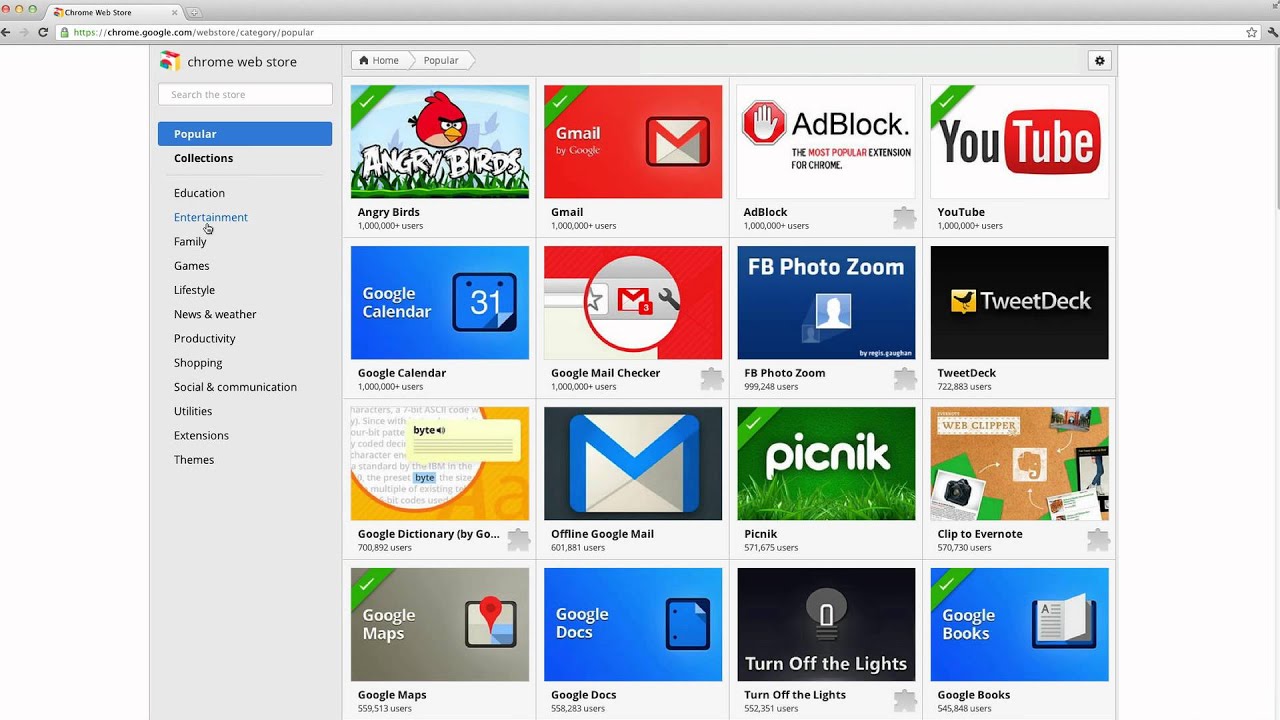
Discovering new extensions in the Chrome Web Store is simple and fast.
Developer Perspective
Submission and Review Process
When it comes to submitting applications to the respective stores, both the Chrome Web Store and the Google Play Store have their own submission and review processes. The Chrome Web Store generally has a more lenient review process, allowing developers to quickly publish their applications. On the other hand, the Google Play Store has a more stringent review process to ensure the quality and security of apps available to Android users.
Monetization Options
Developers on both platforms have various monetization options available to them. The Google Play Store offers a range of models, including free apps with in-app purchases, paid apps, and subscriptions. Additionally, developers can also monetize their apps through ads. The Chrome Web Store, on the other hand, primarily focuses on extensions and offers limited monetization options, mostly through donations and premium versions of extensions.
Target Audience and Market Reach
Considering the widespread popularity of Android devices, developers targeting a larger user base may find the Google Play Store more appealing. Android’s market share surpasses that of any other mobile operating system, making it an attractive platform for reaching a broad audience. However, the Chrome Web Store provides an opportunity for developers to target users specifically using the Google Chrome browser on various devices.
Security and Privacy: How Each Store Protects Users
Both marketplaces have implemented robust security measures, but they operate differently due to the nature of extensions vs. mobile apps.
- Chrome Web Store: Extensions are subject to automated scanning and a “Manifest V3” system that limits remote code execution and restricts certain permissions. Users can view each extension’s required permissions before installation. Google also removes malicious extensions based on user reports and proactive scanning.
- Google Play Store: Apps go through a multi‑stage review including static analysis, dynamic testing, and machine learning models. Google Play Protect scans billions of devices daily for malware. Developers must provide a privacy policy and disclose data collection practices.
According to Google’s Security Blog, the Play Store blocked over 1.9 million policy‑violating apps in 2024 alone. While the Chrome Web Store has fewer malicious listings, the open nature of browser extensions still requires user caution – always check an extension’s ratings and requested permissions before installing.
⚠️ Security Warning: Install Only Trusted Extensions
Browser extensions can access your browsing data, history, and even passwords if granted excessive permissions. Before installing any extension from the Chrome Web Store, review its permissions and stick to well‑known developers with many positive reviews. Uninstall extensions you no longer use.
Monetization Deep Dive: Where Can You Earn More?
For developers, the choice between Chrome Web Store and Google Play Store often comes down to revenue potential. Here’s a breakdown of monetization models on each platform:
| Model | Chrome Web Store | Google Play Store |
|---|---|---|
| Paid downloads | ✅ Yes (one‑time fee) | ✅ Yes |
| In‑app purchases | ❌ Not available for extensions | ✅ Yes (full support) |
| Subscriptions | ✅ Limited (through third‑party billing) | ✅ Yes (Play Billing) |
| Advertising revenue | ❌ No built‑in ad network | ✅ AdMob & third‑party networks |
| Donations | ✅ Allowed (e.g., Buy Me a Coffee) | ✅ Allowed via external links (with policy compliance) |
Google Play Store’s flexible monetization options make it the preferred choice for mobile‑first businesses. However, many developers combine both: a free Android app supported by ads and a premium Chrome extension that unlocks additional features for desktop users.
💡 Pro Tip: Use a Companion Extension to Boost Engagement
If you have an Android app, consider building a simple Chrome extension that offers complementary functionality – for example, a note‑taking app’s extension that saves web clippings. This cross‑platform synergy can increase user retention and open new monetization channels.
Case Study: Successful Cross‑Platform Strategy
Todoist is a prime example of a product that successfully leveraged both stores. The Todoist Android app (on Google Play) provides full task management on mobile, while the Chrome extension (on Chrome Web Store) allows users to add tasks directly from the browser toolbar. This seamless cross‑platform experience helped Todoist reach over 25 million users worldwide. As a result, they achieved higher engagement rates and reduced churn compared to mobile‑only competitors.
FAQs
📝 Article Summary: Chrome Web Store vs. Google Play Store
- Chrome Web Store is for browser extensions and themes, targeting desktop Chrome users; Google Play Store is for Android mobile apps and digital content.
- Google Play Store has a far larger library (3M+ apps vs. ~200k extensions) and stronger monetization options (IAP, subscriptions, ads).
- Chrome Web Store offers faster publication and lighter review process, but lower revenue share and fewer monetization tools.
- Security measures differ: Play Store has stricter pre‑launch reviews; Chrome Web Store relies on post‑installation scanning and user permissions.
- Developers targeting both desktop and mobile should consider publishing companion apps/extensions to maximize reach and engagement.
- Choose Chrome Web Store if your product enhances web browsing; choose Google Play Store if you need deep mobile integration and diverse revenue streams.
- Chrome Web Store Developer Documentation – Official guide to publishing extensions.
- Google Play Console Help – Everything about app publishing and monetization.
- StatCounter: Mobile OS Market Share – Live data on Android dominance.
- Backlinko: Google Play Store Statistics – Key numbers for developers.
- Business of Apps: Chrome Web Store Stats – Usage and revenue insights.
Conclusion
In conclusion, both the Chrome Web Store and the Google Play Store have their own unique advantages and cater to different user bases. While the Chrome Web Store primarily focuses on web-based applications and extensions for the Google Chrome browser, the Google Play Store offers a vast collection of Android applications, games, and other digital content. Developers should carefully consider their target audience, monetization goals, and the specific requirements of each platform before deciding which store to publish their applications. Ultimately, both platforms contribute significantly to the ever-expanding world of mobile applications and enhance the overall user experience in their respective domains.