Backlinks: The Essential Tool For SEO Success 2026
When it comes to ranking higher on Google, SEO is the only way.
SEO (Search Engine Optimization) is the process of improving your website’s visibility or ranking on search engines like Google, Microsoft, Bing, and many more. The increased visibility leads to more traffic on your website and hence more conversions.
The SEO process includes many strategies, including creating unique content, optimizing websites and content, building backlinks, using relevant keywords, optimizing metatags, and many more. All these strategies have their importance in increasing your website ranking and need a different approach in implementation. But there are a few SEO strategies that play a significant role in your website search ranking. One among them is building quality backlinks. Building backlinks on your website signals Google that other resources find your content valuable. This adds to your website’s credibility, which helps it rank higher on Google searches. So now, if you want to explore more about backlinking, hook on to this article as it explores backlinks, their importance, and steps to build backlinks. 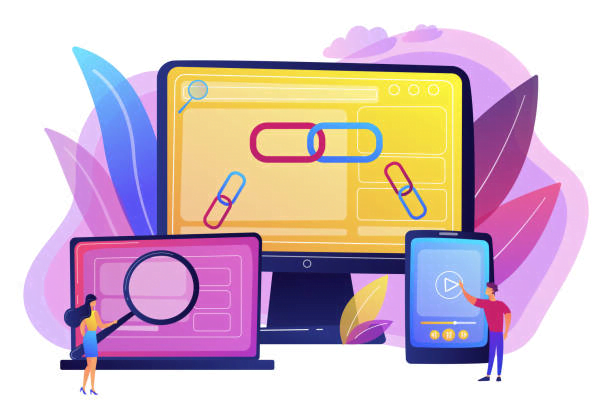
What Are Backlinks?
Also known as incoming or inbound links, backlinks are created when one website links to another with a similar niche. For example, if a hiking website links to a web page comparing hiking boots, the hiking boots website receives a backlink from the hiking website. There are numerous ways to get backlinks, some of which you will explore later in this article. Besides, you can also hire SEO agencies for building backlinks that have expertise in your domain. For instance, if you own a CBD business, you must hire an agency to build CBD SEO backlinks.
1. Keyword & Topic Research
Purpose: Discover what your audience is searching for.
- Semrush or Ahrefs: The all-in-one powerhouses. Excellent for keyword research, competitive analysis, and backlink data. (Paid)
- Google Keyword Planner: Free, great for search volume estimates (requires a Google Ads account).
- AnswerThePublic or AlsoAsked.com: Visualize question-based queries and topic clusters. (Freemium)
- Google Trends: Free tool to see keyword popularity over time and by region.
2. Technical & On-Page SEO
Purpose: Audit your site’s health and optimize individual pages.
- Google Search Console: The #1 must-have free tool. Shows indexing status, search queries, clicks, and core technical issues.
- Screaming Frog SEO Spider: Desktop crawler that audits your site like a search engine. Identifies broken links, missing meta tags, and more. (Free for 500 URLs, paid for more).
- Surfer SEO or Frase: AI-driven content optimization tools that analyze top-ranking pages and give on-page recommendations. (Paid)
3. Rank Tracking & Performance
Purpose: Monitor where your pages rank for target keywords.
- Semrush or Ahrefs: Include robust rank tracking features.
- SE Ranking or AccuRanker: More affordable dedicated rank trackers. (Paid)
- Google Search Console: Provides direct performance data (clicks, impressions, average position) from Google itself. Free.
4. Backlink Analysis
Purpose: See who links to you (and your competitors) to build your own link profile.
- Ahrefs: Industry leader for backlink data and analysis.
- Semrush: Also has a very strong backlink database.
- Majestic: Historic leader specializing in backlink data. (Paid)
- Google Search Console: Shows a list of your own known backlinks. Free.
5. Core Web Vitals & Site Speed
Purpose: Measure and improve user experience, a direct ranking factor.
- PageSpeed Insights (Google): Analyzes URL performance and gives actionable suggestions. Free.
- GTmetrix or WebPageTest: Detailed performance reports with waterfall charts and filmstrips. (Freemium)
6. Local SEO
Purpose: Optimize for “near me” searches and local map pack rankings.
- Google Business Profile: The absolute essential free tool. Manage your listing, posts, and reviews.
- BrightLocal or Moz Local: Manage citations, track local rankings, and audit your local presence. (Paid)
Essential Free Toolkit (Getting Started)
You can do a huge amount with free tools:
- Google Search Console
- Google Analytics 4 (for traffic & user behavior)
- Google Keyword Planner
- Google Trends
- PageSpeed Insights
- Screaming Frog (Free Crawl)
- AnswerThePublic (Free Queries)
How to Choose & Pro Tip
- Start with your goals: Need content ideas? Use keyword tools. Site slow? Use speed tools.
- Budget: Begin with free tools, then invest in an all-in-one (like Semrush/Ahrefs) as you grow.
- Pro Tip: Tools are enablers, not magic. The real work is in the strategy, high-quality content, and consistent execution the tools help you plan and measure.
Recommended Starting Stack:
- Free Tier: Google Search Console + Analytics + Keyword Planner + Screaming Frog.
- First Paid Investment: Semrush or Ahrefs for comprehensive research and tracking.
- Specialized Add-on: Surfer SEO for content teams or BrightLocal for local businesses.
Here is a curated list of the most essential SEO tools, categorized by their primary use case.
1. The “Must-Have” Foundations (Free)
Before investing in paid software, every website owner must set up these industry-standard tools provided by search engines themselves.
- Google Search Console (GSC):
- Best for: Monitoring organic performance and technical health.
- Key Features: Tracks keywords that drive traffic, identifies crawl errors, monitors Core Web Vitals (speed/UX), and allows you to submit sitemaps directly to Google.
- Google Analytics 4 (GA4):
- Best for: Understanding user behavior.
- Key Features: Tracks how users interact with your site after they arrive. Essential for measuring conversion rates and identifying which pages keep users engaged.
- Google Trends:
- Best for: Identifying seasonal trends and rising topics.
- Key Features: Shows the popularity of search terms over time, helping you time your content for maximum impact.
2. All-in-One SEO Suites (Paid)
These are professional-grade platforms that handle everything from keyword research to competitor spying.
- Semrush:
- Best for: Deep competitor analysis and comprehensive marketing.
- Why it wins in 2025: Includes powerful AI integrations for keyword clustering and a “Brand Monitoring” feature to see how your site is mentioned in AI search results.
- Ahrefs:
- Best for: Backlink analysis and data accuracy.
- Why it wins in 2025: Boasts one of the most comprehensive link databases in the world. Its “Site Explorer” is the gold standard for auditing competitor strategies and finding link-building opportunities.
- SE Ranking:
- Best for: SMBs and budget-conscious teams.
- Why it wins in 2025: Offers a high-quality suite (rank tracking, audits, keyword research) at a more affordable price point than the “Big Two.”
3. Keyword Research & Topic Discovery
Finding what people are searching for is the first step in any SEO strategy.
- LowFruits:
- Best for: Finding “Weak Spots” (low-competition keywords). Great for new websites that can’t compete with massive brands yet.
- AnswerThePublic:
- Best for: Visualizing long-tail “question” keywords (Who, What, Why, How).
- Exploding Topics:
- Best for: Finding trends before they peak. Ideal for “newsjacking” or being first to market on a new niche.
4. Technical SEO & Site Auditing
Technical SEO ensures that search engines can actually read and index your pages.
- Screaming Frog SEO Spider:
- Best for: Deep technical audits.
- Features: A desktop-based crawler that finds broken links, duplicate content, and redirect chains. The free version allows crawling up to 500 URLs.
- Detailed SEO (Chrome Extension):
- Best for: Quick on-page checks. Provides instant data on titles, meta tags, headers, and canonicals while you browse any page.
5. Content Optimization (On-Page)
These tools use AI to help you write content that actually ranks by analyzing what’s already working on page one.
- Surfer SEO:
- Best for: Writing data-driven articles. It tells you exactly which terms to include and how many images/headers you need based on current top-ranking pages.
- Clearscope:
- Best for: Content relevance and high-level topical authority.
- Yoast SEO / Rank Math:
6. Local SEO
If you have a physical location or serve a specific area, these tools are non-negotiable.
- Google Business Profile (GBP):
- Best for: Appearing in Google Maps. It is the single most important factor for local rankings.
- BrightLocal:
- Best for: Managing citations and tracking local map rankings across multiple zip codes.
- Localo:
- Best for: AI-driven suggestions to improve your local visibility and manage reviews.
7. AI & Future-Proofing
In 2025, you need to know how LLMs see your brand.
- ChatGPT / Claude:
- Best for: Brainstorming, proofreading, and generating meta descriptions or schema markup.
- Keyword.com (AI Rank Tracker):
- Best for: Tracking your visibility not just in Google Search, but in AI-generated summaries like ChatGPT Search.
Summary Table: Which Tool Should You Choose?
| Goal | Recommended Tool | Price Level |
|---|---|---|
| All-in-One Powerhouse | Semrush | High |
| Link Building & Backlinks | Ahrefs | High |
| Technical Site Health | Screaming Frog | Free / Mid |
| Content Writing | Surfer SEO | Mid |
| Budget Friendly | Mangools / SE Ranking | Low |
| Just Starting Out | GSC & GA4 | Free |
Pro Tip for 2025:
Don’t get “tool fatigue.” Start with Google Search Console and one all-in-one tool like Semrush or SE Ranking. Master those before adding niche tools like Screaming Frog or Surfer SEO to your workflow.
Types Of Backlinks

There are numerous types of backlinks that you can build. Understanding the different backlinks thoroughly can help you make an effective backlinking strategy.
Here are the different types of Backlinks;
1. Follow Links
Follow links, also known as dofollow links, are original links without any additional attributes. These links signal Google to pass trust and authority to the site being linked to. Google uses these links to increase the page value of the linked website and hence improve search rankings.
2. Nofollow Links.
Usually, if you link to a particular website, you pass on authority. But many times, you may not want to do that. For example, you may want to link to a website as an example in your content but don’t want to pass them any authority. In that case, you use a nofollow attribute to signal Google that they should not pass authority.
3. Sponsored or Paid Links
You pay for these links to either feature on the search engine result or refer a visitor to your website. These links add a sponsored attribute that helps Google identify them as promotional links.
4. Editorially Placed Links
The links you earn naturally without asking are known as editorially placed links. Google values these links highly as they are meant to enhance user experience. For example, you have a blog on backlinking and another website link to your blog, thinking it’s a good resource. This link would be counted as an editorially placed link.
Why Are Backlinks Important For SEO?

Backlinks are essential for SEO due to the following reasons;
1. They Improve Site Ranking
Backlinks are one of the most important factors in ranking content on Google search. It is so because Google views quality backlinks as a vote of popularity for a particular website. This increases the website’s authority, making Google rank it higher on the search ranking.
2. Boost Website Credibility
Another vital reason to build links is that they can boost your website’s credibility. Getting a backlink from a website with high domain authority relevant to your niche increases your website’s credibility in the eyes of Google and its readers.
3. Help Google Find new Pages
Backlinks also help Google to find new content pages. When Google crawls a particular page, it follows all backlinks to discover the new content page. Furthermore, Google again crawls the backlinked page to discover all the links on it. This way, Google keeps on finding new content.
4. Send Referral Traffic To Your Site
Referral Traffic is basically the users who visit your website via another site instead of searching for you on a search engine. It means another source referred them.
Getting referral Traffic has numerous advantages:
- Increased Brand Awareness
- Introduction To New Users
- Opportunity For Qualified Lead
How To Get Backlinks To Your Website?
Numerous strategies exist to create backlinks, but we will discuss the most impactful method.
1. Create High-Quality Content
Creating high-quality and engaging content is one of the best ways to earn a backlink. Such content usually receives backlinks naturally as more people want to refer to it.
2. Do Guest Posting
It is another excellent way to get backlinks. First, find websites similar to your niche and allow guest posting. Then create engaging content to post on the guest website. When the guest posts your content, it will provide a backlink to your website
3. Analyze Competitor’s Backlinks
Using different tools, find all the backlinks your competitors have. Then try to use these websites to get a backlink to your site.
Conclusion
Backlinks are crucial for a successful SEO strategy, significantly impacting your website’s search engine ranking. They act as “votes” from other websites, signaling credibility. This boosts your website’s authority, leading to higher rankings. Moreover, backlinks drive referral traffic, exposing your content to new audiences. For instance, guest blogging or broken link building are effective methods. Ultimately, backlinks build trust, as users are more likely to trust websites linked by reputable sources.