How Internet Memes Are Reshaping Digital Communication and Marketing Strategy
Welcome to the wild, wonderful world of internet memes—where a simple image with text can spark global conversations, launch careers, and even influence elections. In 2026, social media memes have evolved from silly jokes into a sophisticated form of digital communication that brands, creators, and everyday users leverage to connect, entertain, and engage.
Whether you’re a social media marketer looking to boost engagement, a content creator seeking viral success, or simply someone who wants to understand why your timeline is filled with inexplicable references, this comprehensive guide will decode the meme phenomenon and show you how to harness its power effectively.
💡 Pro Tip: Memes Are a Mirror of Culture
The most successful memes reflect what people are actually feeling—not what brands wish they felt. Before jumping on a trend, ask: “Does this genuinely connect with our audience’s current emotional state?” If the answer is no, sit it out. Authenticity beats forced participation every time.
At their core, memes are cultural units of information that spread from person to person through imitation and variation. The term “meme” was coined by evolutionary biologist Richard Dawkins in his 1976 book “The Selfish Gene,” where he drew parallels between how genes transfer biological information and how ideas transfer cultural information.
In the digital age, social media memes have become the internet’s universal language—a form of communication that transcends geographical boundaries, language barriers, and demographic divides. They typically consist of images, videos, or text (often a combination) that convey relatable situations, emotions, or commentary with humor and brevity.
What Makes Memes Unique:
Rapid Evolution: Unlike traditional content, memes mutate quickly as people add their own interpretations and variations.
Cultural Commentary: Memes often reflect current events, societal trends, and shared experiences in real‑time.
Participatory Nature: Anyone can create or modify a meme, democratizing content creation in unprecedented ways.
Emotional Connection: The best memes tap into universal feelings and experiences, creating instant recognition and connection.
Shareability Factor: Memes are designed for easy sharing across platforms, making them perfect for viral spread.
Think of memes as inside jokes for the entire internet—except these jokes evolve constantly, adapt to different contexts, and sometimes become so widespread that they influence mainstream culture, advertising campaigns, and even political discourse.
Understanding why certain memes explode while others fade into obscurity involves fascinating psychology and social dynamics. Several key factors determine a meme’s viral potential.
Relatability: The Foundation of Meme Success
The most successful memes tap into universal human experiences that make people think, “That’s so me!” Whether it’s procrastination, awkward social situations, workplace frustrations, or relationship dynamics, relatable content resonates deeply.
When someone sees themselves in a meme, they’re far more likely to share it. This personal connection transforms passive viewers into active participants who spread the content throughout their networks.
Humor and Entertainment Value
Laughter remains one of the most powerful social bonds. Funny memes provide instant gratification—a quick dopamine hit that brightens someone’s day. The best humorous memes often employ:
- Unexpected twists or punchlines
- Clever wordplay or visual jokes
- Absurdist humor that defies logic
- Self‑deprecating observations
- Satirical commentary on current events
Timing and Cultural Relevance
Memes often serve as cultural timestamps, capturing moments in time with perfect precision. The most viral memes typically respond to:
- Breaking news or trending topics
- Popular TV shows, movies, or music
- Seasonal events or holidays
- Shared cultural experiences
- Political or social movements
Timing matters immensely. A meme that capitalizes on a trending topic within hours can explode, while the same meme a week later might fall flat.
Simplicity and Accessibility
The best memes communicate complex ideas with remarkable simplicity. They require minimal explanation and can be understood at a glance. This accessibility ensures maximum shareability across diverse audiences.
Community and Identity
Memes often serve as tribal markers, signaling membership in particular communities or subcultures. Sharing specific memes demonstrates you’re “in the know” about certain topics, fandoms, or social groups.
Forcing a meme format when it doesn’t fit your brand voice will backfire. Audiences can spot “corporate cringe” instantly. Instead of chasing every trend, focus on being consistently funny and relatable within your niche. Authentic, slower growth outperforms one‑off viral spikes for long‑term brand building.
The Evolution of Meme Culture: From Rage Comics to Today
Meme culture has undergone dramatic transformation since the early days of the internet. Understanding this evolution provides context for today’s meme landscape.
The Early Days: Image Macros and Rage Comics (2000s‑2012)
Early internet memes were relatively simple. Image macros featuring stock photos with Impact font text dominated platforms like 4chan and Reddit. Characters like Success Kid, Bad Luck Brian, and Overly Attached Girlfriend became household names.
Rage comics—simple stick figure comics depicting everyday frustrations—allowed users to create personalized content while following established templates. These laid the groundwork for participatory meme culture.
As Facebook, Twitter, and Instagram gained prominence, memes became more sophisticated. Video memes emerged, animated GIFs proliferated, and meme formats became increasingly complex and layered.
This era saw the birth of viral sensations like “Harlem Shake,” “Ice Bucket Challenge,” and countless celebrity‑based memes. Brands began recognizing memes’ marketing potential, with varying degrees of success.
The TikTok Revolution and Modern Memes (2018‑Present)
TikTok fundamentally changed meme culture by making video creation accessible to everyone. Short‑form video memes, often set to trending audio clips, became the dominant format.
Modern memes are more layered, ironic, and self‑referential. Meta‑humor, absurdism, and niche references characterize today’s landscape. Memes now blur the lines between entertainment, art, social commentary, and marketing.
Let’s explore the memes that captured the internet’s attention this year.
1. The “Drawn On Eyebrow” Phenomenon
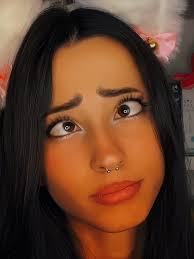
2. The “Delulu” Dating Memes
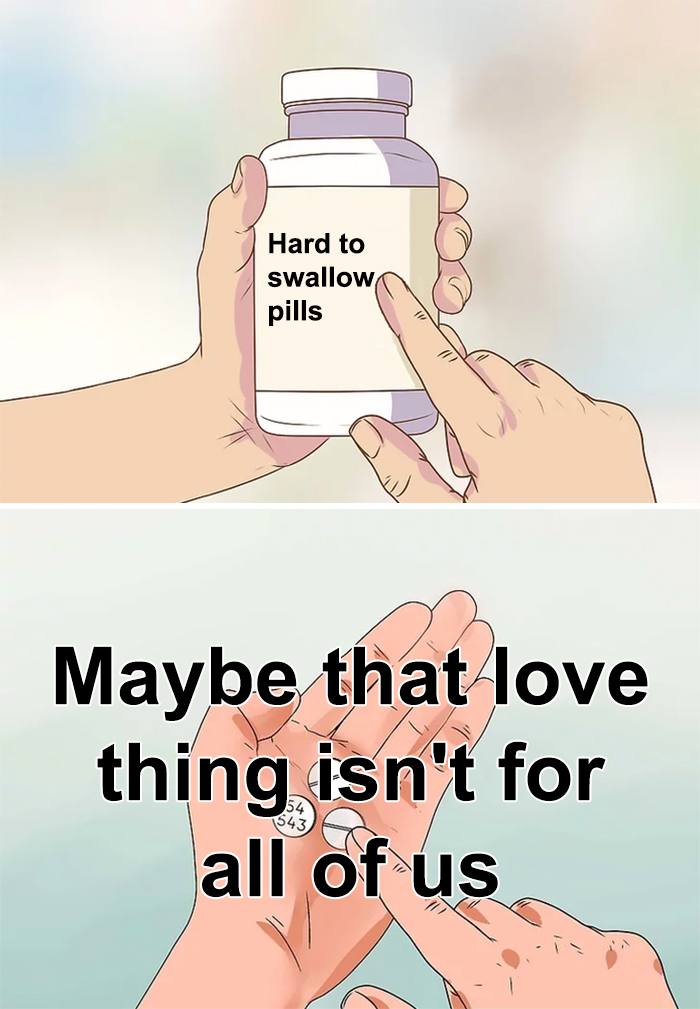
3. Hard to Swallow Pills
4. Chick-fil-A Reaction Meme
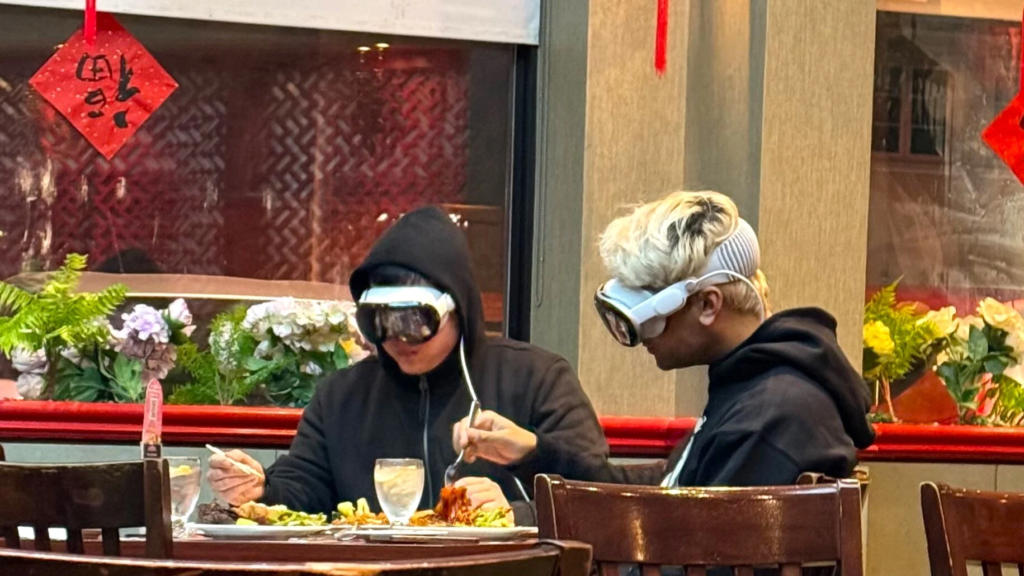
5. Apple Vision Pro Memes
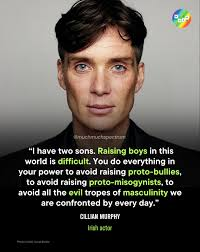
6. Cillian Murphy Meme
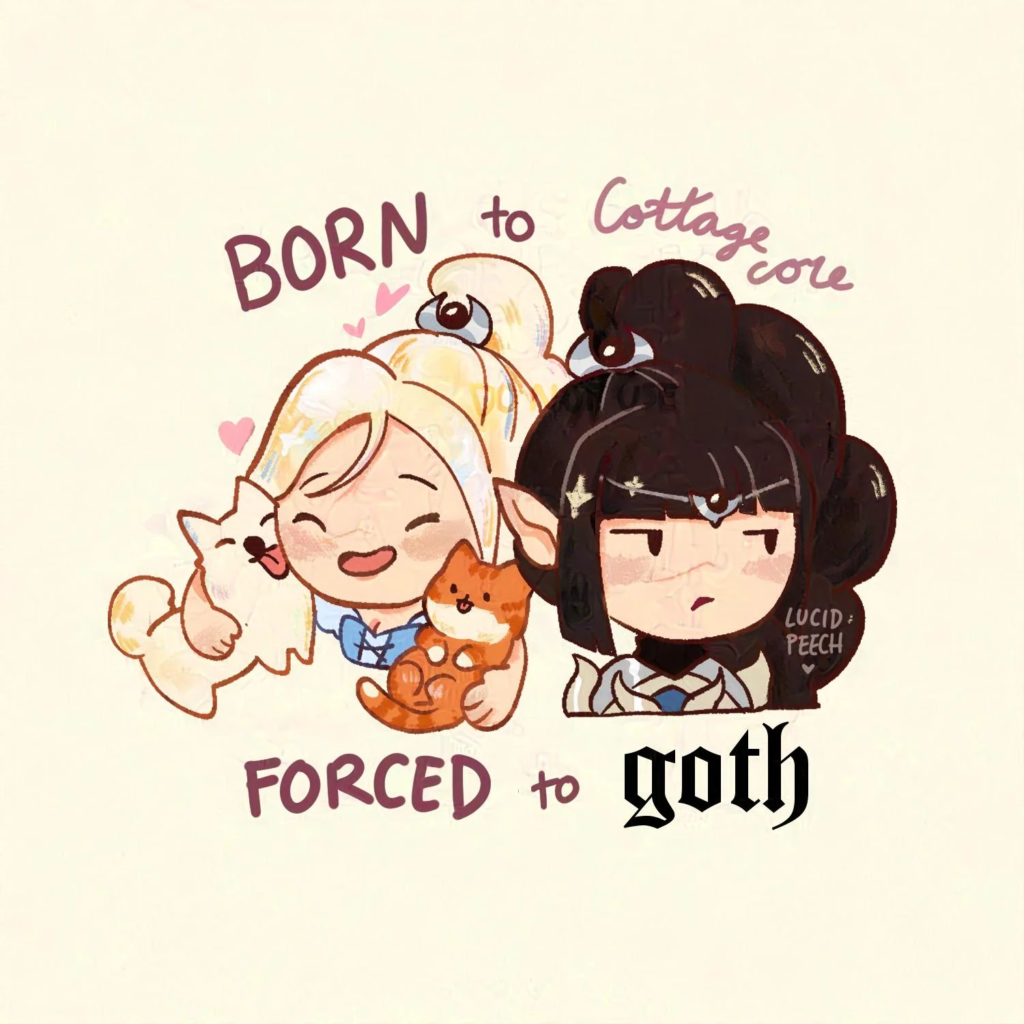
7. Wholesome vs Edgy Meme
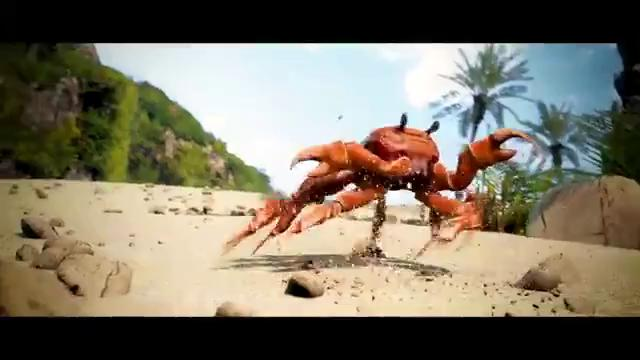
8. Crab Rave Meme
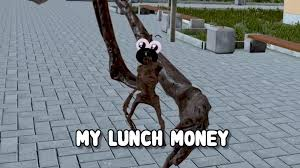
9. Siren Head Meme
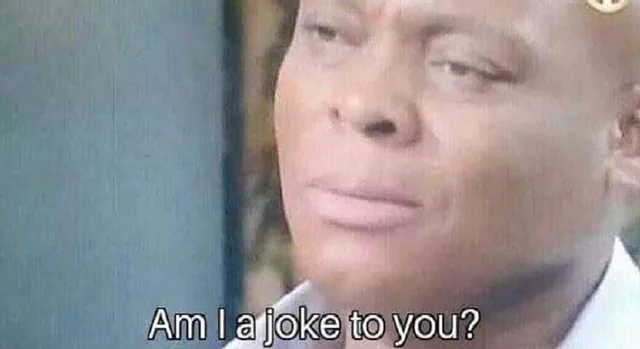
10. Am I a Joke to You Meme
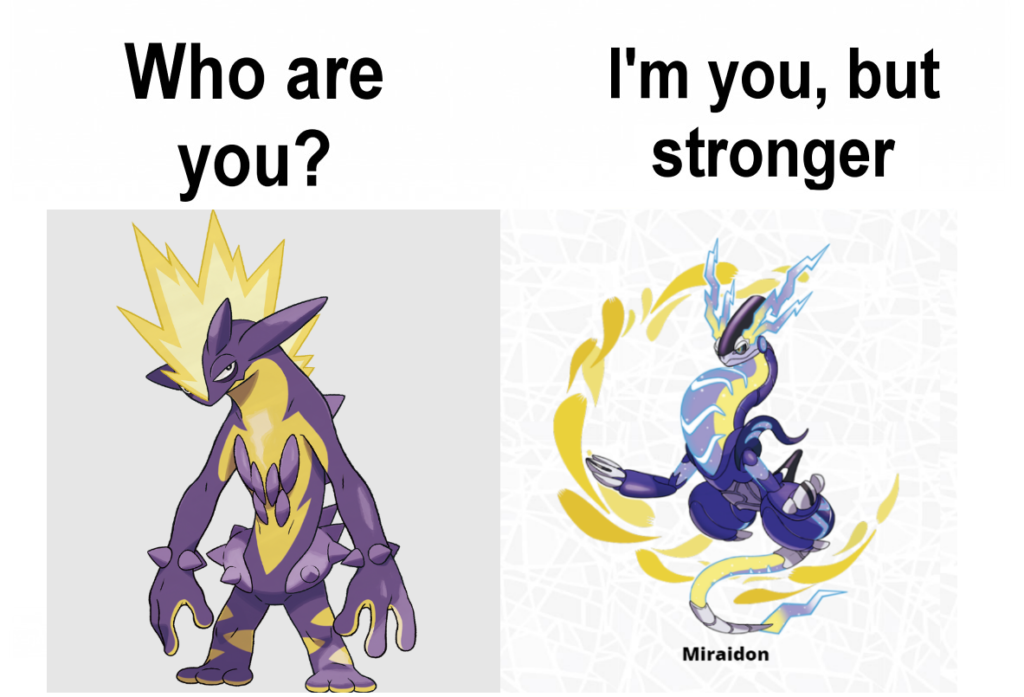
11. I’m You But Stronger Meme
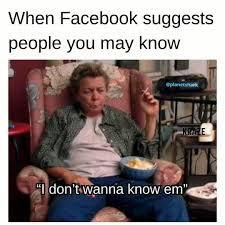
12. Facebook Algorithm Meme
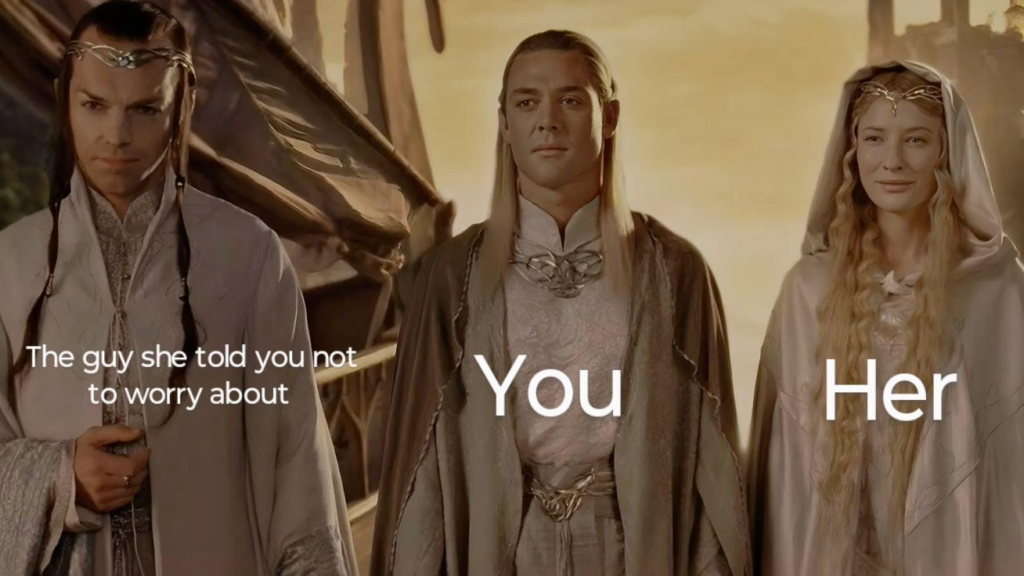
13. You vs Him Meme
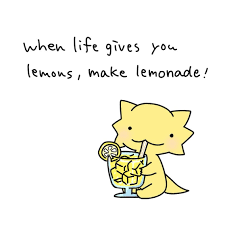
14. Life Gives You Lemons Meme
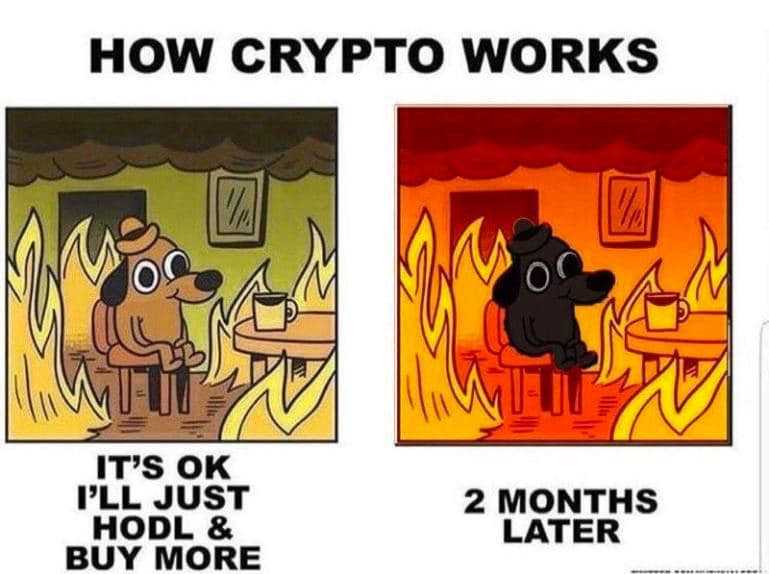
15. Crypto Crash Meme
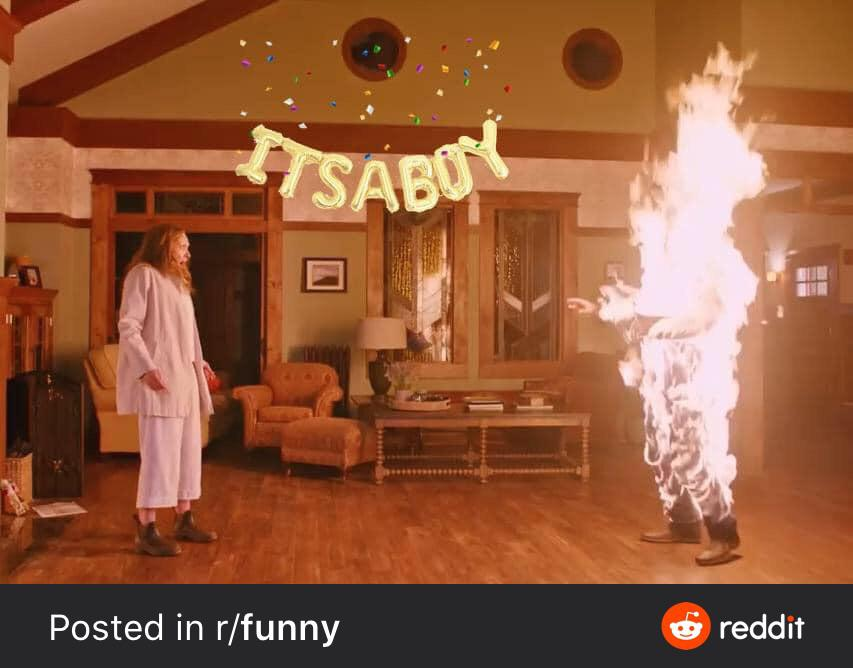
16. Gender Reveal Meme
17. Stanley Cup Meme

18. Rickrolling Meme

19. Drake Reaction Meme
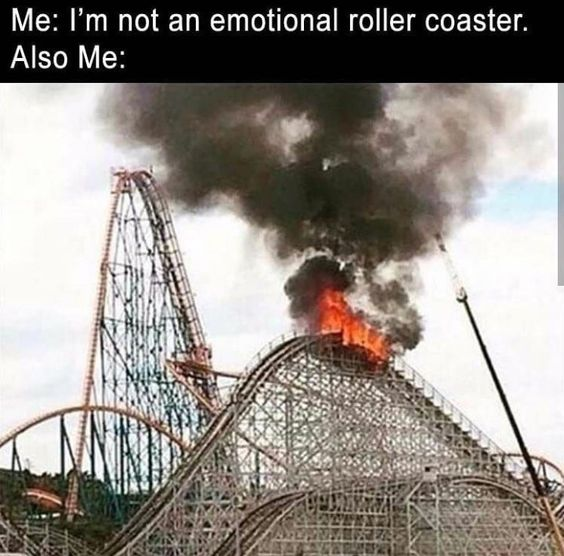
20. No Thoughts Head Empty Meme
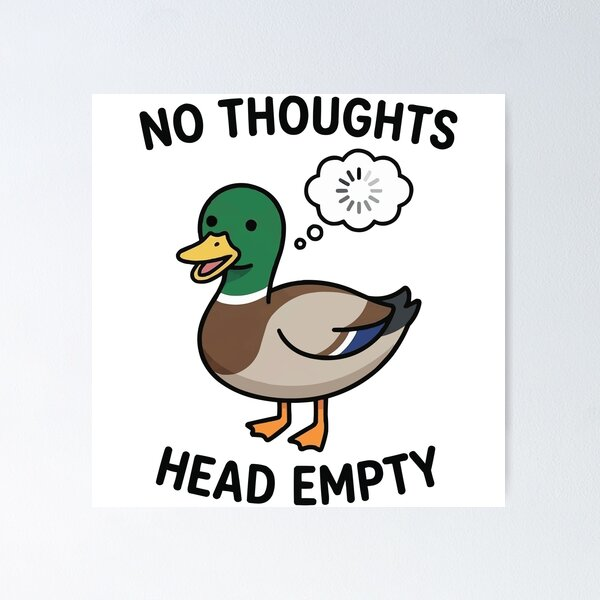
Mental Health Validation: Sometimes acknowledging you have zero brain activity is self‑care.
Creating viral memes isn’t just luck—it requires understanding your audience, timing, and cultural pulse. Here’s how to increase your chances of meme success.
Understanding Your Audience and Platform
Different platforms have distinct meme cultures. What works on Twitter might flop on LinkedIn. Instagram favors polished visual content, while TikTok thrives on raw, authentic videos.
Platform‑Specific Strategies:
- Instagram: High-quality images, aesthetic consistency, trending audio
- Twitter/X: Timely commentary, text-based humor, quick wit
- TikTok: Video content, trending sounds, participatory challenges
- Reddit: Niche community humor, inside jokes, format variations
- Facebook: Accessible humor, nostalgia, shareability with older demographics
Timing Is Everything
Meme relevance has an incredibly short shelf life. Capitalize on trending topics immediately, or your meme will feel dated.
Timing Tips:
- Monitor trending hashtags and topics
- Jump on viral moments within hours, not days
- Consider time zones for maximum reach
- Avoid outdated references unless deliberately nostalgic
- Stay culturally aware of sensitive timing
Keep It Simple and Accessible
The best memes require minimal explanation. If you need three paragraphs to explain your meme, it’s too complicated.
Simplicity Guidelines:
- Use familiar formats when possible
- Ensure text is readable (font size and contrast matter)
- Avoid excessive editing or effects
- Make the punchline immediately obvious
- Test with friends unfamiliar with the context
Add Your Unique Perspective
While using existing formats works, adding original twists makes your meme stand out. Find unexpected connections or fresh angles on familiar topics.
Originality Approaches:
- Combine two unrelated meme formats
- Apply memes to niche interests or industries
- Subvert expectations within established formats
- Create entirely new formats (high risk, high reward)
- Personalize universal experiences
Encourage Participation and Sharing
The most viral memes invite others to create their own versions. Design memes that people can easily adapt and personalize.
Participation Strategies:
- Create fill‑in‑the‑blank templates
- Use question formats that prompt responses
- Design challenges or trends others can join
- Make templates easily downloadable
- Encourage tagging and sharing
Meme Marketing: Using Memes for Business and Brand Growth
Brands increasingly recognize memes as powerful marketing tools, but success requires authenticity and cultural awareness.
Why Brands Should Consider Meme Marketing
Increased Engagement: Memes generate significantly higher interaction rates than traditional posts.
Cost‑Effective: Creating memes requires minimal resources compared to traditional advertising.
Humanizes Brands: Memes show personality and relatability, breaking down corporate barriers.
Viral Potential: A single successful meme can reach millions organically.
Younger Demographics: Memes resonate especially with Gen Z and Millennial audiences.
Common Mistakes Brands Make With Memes
Trying Too Hard: Nothing kills a meme faster than obvious corporate pandering.
Being Late: Jumping on trends weeks late makes brands look out of touch.
Misunderstanding Context: Using memes incorrectly demonstrates cultural disconnect.
Over‑Explaining: Brands that dissect their own jokes ruin the humor.
Ignoring Their Audience: Memes must align with brand identity and customer expectations.
Successful Brand Meme Strategies
Wendy’s Approach: The fast‑food chain built its Twitter presence on witty, slightly savage memes that aligned with their brand voice.
Netflix Strategy: The streaming giant creates memes about its own shows, encouraging fan participation and discussion.
Duolingo’s Chaos: The language app’s unhinged owl mascot generates genuine meme content that’s both funny and on‑brand.
Key Success Factors:
- Authenticity over perfection
- Consistent brand voice
- Understanding platform culture
- Engaging with community responses
- Not forcing meme participation
Legal and Ethical Considerations for Using Memes
Before creating or sharing memes, understand the legal landscape and ethical implications.
Copyright and Fair Use
Most memes technically violate copyright laws by using images without permission. However, many fall under “fair use” doctrine, which allows limited use of copyrighted material for purposes like commentary, criticism, or parody.
Fair Use Factors:
- Purpose and character (transformative vs. commercial use)
- Nature of copyrighted work
- Amount used relative to the whole
- Effect on the work’s market value
Best Practices:
- Use royalty‑free images when possible
- Credit original creators when feasible
- Avoid commercial use of clearly copyrighted material
- Consider creating original templates
- Understand that fair use isn’t absolute protection
Respecting Privacy and Consent
Not everyone wants to become a meme. Consider the human impact before creating content featuring real people.
Ethical Guidelines:
- Don’t mock private individuals without consent
- Avoid memes that could harm someone’s reputation
- Consider removing content if the subject requests
- Think about long‑term consequences for featured individuals
- Respect boundaries around sensitive topics
Cultural Sensitivity and Inclusivity
Memes can perpetuate stereotypes or punch down at marginalized communities. Create content that’s funny without being harmful.
Sensitivity Checklist:
- Avoid stereotypes based on race, gender, sexuality, or disability
- Consider whether your humor relies on mocking vulnerable groups
- Think about who’s laughing and who might be hurt
- Educate yourself about cultural context
- Accept criticism and be willing to learn
Tools and Resources for Creating Professional Memes
You don’t need advanced design skills to create compelling memes. Numerous tools make meme creation accessible to everyone.
Meme Creation Platforms
Imgflip: Classic meme generator with extensive template library and easy text overlay tools.
Canva: Professional design platform with meme templates, fonts, and graphics.
Kapwing: Video meme creation with advanced editing features and collaborative tools.
Meme Generator: Simple, straightforward interface perfect for quick memes.
Adobe Express: Free tool with professional features and customization options.
Image and Video Resources
Unsplash/Pexels: Free stock photos perfect for creating original meme templates.
Giphy: GIF library and creation tools for animated memes.
Pixabay: Public domain images and videos.
Remove.bg: Background removal for creating transparent meme elements.
Font and Design Elements
Impact Font: The classic meme font, though increasingly considered outdated.
Arial Bold: Clean, readable alternative to Impact.
Futura: Modern font that works well for contemporary memes.
Google Fonts: Free font library with numerous options.
Font Squirrel: Additional free commercial‑use fonts.
The Future of Memes: Trends and Predictions
As technology and culture evolve, so too will meme culture. Here’s what the future might hold.
AI‑Generated Memes
Artificial intelligence tools increasingly create meme content. While currently hit‑or‑miss, AI meme generation will likely improve, raising questions about creativity and authenticity.
Augmented Reality Memes
AR filters and effects on platforms like Instagram and Snapchat represent meme evolution into immersive experiences rather than static images.
Blockchain and NFT Memes
Some creators are monetizing memes through NFTs, though this remains controversial and niche within meme culture.
Hyper‑Niche Communities
As the internet becomes more fragmented, expect increasingly specialized memes that only resonate within specific subcultures or interest groups.
Video‑First Formats
Short‑form video will continue dominating, with platforms prioritizing video content over static images.
Interactive and Participatory Memes
Future memes may involve greater audience participation through polls, choose‑your‑own‑adventure formats, or collaborative creation tools.
Measuring Meme Success: Analytics and Metrics
If you’re using memes for marketing or growth, tracking performance helps refine your strategy.
Key Metrics to Monitor
Engagement Rate: Likes, comments, shares relative to follower count
Reach: How many unique users saw your meme
Share Count: Most important metric for viral potential
Save Rate: Indicates lasting value and relevance
Click‑Through Rate: If using memes to drive traffic
Follower Growth: New followers gained from meme posts
Comment Sentiment: Qualitative measure of audience reaction
Tools for Tracking Meme Performance
Native Analytics: Platform‑specific insights (Instagram Insights, Twitter Analytics, etc.)
- Google Analytics: Track website traffic from meme campaigns
- Sprout Social / Hootsuite: Comprehensive social media management and analytics
- BuzzSumo: Identify trending content and analyze competitor memes
- Brand24: Monitor mentions and meme spread across platforms
How to Stay Updated on Meme Trends
Meme culture moves fast. Here’s how to stay current without spending all day online.
Follow Meme Aggregator Accounts
Curated meme accounts on Instagram, Twitter, and TikTok compile the best content, saving you time scrolling.
Join Reddit Communities
Subreddits like r/memes, r/dankmemes, and r/me_irl often surface trending content before it hits mainstream platforms.
Use Trend Tracking Tools
Google Trends, Twitter Trending, and TikTok Discover pages help identify emerging memes early.
Engage With Your Audience
Your followers often share emerging trends. Pay attention to what they’re posting and talking about.
Set Aside Dedicated Time
Rather than constant monitoring, spend 15‑30 minutes daily exploring trending content across platforms.
🔑 Key Takeaways
- Memes are a cultural language – they communicate complex emotions and ideas through shared humor and relatability.
- Viral memes succeed due to relatability, perfect timing, simplicity, emotional resonance, and participatory design.
- Meme culture has evolved from static image macros to dynamic video formats, with TikTok as the current epicenter.
- Brands can use memes effectively by being authentic, timely, and respectful of meme culture’s unwritten rules.
- Legal risks exist – understand fair use, avoid using private individuals without consent, and stay culturally sensitive.
- Free tools like Canva, Imgflip, and Kapwing make meme creation accessible to non‑designers.
- Track engagement, share count, and save rate – not just likes – to measure meme success.
- The future of memes includes AI generation, AR integration, and hyper‑niche community formats.
- To stay current, follow aggregator accounts, join Reddit communities, and use trend tracking tools daily.
- Authenticity beats virality – forced meme marketing almost always backfires.
Conclusion: Embracing the Power of Memes
Social media memes have transcended their origins as internet jokes to become a fundamental form of digital communication. They shape conversations, influence culture, drive marketing strategies, and create communities around shared experiences and humor.
Whether you’re a marketer seeking engagement, a creator building an audience, or simply someone who appreciates internet culture, understanding memes provides valuable insights into how modern communication works.
The beauty of memes lies in their democratic nature—anyone can create content that resonates with millions. You don’t need a massive budget, professional equipment, or even artistic talent. You just need timing, cultural awareness, creativity, and willingness to participate in this ever‑evolving digital conversation.
As we move forward, memes will continue evolving alongside technology and culture. New platforms will emerge, formats will change, and what’s funny today might be cringe tomorrow. But the fundamental human desire to connect, laugh, and share experiences through creative expression will remain constant.
So go ahead—create that meme. Share that joke. Participate in that trend. You might just create the next viral sensation. And even if you don’t, you’ll be part of the beautiful, chaotic, endlessly entertaining world of internet culture.
Now, if you’ll excuse me, I need to go contemplate whether I’m living in the timeline where Crab Rave became an eternal meme or the one where we all learned to communicate exclusively through SpongeBob screenshots. Either way, it’s been a wild ride.