
9 Ways To Recover From A Sudden Drop In Website Traffic: Complete 2026 SEO Recovery Guide
Discover proven strategies to diagnose, analyze, and recover from unexpected website traffic drops with comprehensive Google penalty recovery and SEO restoration techniques
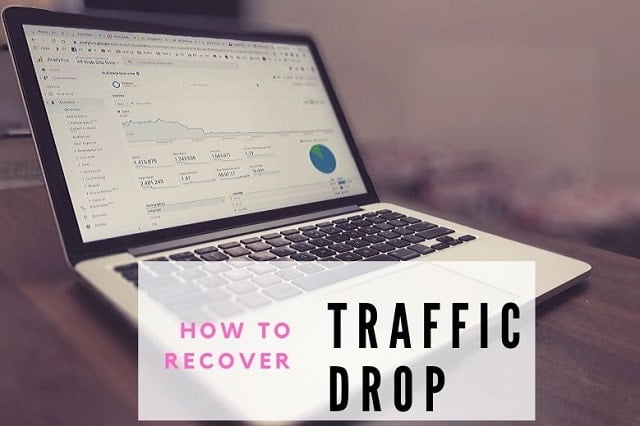
Comprehensive website traffic analysis dashboard showing sudden drop patterns and recovery implementation strategies
Understanding Sudden Website Traffic Drops: Diagnosis & Immediate Response
In today’s highly competitive digital ecosystem, suffering a sudden drop in website traffic can mean dire consequences for the affected business. Whether it is a WordPress blog or an eCommerce solution, any sound business model should have contingency arrangements for adversity, especially when innovations in technology continue to offer viable solutions to all kinds of digital problems.
⚠️ Critical First Steps When You Notice Traffic Drops
Before implementing recovery strategies, you must accurately diagnose the problem:
- Check Google Algorithm Updates: Was there a recent core update or spam update?
- Analyze Traffic Patterns: Is the drop affecting all pages or specific sections?
- Review Technical Issues: Are there server problems, site speed issues, or indexing errors?
- Examine Traffic Sources: Is organic search affected, or are other channels also impacted?
If you are still new to the SEO world, consider engaging an expert SEO agency to have these done for you.
Comprehensive Traffic Recovery Strategy Framework
Below are the 9 proven methods to recover from sudden website traffic drops, organized from immediate diagnostic actions to long-term strategic improvements.
Utilize Google Analytics & Search Console Diagnostics
Immediate Action: Google is the king of browsers and has some amazing software like Google Analytics and Google Search Console. Studying a Google Analytics line graph for as little as 10 mins can help you pinpoint the root causes of a sudden drop in your website’s traffic.
Critical Google Analytics Checks:
- Date Range Comparison: Compare current traffic to previous periods
- Channel Analysis: Identify which traffic sources decreased
- Page Performance: Check which specific pages lost traffic
- User Behavior: Analyze bounce rates and session duration changes
Google Search Console Investigations:
- Performance Report: Check impressions, clicks, and CTR changes
- Index Coverage: Review indexing errors and warnings
- Manual Actions: Check for Google penalties in Security & Manual Actions
- Mobile Usability: Review mobile-friendly issues
Address & Recover From Google Penalties
Google penalty analysis dashboard showing manual actions, algorithmic impacts, and recovery request procedures
Google desires that all website operators take some responsibility for internet cybersecurity. To this end, the tech giant has evolved certain policies or rules that its users must abide by. If you consciously or unconsciously breach any of these rules, Google can impose either algorithmic or manual penalties on your site.
Two Types of Google Penalties:
Manual Actions (Manual Penalties)
- Notification: Appears in Google Search Console
- Causes: Unnatural links, thin content, user-generated spam
- Recovery: Fix issues and submit reconsideration request
- Timeline: Days to weeks after successful reconsideration
Algorithmic Penalties
- Notification: No direct notification in Search Console
- Causes: Core updates, spam updates, quality guideline violations
- Recovery: Improve site quality and wait for next update
- Timeline: Weeks to months depending on update cycle
Google Penalty Recovery Process:
- Identify Penalty Type: Check Google Search Console for manual actions
- Conduct Comprehensive Audit: Technical, content, and backlink analysis
- Fix Identified Issues: Remove unnatural links, improve content quality
- Document Changes: Create detailed report of fixes implemented
- Submit Reconsideration Request: For manual actions only
- Monitor Recovery: Track rankings and traffic post-recovery
Strategic Keyword Analysis & Optimization Updates

Keyword tracking dashboard showing ranking volatility, search volume changes, and optimization opportunities
One of the questions to ask about a website already in recovery mode is what factors led to the unwanted state that needs to be recovered from. A potential cause for a sudden drop in website traffic could be a decline in the ranking of your high-volume keywords.
Comprehensive Keyword Recovery Strategy:
Step 1: Keyword Performance Analysis
- Google Search Console: Analyze “Search Analytics” for ranking changes
- Rank Tracking Tools: Monitor keyword position changes over time
- Competitor Analysis: Identify keywords competitors are gaining on
- Search Intent Assessment: Evaluate if search intent has changed
Step 2: Content & Optimization Updates
- Content Refresh: Update outdated information and statistics
- Intent Optimization: Align content with current search intent
- Featured Snippet Targeting: Optimize for position zero opportunities
- Long-Tail Expansion: Target more specific, lower-competition keywords
Step 3: Monitoring & Adjustment
- Weekly Tracking: Monitor recovery progress closely
- A/B Testing: Test different optimization approaches
- Seasonal Adjustments: Account for seasonal keyword fluctuations
- Algorithm Adaptation: Adjust to Google’s evolving ranking factors
Competitive Analysis & Market Position Recovery
If for one or a combination of reasons your website begins to experience a sudden drop in traffic, you should try to identify those competitor sites that may be benefiting from your site’s temporary setback. One way of achieving this is via thorough niche and competitor analysis.
Comprehensive Competitor Recovery Analysis:
| Analysis Area | Your Website | Top Competitors | Gap Analysis | Recovery Actions |
|---|---|---|---|---|
| Content Quality | Current quality assessment | Competitor content analysis | Quality & depth gaps | Content enhancement plan |
| Technical SEO | Site speed, mobile optimization | Competitor technical metrics | Technical performance gaps | Technical optimization roadmap |
| Backlink Profile | Current backlink analysis | Competitor link profiles | Authority & link gaps | Link building strategy |
| User Experience | Current UX metrics | Competitor UX analysis | UX & engagement gaps | UX improvement plan |
Competitive Recovery Strategies:
- Content Gap Analysis: Identify topics competitors cover that you don’t
- Feature Comparison: Highlight your unique value propositions
- Authority Building: Focus on expertise, authoritativeness, trustworthiness
- Local SEO Optimization: If applicable, dominate local search results
Reputation Management & Negative Review Recovery
Negative reviews such as scathing customer feedback and other forms of bad publicity are realities every business must be prepared to cope with once in a while. More worryingly, they could be the reason for the sudden drop in your website traffic. Whether this bad press originated from disgruntled clients or mischievous competitors, you need to react very quickly to avoid irreparable damage to the reputation you may have spent many years building.
Comprehensive Reputation Recovery Strategy:
Monitoring & Detection Systems
- Social Listening Tools: Monitor brand mentions across platforms
- Review Site Monitoring: Track Google, Yelp, industry-specific reviews
- Competitor Analysis: Monitor competitor reputation strategies
- Automated Alerts: Set up real-time notification systems
Response & Resolution Protocols
- 24-Hour Response Policy: Address negative feedback within one day
- Professional Response Templates: Maintain consistent, professional tone
- Escalation Procedures: Define when issues require senior management
- Offline Resolution: Move complex issues to private communication
Proactive Reputation Building
- Positive Content Creation: Develop and promote positive brand stories
- Customer Success Showcases: Highlight satisfied customer experiences
- Industry Authority Building: Position as thought leader in your niche
- Community Engagement: Participate actively in relevant communities
Customer Service Enhancement for Traffic Recovery:
- Multi-Channel Support: Offer support via chat, email, phone, social media
- Proactive Communication: Reach out before issues become negative reviews
- Satisfaction Guarantees: Implement customer satisfaction policies
- Feedback Integration: Use feedback to improve products/services
SERP Feature Adaptation & Zero-Click Strategy
The emergence of SERP features in Google brought about a zero-click result in over 50 percent of all searches via Google. To forestall any SERP features discomfort, try and locate your keywords in Google to ascertain if there is a trending SERP feature that may not bode well for your website.
SERP Feature Analysis & Adaptation Strategy:
| SERP Feature | Impact on Traffic | Recovery Strategy | Implementation Priority |
|---|---|---|---|
| Featured Snippets | Can reduce clicks to full articles | Optimize content to both earn snippets and encourage clicks | High |
| People Also Ask (PAA) | Diverts attention to other questions | Create comprehensive content covering all related questions | Medium |
| Local Packs | Prioritizes local businesses | Optimize Google Business Profile and local SEO signals | High (for local businesses) |
| Shopping Results | Directs to e-commerce platforms | Implement Google Shopping campaigns and product feeds | High (for e-commerce) |
SERP Feature Recovery Tactics:
- Featured Snippet Optimization: Structure content to answer questions directly
- Video Carousel Participation: Create video content for video results
- Image Pack Optimization: Optimize images with descriptive alt text and filenames
- Knowledge Panel Optimization: Claim and optimize knowledge panel entries
Backlink Profile Audit & Recovery Strategy
Your major backlinks are important because the loss of any of them can lower your SERP ranking and consequently trigger a sudden drop in your website traffic. To keep track of your link activity, try to obtain a backlink report that will indicate if any of your important links have been deleted during the period you first observed the drop in traffic.
Comprehensive Backlink Recovery Process:
Phase 1: Backlink Audit & Analysis
- Backlink Monitoring Tools: Use Ahrefs, SEMrush, or Moz for analysis
- Lost Links Identification: Identify which valuable links were removed
- Toxic Link Analysis: Check for harmful links that might cause penalties
- Competitor Link Analysis: See which links competitors gained
Phase 2: Link Recovery Outreach
- Website Contact: Reach out to websites that removed your links
- Value Proposition: Explain why linking to your content benefits them
- Content Updates: Offer to update or improve linked content
- Relationship Building: Establish ongoing relationships with webmasters
Phase 3: Proactive Link Building
- Content Creation: Develop link-worthy resources and studies
- Broken Link Building: Find and replace broken links on relevant sites
- Guest Posting: Contribute valuable content to authoritative sites
- Resource Page Links: Get listed on relevant resource pages
Ongoing Link Monitoring System:
- Monthly Backlink Audits: Regular checkups of your link profile
- Competitor Link Tracking: Monitor competitor link acquisition
- Link Velocity Monitoring: Track the rate of new link acquisition
- Quality Assessment: Regular evaluation of link quality and relevance
Google Algorithm Update Compliance & Recovery

Google algorithm update tracking dashboard showing update impacts and compliance adjustment strategies
The history of Google updates indicates the possibility of significant changes in website rankings whenever they are implemented. This is usually because updates often usher in major changes in how Google regards to content, including keywords, backlinks, and more.
Google Algorithm Update Recovery Strategy:
Step 1: Identify Affecting Algorithm Update
- Update Timeline Analysis: Check algorithm update calendars
- Industry Impact Assessment: See how similar sites were affected
- Google Announcements: Review official Google communications
- SEO Community Analysis: Check discussions in SEO forums
Step 2: Update-Specific Recovery Actions
- Core Updates: Focus on overall content quality and E-A-T signals
- Page Experience Updates: Improve Core Web Vitals and user experience
- Helpful Content Updates: Ensure content truly helps users
- Spam Updates: Remove low-quality and spammy content
Step 3: Long-Term Algorithm Resilience
- Quality-First Approach: Always prioritize user value over SEO tricks
- Regular Content Audits: Continuous improvement of existing content
- Technical Excellence: Maintain superior site speed and performance
- User Experience Focus: Continuously optimize for user satisfaction
High-Quality Content Creation & Optimization Strategy

Content optimization workflow showing research, creation, updating, and promotion strategies for traffic recovery
Use your star web pages, i.e., those pages that have consistently ranked high on Google as models when developing new content for your website. This habit should not only be exhibited during a website traffic loss period but at all times. High-quality content appeals to Google so be sure to leave no stone unturned in your bid to populate your website with outstanding content that will educate your visitors and solve their problems.
Comprehensive Content Recovery Strategy:
Content Audit & Analysis
- Performance Analysis: Identify top-performing and underperforming content
- Gap Analysis: Find content gaps compared to competitors
- User Intent Analysis: Ensure content matches current search intent
- Technical Content Audit: Check for duplicate, thin, or outdated content
Content Enhancement Strategy
- Content Refresh Program: Systematically update old content
- Content Depth Enhancement: Add more value to existing articles
- Visual Content Integration: Add relevant images, videos, infographics
- Structured Data Implementation: Add schema markup for rich results
New Content Development
- Keyword Research: Target emerging and underserved topics
- Content Format Diversification: Create various content types
- Expert Content Creation: Develop authoritative, in-depth resources
- User-Generated Content: Incorporate authentic user perspectives
Content Quality Standards for Recovery:
- E-A-T Compliance: Demonstrate Expertise, Authoritativeness, Trustworthiness
- Comprehensive Coverage: Address topics thoroughly and completely
- User-Focused Approach: Prioritize user needs over keyword stuffing
- Regular Updates: Keep content current and relevant
Traffic Recovery Implementation Timeline & Monitoring
Immediate Response (First 48 Hours)
- Check Google Search Console for penalties
- Analyze Google Analytics for traffic patterns
- Verify site accessibility and technical functionality
- Check for recent Google algorithm updates
Short-Term Recovery (Week 1-2)
- Complete technical SEO audit
- Begin backlink analysis and recovery outreach
- Start content audit and initial updates
- Implement immediate technical fixes
Medium-Term Recovery (Month 1-3)
- Comprehensive content refresh program
- Ongoing backlink recovery and building
- Regular performance monitoring and adjustment
- Competitor analysis and strategic adjustments
Long-Term Prevention (Ongoing)
- Continuous content improvement
- Regular technical SEO maintenance
- Ongoing competitor monitoring
- Proactive algorithm update preparation
Essential Recovery Monitoring Metrics:
| Metric | Monitoring Frequency | Recovery Target | Tools |
|---|---|---|---|
| Organic Traffic | Daily initially, then weekly | Return to pre-drop levels | Google Analytics |
| Keyword Rankings | Weekly | Improve rankings for target keywords | SEMrush, Ahrefs |
| Backlink Profile | Monthly | Recover lost links + gain new ones | Ahrefs, Moz |
| Core Web Vitals | Monthly | All “Good” scores | PageSpeed Insights |
Frequently Asked Questions About Traffic Recovery
How long does it typically take to recover from a sudden traffic drop?
Recovery time varies significantly based on the cause. Technical issues can be resolved in days, Google penalties may take weeks to months, and algorithm update recoveries often require waiting for the next update cycle. Most recoveries show initial improvements within 2-4 weeks, with full recovery taking 1-6 months depending on the severity and your response speed.
Should I disavow backlinks if I suspect negative SEO?
Only disavow links as a last resort after thorough analysis. First, try to contact webmasters to remove harmful links. Use the disavow tool only for clearly spammy links you cannot remove through outreach. Incorrect use of the disavow tool can harm your site. Document all disavowed links and monitor their impact carefully.
How can I tell if my traffic drop is due to a Google algorithm update?
Check algorithm update calendars like those from SEO industry leaders. Analyze if the drop coincided with an update announcement. Check if competitors in your niche experienced similar drops. Review Google’s official communications about updates. Remember that not all traffic drops are algorithm-related—always investigate technical and on-site factors first.
What’s the single most important recovery action I should take first?
Check Google Search Console for manual actions or security issues. This should always be your first step because it identifies issues Google has specifically flagged. If you find a manual action, addressing it becomes your top priority. If there are no manual actions, move to technical and analytics analysis.
When should I consider hiring an SEO professional for recovery?
Consider professional help if: 1) The traffic drop is severe (over 50%), 2) You’ve identified a manual action in Google Search Console, 3) You lack technical SEO expertise, 4) The drop has persisted for more than 2 weeks despite your efforts, or 5) Your business relies heavily on organic traffic for revenue.
Conclusion & Ongoing Traffic Maintenance Strategy
It is the desire of every business with an online presence to rank very high on Google and other search engines. However, the technicalities involved in achieving this laudable objective can be very confusing for most businesses that lack professional digital marketing expertise. This lack of expertise can sometimes lead to a sudden drop in website traffic brought about by one factor or a combination of factors.
Essential Traffic Recovery Principles:
- Diagnose Before Treating: Always identify the specific cause before implementing solutions
- Prioritize Google Guidelines: Compliance with Google’s quality guidelines is non-negotiable
- Quality Over Quantity: Focus on creating exceptional user experiences rather than gaming the system
- Continuous Monitoring: Implement ongoing monitoring to catch issues early
- Professional Support: Know when to seek expert assistance for complex recovery situations
- Long-Term Perspective: Focus on sustainable growth rather than quick fixes
Proactive Traffic Drop Prevention Strategy:
- Regular Technical Audits: Monthly checks for technical SEO issues
- Content Quality Reviews: Quarterly content audits and updates
- Backlink Monitoring: Monthly backlink profile analysis
- Algorithm Update Preparation: Stay informed about upcoming Google updates
- Competitor Analysis: Regular competitor benchmarking
- Performance Baselines: Establish and monitor key performance indicators
Professional Support Recommendation: If you find yourself overwhelmed by the complexity of SEO recovery or if your traffic drop is significantly impacting your business revenue, do not hesitate to seek professional assistance. A qualified SEO agency can provide the expertise, tools, and experience needed for effective recovery and ongoing maintenance.





As you correctly said, any business with an online presence wishes to rank well on Google and other search engines. However, for most firms that lack professional digital marketing skills, the practicalities required in accomplishing this admirable goal can be exceedingly perplexing. Due to a lack of experience, a rapid decline in website traffic can occur, which can be caused by a single issue or a combination of variables.
Thanks for an amazing blog, waiting for another amazing written article.
This is true, whenever the traffic to your website drops, it can be confusing and annoying at the same time. Thank you, Eileen, for this self-explanatory article that will help bloggers recover from a terrible traffic decline!
Thanks keep reading and sharing
As you correctly said,. In today’s highly competitive digital ecosystem, suffering a sudden drop in website traffic can mean dire consequences for the affected business Whether it. Whenever the website traffic drops, it can be very confusing and annoying.
Thanks for sharing nice thoughts
I hope you do this kind of post regularly. Thanks, I have learned huge knowledge from here ,I am waiting for your updates.
Thanks keep reading and sharing
I’ve learned so much from your articles. Thanks
Thank You Eileen for sharing this helpful article.
wellcome and keep reading and sharing
Thanks for the comments, be sure to bookmark and share
I love the way you’ve explained this topic! It really helped me understand a complex concept in a simple way. Thanks for sharing your insights!
Thanks keep reading and sharing