How to Build an Online Marketplace – Ultimate Guide (2026 Edition)
🏆 Top 3 Marketplace Types to Build in 2026
- #1 B2C (Business-to-Customer) – Amazon-style, highest revenue potential
- #2 C2C (Customer-to-Customer) – eBay/Airbnb model, strong network effects
- #3 B2B (Business-to-Business) – Alibaba-style, high transaction values
As per Statista, Amazon witnessed a substantial growth in net sales, reaching $469.8 billion in 2021, marking a 21.7% increase from the previous year. These impressive figures serve as inspiration for entrepreneurs aspiring to establish their own e-commerce platforms, with the potential to rival giants like Amazon or eBay. However, launching a marketplace website can be a daunting task, especially without a clear starting point. To simplify the process, we’ve outlined a series of steps to consider when venturing into the e-commerce business. This includes crucial stages such as selecting essential features, determining the development approach, and choosing a software consultancy to assist in building your platform. Additionally, the guide provides insights on enhancing and promoting your online marketplace website. Armed with this comprehensive information, you’ll gain the knowledge needed to create a marketplace that resonates with both buyers and sellers, fostering a positive user experience.
What is a marketplace, and what are their main types
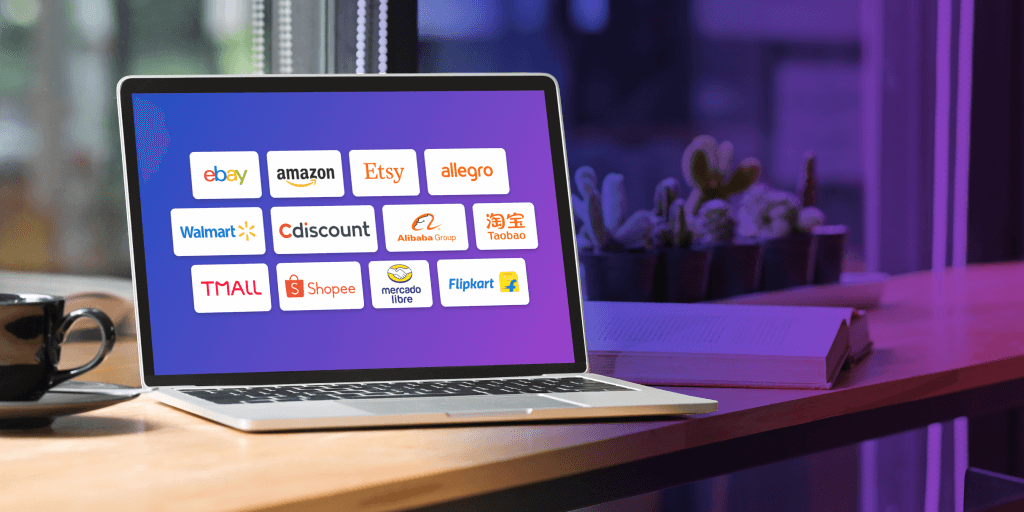
A marketplace serves as a platform that showcases stores from different sellers. It acts as an intermediary that connects sellers with buyers of various goods and services, facilitating transactions between them. Presently, there is a notable trend in online sales shifting from individual online stores to marketplaces. This transition occurs because trading on marketplace websites offers numerous advantages compared to traditional online stores. Online marketplaces come in various types, differing in terms of products, interactions, and participants. Below is a table providing a general classification of marketplaces along with examples for better understanding.
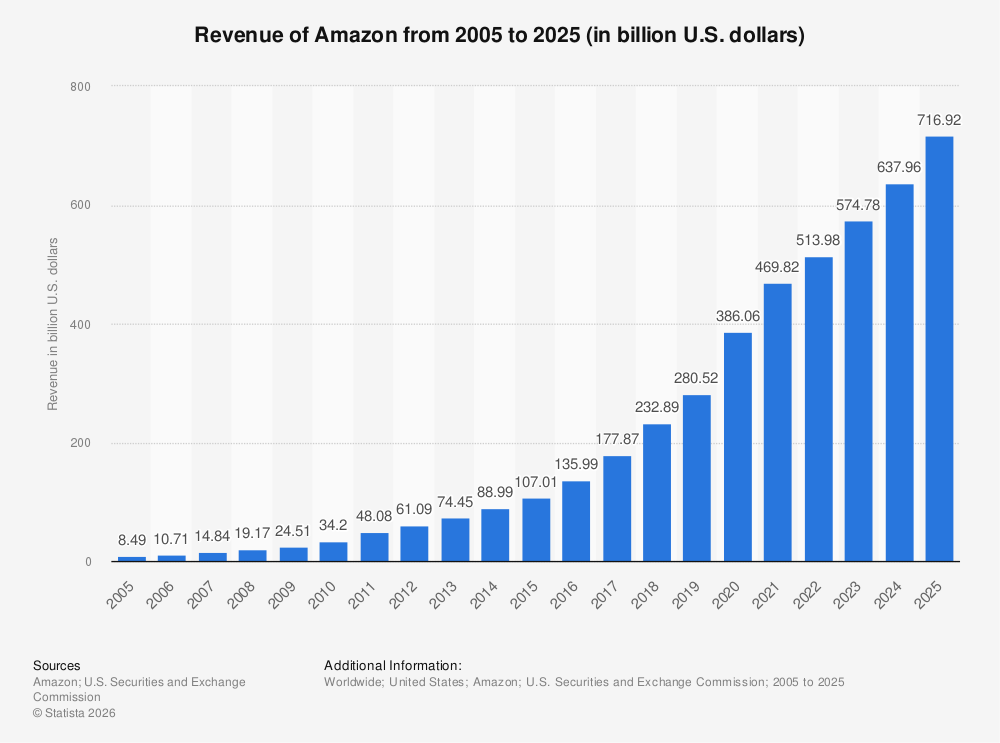
Find more statistics at Statista
Quick Comparison: Marketplace Types Pros & Cons
| Type | Pros | Cons | Example |
|---|---|---|---|
| B2C | Large customer base, standard pricing, high volume | High competition, logistics heavy | Amazon |
| C2C | Low overhead, network effects, community-driven | Trust issues, quality control | eBay, Airbnb |
| B2B | High transaction value, loyal customers | Long sales cycles, complex negotiations | Alibaba |
Here’s the information presented in a table format:
| Classification of Online Marketplaces | By Products | By Interaction | By Participants |
|---|---|---|---|
| Goods (Examples: Etsy, Amazon) | Goods | Online commerce | Customer-to-customer (eBay, Airbnb) |
| Services (Examples: Uber, Airbnb) | Services | Online-to-offline | Business-to-customer (Amazon) |
| Business-to-business (Alibaba) |
- B2B (Business-to-Business): These platforms provide services and products tailored for businesses. Wholesale dealers commonly use such online marketplaces.
- B2C (Business-to-Customer): This represents the classic model of global trade where online sales are directed at individual buyers. The Amazon marketplace platform operates on this system.
- C2C (Customer-to-Customer): Business transactions take place between private individuals, involving both monetary transactions and bartering. Examples of online marketplaces following this principle include eBay and Airbnb.
| Factors | C2C (eBay, Airbnb) | B2C (Amazon) | B2B (Alibaba) |
|---|---|---|---|
| Value of Sale | Tens of dollars | Tens and hundreds of dollars | Thousands and millions of dollars |
| Pricing | Negotiable market-based price | Standard pricing | Customer pricing |
| Length of the Sales Process | Hours to days | Days to weeks | Days to months |
| Number of Decision Makers Involved | One or two | One or two | Several people to a dozen or more |
| Motivation for Purchase | Individual needs or emotions | Individual needs or emotions | Business needs |
| Buying Process for a Provider to Use a Marketplace | Single step | Multiple steps | More multiple steps |
| Goal Tasks of a Marketplace | – Present the good/service | – Present own solution and UVP | – Create a community of customers |
| – Show a great variety of goods/services | – Present the brands | – Create conditions for competition | |
| – Suggest a solution for business | |||
| – Sell to big players | |||
| – Be the first in own niche |
You may also like: Importance of Digital Marketing
Key benefits of building a marketplace website
Creating a marketplace offers various benefits for different stakeholders involved. Let’s explore the advantages for founders, buyers, and sellers:
Benefits for Founders:
- Revenue: The marketplace owner can choose from various revenue models such as listing fees, subscriptions, commissions, lead generation fees, and advertising.
- User Interest: The platform’s ability to bring together offerings from multiple vendors makes it attractive to buyers seeking a diverse range of options.
- Investor Interest: Marketplace website development has attracted significant investment from venture capitalists, showcasing its commercial viability.
Benefits for Buyers:
- Broad Range of Products: Online marketplaces provide buyers with a wide selection of products, offering everything they may need.
- Trusted Platform: Marketplaces inspire trust through ratings and reviews, making them more reliable than standalone firms.
- Promotions and Discounts: Buyers often enjoy various discounts on marketplace websites, attracting and retaining users.
- Convenience: The booking or purchase of items is just a click away, providing convenience to buyers.
Benefits for Sellers:
- No Need for Self-Promotion: Sellers on marketplace websites don’t need to invest in site development, support, or SEO. They can operate without hiring specialists like programmers or optimizers.
- Better Search Ranking: Marketplaces consistently rank high in search results, offering better visibility compared to standalone online stores.
- More Opportunities for Promotion and Clients: Sellers gain increased brand recognition and access to a larger customer base by being featured on marketplace websites.
- Access to Product Analytics: Sellers can access valuable statistics on product views, purchases, and more through their marketplace account.
Essential Steps to Create a Thriving online Marketplace
1. Research and Choose Your Niche:
Before embarking on building a marketplace, conduct market research to determine the products or services available on your platform. Choose between a horizontal marketplace that covers a variety of items (e.g., Amazon) or a vertical marketplace that focuses on a specific niche or user category.
- Horizontal Marketplace: Offers a wide range of products, providing greater coverage across market segments.
- Vertical Marketplace: Focuses on a specific niche, allowing for a more personalized customer experience and highlighting specific product features.
2. Learn Your Target Audience:
Define the user category you intend to serve on your marketplace platform. Understanding your target audience is crucial for effective marketing and creating a relevant platform that meets their needs and expectations.
- Analyze factors such as age, gender, location, education, occupation, interests, and potential pain points.
- Tailor your marketplace to address the specific needs and preferences of your target audience.
3. Define the Required Functionality:
Identify the essential features that your marketplace should have to cater to both buyers and sellers effectively.
- Product Page: Provide comprehensive descriptions, high-quality photos, and videos for selling items.
- Shopping Cart: Prioritize this feature as it is essential for any e-commerce platform.
- Security Options: Implement SSL certificates, two-factor authentication, and firewalls to enhance platform security.
- Payment Methods: Enable various payment options such as PayPal, Stripe, Braintree, and WePay.
- Search Feature: Incorporate a visible and easily accessible search box for users to navigate the extensive product offerings.
- Admin Panel: Create a dashboard for managing orders, payments, shipping, and other aspects of the platform.
- Wishlists: Allow shoppers to create collections of desired items for future purchases.
- Sign In/Sign Up Form: Encourage visitors to register for personalized experiences, role selection (vendor or buyer), and enhanced customer engagement.
- Shipping: Offer a feature that allows shoppers to choose preferred delivery options provided by vendors.
4. Select the Development Platform:
When creating an online marketplace, the choice between buying a ready-made solution and building a platform from scratch depends on factors such as budget, time constraints, and scalability plans. Custom software development offers tailored solutions to meet specific business needs, making it suitable for industries with unique requirements, such as education, healthcare, and finance. Advantages of custom development include:
- Meeting specific business requirements.
- Facilitating startup growth through flexibility.
- Avoiding unnecessary features and reducing development expenses.
5. Choose the Best Tech Stack:
Selecting the right technology stack is a crucial stage in building an online marketplace, determining performance and reliability. Consider the following criteria:
- Scalability: Ensure the platform can handle increased user loads as it gains popularity.
- Flexibility: The tech stack should support user flows and easily accommodate the addition of new features.
- Security: Prioritize security measures to protect confidential user information.
Front-end Tech Stack: JavaScript, TypeScript, React, Redux, Next.js, Vue.js, HTML5, CSS3, Gatsby
Back-end Tech Stack: Ruby on Rails, Ruby, Node.js, Strapi
DevOps Tech Stack: Linux, Ansible, Docker, Gitlab CI, Terraform
Databases Tech Stack: PostgreSQL, MySQL, MongoDB, Redis, Firebase, ElasticSearch
Infrastructure Software Stack: AWS, Digital Ocean, Heroku
Integrations: Stripe, Google Analytics, PayPal, Mollie, Hotjar, Sentry, MailChimp, HubSpot, Uptime Robot, Skylight
6. Select a business model
- Commission: Cuts a percentage of each transaction.
- Listing Fee: Charges vendors to publish items.
- Subscription Fee: Monthly or yearly fees for sellers.
- Advertising Fee: Promotes items by third-party advertisers.
- Lead Fees: Users pay for detailed item information.
- Premium Membership: Extra features and exclusive content.
7. Write a business plan for the marketplace launch
Include: Review of Your Enterprise, Marketplace Description, Products and Services, Target Audience and Niche, Online Marketplace Strategy, Organizational Structure, Financial Plan.
8. Find a Reliable Co-founder
9. Search for Compatible Investors
10. Define the Required Budget
Example: Amazon-like site minimum $78,300; Airbnb-like site ~$77,500.
11. Select the right development team
Research platforms like Clutch, GoodFirms, Appfutura. Check client references, portfolio, agile methodology.
12. Develop an MVP first
MVP benefits: quick release, cost savings, early adopters, focus on basic features.
13. Acquire users
Social media advertising, workshops, trade fairs, live events, celebrity collaborations.
14. Platform promotion
SEO and content strategy: traffic pages, technical optimization, competitor analysis, metadata, link building, results analysis.
15. Build trust between sellers and buyers
High-quality photos, thorough descriptions, reviews/ratings, refund policy, easy navigation.
16. Essential Tools for Smooth Marketplace Business Operations
Google Analytics, Salesforce, Google Drive, Mention, Buffer.
17. Ensuring Legal Protection
Patent, trademark, copyright, domain name registration.
5 Common Mistakes When Building an Online Marketplace
- Building before validating demand: Skipping MVP and building full features leads to wasted budget. Start small.
- Ignoring the chicken-and-egg problem: Failing to attract both buyers and sellers simultaneously. Solve with incentives or seed users.
- Poor UX for trust: No reviews, low-quality images, or missing refund policies kills trust.
- Choosing the wrong monetization too early: Charging fees before reaching critical mass can drive users away.
- Underestimating legal and compliance: Payment regulations, tax laws, and data privacy (GDPR/CCPA) can cause shutdowns.
People Also Search For (Marketplace Building Questions)
- How to build a marketplace like Amazon
- Cost to build an online marketplace
- Best tech stack for e-commerce marketplace
- Marketplace business model examples
- How to attract sellers to a new marketplace
- MVP development for marketplace startups
- How to get investors for a marketplace
Reality Check: Limitations of Building a Marketplace
- High initial investment: Custom development starts at $50k–$100k+ for a basic MVP.
- Chicken-and-egg struggle: Most marketplaces fail due to imbalanced supply/demand.
- Ongoing operational costs: Hosting, support, payment fees, marketing can exceed revenue for years.
- Legal complexity: Handling disputes, refunds, taxes, and international regulations is burdensome.
- Competition from giants: Amazon, eBay, Alibaba dominate; niche verticals are the only viable entry.
🎯 Key Takeaways – How to Build an Online Marketplace
- Choose between B2B, B2C, or C2C based on your target audience and transaction value.
- Start with an MVP (minimum viable product) to validate your idea before full development.
- Select a tech stack that prioritizes scalability, security, and flexibility – Ruby on Rails and Node.js are popular choices.
- Monetization can include commissions, subscription fees, listing fees, or advertising – test which works for your niche.
- Build trust with high-quality visuals, reviews, and transparent refund policies.
- Acquire users via social ads, trade events, and influencer collaborations; solve the chicken-and-egg problem by seeding supply.
- Legal protection (patents, trademarks, copyrights, domain) is non-negotiable.
- Partner with an experienced development team – check Clutch ratings, portfolios, and agile methodology.
Summary
We trust that this comprehensive guide has addressed the key question: how to create a marketplace that caters to the needs of both buyers and sellers. By defining the necessary functionality, selecting a trustworthy custom software development company, and adopting the right methodology, you pave the way for marketplace success. As the Chinese proverb wisely states, “A journey of a thousand miles begins with a single step.” You now possess the potential to establish an online marketplace akin to Airbnb or Etsy. If you seek a reliable software consultancy to assist you with online marketplace development, we are ready to turn your ideas into reality. Feel free to contact us to discuss your project and receive a free quote.
💰 Ready to Build Your Marketplace?
Get a free consultation and cost estimate from our marketplace development experts.
Frequently Asked Questions (FAQ)