How to Increase Traffic to Your Website: A Complete Guide for Sustainable Growth
Key Takeaways:
- Sustainable traffic growth requires a balanced, three-pillar strategy: organic SEO, strategic paid acquisition, and owned audience development.
- Google’s 2024 “Helpful Content Update” fundamentally rewards websites providing genuine value and comprehensive user experience over thin content.
- Direct traffic purchases can offer a short-term boost but must be approached with extreme caution to avoid platform penalties and wasted budget.
- Mobile-first design and Core Web Vitals are now non-negotiable ranking and user retention factors, not optional optimizations.
- Long-term success depends on building a content ecosystem that answers your audience’s questions better than any competitor.
Introduction: The Real Cost of an Empty Website
Does your business have a website for attracting more customers and boosting revenue? What if you fail in generating leads as nobody is visiting the website? It’s a big loss! In today’s digital landscape, a website without traffic is more than a missed opportunity—it’s a leaking asset that undermines your brand authority and competitive edge. The silence in your analytics dashboard reflects a fundamental disconnect between your offerings and your potential audience. Well, there is a solution to this as well. The path to consistent, high-quality traffic isn’t shrouded in mystery; it’s built on a foundation of proven, systematic strategies that align with how modern users discover and engage with information online. This comprehensive 2026 guide will walk you through every facet of sustainable website traffic generation, from foundational SEO and content marketing to advanced paid strategies, while also providing an honest, critical look at options like how you can buy bulk web site traffic.
Organic Growth
Build lasting authority and free, recurring traffic through SEO and valuable content that ranks for years.
Strategic Paid
Use targeted ads for precise audience reach and immediate results, feeding data back into organic efforts.
Community & Owned
Develop direct relationships through email and social media, creating a traffic source you fully control.
The Modern Traffic Growth Framework: Three Essential Pillars
Boosting website traffic is methodical and predictable when you understand the core pillars. Relying on a single channel is risky. A resilient strategy integrates three approaches: Pull Traffic (users finding you via search), Push Traffic (you reaching users via ads/email), and Earned/Owned Traffic (community and referrals). Here are the foundational strategies within each pillar:
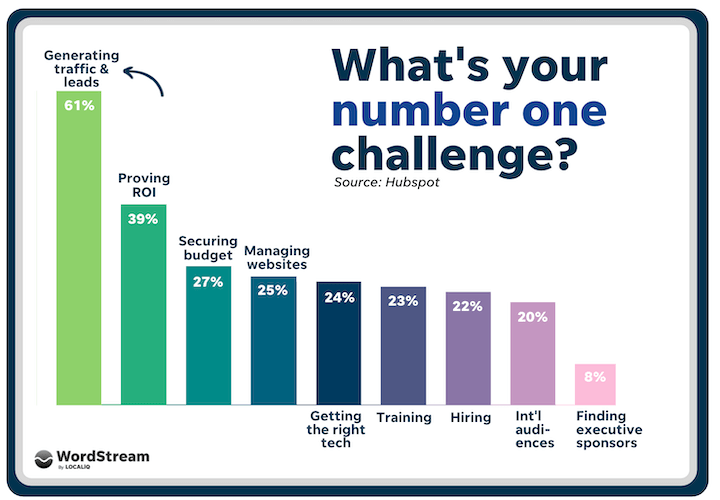
The modern traffic journey: Overcoming challenges through integrated strategies in content, technical SEO, and user engagement.
Advanced SEO: Promoting Your Website to Google in 2026
You must make sure that your website is optimized according to Google’s latest standards to rank highly in SERPs and earn that coveted 53% share of organic traffic. This goes far beyond basic keywords. You may do a lot of things to improve the holistic SEO health of your website, like:
Using relevant keywords across your website is just the start. You must now target search intent clusters. Create a “pillar page” for a core topic (e.g., “Content Marketing Guide”) and supporting “cluster pages” for specific intents (e.g., “How to Write a Blog Post,” “Content Calendar Template”). This creates a topic authority signal Google loves.
Link to your website from other authoritative, relevant websites (backlinks). In 2026, this means earning mentions through data-driven studies, expert roundups, or digital PR. Simultaneously, build your E-E-A-T by adding author bios with credentials, citing reputable sources, and showcasing real customer testimonials and case studies.
Optimize every title tag and meta description to be compelling click-magnets in the SERP. More importantly, ensure your site passes Core Web Vitals (loading speed, interactivity, visual stability). A slow site is penalized in rankings and abandoned by users.
Use original pictures, infographics, and videos of a high quality. Google increasingly indexes and ranks video and image content separately. Embedding a relevant YouTube video can capture a “video” spot in SERPs, doubling your visibility for a single keyword.
A Critical Look: The Reality of Buying Direct Traffic
You have the option to purchase direct traffic to your website in addition to the earlier-mentioned organic and strategic methods. Direct traffic refers to visits that appear to land on your site directly (often typed URL or bookmarked) rather than via a traceable link from another website or social media platform. However, services that offer to sell “direct” or “bulk” traffic often generate visits through incentivized clicks, bots, or low-quality sources that have zero engagement intent.
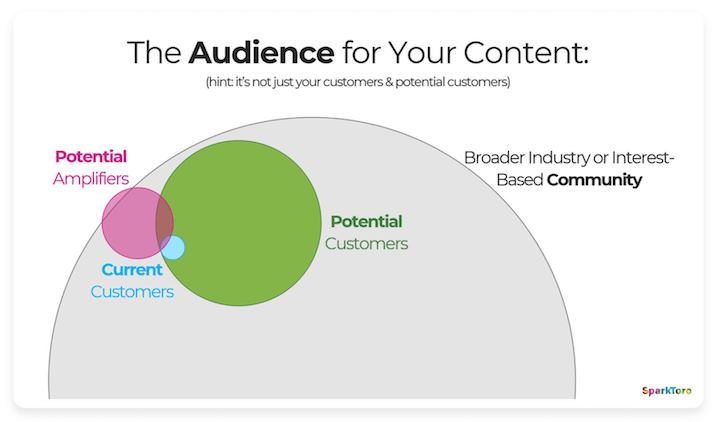
True traffic amplifiers work in synergy: SEO provides foundation, Content is the fuel, and Paid/Social/E-mail provide acceleration.
You can buy this type of direct traffic in the following ways, but each comes with significant caveats:
- Pay-per-click (PPC) Advertising: This is a legitimate form of “buying traffic.” You pay when a real user clicks your ad on Google, Facebook, etc. This is targeted, intent-driven traffic. The term is often co-opted by low-quality traffic sellers.
- Social Media Advertisement: As described below, this is a legitimate paid channel for targeted traffic. Be wary of any service that isn’t through the official ad platforms (e.g., buying “10,000 Facebook likes” which are often fake).
Cross-Platform Dominance: Promoting Your Website on Every Screen
Online advertising known as “social media advertising” allows you to pay to have your content promoted on social media sites. You may more effectively reach your target audience when you use social media advertising since you can tailor your adverts to particular demographics, interests, and even life events. The key is to create platform-specific ad creative (e.g., vertical video for TikTok/Reels, carousels for LinkedIn) that leads to a highly relevant landing page.
Using mobile-first design is another non-negotiable technique to adapt your website for different screen sizes. A web design and development philosophy known as “mobile-first design” gives your website’s mobile version priority. This implies that your website will be mobile device optimized before desktop device optimized. With over 60% of global web traffic coming from mobile, Google uses mobile-first indexing, meaning it predominantly uses the mobile version of your site for ranking and indexing. A poor mobile experience directly hurts your traffic from all sources.
Essential Technical Checklist for 2026 Traffic Growth
Core Web Vitals Passed
Ensure LCP < 2.5s, FID < 100ms, CLS < 0.1. Use Google PageSpeed Insights and fix issues.
Mobile Responsive
Test on real devices. Buttons should be tappable, text readable without zoom, no horizontal scrolling.
SSL Certificate (HTTPS)
A basic security standard. Lack of HTTPS is a direct negative ranking signal and triggers browser warnings.
Clean Site Architecture
Logical URL structure, internal linking between related content, and a clear, simple navigation menu.
Frequently Asked Questions (FAQs)
How long does it take to see results from SEO?
Initial technical fixes can show impact in 4-8 weeks. However, building authority and ranking for competitive keywords through content is a 6-18 month strategy. It’s a long-term investment with compounding returns.
What’s the single biggest mistake people make when trying to increase traffic?
Creating content for search engines instead of people. Focusing on keyword density over user satisfaction leads to thin content that might rank briefly but never engages or converts visitors, failing Google’s Helpful Content criteria.
Is it worth using AI to write content for traffic growth?
AI is a powerful assistant for research, outlining, and generating ideas. However, Google’s algorithms are increasingly adept at identifying low-value, AI-generated content. The winning strategy is to use AI as a tool to enhance human expertise, not replace it. The final output must demonstrate real experience and unique insight.
How much should I budget for paid traffic vs. organic?
A healthy mix for a growing business might be 70% focus/organic budget (content creation, SEO tools, link building) and 30% on paid (experimental ads, boosting top content). As you scale, this ratio can adjust based on the ROI of each channel.
“We stopped chasing every new traffic hack and focused 80% of our effort on building a definitive, 10,000-word guide for our core customer problem. It took 3 months, but it now brings in over 40% of our new organic traffic and has directly closed enterprise clients. Quality depth beats scattered breadth.”
Conclusion: Your Blueprint for Sustainable Traffic Dominance
If you are following the integrated, pillar-based suggestions defined in this guide—prioritizing user-centric SEO, creating comprehensive content, leveraging targeted paid amplification, and building owned audience channels—you will surely build sustainable, high-value traffic to your website. It is that systematic! The era of easy tricks is over; the era of strategic, value-driven marketing is here.
So without wasting more time, get to work! Audit your site today against the Core Web Vitals. Choose one key topic your audience cares about and plan a pillar page. Review your paid spend to ensure it’s driving conversions, not just clicks. This disciplined, multi-channel approach is how you transform your website from a static digital brochure into your business’s most powerful growth engine.
Ready to Transform Your Website Traffic?
Start with one action: Run your site through Google’s PageSpeed Insights and fix the top 3 issues. Then, commit to publishing one comprehensive, “10x” piece of content this quarter. For more deep dives into mastering Google’s algorithm, building a content machine, and advanced conversion optimization, explore the full library of data-backed guides on GetSocialGuide.com.