Lifestyle Apps That Will Improve Your Life
In today’s fast-paced world, characterized by rapid technological advancements, we have witnessed a transformative shift in how we live and seek to enhance our quality of life. Technological innovation has birthed a multitude of lifestyle applications that serve as digital gateways to improved well‑being, heightened productivity, and increased happiness. These apps not only have the potential to revolutionize our daily routines but also empower us to achieve our goals, manage our time efficiently, maintain our health, and cultivate mindfulness. Here’s a carefully curated selection of lifestyle apps, exploring their diverse functionalities and how they can significantly contribute to enhancing our daily lives and fostering a greater sense of well‑being.
⚠️ One App Will Not Fix Everything
Lifestyle apps are powerful tools, but they are not substitutes for professional medical advice, therapy, or financial planning. The most common mistake is downloading ten apps at once and abandoning them within a week. Start with one category, commit to thirty days, and only then expand your digital toolkit.
Fitness apps

One of the most fundamental aspects of a fulfilling life revolves around maintaining a healthy body. Fitness apps stand as pivotal tools in achieving this goal, offering personalized workout plans, tracking progress, and providing motivation to push our boundaries. By integrating technology into our fitness journeys, these applications have made exercise more accessible, engaging, and effective. They encompass guided exercise routines, calorie tracking, and a sense of community, fostering an environment of support and guidance vital for achieving our fitness aspirations. Thus, the role of fitness apps extends beyond mere exercise guidance—they facilitate a healthier, happier life by making exercise a seamless part of our daily routines and empowering us to reach our fitness goals.
Nike Training Club
Free, world‑class trainers, no equipment needed. Perfect for beginners and home workouts.
MyFitnessPal
Barcode scanner, restaurant logging, macro tracking. The gold standard for nutrition awareness.
Strava
Social network for runners and cyclists. Segment leaderboards and community challenges keep you accountable.
Future
1:1 personal training with real human coaches via video. Expensive, but highly effective for serious athletes.
💪 Pro Tip: The 20‑Minute Rule
If you’re new to fitness apps, choose one that offers 20‑minute full‑body workouts. Research in exercise psychology shows that shorter, consistent sessions build habits faster than ambitious 60‑minute plans you’ll abandon by week two. Apps like Nike Training Club and Fitbit Premium excel at this.
| App | Best For | Unique Feature | Price |
|---|---|---|---|
| Nike Training Club | Bodyweight & minimal equipment | Athlete‑led video instruction | Free |
| MyFitnessPal | Calorie & macro tracking | Barcode scanner + restaurant logging | Free / Premium |
| Strava | Runners & cyclists | Segment leaderboards & social feed | Freemium |
| Future | 1:1 personal training | Real human coach via video | $$$ |
Dieting apps
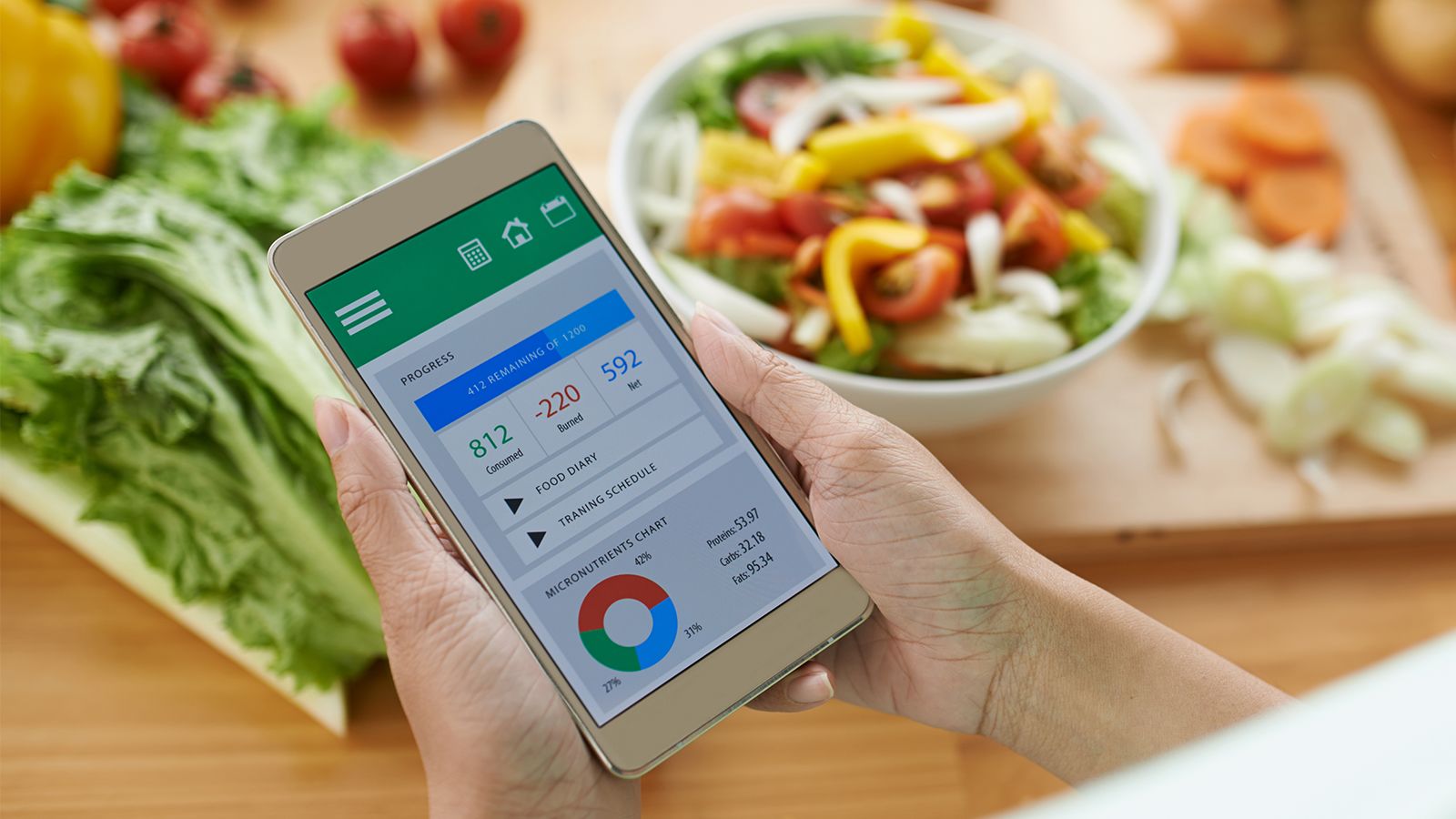
Diet and nutrition are undeniably vital components of a balanced lifestyle, and nutrition apps play a crucial role in managing our dietary habits. These apps offer an array of features, from meal planning and calorie counting to recipe recommendations and nutrition tracking. By leveraging these applications, we can make informed dietary choices, ensuring that we meet our nutritional needs and stay on the path to a healthy lifestyle. The ease and convenience these apps bring to managing our diet are invaluable, allowing us to effortlessly maintain a well‑rounded and nourishing food routine, thereby positively impacting our overall quality of life.
Beyond calorie counting: Modern diet apps have evolved far beyond simple calorie budgets. The most effective ones now emphasize habit formation—helping you recognize emotional eating triggers, suggesting healthier substitutions, and celebrating non‑scale victories. Some apps even offer registered dietitian consultations directly through the platform, bridging the gap between convenience and professional guidance.
⚠️ Privacy Check: Your Food Data Is Personal
Many free diet apps generate revenue by selling anonymized eating pattern data to advertisers and insurance companies. If you log sensitive health conditions or eating disorder tendencies, consider paying for a premium plan that explicitly guarantees zero data sharing. Read the privacy policy before you log your first meal.
of users improve dietary consistency within 30 days
more likely to hit protein goals with barcode scanning
Mental health apps
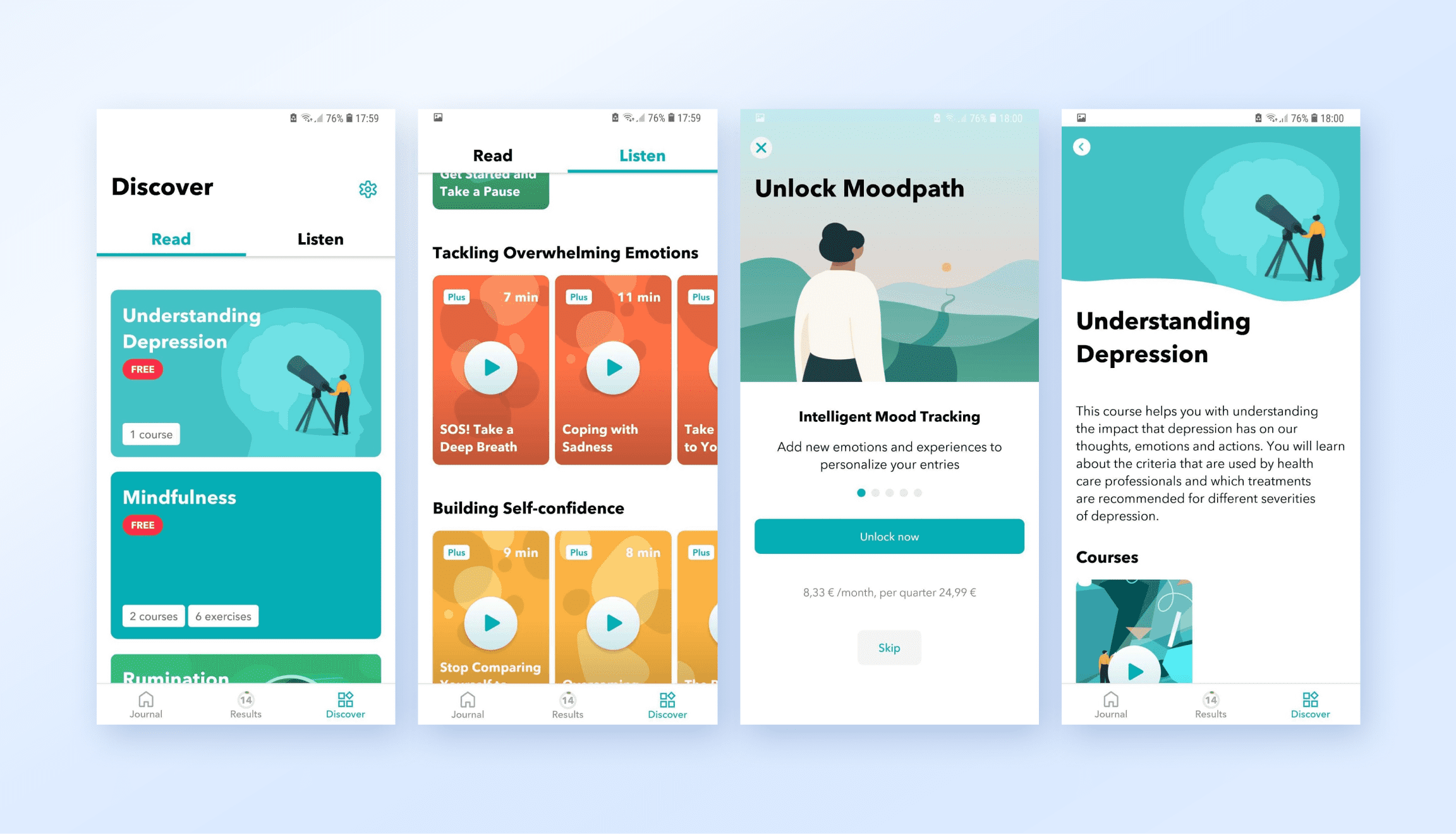
Mental health, often overshadowed, is equally crucial as physical health, and mental health apps come to the forefront in addressing this aspect of our well‑being. In our rapidly advancing and often stressful lives, maintaining a healthy mental state is essential. Mental health apps offer an array of relaxation techniques, mindfulness exercises, guided meditation sessions, and mood‑tracking features, providing a comprehensive approach to managing and improving our mental well‑being. You can also work on your mental health by spicing up your dating life, and you can do that by using dating apps like the practical My Suggar Daddy app that will help you find the right partner who shares your values and who can do wonders for your mental health.
Clinical‑grade tools at your fingertips: The landscape of mental health apps has matured. Several platforms now offer evidence‑based therapeutic interventions—CBT (cognitive behavioral therapy) modules, DBT skills training, and even peer‑support communities moderated by licensed professionals. While no app can replace a human therapist, apps like Headspace and Calm have been shown in peer‑reviewed studies to reduce stress and improve sleep when used consistently.
Headspace
Science‑backed, beginner‑friendly meditation. Great for sleep and focus.
- ✅ Hundreds of guided sessions
- ✅ Sleep casts and wind‑downs
- ✅ 10‑day beginner course
- ✅ Bite‑sized “minis” for busy schedules
Calm
Master of sleep stories and nature sounds. Celebrity‑narrated content.
- ✅ Daily Calm (10 min)
- ✅ Matthew McConaughey’s sleep stories
- ✅ Breathing exercises
- ✅ Exclusive music for focus
🧠 Pro Tip: The 5‑Minute Reset
When you feel overwhelmed, open a breathing‑guide app (such as Oak or Breethe) and follow a 5‑minute box‑breathing cycle (inhale 4s, hold 4s, exhale 4s, hold 4s). This activates your parasympathetic nervous system, lowering cortisol. It’s the most cost‑effective mental health tool you own.
Time management apps

Efficient time management is a cornerstone in maintaining a healthy work‑life balance and achieving our goals. Productivity apps stand as powerful tools in aiding us to organize tasks, set priorities, manage schedules, and increase our overall efficiency. Offering a plethora of features such as to‑do lists, reminders, time tracking, and collaboration tools, these applications help us optimize our time and streamline our daily activities. As we manage our time more effectively, we can dedicate more energy to pursuits that matter, ultimately enhancing our overall quality of life by achieving a harmonious balance between personal and professional responsibilities.
The myth of “doing more”: True productivity isn’t about cramming more tasks into a day—it’s about identifying what truly deserves your attention. The most effective time management apps now incorporate intentionality features: they ask you to tag tasks with your core values, block distracting websites, and reflect on how you spent your time. This shift from “to‑do” to “to‑be” is what separates transformative apps from digital checklists.
| App | Core Methodology | Platform | Free Tier |
|---|---|---|---|
| Todoist | GTD (Getting Things Done) | iOS, Android, Web | Yes (5 active projects) |
| Forest | Pomodoro + gamification | iOS, Android | Yes (limited trees) |
| Notion | All‑in‑one workspace | iOS, Android, Web | Yes (personal) |
| RescueTime | Automatic time tracking | Windows, Mac, Android | Yes (lite) |
Sleep apps
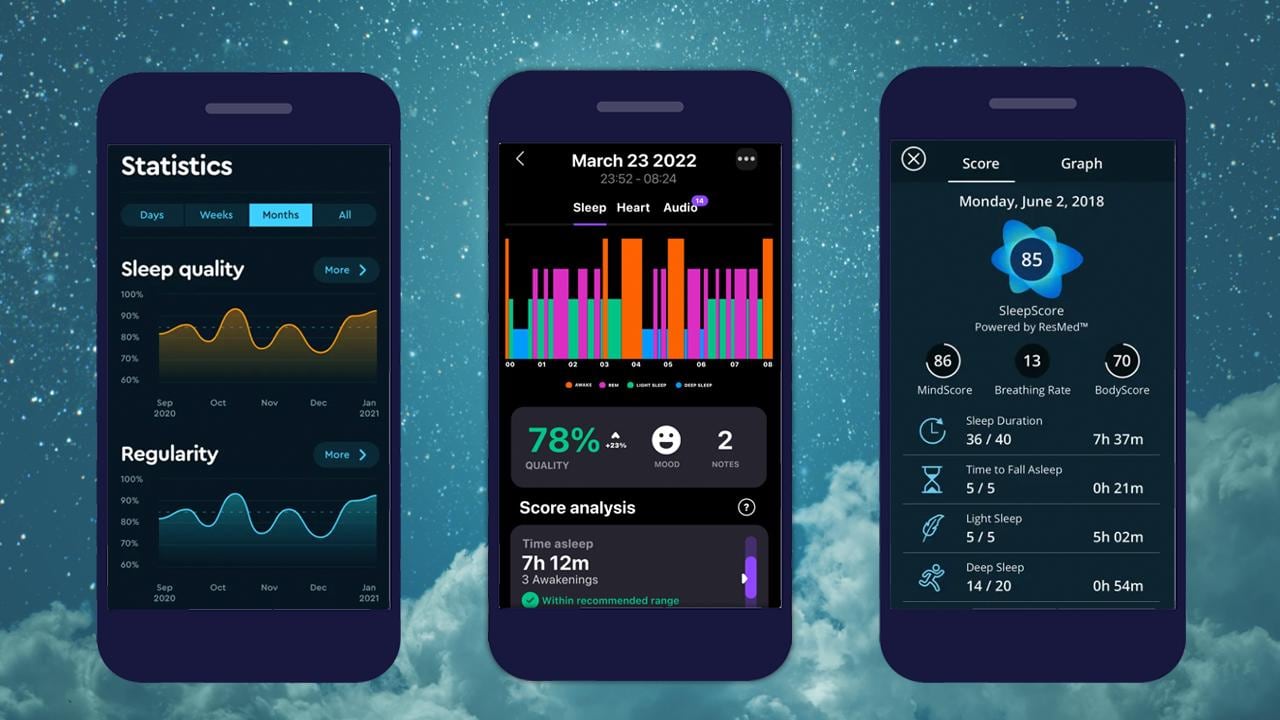
Sleep, often underestimated in its significance, is a fundamental component of our well‑being. Sleep‑tracking apps have the potential to significantly improve the quality of our rest. These applications monitor our sleep patterns, offer insights into our sleep quality, and provide recommendations for better sleep hygiene. By gaining a deeper understanding of our sleep habits, we can make necessary adjustments to ensure restful and rejuvenating sleep, ultimately contributing to our physical and mental health. Enhanced sleep quality brings about a positive transformation in our daily lives, fostering increased energy, better concentration, and overall improved well‑being.
From tracking to coaching: Basic sleep trackers tell you how long you slept; advanced ones now coach you how to sleep better. They analyze your environment (light, noise, temperature), guide you through wind‑down routines, and even integrate with smart home devices to dim lights and adjust thermostats. The goal is not just data—it’s actionable, personalized sleep hygiene.
🌙 The Orthosomnia Trap
Obsessively tracking every sleep metric can create orthosomnia—a condition where you’re so anxious about getting “perfect sleep” that it actually worsens your rest. If you find yourself stressed by your sleep score, disable the numerical ratings and use the app only for wind‑down audio. Sleep should restore you, not stress you.
Personal development apps

These apps, beside their very nice design, encompass a wide array of tools and resources and play an instrumental role in self‑improvement and growth. These apps often feature content related to motivational speeches, goal setting, habit formation, and inspirational stories. They guide us on a journey of self‑discovery, encouraging us to unlock our full potential, overcome obstacles, and cultivate a positive mindset. By utilizing personal development apps, we can become the best versions of ourselves, leading a more purposeful and gratifying life. They act as catalysts for personal growth, nurturing our ambitions and propelling us toward our goals, ultimately shaping a fulfilling and meaningful life.
Beyond vision boards: Today’s personal development apps are grounded in behavioral science. They help you break down audacious goals into tiny habits, track your consistency, and connect you with accountability partners. The most effective ones use “habit stacking”—attaching a new habit to an existing routine—to make change stick. Whether it’s daily journaling, gratitude practice, or language learning, these apps provide the scaffolding your willpower needs.
Habit tracking apps: The science of lasting change
Habitica
Gamify your habits—level up a character by sticking to your routines. Perfect for those who thrive on RPG mechanics.
Streaks
Simple, elegant, integrates with iOS Health. Maintain momentum with visual streak counters.
Done
Minimalist habit tracker with widgets and iCloud sync. No distractions, just checkmarks.
Fabulous
Science‑backed routines and journeys. Uses behavioral economics to rewire habits.
Why they work: The mere act of checking a box when you complete a habit releases a small dopamine reward. Apps like Habitica gamify this process—you level up a character by sticking to your habits. Others, like Streaks, focus on maintaining momentum; breaking a streak feels so aversive that you’re motivated to keep going. For long‑term change, this immediate feedback loop is far more effective than abstract future rewards.
📆 Pro Tip: The 2‑Minute Rule
When starting a new habit, scale it down so it takes less than two minutes. “Read for 30 minutes” becomes “read one page.” “Meditate for 15 minutes” becomes “sit in silence for one breath.” Habit trackers that let you set micro‑goals dramatically reduce the barrier to entry.
Financial wellness apps
Money stress is one of the leading contributors to anxiety and relationship strain. Financial wellness apps have evolved from simple budgeting tools to comprehensive platforms that help you save automatically, invest spare change, and even negotiate lower bills. They demystify personal finance and make it approachable—even for those who once avoided looking at their bank balance.
YNAB – Zero‑based budgeting, proven debt‑escape methodology. Free for students.
Mint – Free, automatic categorization, net worth tracking. Great for beginners.
Personal Capital – Investment tracking and retirement planning. Robust analytics.
What modern finance apps offer: The best apps now include open banking integration, giving you a real‑time, holistic view of your net worth across multiple accounts. They categorize spending with surprising accuracy and send gentle alerts when you’re about to exceed a category limit. Some, like YNAB, are built on proven budgeting philosophies (zero‑based budgeting, the envelope system) that have helped millions escape debt.
💰 Security First
Never use a financial app that asks for your bank login credentials over an insecure connection or lacks multi‑factor authentication. Stick to well‑established apps with a proven security track record and bank‑level encryption. If an app seems too new or too aggressive in pushing credit products, trust your instinct and pass.
Learning and education apps: Feed your curiosity
A truly improved life is one of continuous learning. Education apps have democratized access to world‑class knowledge; you can now learn quantum physics from a Nobel laureate or master a musical instrument through your phone. The barrier between you and a new skill has never been lower.
Micro‑learning vs. deep learning: Apps like Duolingo and Blinkist excel at micro‑learning—short, daily sessions that fit into coffee breaks. For deep, structured learning, platforms like Coursera and edX offer university‑accredited courses. The key is matching the format to your goal: use micro‑learning for maintenance and habit formation; use deep‑learning apps for career pivots or serious hobbies.
Loneliness has been called a public health epidemic, yet many of us default to passive social media consumption that leaves us feeling more isolated. A new generation of intentional social apps aims to change that. They strip away algorithms, likes, and endless scrolling, and focus instead on meaningful interaction.
Examples worth trying: Slowly reimagines pen‑palling with digital letters that take time to arrive (simulating real mail). Wednesday helps you schedule one‑on‑one catch‑ups with friends you’ve been neglecting. Discord servers built around niche hobbies can provide genuine community. The thread connecting these apps is intentionality—you use them with a clear purpose, not as a background habit.
How to choose the right lifestyle app for you
With tens of thousands of apps in each category, decision paralysis is real. Here is a simple, four‑step framework to cut through the noise:
- Identify one friction point. What is the single most frustrating part of your daily routine? (e.g., “I never know what to cook for dinner” or “I keep forgetting to take my vitamins.”) Choose an app that directly solves that specific problem.
- Prioritise privacy. Before downloading, check what data the app collects. Health and finance apps should have clear, transparent privacy policies. Avoid apps that demand access to your contacts or location without a clear reason.
- Test for 48 hours. Download two or three contenders and spend 48 hours with each. Which interface feels intuitive? Which one makes you want to open it? Trust your gut.
- Commit to one month. Delete the runners‑up and use the chosen app exclusively for 30 days. Do not add another lifestyle app during this period. After the month, evaluate: Has it reduced your friction point? If yes, keep it; if no, discard and try another.
of users abandon health apps within the first week
higher retention when using a single app for 30 days
📱 Pro Tip: The “Digital Minimalism” Audit
Once per quarter, review every app on your home screen. If you haven’t opened a lifestyle app in the last two weeks, delete it. A cluttered app drawer creates subconscious cognitive load. Your phone should serve you, not demand your attention.
Summary
In today’s digital age, lifestyle apps have emerged as indispensable companions in our pursuit of an improved quality of life. Leveraging the power of technology, we can now conveniently integrate these apps into our daily routines, empowering ourselves to live healthier, more fulfilling lives. As we continue to navigate the challenges and opportunities of the modern world, embracing lifestyle apps can be a transformative step towards a better, happier, and more balanced life!
But remember: An app is a tool, not a saviour. The most sophisticated meditation app won’t make you mindful if you never press play. The most accurate calorie counter won’t improve your nutrition if you don’t log honestly. Technology amplifies intention—it does not replace it. The common thread among people who successfully use lifestyle apps is not the apps themselves; it is their commitment to showing up, day after day, and using these digital tools as bridges to the person they want to become.