On-Page SEO in 2026: Complete Beginner’s Step-by-Step Guide
On-page SEO in 2026 is no longer just about keywords and meta tags. Search engines now analyze content quality, user experience, and even how easily AI systems can understand your pages. In this guide, you’ll learn how to optimize on-page SEO step-by-step, including keyword research, content optimization, internal linking, schema markup, and Core Web Vitals. Whether you’re a beginner or looking to refresh your skills, this comprehensive resource will help you rank higher on Google and get cited by AI agents.
Key Takeaways for 2026
- AI Visibility is Crucial: AI agents (like GPTBot and ClaudeBot) now account for roughly 33% of organic search interactions. Optimize for them with clean structure and clear answers .
- Zero-Click is the Norm: Approximately 80% of consumers now rely on zero-click results. Your content must be structured to be cited within AI-generated answers .
- E-E-A-T is Non-Negotiable: Experience, Expertise, Authoritativeness, and Trustworthiness determine which sources AI systems choose to cite .
- Internal Linking Drives Traffic: Pages with 40-44 internal links receive 4x more clicks than those with 0-4 links .
- Page Speed Matters: A 0.1 second improvement in page speed can deliver an 8.4% increase in conversion rates for retail sites .
- 68% of online experiences begin with a search engine —making SEO your most important acquisition channel .
TL;DR: On-page SEO in 2026 is about creating helpful, people-first content that is technically optimized for both traditional search engines and AI-powered experiences. This guide covers keyword research, content quality, metadata, headers, URLs, image optimization, internal linking, and technical foundations—all updated with the latest data and best practices to help beginners rank higher and get cited by AI.
What is On-Page SEO?
Have you ever noticed that your website’s position in search results can change even if you haven’t made significant updates? Well, that’s likely due to Google’s continuous adjustments in determining which websites to prioritize in search rankings. Over time, Google has introduced updates such as Panda, Penguin, Helpful Content, and Hummingbird, guiding website owners on how to enhance their sites for more links and improved content.
Despite these updates, the fundamental practices for on-page SEO have remained relatively consistent. The actions you take on your webpage, such as using appropriate language and organizing content effectively, primarily aim to enhance the overall user experience. However, some SEO professionals may not fully grasp this concept.
Google’s ultimate goal is to ensure visitors are satisfied when they land on your website. This is assessed by factors like the time users spend on your site and their engagement with your content. In 2026, this goal has expanded: you must also ensure that AI agents and large language models (LLMs) can easily understand and accurately cite your content.
In essence, on-page SEO involves optimizing your website in ways that you can control. This includes addressing technical issues, using relevant keywords strategically, and ensuring the quality of your content. By implementing these practices, your website is more likely to achieve higher rankings in search results and visibility in AI overviews.
Nevertheless, there are additional aspects to consider in on-page SEO, which we’ll explore further as we delve into the topic. Evidence shows that having high-quality pages also helps AI visibility, making this guide essential for 2026.
Let’s begin.
Keyword Research and Strategy
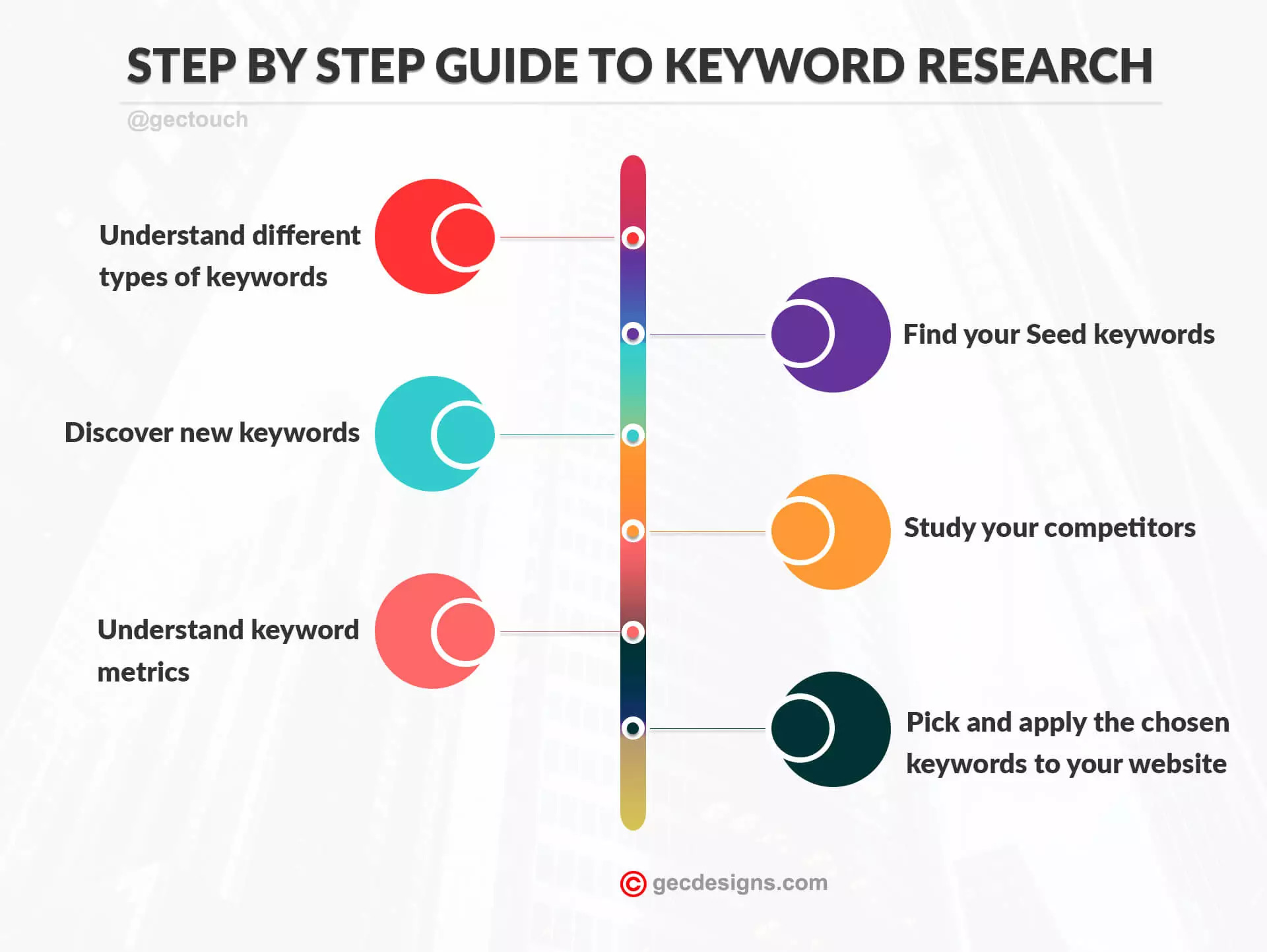
To kick off a successful on-page SEO strategy, you should begin with keyword research. This involves identifying the terms and phrases that your target audience commonly uses when searching online. Useful tools like Google Keyword Planner, Ahrefs, and SEMrush can assist in discovering impactful keywords.
Personally, I recommend using Google Keyword Planner (since it’s free) and SEMrush for their comprehensive data and user-friendly interfaces.
Let’s delve into the On-Page SEO Keyword Planner. There are four main types of keywords: informational, navigation, commercial, and transactional. Each type serves a different purpose in the realm of SEO. Let’s break them down.
1. Informational Keywords
Intent: To seek information or knowledge on a specific topic.
Examples: “How to tie a tie,” “History of the Eiffel Tower”
User Action: Users are typically in the early stages of research and may not be actively looking to make a purchase.
Content Focus: Blog posts, articles, tutorials, and educational content.
Intent: To navigate to a specific website or webpage.
Examples: “Facebook login,” “CNN website”
User Action: Users have a specific destination in mind and are seeking a direct path to it.
Content Focus: Brand or website homepage, specific product pages.
3. Commercial Keywords
Intent: To gather information with the intent to make a purchase in the future.
Examples: “Best DSLR cameras,” “Top running shoes reviews”
User Action: Users are in the consideration phase, comparing products or services before making a decision.
Content Focus: Product reviews, comparison guides, buying guides.
4. Transactional Keywords
Intent: To complete a transaction or make an immediate purchase.
Examples: “Buy Nike Air Max online,” “Subscribe to Netflix”
User Action: Users are ready to buy or convert.
Content Focus: Product pages, checkout pages, sign-up forms.
Why is Keyword Research Important?
Keyword research is a crucial aspect because it allows us to understand what people are searching for on the internet. By identifying the right keywords, we can ensure that our website appears in search results when individuals seek information or products related to our offerings.
Think of it as deciphering the language your customers use. This understanding enhances our website’s visibility on search engines, attracts the appropriate audience, and ensures that our content aligns with what people are actively searching for.
In essence, keyword research serves as a roadmap for creating content that resonates with user interests, playing a pivotal role in the success of our website. As demonstrated in a study by Ahrefs, a notable finding reveals that 90% of pages don’t receive organic search traffic from Google. This underscores the importance of strategic keyword research in optimizing website performance and visibility.
Ensuring a search demand for any topic you plan to write about becomes possible through conducting keyword research. This process allows you to identify the specific terms people are actively searching for. By ranking well in Google for your target keyword, you can then enjoy a consistent flow of highly targeted traffic to your website.
Important Concepts in Keyword Research
Focus Keyword
The focus keyword or keyphrase is the term you aim for a specific page on your website to be discovered for on Google. This is determined through keyword research and is instrumental in optimizing a page for search engine visibility.
Long-Tail Keywords
Long-tail keywords are more specific and niche compared to broader head keywords. These are longer and more detailed search terms that often face less competition, making it easier to rank for them. Despite potentially lower search volumes, users searching for long-tail keywords are often more motivated to take action, such as making a purchase.
Search Intent
Understanding search intent is crucial as it goes beyond keywords to uncover what users truly want or need. This involves identifying the underlying goals of a searcher, whether it’s seeking information, making a purchase, or subscribing. Crafting content that directly addresses the searcher’s needs is essential, aligning with the concept of content design. In 2026, matching search intent is even more critical as AI systems prioritize content that most directly and clearly answers the user’s query.
Content Quality and Relevance
The content on your website plays a crucial role in capturing and engaging your intended audience. To secure higher rankings on search engines, it’s vital to offer informative, pertinent, and captivating content that brings value to your readers. This encompasses written content, images, videos, and audio elements. Written content, including blog posts, articles, case studies, whitepapers, and more, holds particular significance.
The objective is to create content that not only resonates with your audience but is also favored by search engines like Google. Search engines strive to deliver results that are not only valuable but also directly relevant to users’ queries. This is where the concept of Search Engine Optimization (SEO) content comes into play.
SEO content is strategically crafted with search engines in mind, making it easily understandable and, consequently, eligible for higher rankings in search results. The ultimate goal of SEO content is to produce material that Google deems worthy of appearing on the first page of the search engine results page (SERP).
By achieving this, businesses can significantly enhance their visibility, draw in more organic traffic, and effectively connect with their target audience. Therefore, investing in high-quality, SEO-friendly content stands as a pivotal strategy for achieving success online.
🤖 Pro Tip: Assess Your Content’s Helpfulness
Before looking at any of the more complex aspects of on-page SEO, ask yourself these questions to judge if your content is likely to meet Google’s expectations on helpfulness:
- Originality and Value: Does your content provide original insights, research, or substantial additional value beyond existing sources?
- Expertise and Accuracy: Is your content written or reviewed by a knowledgeable expert, with clear factual accuracy and sourcing?
- Quality: Is your content well-written, free of errors, and produced with care rather than mass-produced or automated?
- User Experience: Would the reader want to bookmark, share, or recommend this content to others?
- Relevance: Is your content aligned with the site’s audience and purpose, rather than created mainly for search rankings?
Why is Content Important?
Content holds immense importance for SEO as it significantly influences how search engines evaluate and rank websites. Search engines, like Google, employ algorithms to crawl websites and scrutinize their content. These algorithms consider factors such as keywords, relevance, and user experience to determine a website’s position on the search results page.
Here’s why content is pivotal for SEO:
Relevance and Authority: High-quality content signals relevance and authority to search engines. It indicates that the website provides valuable information related to user queries.
Search Engine Ranking: Quality content enhances a website’s likelihood of ranking higher on search engine results pages (SERPs). Well-optimized content, incorporating relevant keywords, contributes to improved visibility.
User Engagement: Quality content engages users and encourages them to spend more time on the website. Engaged users are more likely to explore different pages, reducing bounce rates.
Return Visitors: Valuable content brings users back to the website. Regularly updated and informative content fosters a loyal audience.
Various Content Types: Blog posts, videos, and visually appealing infographics all contribute to enhanced user experience and increased time on site.
Quality content benefits both search engines and users. For search engines, it signals relevance and authority, leading to higher rankings. For users, it provides valuable information, an engaging experience, and a reason to return. Through consistently creating relevant, informative, and engaging content, businesses can enhance their SEO, attract organic traffic, and establish a robust online presence.
Title Tags and Meta Descriptions are critical elements of HTML code situated in the header of a web page. They play a vital role in assisting search engines in comprehending the content of a page, and whenever a page appears in search engine results, its Title Tag and Meta Description are typically displayed.
Here’s why Title Tags and Meta Descriptions are essential for SEO:
Communication to Search Engines: Title Tags and Meta Descriptions convey the essence of a webpage to search engines. They offer a succinct summary of the page’s content, aiding search engines in understanding its relevance to user queries.
Visibility in Search Results: Well-crafted Title Tags and Meta Descriptions contribute to a page’s visibility in search results when users perform a search. They act as the snippet of information users see on the results page, influencing their decision to click on a particular link.
Keywords in Title and Meta: It’s crucial to include keywords in title and meta descriptions; if the keywords are present at the start, they tend to perform better than those that don’t. According to Ahrefs, Google rewrites title tags 33.4% of the time, and titles exceeding 60 characters are 57% more likely to be rewritten.
Things to Keep in Mind While Writing Title and Meta
When composing Title Tags:
- Ensure relevance to the specific page content.
- Place key keywords near the front for visibility.
- Write naturally, avoiding keyword stuffing.
- Avoid duplication; each page needs a unique title.
- Optionally include your brand name at the end.
- Keep it between 50-60 characters for optimal display.
- Craft a compelling title to entice clicks.
When writing Meta Descriptions:
- Create unique descriptions for every page.
- Use keywords for accurate content representation.
- Inspire curiosity without revealing too much.
- Include a clear Call to Action (CTA).
- Keep it concise, between 155-160 characters.
- Highlight Unique Selling Points (USPs).
- Optimize for user engagement.
- Consider mobile users.
- A/B test for optimization.
- Regularly review and update.
Remember, effective Title Tags and Meta Descriptions not only contribute to search engine optimization but also serve as an essential tool for enticing users to click on your pages. Striking the right balance between clarity, relevance, and engagement is key to maximizing their impact on search engine results pages.
Header tags, indicated in HTML as <h1> to <h6>, guide browsers in styling text on a webpage. They follow a hierarchical structure where <h1> represents the most crucial text, followed by subsequent tags used for subheadings and further organization.
Header tags replicate the structure of headings in traditional print content. H1 tags emphasize the main theme, while H2 and H3 serve as subheadings. H4 to H6 tags provide additional structure within subsections.
These tags offer benefits for both users and search engines. Users gain a preview of the content’s structure, while search engines like Google obtain context and hierarchy for understanding the page. Consider header tags as chapter titles in a book – a quick scan provides a clear overview of the content.
Their significance for SEO lies in assisting Google’s comprehension of your content and enhancing user-friendliness by improving readability and accessibility. Utilizing appropriate header tags contributes to a well-organized and SEO-friendly webpage.
2026 Update on Headers: While headers are crucial for structure and user experience, controlled experiments have shown that “headings don’t have a big impact on rankings” as a direct signal. Google’s John Mueller has confirmed: “You can use H1 tags as often as you want on a page. There’s no limit. Your site is going to rank perfectly fine with no H1 tags or with five H1 tags.” However, headers still matter for:
- User experience and readability
- Helping Google understand your content structure (semantic relevance)
- Creating jump links and featured snippet opportunities
- Accessibility for screen readers
URL Structure
A Uniform Resource Locator (URL), commonly referred to as a web address or link, is what we input into a browser to access a specific webpage.
When individuals click on links, they are essentially navigating directly to your website. The appearance of your page URL is not merely a technical detail; it holds significance.
Here are some reasons why a good URL structure matters for SEO:
- User Experience and Page Ranking: People tend to remember and type in names that are shorter or easy to recall. An effective URL should incorporate a targeted keyword, aiding search engines in comprehending the content of the page.
In summary, a well-structured URL not only contributes to a positive user experience but also plays a role in optimizing your page for search engines, helping them understand the content’s relevance to specific keywords.
SEO Best Practices for URLs:
- Optimal Structure: Establish a simple, logical, and easy-to-remember URL structure that conveys meaning. Ensure intuitiveness for both users and search engines. Use descriptive URLs that provide users with proper information and context. For example:
https://www.example.com/electronics/wireless-earphonesis descriptive;https://www.example.com/electronics/?p=98765is not. - HTTPS Protocol: Utilize HTTPS for a secure connection, instilling trust in users and complying with Google’s ranking signals.
- Exclude “www” Prefix: Hide the “www” prefix for a cleaner and more modern appearance. Reroute the www version to the plain domain.
- Relevant Page URLs: Customize page URLs to be descriptive and relevant to the content. Improve user experience and increase click-through rates.
- Keep it Concise: Shorten URLs for simplicity and higher ranking potential. Use the page or post title as a default but consider brevity.
- Meaningful Keywords: Include 1-2 relevant keywords in the URL for clarity. Avoid keyword stuffing and align with the page’s title.
- Hyphens for Separation: Use hyphens to separate words in URLs for readability. Avoid spaces and underscores.
Image Optimization for On-Page SEO
Images are a critical component of on-page SEO, impacting both user experience and page speed. Optimizing your images ensures faster loading times, better accessibility, and improved visibility in image search results.
Best Practices for Image SEO:
- Use Descriptive File Names: Instead of “IMG_4927.jpg,” use “blue-running-shoes-side-view.jpg.” This helps search engines understand the image content.
- Write Compelling Alt Text: Alt text describes images to search engines and visually impaired users. Include relevant keywords naturally, but prioritize accurate description. Example: “blue running shoes on white background with side view.”
- Choose Modern Formats: Use WebP format instead of JPEG or PNG. WebP images are 30% smaller, significantly improving page load times. Tools like TinyPNG can convert images to WebP.
- Compress Images: Aim for file sizes under 100KB for standard images. Use compression tools like ShortPixel or ImageOptim to reduce file size without sacrificing quality.
- Implement Lazy Loading: Lazy loading ensures images below the fold load only when users scroll to them. This improves initial page speed and Core Web Vitals scores.
- Add Image Sitemaps: Include images in your XML sitemap to help search engines discover and index them.
While a SearchPilot A/B test found no detectable impact on regular organic traffic from adding keyword-rich alt text, it remains essential for accessibility and Google Image Search rankings. Always prioritize user experience and accurate descriptions over keyword stuffing.
Internal Linking Strategy for SEO
Internal links are one of the most powerful (and free) ranking tools you have. A study by Cyrus Shepard of 23 million internal links across 1,800 websites found a clear relationship between internal links and organic traffic:
- Pages with 0-4 internal links averaged 2 clicks from Google.
- Pages with 40-44 internal links averaged 8 clicks from Google.
That’s a 4x improvement simply by adding more internal links to your pages. Even more interesting: pages with at least one exact match anchor text received 5x more traffic than those without.
For new sites, aim for at least 3-5 highly relevant internal links per post initially. As your content library grows, build up to 40-50 internal links per important page. Use descriptive anchor text that naturally includes your target keywords.
Internal Linking Best Practices:
- Build Topical Clusters: Create pillar pages (comprehensive guides) and link to related cluster content (specific subtopics). This signals topical authority to search engines.
- Use Descriptive Anchor Text: Avoid generic phrases like “click here.” Use keyword-rich text that tells users and search engines what the linked page is about.
- Manage Crawl Depth: Ensure important pages are never more than 2-3 clicks from your homepage. This distributes link equity effectively.
- Link to Your Best Content: Prioritize linking to cornerstone content—your most valuable pages—to boost their authority.
Essential On-Page SEO Techniques for 2026
Beyond the fundamentals, here are five evidence-based techniques that can significantly boost your on-page SEO performance in 2026.
1. Build a Strong Internal Linking Structure
As detailed above, internal linking is one of the highest-impact on-page SEO activities. Start with 3-5 links per post and scale to 40-50 for your most important pages.
Many business owners worry that external links “leak” authority or send visitors away. The data tells a different story. A controlled experiment by Reboot Online created 10 identical websites about a made-up compound. Five sites included external links to authoritative sources (like Oxford University); five had no external links. After five months, 100% of sites with outgoing links ranked higher than those without them.
What to do: Add 2-3 relevant external links per page to high-quality, authoritative sources. Think industry bodies, research institutions, or well-regarded publications.
3. Improve Your Page Speed and Core Web Vitals
The Deloitte and Google study analyzed 30.5 million user sessions and found that a 0.1 second speed improvement delivered:
- 8.4% increase in conversion rate (retail sites)
- 9.2% increase in average order value
- 10.1% conversion increase for travel sites
Run your site through Google PageSpeed Insights and focus on these three metrics:
- LCP (Largest Contentful Paint): Under 2.5 seconds
- INP (Interaction to Next Paint): Under 200 milliseconds (replaced FID in March 2024)
- CLS (Cumulative Layout Shift): Under 0.1
4. Implement Schema Markup for Better CTR
Schema markup won’t directly improve your rankings (Google’s John Mueller confirmed this in April 2025), but the click-through rate benefits are substantial. Milestone Research’s study of 4.5 million queries found rich results achieve 58% CTR compared to 41% for standard results. FAQ schema performs even better, achieving 87% CTR.
What to do: Start with FAQ schema on your most important informational pages. Use Google’s Structured Data Testing Tool to validate your markup.
5. Keep Your Content Fresh with Regular Updates
Google’s Query Deserves Freshness algorithm rewards updated content. HubSpot discovered that when they systematically updated historical content:
- Organic search views increased by 106% per optimized post
- Monthly leads from optimized posts doubled
- One post saw a 240% increase in conversion rate
Siege Media’s analysis found the average top-ranking page was last updated within 2 years. Their recommendation: refresh important content every 9 to 12 months.
What to do: Audit your existing content quarterly. Update statistics, refresh examples, and add new information where relevant. Don’t just change the date without making meaningful improvements.
AI SEO and Answer Engine Optimization (AEO)
In 2026, you must also optimize for AI visibility. AI Overviews now appear in a substantial portion of Google searches, and when they do, organic click-through rates can drop as much as 61%. To adapt:
- Structure for answers: Answer the user’s main question clearly in the first sentence of each section.
- Use clean formatting: Bullet points, tables, and clear headings make it easier for AI systems to cite your content.
- Implement AI-ready protocols: Consider using
llms.txtfiles to guide AI crawlers. A basicllms.txtfile looks like this:
# llms.txt - https://yoursite.com/llms.txt
> This file helps AI crawlers understand your site structure.

# Core Pages
- [Homepage](https://yoursite.com/): Overview of our services
- [About Us](https://yoursite.com/about/): Company background and expertise
- [SEO Guide](https://yoursite.com/seo-guide/): Complete on-page SEO resource

# Key Topics
- [Keyword Research](https://yoursite.com/keyword-research/): How to find the right keywords
- [Content Optimization](https://yoursite.com/content-optimization/): Creating content that ranks
- [Technical SEO](https://yoursite.com/technical-seo/): Site structure and performance- Focus on E-E-A-T: Demonstrate first-hand experience and expertise through original data, expert commentary, and detailed case studies. AI systems prioritize content from trusted sources.
- Optimize for featured snippets: Use question-based headings (H2: “What is X?”) and provide concise answers immediately after. This increases your chances of appearing in position zero.
On-Page SEO Checklist Summary for 2026
| Element | Best Practice | Impact Level |
|---|---|---|
| Internal Links | Aim for 40-44 links per page; use descriptive anchor text | High (4x more clicks) |
| External Links | Add 2-3 links to authoritative sources | Medium (100% of linked sites outranked non-linked) |
| Title Tags | Keep under 60 characters; include primary keyword near front | Medium (33.4% rewritten by Google) |
| Content Depth | Focus on comprehensiveness, not arbitrary word counts | Medium (77.2% more backlinks for 3,000+ words) |
| Page Speed | LCP under 2.5s, INP under 200ms, CLS under 0.1 | High (8.4% conversion lift per 0.1s) |
| Schema Markup | Implement FAQ schema for informational pages | High (58% CTR with rich results) |
| Content Freshness | Update important content every 9-12 months | High (106% traffic increase) |
| Image Optimization | WebP format, lazy loading, descriptive alt text | Medium (improves Core Web Vitals) |
| AI/AEO Optimization | Clear answers, structured formatting, llms.txt | High (essential for AI visibility) |
Conclusion
Navigating the intricate landscape of On-Page SEO in 2026 requires a strategic blend of technical expertise, content finesse, and adaptability to ever-evolving algorithms—including the rise of AI-powered search experiences. As search engines continue to prioritize user experience and content quality, the importance of fine-tuning your On-Page SEO strategies cannot be overstated. This comprehensive guide serves as your compass, providing insights into the intricate dance between keywords, content, and technical optimizations.
Remember, SEO success is not a one-time endeavor but a continuous journey. Regularly audit your site, stay attuned to emerging trends, and refine your strategies. The digital terrain is dynamic, and the websites that thrive are those that evolve alongside it.
📚 Keep Reading
FAQs On-Page SEO
A: Updating your content regularly is beneficial for SEO. Aim for periodic reviews and updates every 9-12 months, especially for pages that target high-impact keywords. HubSpot found that updating historical content increased organic search views by 106% per optimized post. This not only signals freshness to search engines but also ensures your content remains relevant and valuable to your audience and AI systems.
A: Yes, backlinks play a crucial role in SEO, but they are part of off-page SEO, not on-page. While this guide focuses on on-page SEO, having quality external links pointing to your content enhances its credibility. Aim for natural, relevant backlinks from authoritative sources. A controlled experiment showed that 100% of sites with outgoing links to authoritative sources ranked higher than those without.
A: Monitoring Core Web Vitals is integral to ensuring a positive user experience. Use tools like Google Search Console to access Core Web Vitals reports, which use real-user data. You can also use Google PageSpeed Insights, Lighthouse, or GTmetrix for detailed diagnostics. Prioritize improving LCP (under 2.5s), INP (under 200ms), and CLS (under 0.1).
A: Image optimization is crucial for page speed. Ensure images are appropriately compressed to minimize file size (aim for under 100KB). Use modern formats like WebP, which are 30% smaller than JPEG. Implement lazy loading for images below the fold. While alt text is confirmed as a ranking factor for Google Image Search, a SearchPilot A/B test found no detectable impact on regular organic traffic from adding keyword-rich alt text—but it remains essential for accessibility. Use descriptive file names and include relevant alt text.
A: Mobile responsiveness is paramount for on-page SEO. With the majority of users accessing the internet via mobile devices, search engines prioritize mobile-friendly websites. Google uses mobile-first indexing, meaning it predominantly crawls and indexes based on the mobile version of your site, not the desktop one. Ensure your site is responsive, provides a seamless experience across screen sizes, and passes Google’s mobile usability tests.
A: Yes, incorporating long-tail keywords is highly advisable for on-page SEO. Long-tail keywords are more specific and can attract a targeted audience with higher purchase intent. They often face less competition, making it easier to rank for them. Integrate relevant long-tail keywords naturally into your content, aligning with user intent and improving your chances of visibility in both search results and AI overviews.
A: AI agents (like GPTBot and ClaudeBot) now account for roughly 33% of organic search interactions. To optimize for AI visibility, structure your content to answer questions clearly in the first sentence of each section. Use clean formatting (bullet points, tables) that AI systems can easily parse. Implement technical SEO best practices to ensure crawlers can access your content, and focus on demonstrating E-E-A-T (Experience, Expertise, Authoritativeness, Trustworthiness) as AI systems prioritize content from trusted sources.
A: For new sites, aim for at least 3-5 highly relevant internal links per post initially. As your content library grows, scale up to 40-50 links for your most important pages. Research shows pages with 40-44 internal links receive 4x more clicks than those with 0-4 links.