Social media went from an online novelty to a highly lucrative marketing device. Because social media is so immersive, it is a great way to engage and interact with your target demographic online. You can take many different approaches with your social media campaign to develop a strategy that brings actionable results. You can try some of the methods mentioned below and click here: https://www.printful.com/drop-shipping to learn more about E-commerce business models.
- Brand awareness remains #1 – 93% of e‑commerce marketers say social media is essential for discovery (HubSpot, 2026).
- Community management drives loyalty – brands with active communities see 70% higher customer lifetime value.
- AI‑powered advertising (Meta Advantage+, TikTok Smart+) delivers 5–10x ROAS for e‑commerce stores.
- Social commerce is exploding – in‑app checkout on TikTok Shop, Instagram Shop, and Facebook Shops generated over $1.5 trillion globally in 2025.
- Data‑driven decisions are automated – predictive analytics now recommend optimal posting times and content types.
- Social customer service is mandatory – 85% of consumers expect a response within 2 hours on social media.
Brand Awareness (2026)

You may have great products and incomparable services, but no one would know if they never heard about your business. The most paramount aspect of social media for e-commerce businesses is that it provides brand awareness. This not only comes from posting and advertising but also from your company’s online persona. This means you must utilize various tools like social media ads, influencer collaborations, and short‑form video (Reels, TikTok, YouTube Shorts) to help build your brand awareness across platforms.
You can shape how your potential customers view you by having a voice and character based on your business’s type of content. You can have a voice of authority in your industry, be inspirational and motivational, or even have a comedic and entertaining approach. In 2026, authenticity and transparency are the most effective brand‑building tactics – 87% of consumers say they trust a brand more when founders or employees appear in organic social content (Sprout Social).
Community Management (2026)
As you build your online brand and create a following surrounding your product line, your popularity amasses these followers, and it will become an online community. Creating a culture or community around your brand helps make loyal customers who continue to purchase from you and pay attention to all of your announcements. In 2026, successful e‑commerce brands use private Facebook Groups, Discord servers, and Telegram channels to foster deeper connections.
You can do this by sending strategic notifications to your audience. However, you must know how to approach this aspect to ensure you don’t bombard your audience with information. Hence, one way you can establish a strong online community is by utilizing resources like LeadSync. They can help you communicate with your audience more efficiently.
This can also make it easier for your product to spread word-of-mouth because the virtual community respects your brand and shares it with friends and loved ones. You can also engage your community in a meaningful way, creating hype around your products and anticipation. Every time you launch a new product, the community can be receptive to it, making it easier to make sales whenever product lines are released. In 2026, “community‑led growth” is a recognized acquisition channel – brands with active communities see 3.5x higher referral rates (Gartner).
Advertising (2026)
Social media makes advertising easier in many ways. While it may be hard to stand out in all the noise of virtual advertising, social media can help you directly engage customers interested in the niche of products you have to offer. You can take advantage of various social media features to attract the attention of users who are more likely to become your customers.
In 2026, AI‑powered ad platforms (Meta Advantage+, TikTok Smart+) automate targeting, bidding, and creative optimization. Hashtags are still useful, but the most effective approach is using dynamic product ads (DPAs) that automatically show relevant products to users who have visited your website. Also, influencer marketing has become integral – nano‑influencers (1k‑10k followers) often drive the highest engagement for e‑commerce stores, with an average engagement rate of 7.2% (Influencer Marketing Hub).
Additionally, you can encourage your patrons to use the same keywords when posting something related to your business, as it would boost your online visibility. You can conduct special promotions or online events to provide incentives to those who participate. Overall, social media advertising has become more sophisticated, and many platforms feature advanced forms of targeting based upon the demographic and online shopping habits of platform users.
🔥 Pro Tip: Use UGC in Your Ads (2026)
User‑generated content (UGC) ads outperform brand‑produced ads by up to 55% in click‑through rates. Encourage customers to post reviews, unboxings, and styling videos with a branded hashtag, then run those as video ads with proper permission. Platforms like Pixlee, Bazaarvoice, and TINT make it easy to curate and license UGC.
Marketing Funnels (2026)
Your marketing campaign strategy can incorporate social media to help you source potential customers. If you have no way to reach people online, start with social media to funnel people to a landing page, email list, website, or one-click purchases. Not all marketing funnels begin with social media, but it is a straightforward way to reach out to anyone in the world to inform them about your company.
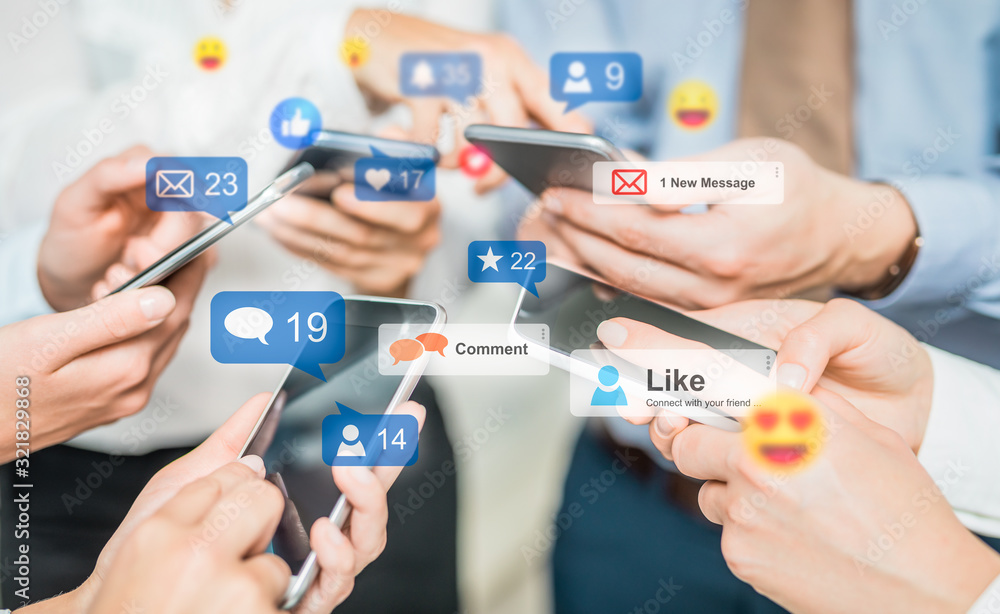
In 2026, the most effective funnels use “social media as the top‑of‑funnel” with engaging short‑form content, then retarget engaged users with email or SMS sequences via platforms like Klaviyo or Omnisend. Also, social commerce (in‑app checkout) has shortened funnels dramatically – customers can buy directly from a TikTok or Instagram post without ever leaving the app. This reduces friction and increases conversion rates by up to 30% (Shopify).
Additionally, if you’re struggling to increase your ranking in online search results, directing your audience to your online resources through social media may help. You can supplement your blogs with social media around critical events, such as new product designs, discounts and coupons, and limited‑edition items. Getting the word out and attracting people to convert to purchases, clicks, or sign-ups is the main focus of social media.
Analytics-Driven Decision Making (2026)
Because all social media interactions can be quantified as data, you can track how successful your social media posts are. It’s essential you track your performance to see which aspects attract users and which ones need improvement. This way, you can base your marketing campaigns on data and tweak your strategy as time goes on. Over time, you will understand the trends and how to better market your products based on the analysis of your social media post interactions.
In 2026, native platform analytics (Meta Business Suite, TikTok Analytics) are augmented by third‑party tools like Sprout Social, Hootsuite Analytics, Buffer, and HubSpot. AI‑powered insights now predict optimal posting times, recommend content topics, and even automatically adjust ad spend based on performance. For e‑commerce stores, tracking metrics like “Add‑to‑Cart from Social” and “Social‑Driven Revenue” (not just likes) is critical.
It would be helpful to analyze your data regularly as they may fluctuate depending on online trends. For instance, monitoring your progress monthly is a great method to keep up with your competitors. In 2026, consider setting up a weekly “social insights” review to stay agile.
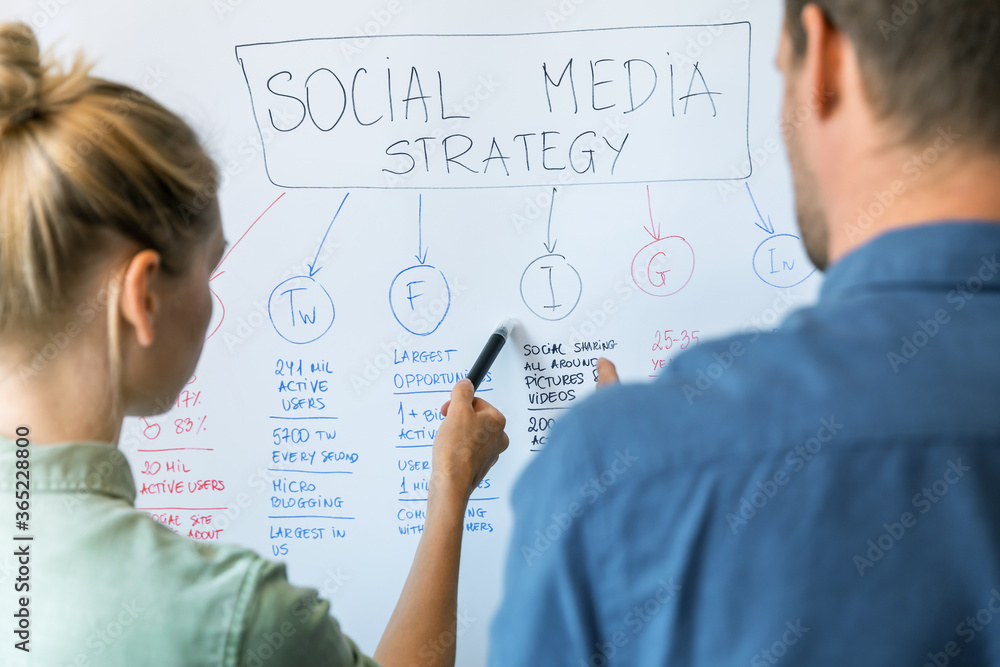
Because social media provides direct contact between you, your followers, and potential customers, it removes all mystery. You can get incredible feedback directly from followers, helping to guide your brand in the right direction. Potential customers may ask questions about your company to find out more information. You can inform them about all aspects of your brand by responding directly to them on social media.
In 2026, consumers expect a response within 1‑2 hours on social platforms. Brands are using AI‑powered chatbots (e.g., ManyChat, ChatGPT‑powered bots, Zendesk Answer Bot) to handle common questions (shipping, returns, sizing) instantly, while escalating complex issues to human agents. The response rate and speed are now visible on many platforms – a low response rate can hurt your brand perception and even affect algorithm reach.
This method may be easier than responding to queries privately. As others read these posts, they will see that your company cares and takes the time to answer all the questions. This can make your company appear knowledgeable and well-informed and show that you cater to customers’ needs. Strong customer service makes your organization look more reliable, making you stand out from the competition and setting you apart from business scams.
⚠️ Warning: Don’t Ignore Negative Comments (2026)
Ignoring negative social media comments can escalate into viral PR crises. Always respond professionally and offer to resolve issues via private message. A transparent, helpful response can turn a critic into a loyal fan. According to Sprout Social, 74% of consumers say they will share a positive customer service experience on social media – but 58% will post about a negative one. Monitor your brand mentions daily.
When you get started with social media, there are a lot of aspects to consider. For example, multi-media helps your content be more engaging, such as videos, images, blogs, and other mixed media. Social media and dropshipping also go hand in hand, as all your listings on your e-commerce store can be posted as content to interested followers. You can learn more about how social media improves dropshipping, and click here.
In 2026, social media has evolved from a simple marketing channel to an integral part of e‑commerce operations. The key benefits – brand awareness, community management, advertising, marketing funnels, analytics, and customer service – are more powerful than ever. Brands that invest in authentic storytelling, leverage AI for targeting and analytics, and provide responsive customer service on social platforms see higher conversion rates and customer loyalty. Social commerce (buying directly in apps) has become a $1.5 trillion ecosystem. To succeed, e‑commerce stores must integrate social media into their entire customer journey, from discovery to post‑purchase support.
FAQ