

What is Web Marketing? The Strategic Guide for Explosive Business Growth
In 2025, web marketing is no longer an optional business activity—it’s the fundamental circulatory system of every successful brand. With jam-packed schedules, small business owners and entrepreneurs cannot afford to waste resources on initiatives that offer minimal or unpredictable return on investment (ROI). The singular, non-negotiable goal remains: discover and consistently attract a high volume of qualified buyers. This is the lifeline that keeps your business growing and thriving in a saturated digital world. The critical question is: how do you build this system efficiently and at scale? The unequivocal answer is a modern, holistic web marketing strategy.
This isn’t about randomly posting on social media or buying ads. It’s about constructing a predictable, measurable growth engine. If you’ve previously dipped your toe into online marketing with mixed results, or avoided it due to perceived complexity, this guide is your blueprint. We will demystify what web marketing truly means in the age of AI and automation, reveal the data-backed strategies that work in 2024-2025, and provide a step-by-step framework to implement them. The potential outcome? Transforming your business revenue by systematically converting online attention into loyal customers.
Intent-Based Targeting
Reach customers based on their demonstrated interests and search behaviors, not assumptions.
AI & Automation
Leverage smart tools for content, ads, and analytics to work smarter, not just harder.
Full-Funnel Analytics
Track a prospect’s entire journey from first click to final sale with precision.
Integrated Systems
Connect your website, CRM, and ad platforms to create a seamless customer experience.
What is Web Marketing? Redefined for the Modern Business Era
Web marketing, often used interchangeably with digital marketing, is the strategic practice of promoting a business, its products, and its services using internet-based channels. Think of it as the digital equivalent of the town square, trade show, and sales call combined—but with global reach and real-time data.
Its primary power lies in its dual nature: it is both outbound (you reach out via ads, emails) and inbound (customers find you via search, content). Unlike traditional marketing, which broadcasts a message and hopes it sticks, web marketing creates a two-way conversation. It allows your business to be present at the exact moment a potential customer is seeking a solution—whether they’re searching on Google, asking for recommendations in a Facebook group, or watching a tutorial on YouTube.
The landscape in 2025 includes everything from foundational search engine optimization (SEO) and social media engagement to advanced conversational AI chatbots and predictive audience modeling. Drilling down, it encompasses:
- Owned Media: Your website, blog, email list, and social profiles.
- Earned Media: Online reviews, shares, mentions, and SEO rankings.
- Paid Media: Search ads, social media ads, and display advertising.
The ultimate goal is to build a cohesive ecosystem where these elements work together to guide a stranger toward becoming a paying customer and, ultimately, a brand advocate.
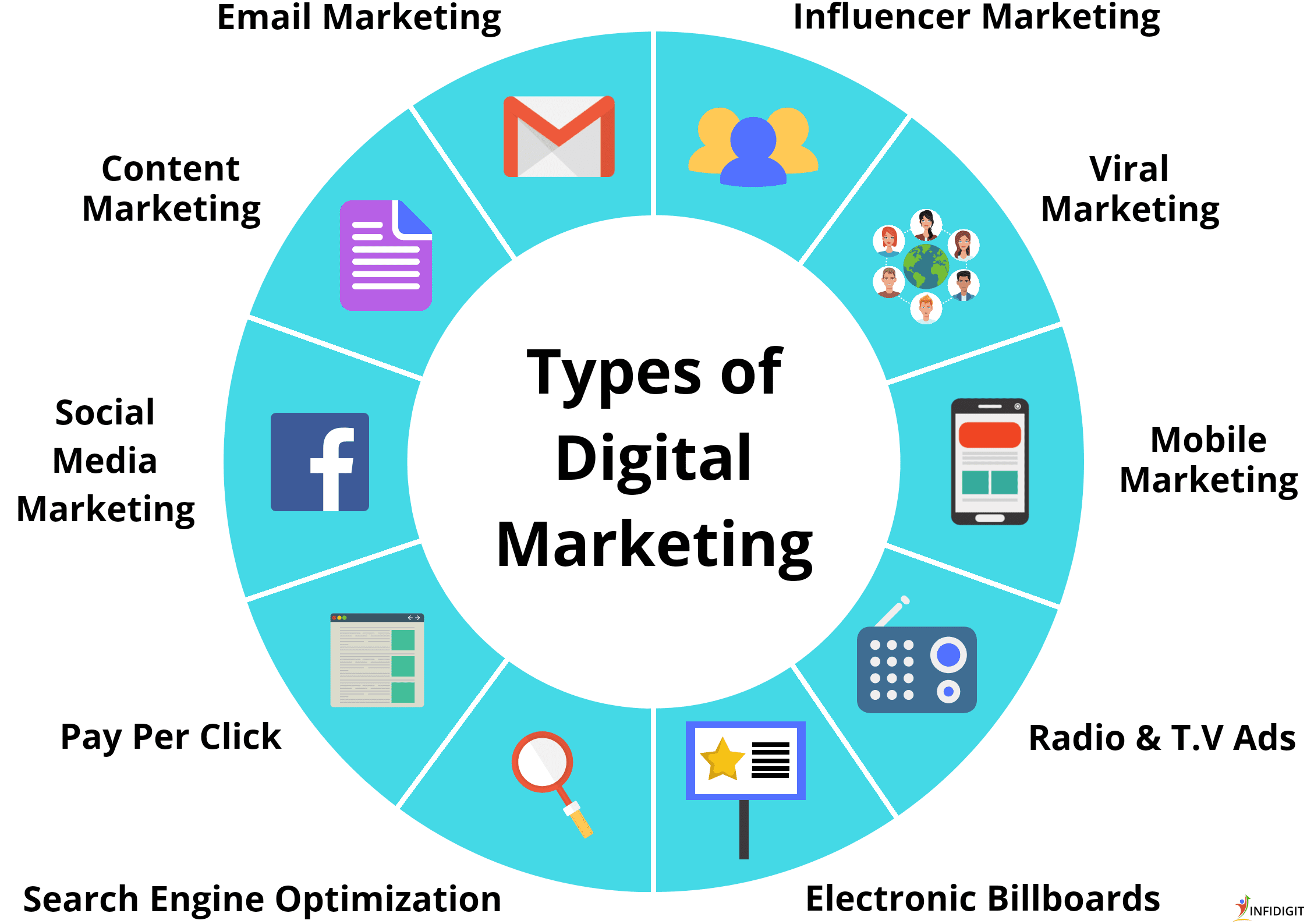
Web Marketing vs. Traditional Marketing: A 2025 Cost-Benefit Analysis
The 7 Foundational Pillars of Web Marketing in 2024-2025
Your strategy should be built upon these core pillars, each serving a unique role in the customer journey. A common mistake is focusing on just one. The most resilient businesses master the synergy between them.
Search Engine Optimization (SEO) – Your 24/7 Salesperson
The 2025 Reality: SEO is less about “tricking” Google and more about comprehensive problem-solving. Google’s algorithms now prioritize E-E-A-T (Experience, Expertise, Authoritativeness, Trustworthiness). This means content must demonstrate real-world experience and deep expertise.
Actionable Strategy: Beyond basic keyword research, focus on “search intent.” Is the user looking to buy, learn, or compare? Create a “topic cluster” model: one definitive “pillar page” covering a core topic (e.g., “Complete Guide to Web Marketing”), surrounded by related “cluster” articles (e.g., “SEO Basics,” “Email Marketing ROI”). This signals authority. Technical SEO is non-negotiable—ensure your site is fast, mobile-friendly, and secure (HTTPS).

Pay-Per-Click (PPC) & Performance Advertising – Instant, Scalable Traffic
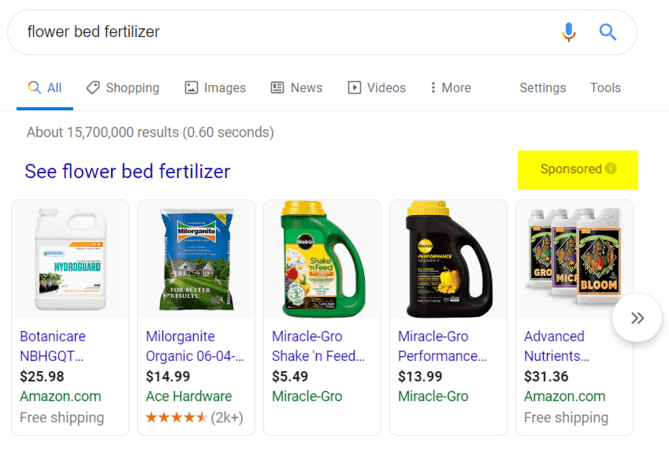
The 2025 Reality: Platforms like Google Ads and Meta Ads are powered by AI-driven automation. Manual keyword bidding is being replaced by smart campaigns (like Performance Max) where you define a goal and the AI finds the best audiences across search, YouTube, Gmail, and display networks.
Actionable Strategy: Success hinges on audience signals and creative assets. Feed the AI high-quality data (a well-structured website, clear conversion tracking, and historical customer data). Use responsive search ads that let Google test multiple headlines and descriptions. For e-commerce, implement dynamic remarketing to automatically show users the exact products they viewed. Always separate brand search campaigns (your business name) from generic keyword campaigns for optimal budget control.
| Pillar | Core Objective | Key 2025 Metric | Time to See Impact |
|---|---|---|---|
| SEO | Build sustainable, “free” organic traffic & authority | Non-branded keyword rankings, Organic traffic value | 4-9 months (Long-term asset) |
| PPC Advertising | Drive immediate leads, sales, and test markets | Return on Ad Spend (ROAS), Cost Per Acquisition (CPA) | 24-48 hours (Immediate) |
| Content Marketing | Educate, build trust, and fuel SEO/social | Content-driven lead conversions, Time on page | 3-6 months (Compound growth) |
| Email Marketing | Nurture leads, retain customers, drive repeat sales | Revenue per email, List growth rate | 1-4 weeks (Quick nurture cycles) |
| Social Media Marketing | Build community, brand awareness, and direct engagement | Engagement Rate, Click-through rate from profile | 1-3 months (Community building) |
Content is the fuel that powers SEO, social media, and email. In 2025, it’s about quality, depth, and multimedia formats. A single, well-researched long-form article or an engaging explainer video can attract more valuable traffic than a dozen thin blog posts. The strategy is to become the go-to resource in your niche. Use tools to analyze questions your audience is asking online (on forums like Reddit, Quora, or in comments) and create content that directly answers them. Repurpose core content into multiple formats: a blog post can become a YouTube video, a series of Instagram carousels, and a podcast episode.
Email Marketing: The High-ROI Relationship Channel
With an astounding average ROI of $36-44 for every $1 spent, email remains the king of owned media. The 2025 evolution is hyper-personalization and automation. Go beyond using a first name. Segment your list based on behavior (pages visited, products purchased) and send automated sequences triggered by those actions. For example, if a user downloads a guide on “SEO Basics,” they automatically enter a 5-email nurture sequence about advanced SEO services. Tools like MyEmailFX make this sophisticated automation accessible.
Social platforms are not just broadcast channels; they are for building relationships and listening. Choose platforms based on your audience: LinkedIn for B2B, Instagram/TikTok for visual B2C, Facebook for community groups and broad demographics. The strategy is to provide value first—educate, entertain, inspire. Use social listening tools to monitor brand mentions and industry conversations. Leverage features like Instagram Shopping or Facebook Shops to create a seamless path from discovery to purchase.
The 8-Step Web Marketing Implementation Framework for 2025
Your Strategic Action Plan
2025 Emerging Trends You Cannot Ignore
Voice & Visual Search Optimization
Optimize for natural language queries (“Hey Google, best Italian restaurant near me”) and use structured data so your content can be featured in voice answers. For visual search (like Google Lens), use descriptive, keyword-rich file names and alt text for images.
Short-Form Video Dominance
Platforms like TikTok, Instagram Reels, and YouTube Shorts are primary discovery channels. Create authentic, value-driven short videos that educate or entertain your specific niche. Don’t just sell—provide a quick tip or a behind-the-scenes look.
AI-Powered Personalization at Scale
Use AI tools to generate personalized email subject lines, create dynamic website content that changes based on user behavior, and develop predictive models to identify your next best customers before they even know it.
Building a Customer‑Centric Web Marketing Funnel
A funnel visualizes the journey from stranger to loyal customer. Modern funnels are non‑linear but still follow a logical flow:
- Top of Funnel (Awareness): Use SEO blog posts, YouTube videos, and social media content to attract attention. Goal: educate and build trust.
- Middle of Funnel (Consideration): Offer gated content (eBooks, webinars) in exchange for email addresses. Use retargeting ads to remind visitors of your value.
- Bottom of Funnel (Conversion): Deploy case studies, testimonials, and product demos. Use personalized email sequences and abandoned cart flows to close sales.
- Post‑Purchase (Loyalty): Implement referral programs, exclusive offers, and follow‑up surveys. Retain and upsell.
Integrate your funnel with automation: a lead magnet downloads trigger an email sequence; a product purchase triggers a thank‑you flow with upsell offers. According to HubSpot, companies with automated lead nurturing see 45% more leads ready for sales.
Advanced Analytics: Beyond Vanity Metrics
To truly optimize, move beyond page views and likes. Implement event tracking in Google Analytics 4 to measure micro‑conversions like video views, scroll depth, and form starts. Create custom funnels to see where drop‑offs happen. Use UTM parameters religiously to track which channels drive the highest‑value actions. For e‑commerce, connect your store to GA4 to track product‑level revenue and customer lifetime value (LTV). Tools like Semrush and Ahrefs can reveal competitor strategies and keyword gaps.
Case Study: How a B2B SaaS Company Tripled Leads with Integrated Web Marketing
A mid‑sized project management software company implemented the 8‑step framework. They started with a comprehensive audit, fixing slow page speed and unclear CTAs. Then they built topic clusters around “remote team collaboration” and “productivity metrics.” Using LinkedIn Ads (PPC) to promote a webinar, they captured 1,200 leads in one month. Those leads entered a 5‑email nurture sequence featuring case studies and demo invites. After six months, organic traffic increased 140%, and qualified sales leads tripled, with a 4.2x ROAS from paid campaigns. The key was integrated execution: SEO content fed social posts, social posts promoted gated content, and email automation closed the loop.
Key Takeaways: Your Web Marketing Blueprint
- Web marketing is a holistic system, not a collection of disjointed tactics. Treat it as your primary growth engine.
- Master the 7 pillars: SEO, PPC, content, email, social, analytics, and automation. Each serves a unique role in the customer journey.
- Adopt the 8‑step framework: from audience analysis to continuous optimization.
- Embrace AI and automation to scale personalization and efficiency.
- Build on first‑party data and comply with privacy regulations.
- Measure what matters: focus on metrics tied to revenue, not just engagement.
- Start small: pick one channel, execute well, then expand. Momentum builds from action.
The businesses that thrive in 2026 and beyond will be those that view web marketing as a core competency, not a cost center. By following this guide, you have the roadmap to build a predictable, scalable, and resilient marketing machine.
Advanced Web Marketing FAQs for Strategic Decision-Making
How do I allocate my limited budget across different web marketing channels?
Follow the 70-20-10 rule for testing and scaling. Allocate 70% of your budget to proven channels that currently drive ROI (e.g., your top-performing Google Ads campaign or email marketing). Allocate 20% to scaling emerging winners (e.g., a new social media platform showing promise). Dedicate 10% to pure experimentation on new trends (e.g., influencer partnerships or a podcast). This balances stability with growth.
What’s the single biggest mistake businesses make in web marketing?
Focusing on vanity metrics over business metrics. Having 10,000 Instagram followers means nothing if it generates zero sales. Conversely, a simple email list of 1,000 highly engaged subscribers can be a revenue powerhouse. Always tie your activity back to a core business KPI: leads, customer acquisition cost, lifetime value, or direct revenue.
Is web marketing still effective with all the privacy changes and ad blockers?
Yes, but it requires a strategic shift. The deprecation of third-party cookies and increased privacy controls means reliance on broad, untargeted ads will fail. The winning strategy is building a strong first-party data asset—your email list and customer database. Nurture these relationships with permission-based marketing. Contextual advertising (placing ads based on webpage content, not user tracking) is also seeing a major resurgence.
How can a very small team or solo entrepreneur manage all this?
Leverage focus, automation, and selective outsourcing. Do not try to do everything. Master 1-2 channels deeply. Use automation tools for scheduling and email sequences. Outsource specialized tasks (like technical SEO or ad creative design) to vetted freelancers or a compact agency like those offering focused digital marketing services. Your role is strategy and oversight, not every tactical execution.
The Final Verdict: Web Marketing as Your Core Business Competency
By 2025, web marketing has evolved from a tactical department to a core business competency—as essential as finance, product development, or customer service. It is the engine that identifies demand, builds relationships, and generates predictable revenue. The businesses that thrive will be those that stop viewing it as a cost center and start treating it as the primary driver of scalable growth.
Your Immediate Next Action
Don’t let perfect be the enemy of good. You don’t need a 100-page plan to start. Choose one single action from this guide and execute it this week.
- Audit and fix one critical page on your website.
- Set up Google Analytics 4 and connect it to your site.
- Write and publish one definitive “pillar” article on a topic your customers care about.
- Launch a small, targeted retargeting campaign to past website visitors.
Momentum builds from action. Your future customers are searching for solutions right now. With a strategic, integrated web marketing approach, you ensure they find you, trust you, and choose you.


I completely agree with what you have written. I hope this post could reach more people as this was truly an interesting post.