How Much Do Facebook Ads Cost? Complete 2026 Pricing Guide & Budget Strategy
If you’re wondering how much do Facebook ads cost, you’re not alone. With over 3.07 billion monthly active users, Facebook remains one of the most powerful advertising platforms in the world. But without a clear understanding of pricing, it’s easy to overspend or miss opportunities. In this comprehensive guide, we’ll break down Facebook ad costs, the factors that influence them, and how to build a winning strategy—whether you’re working with a $100 budget or $10,000+.
What Are Facebook Ads?
Facebook’s ads effectively reach target audiences on one of the world’s largest social media platforms, with over 3.07 billion monthly active users. This provides businesses with an unparalleled opportunity to engage potential customers. Ads on Facebook can be placed in various spots, including the News Feed, Sidebar, Instant Articles, and Audience Network.
Facebook ads costs cover more than ad placement; it includes the ability to track and measure ad performance. Facebook offers detailed analytics, revealing how many saw your ad, the click-throughs, and post-click actions.
How Much Does Facebook Advertising Cost? (2026 Averages)
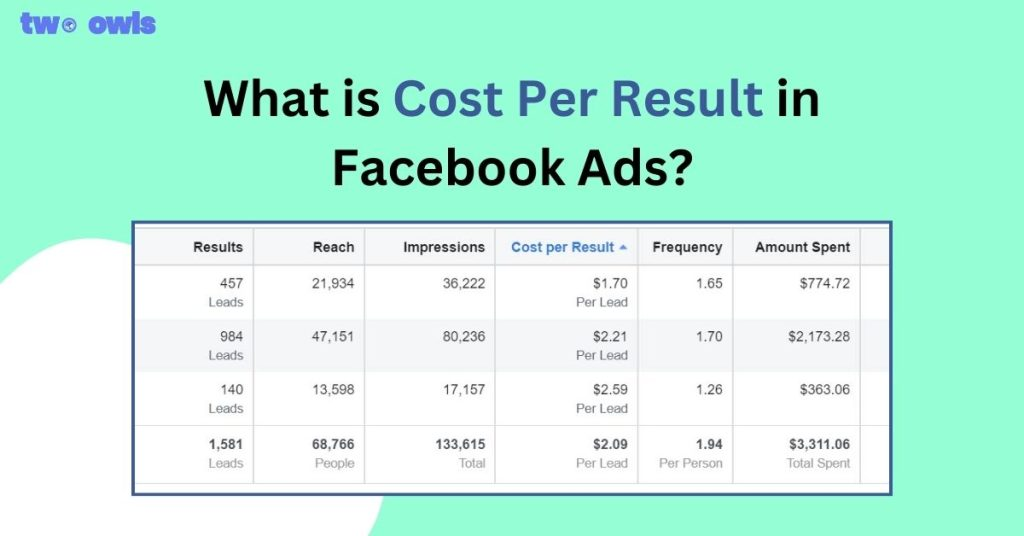
In 2025–2026, the average cost-per-click (CPC) for Facebook ads is $0.50–$3.50, and the cost per thousand impressions (CPM) averages $8.77–$20, depending on factors like audience, industry, and ad quality.
| Metric | Average Cost | Notes |
|---|---|---|
| Cost per click (CPC) | $0.26–$0.30 (across all industries) | Varies by industry and audience |
| Cost per thousand impressions (CPM) | $1.01–$3.00 (wide range); global average ~$8.77 | Higher for competitive industries |
| Cost per lead (CPL) | ~$5.83 | Lead form ads tend to be more cost-effective |
| Cost per download (CPD) | ~$0.54 | For app install campaigns |
| Cost per engagement (CPE) | $0.01–$0.02 per like, comment, share | Lowest cost engagement |
Boosted Posts vs. Facebook Ads
Boosted Facebook posts help your regular content reach more people. Although they’re generally more economical than traditional ads, they aren’t as precise in targeting. Boosted post costs vary based on audience size and campaign duration, typically ranging from $1 to $100 daily.
Monthly & Weekly Spend Benchmarks
- Average monthly spend: $1.00 – $500.00 (can be much higher for large brands)
- Average weekly spend: $25.00 – $125.00
What Determines Your Facebook Ad Cost?

How Do Facebook Ads Work?
Facebook ads work through an auction system where you establish the highest amount you’re willing to pay for clicks (CPC), impressions (CPM), or conversions (CPA). You compete with other advertisers to display your ad to your target audience, with the highest bidder with the most relevant ad winning the auction.
The Facebook Ad Auction: 3 Key Factors
- Bid – Your maximum willingness to pay for a specific action.
- Estimated Action Rates – Facebook’s prediction of how likely someone will take your desired action.
- Ad Quality and Relevance – Engagement, feedback, and creative quality influence your ad’s performance in the auction.
Types of Bidding
- Budget-Based Bidding: Set a daily or lifetime budget; Facebook optimizes within it.
- Goal-Based Bidding: Choose a cost cap or minimum ROAS; Facebook optimizes to meet that goal.
- Manual Bidding: Full control over CPC, CPM, or CPA bids – best for experienced advertisers.
8 Factors That Impact Facebook Ads Cost (2026)
- Ad Objective – Awareness goals (CPM) typically cost less than conversion-focused campaigns (CPC).
- Ad Placement – News Feed ads are more expensive than sidebar or Audience Network placements.
- Ad Quality & Relevance – High engagement and positive feedback reduce costs.
- Season – Q4 holidays (Black Friday, Christmas) see CPC spikes of 20–50%.
- Time of Day – Peak hours (evenings, weekends) often increase competition.
- Location – Targeting major cities or high-income areas raises costs.
- Industry – Tech, finance, and insurance have the highest CPMs; retail and education are lower.
- Competition – More advertisers bidding on the same audience = higher prices.
How Much Does It Cost To Pay Someone To Manage Facebook Ads?
| Management Type | Average Cost | Pros | Cons |
|---|---|---|---|
| Freelancer | $25–$100/hour or monthly retainer | Flexible, lower cost, direct communication | Variable quality, more oversight needed |
| Agency | $500–$5,000/month (or % of ad spend) | Team of experts, full-service, time savings | Higher cost, less day-to-day control |
| In-House Manager | $50,000–$100,000+ annual salary | Full control, deep brand knowledge | High fixed cost, requires recruitment |
| Software/Tools | $0–$500/month (e.g., AdEspresso, Hootsuite) | Cost-effective, automation, analytics | Learning curve, manual oversight needed |
Popular Facebook Ads Tools: AdEspresso, Hootsuite, SocialPilot, Perfect Audience, Revealbot, AdRoll.
What Do Facebook Ad Services Include For Different Budgets?
$100 Budget
- Basic ad creation
- Simple targeting (location, age, gender)
- Limited reporting
$1,000 Budget
- Advanced targeting (interests, behaviors, custom audiences)
- A/B testing and optimization
- Automated bidding strategies
- Conversion tracking and basic analytics
- Dedicated account support (with agencies)
$5,000+ Budget
- Full-service management (strategy, creative, placement)
- Video ad production and branded content
- Advanced audience segmentation and lookalikes
- Detailed analytics and monthly performance reviews
- Retargeting and marketing automation integration
How To Decide Which Budget Is Right For You
- Goals: Awareness campaigns can start small; sales/lead generation needs higher budgets.
- Audience Size: Niche audiences require less budget; broad audiences need more.
- Resources: If managing in-house, you can start with a smaller budget; if hiring help, factor in management fees.
- Business Size: Small businesses often start with $500–$2,000/month; enterprises may spend $20,000+.
What’s The Minimum Budget You Can Spend On Facebook Ads?
- Paid-by-impression (CPM): $1 daily minimum
- Paid-by-click (CPC): $5 daily minimum
- Advantage campaign budget: $20 daily minimum
- Low-frequency events (e.g., app installs): $40 daily minimum
- Cost-per-result goal: 5x your cost-per-result goal daily
Meta Ads Manager will alert you if your budget doesn’t meet the minimum for your chosen strategy.
How To Reduce Your Facebook Ads Cost (8 Proven Tactics)
- Choose the right campaign objective – Align with your true goal to improve delivery.
- Optimize audience targeting – Use precise locations, demographics, interests, and custom audiences.
- Run retargeting campaigns – Target users who already know your brand for lower costs.
- Ensure campaign relevance – High-quality creative and copy lead to lower costs.
- Manage ad frequency – Rotate creatives to avoid ad fatigue (frequency >3 is risky).
- Run A/B tests – Test headlines, images, audiences to find winning combos.
- Prioritize post-click experience – Optimize landing pages for conversions to improve quality score.
- Use automated rules – Pause underperforming ads automatically to save budget.
FAQs: Facebook Ads Costs
Key Takeaways
- Facebook ad costs vary widely but average $0.50–$3.50 CPC and $8–$20 CPM in 2026.
- The auction considers bid, estimated action rates, and ad quality – relevance directly reduces costs.
- Ad objective, placement, season, and industry are the top factors influencing price.
- You can manage ads yourself, hire a freelancer, use software, or partner with an agency – each has different cost structures.
- Minimum daily budgets start at $1 for impressions, but effective campaigns often need $20–$50/day.
- To lower costs, focus on audience targeting, creative quality, and post-click experience.
Summary
Understanding how much Facebook ads cost is the first step to building a profitable advertising strategy. While averages give you a baseline, your actual costs will depend on how well you target, the quality of your creative, and how competitive your industry is. By applying the optimization tactics outlined here—choosing the right objective, refining audiences, managing frequency, and A/B testing—you can stretch your budget further and achieve higher returns. Whether you’re a small business testing the waters or a large brand scaling campaigns, Facebook remains one of the most effective platforms to reach your audience in 2026.