How To Create Valuable Blog Content (2026 Edition)
If you’ve found you have a passion for blogging, you may have discovered how difficult it can be to get noticed in a sea of successful blogs. Internet surfers are consuming more information on a daily basis than ever before, so how do you make sure you stand out? By offering valuable blog content over and over again. Consistent value is the key to finding and keeping readers, so here’s how you can do it too.
In 2026, the blogging landscape has evolved dramatically. With AI-generated content flooding the internet, readers crave authentic, well-researched, and genuinely helpful content more than ever. The algorithms of Google and other search engines have become sophisticated enough to recognize true value, rewarding content that demonstrates Experience, Expertise, Authoritativeness, and Trustworthiness (E-E-A-T). This comprehensive guide will walk you through the proven strategies to create blog content that not only ranks but resonates.
Pro Tip: The E-E-A-T Framework
Google’s E-E-A-T (Experience, Expertise, Authoritativeness, Trustworthiness) is more important than ever in 2026. Every piece of content you create should demonstrate firsthand experience, cite credible sources, and reflect genuine expertise. Tools like Semrush and SurferSEO can help you optimize for these factors while maintaining your unique voice.
A Good First Impression
Unfortunately, you don’t get long to make a good impression. From the second someone clicks on your link, you’ve got moments to snare them into reading. If they don’t like what they see, they’ll just move on to the next source. To make a great first impression, make sure your site has a modern style and is easily navigated. They shouldn’t have to hunt for the information you promised them.
If you’re going to include ads, don’t include so many that the page becomes cluttered or distracting. If you can, try to make them blend seamlessly with your other content. Having some basic coding knowledge can go a long way in organizing your layout, and in helping you understand the importance of digital risk protection.
First Impression Statistics
- Users form an opinion about your website in 0.05 seconds.
- 38% of users will stop engaging if content/layout is unattractive.
- Pages that load within 2 seconds have an average 9% bounce rate; pages taking 5 seconds see bounce rates soar to 38%.
Use tools like Google PageSpeed Insights and GTmetrix to ensure your site loads quickly and performs well across all devices.
Be Genuine
In the age of sketchy hidden Instagram ads and influencer personas, it’s important to be genuine with your readers. Only you can provide your content with your voice, your history, and your point of view, so make it count. There are plenty of people out there curating their internet feeds to draw in readers, and this isn’t necessarily a bad thing, but people can also tell when you’re being fake. Sharing bits and pieces from your own life helps you feel like a real person they can relate to.
How to Maintain Authenticity
- Share Personal Stories: Relatable anecdotes create emotional connections.
- Admit Mistakes: Being vulnerable about failures builds trust.
- Show Behind-the-Scenes: Give readers a glimpse into your process.
- Use Your Unique Voice: Don’t try to sound like someone else.
- Engage Honestly: Respond to comments with genuine care, not scripts.
According to Edelman’s Trust Barometer, authenticity is one of the top factors consumers consider when deciding which content to trust.
Warning: The Authenticity Trap
While being genuine is crucial, oversharing personal information can backfire. Maintain boundaries and share only what’s relevant to your content and audience. Remember that once something is published online, it’s there forever. Always consider the long-term implications of personal disclosures.
Solve a Problem
One of the top ways to provide valuable content is to solve a problem. What do people do when they don’t know something? They head to the internet. If you’re the person to answer a question, solve a problem, or fulfill a need they didn’t know they had, you’re going to become a trusted professional in their eyes. The next time they have a related question or problem, they’re more likely to come back. If you don’t have content addressing their latest inquiry, you might get some good blog ideas that are already in demand!
Problem-Solving Content Framework
- Identify Pain Points: Use tools like AnswerThePublic to discover what questions your audience is asking.
- Create Comprehensive Solutions: Don’t just scratch the surface; provide actionable, step-by-step guidance.
- Update Regularly: Problems and solutions evolve. Keep your content current.
- Use Multiple Formats: Some people prefer text, others video or infographics.
- Include Real Examples: Case studies and examples make solutions more relatable.
Do Research
While your point of view is crucial to your content, you also have a responsibility to present information in an accurate and digestible way. Plus, including your sources makes you even more trustworthy in the eyes of your readers. There’s also a good chance you’ll learn something new, making your content richer and more detailed.
Research Best Practices
- Cite Credible Sources: Use academic journals, industry reports, and authoritative websites.
- Include Statistics: Data adds credibility and makes arguments more compelling.
- Link to Original Research: Whenever possible, link directly to studies and reports.
- Fact-Check Everything: Misinformation damages your credibility permanently.
- Use Primary Sources: Interview experts or conduct your own surveys for unique insights.
Resources like Google Scholar, Statista, and Pew Research provide reliable data for your content.
Invite an Expert
If you’re excited to blog about a subject you’re passionate about, why not try inviting an expert to contribute? An interview could be a good way to network and draw new readers to your page. This also works well if you want to dive into a subject you don’t know as much about. Some people might decline interview requests or not answer at all, but you’d be surprised at the people who respond positively to collaboration requests. You might be able to later be interviewed for their blog or other platform, further expanding your reach.
Expert Collaboration Strategies
- Prepare Thoughtful Questions: Show you’ve done your homework on their work.
- Make It Easy: Offer to transcribe or edit the interview to minimize their time commitment.
- Promote Their Contribution: Tag them on social media and highlight their expertise.
- Build Long-Term Relationships: Don’t just ask once; nurture connections for future collaborations.
- Offer Value in Return: Share their work, provide exposure, or offer to collaborate on their projects.
Platforms like HARO (Help a Reporter Out) and JustReachOut can help you connect with experts looking for exposure.
Interact Often
It’s easy to forget just how deeply humans crave connection. You’ll get more repeat readers by cultivating a close-knit community than simply posting content and forgetting about it. The more you interact in your comment section, the more you’ll recognize your regulars and foster those connections. These are the fans who will support everything you do, so make sure you show appreciation for that support.
Community Building Tactics
- Respond to Comments: Answer questions and acknowledge feedback within 24 hours.
- Create a Community Space: Consider a Facebook Group or Discord server for loyal readers.
- Feature Readers: Highlight community comments or contributions in your posts.
- Ask for Input: Poll your audience about what they want to read next.
- Host Live Sessions: Q&As, webinars, or live streams create real-time connection.
According to Sprout Social, brands that respond to customer engagement see a 20-40% increase in spending from those customers.
Pro Tip: Create a Content Ecosystem
Your blog shouldn’t exist in isolation. Create a content ecosystem where your blog posts link to your YouTube videos, which promote your newsletter, which shares your latest podcast. This interconnected approach keeps readers engaged across multiple platforms and strengthens your overall brand. Tools like HubSpot can help you manage this ecosystem effectively.
Advanced Content Creation Strategies for 2026
1. Leverage AI as a Tool, Not a Crutch
AI writing tools like ChatGPT and Jasper can help generate ideas, outlines, and drafts, but they can’t replace human insight. Use AI to overcome writer’s block and handle repetitive tasks, but always infuse your content with personal experience and unique perspective that AI can’t replicate.
2. Optimize for Voice Search and AI Overviews
With the rise of voice assistants and AI-powered search results, optimize your content for conversational queries. Include question-based headings, provide concise answers, and structure content for featured snippets. Google’s AI Overviews now appear in over 30% of searches, making this optimization crucial.
3. Create Pillar Content and Topic Clusters
Rather than writing isolated posts, create comprehensive “pillar” pages on broad topics, then link to “cluster” content on specific subtopics. This structure signals expertise to search engines and helps readers navigate your content. For example, a pillar page on “Content Marketing” might link to cluster posts on “SEO Writing,” “Email Newsletters,” and “Social Media Strategy.”
4. Repurpose Content Across Formats
One blog post can become a YouTube video, a podcast episode, an infographic, multiple social media posts, and a newsletter. This maximizes your reach and accommodates different learning preferences. Tools like Repurposely can help streamline this process.
5. Prioritize Readability and Scannability
Most readers scan before they read. Use:
- Short paragraphs (2-3 sentences max)
- Descriptive subheadings
- Bullet points and numbered lists
- Bold text for key takeaways
- Pull quotes for emphasis
| Content Type | Purpose | Best Practices | How-To Guides | Solve specific problems | Step-by-step format, screenshots, video | Listicles | Curate information | Numbered format, clear categorization | Case Studies | Demonstrate results | Real data, before/after, testimonials | Interviews | Leverage expertise | Thoughtful questions, expert bio | Opinion Pieces | Share perspective | Strong thesis, evidence, authenticity | News/Updates | Inform about trends | Timeliness, analysis, context | Resource Roundups | Curate tools/links | Annotations, categories, updates |
|---|
Content Planning and Strategy
Developing a Content Calendar
Consistency is key to building an audience. A content calendar helps you plan ahead, maintain regular posting, and align content with seasons, events, and business goals.
- Monthly Themes: Focus each month on a specific topic area.
- Seasonal Content: Plan for holidays, industry events, and trends.
- Content Mix: Balance tutorials, opinions, news, and promotional content.
- Repurposing Schedule: Plan when and how to repurpose content across platforms.
Tools like Trello, Asana, and CoSchedule can help you manage your content calendar effectively.
Keyword Research and SEO
Creating valuable content means nothing if no one finds it. Conduct keyword research to understand what your audience is searching for and optimize your content accordingly.
- Target Long-Tail Keywords: More specific phrases have less competition and higher conversion intent.
- Optimize Headings and Subheadings: Include keywords naturally in H1, H2, and H3 tags.
- Write Compelling Meta Descriptions: These appear in search results and impact click-through rates.
- Internal Linking: Link to your own related content to keep readers on your site longer.
Tools like Ahrefs, Semrush, and Ubersuggest provide comprehensive keyword research capabilities.
Measuring Content Success
To continuously improve your content, you need to measure its performance. Key metrics to track include:
- Page Views: How many people are reading your content.
- Time on Page: Indicates engagement and content quality.
- Bounce Rate: Percentage of visitors who leave without interacting.
- Social Shares: Measures resonance and reach.
- Comments and Engagement: Indicates community building.
- Backlinks: Shows authority and trust.
- Conversions: Email sign-ups, purchases, or other desired actions.
Use Google Analytics and Google Search Console to track these metrics and identify opportunities for improvement.
Pro Tip: Content Audits
Conduct a content audit every 6-12 months. Identify your best-performing content and update it with fresh information, new examples, and improved formatting. This “content refresh” strategy can boost traffic without creating new content from scratch. Tools like Screaming Frog and ContentKing can help with this process.
Common Content Mistakes to Avoid
- Thin Content: Short, superficial posts don’t provide value. Aim for comprehensive coverage.
- Keyword Stuffing: Overusing keywords makes content unreadable and triggers search penalties.
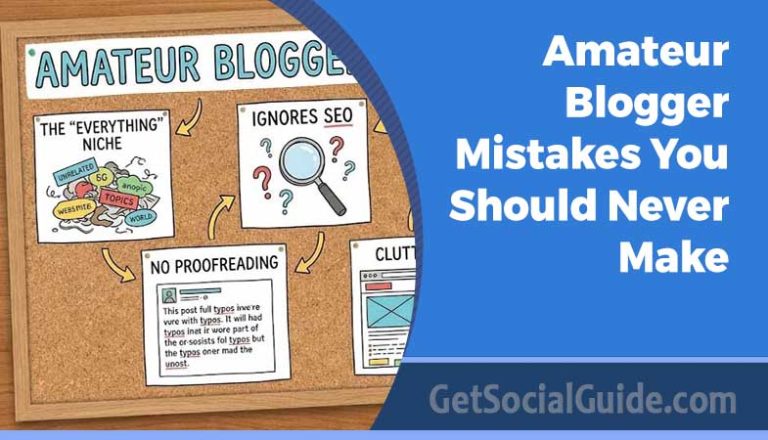
- Ignoring Formatting: Walls of text scare readers away.
- No Call-to-Action: Tell readers what to do next—comment, share, subscribe, buy.
- Inconsistent Posting: Readers lose interest if you disappear for months.
- Ignoring Mobile Users: Over 60% of traffic is mobile; ensure your content looks good on phones.
- Plagiarism: Always credit sources and create original content.
Case Study: From Zero to 100K Monthly Readers
Consider the journey of “TechTalk Daily,” a blog that grew from nothing to 100,000 monthly readers in 18 months by implementing these strategies:
Year 1:
- Published 3x weekly consistently.
- Focused on solving specific tech problems for beginners.
- Conducted original surveys and published exclusive data.
- Built an email list from day one.
Year 2:
- Interviewed 50+ industry experts.
- Repurposed top content into YouTube videos and podcasts.
- Created a community Discord server with 5,000+ members.
- Updated old content regularly, keeping it fresh.
Results: 100,000 monthly readers, 15,000 email subscribers, and a sustainable income from multiple revenue streams.
Frequently Asked Questions
Conclusion
It can be challenging to stand out among thousands of active blogs, but your passion will carry you a long way. By creating content your readers want to see, they’ll engage in a way that allows you to create even better content for years to come.
Remember that valuable content is a moving target. What worked five years ago may not work today. Stay curious, keep learning, and always prioritize your readers’ needs. When you consistently deliver value, you build trust, authority, and a loyal community that will support you through any algorithm change.
The journey of a blogger is one of continuous growth. Every post is an opportunity to learn, connect, and improve. Embrace the process, celebrate small wins, and never underestimate the impact of a single piece of content on a single reader.