Effective rewards programs are crucial for employee engagement and retention in modern workplaces.
In today’s increasingly competitive business environment where talent acquisition and retention challenges persist, attracting and retaining top-tier talent remains absolutely crucial for any organization’s long-term success and sustainable growth. One particularly effective strategy for motivating employees and substantially enhancing their overall job satisfaction involves implementing well-designed, comprehensive rewards programs. These strategic initiatives systematically recognize and celebrate employees’ diverse achievements and contributions, making team members feel genuinely valued, appreciated, and integral to organizational success. In this detailed exploration, we will thoroughly examine 17 must-have employee rewards programs that can significantly help create and maintain a consistently motivated, productive workforce while simultaneously boosting employee morale and reducing turnover rates across your organization.
Key Takeaways: Strategic Reward Implementation
- Comprehensive rewards programs directly impact employee retention and organizational productivity
- Effective recognition requires both monetary and non-monetary components for maximum impact
- Personalized reward approaches yield higher engagement than one-size-fits-all solutions
- Successful programs align with company culture while addressing individual employee motivations
- Regular program evaluation and adjustment ensures continued relevance and effectiveness
Employee of the Month/Quarter/Year: Timeless Recognition Strategy
Recognizing outstanding performance through a structured Employee of the Month/Quarter/Year program represents a classic yet persistently effective methodology for rewarding exemplary employees. This formal recognition program strategically highlights exceptional contributions and can be meaningfully accompanied by memorable perks such as a designated premium parking spot, a personalized engraved trophy or plaque, additional paid time off, or public acknowledgment during company meetings. When implementing such programs for optimal employee motivation, organizations should establish transparent, objective criteria that all team members can understand and aspire toward, ensuring the recognition feels both earned and equitable across departments and roles.
Performance-Based Bonuses: Financial Motivation Systems
Strategically linking financial incentives directly to individual, team, or departmental performance metrics can significantly motivate employees toward achieving key business objectives. Performance-based bonuses provide tangible, immediate rewards for achieving specific, pre-established goals or targets, effectively boosting employee morale while driving measurably higher levels of productivity and goal alignment. For maximum impact in your employee rewards strategy, these bonuses should correlate clearly with measurable outcomes, whether through individual sales targets, project completion metrics, quality benchmarks, or team-based achievement indicators that support overall business success.
Professional Development Opportunities: Investing in Growth
Consistently investing in employees’ professional growth and skill development demonstrates authentic organizational commitment to their long-term career success and personal advancement. Offering structured opportunities for specialized training, attending industry conferences, pursuing advanced certifications, or participating in leadership development programs not only rewards high-performing individuals but also encourages continuous learning and skill development throughout the organization. This strategic approach to employee development creates a powerful win-win scenario where employees enhance their capabilities while organizations strengthen their talent bench and competitive positioning in the marketplace.
Flexible Work Arrangements: Modern Work-Life Solutions
In today’s dynamic work environment, achieving sustainable work-life balance has become a top priority for many employees across generations and roles. Providing flexible work arrangements as a reward for consistent performance, such as remote work options, flexible hours, compressed workweeks, or hybrid scheduling models, can serve as an invaluable non-monetary reward. These arrangements allow employees to better manage personal commitments, family responsibilities, and individual productivity preferences while maintaining a healthy, sustainable work environment. Such flexibility particularly appeals to working parents, caregivers, and employees seeking reduced commute times or geographical flexibility.
Wellness Initiatives: Holistic Health Investments
Comprehensive employee wellness is absolutely essential for maintaining a consistently motivated, healthy, and productive workforce over the long term. Strategic wellness initiatives, such as subsidized gym memberships, on-site yoga or meditation classes, nutritional counseling, or comprehensive on-site wellness programs, demonstrate an organization’s genuine commitment to employees’ physical, mental, and emotional well-being. These programs promote a healthy lifestyle and directly contribute to higher employee engagement, reduced absenteeism, and enhanced productivity while simultaneously lowering healthcare costs and fostering a supportive workplace culture centered on holistic well-being.
Peer Recognition Programs: Cultural Reinforcement Tools
Recognizing employees’ daily achievements through their direct peers and colleagues can serve as a particularly powerful, organic motivator that reinforces positive behaviors across teams. Implementing a structured peer recognition program where colleagues can regularly nominate and celebrate each other’s accomplishments fosters a genuinely positive, collaborative work culture while significantly strengthening team dynamics and interpersonal relationships. This program can be effectively combined with meaningful rewards such as digital gift cards, team celebration outings, or personalized notes of appreciation from leadership, creating multiple touchpoints for recognition throughout the organizational ecosystem.
Employee Referral Programs: Leveraging Existing Networks
Your existing high-performing employees represent a valuable, often underutilized resource for identifying and attracting new talent aligned with your organizational culture. By implementing a structured employee referral program with clear guidelines and attractive incentives, you create powerful motivation for employees to refer qualified candidates from their professional networks, leading to higher-quality hires and a more engaged, connected workforce. Offering tiered cash bonuses, additional vacation days, or even a special referral-based employee of the month award can make this program particularly attractive and effective for talent acquisition in competitive job markets.
Milestone Celebrations: Tenure and Achievement Recognition
Consistently celebrating significant milestones in an employee’s career journey, such as work anniversaries, promotions, or major project completions, can substantially boost morale while fostering deep organizational loyalty and commitment. Recognizing employees for their sustained loyalty and dedication through personalized gifts, public acknowledgment in company communications, or special celebratory events makes them feel genuinely valued and encourages continued contribution to organizational success. These celebrations also serve as powerful visible reminders to newer employees about career growth potential and recognition within your company’s culture.
Team-Building Activities: Collaborative Reward Experiences
Strong, effective teamwork remains absolutely crucial for the sustainable success of any modern organization across industries. Rewarding high-performing teams with thoughtfully designed team-building activities, such as off-site retreats, adventure outings, culinary experiences, or friendly skill-based competitions, can significantly strengthen working relationships, enhance collaboration, and improve overall team performance through shared experiences outside normal work contexts. These activities provide valuable opportunities for informal interaction, breaking down communication barriers, and building trust that translates directly back to workplace productivity and innovation.
Employee Stock Ownership Plans (ESOPs): Ownership Mindset Creation
Employee Stock Ownership Plans (ESOPs) provide employees with meaningful opportunities to share directly in the organization’s financial success and future growth trajectory. By granting stock options, restricted stock units, or direct company shares to employees at various levels, team members become genuine stakeholders with aligned financial interests tied directly to company performance. This powerful program not only rewards employees tangibly but also creates an authentic sense of ownership, responsibility, and loyalty that often translates into higher productivity, innovation, and retention of key talent who feel invested in organizational outcomes.
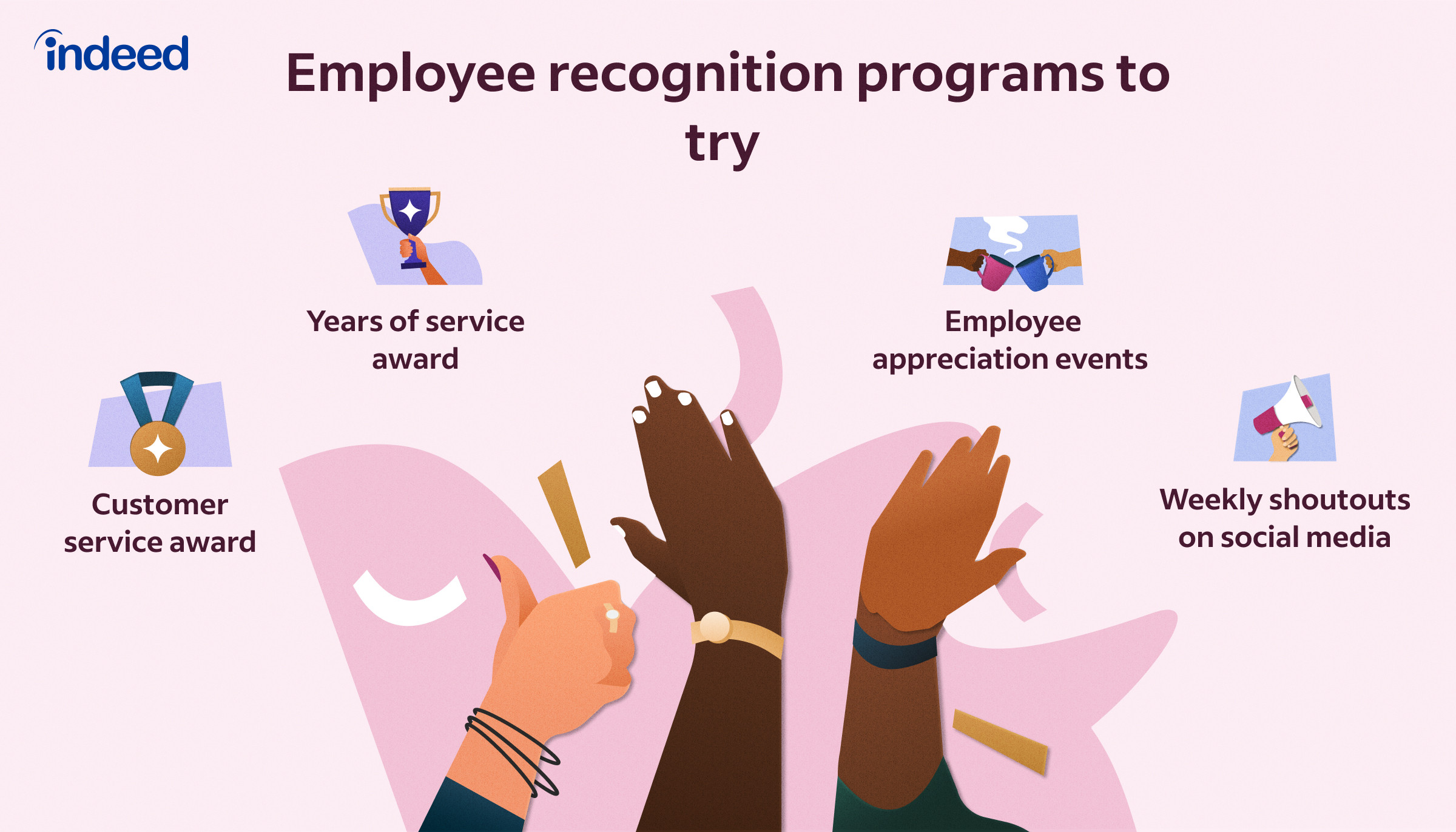
Strategic implementation of recognition programs requires alignment with company values and employee preferences.
Health and Wellness Reimbursements: Personalized Wellbeing Support
Promoting a sustainable healthy lifestyle extends far beyond simply offering generic gym memberships. Consider implementing flexible health and wellness reimbursement programs that allow employees to claim expenses related to diverse activities including fitness classes, wellness retreats, mental health resources, ergonomic home office equipment, or even mindfulness app subscriptions. By supporting employees financially in proactively taking care of their holistic well-being through personalized choices, organizations demonstrate genuine, practical concern for their comprehensive health while accommodating individual preferences and needs that vary across your workforce demographic.
Performance Recognition Events: Celebratory Culture Building
In addition to individual recognition awards, organizing regular performance recognition events creates powerful opportunities to acknowledge and celebrate team achievements at scale. These events can range from intimate departmental gatherings to large-scale company-wide ceremonies, where high-performing teams and individuals receive public recognition for their exceptional work and contributions. Such structured events provide valuable opportunities for cross-departmental networking, sharing best practices, organizational storytelling, and fostering collective pride in accomplishments while reinforcing desired behaviors and outcomes aligned with strategic objectives.
Learning and Development Stipends: Continuous Skill Investment
Proactively encouraging employees to continuously expand their knowledge bases and skill sets can be effectively achieved through dedicated learning and development stipends or educational allowances. By providing a flexible, personalized budget for employees to invest in relevant courses, workshops, certifications, or online learning platforms, organizations empower their workforce to stay current with industry trends, technological advancements, and emerging methodologies while enhancing their professional growth and marketability. This investment signals long-term commitment to employee development beyond immediate job requirements.
Paid Volunteer Time Off: Purpose-Driven Engagement
Supporting employees’ personal interests in giving back to their communities and causes they care about can be powerfully achieved through structured paid volunteer time off (VTO) programs. Allowing employees to take dedicated time off to engage in meaningful charitable activities, contribute to social causes, or participate in community initiatives not only enhances their job satisfaction and sense of purpose but also substantially improves the company’s corporate social responsibility profile and community relationships. This benefit particularly resonates with younger generations who increasingly seek employers whose values align with their personal principles and social concerns.
Travel Incentives: Experiential Reward Excellence
Rewarding top performers or exceptionally high-achieving teams with memorable group travel incentives represents an exciting, impactful way to recognize extraordinary efforts and results. This could include all-expenses-paid vacations, luxury weekend getaways, culturally immersive experiences, or even international travel opportunities aligned with employee interests. Such premium rewards provide employees with unique shared experiences that create lasting memories, strengthen team bonds, and foster profound loyalty and motivation that often far exceeds the impact of equivalent monetary bonuses alone.
Mentorship Programs: Knowledge Transfer Systems
Establishing formal mentorship programs within your organization creates valuable developmental rewards for employees at all career stages. Pairing experienced senior employees with those actively seeking professional guidance and career growth fosters a supportive learning environment while promoting crucial knowledge sharing and institutional memory retention. Structured mentorship programs demonstrate tangible commitment to employees’ long-term development and career progression while contributing to higher retention rates, smoother succession planning, and stronger organizational culture through intergenerational connection and wisdom transfer.
Innovation and Idea Recognition: Creative Contribution Encouragement
Proactively acknowledging and rewarding employees’ innovative ideas and improvement contributions systematically fosters a culture of creativity, continuous improvement, and engaged problem-solving. Implementing structured idea recognition programs, where employees can regularly submit suggestions, process improvements, or innovative proposals, and then rewarding the most impactful implemented ideas, encourages authentic sense of ownership and active participation in the organization’s ongoing success and evolution. This approach transforms employees from passive task-completers to active contributors in organizational innovation and efficiency.
Successful Rewards Program Implementation Checklist
Strategic Implementation and Best Practices
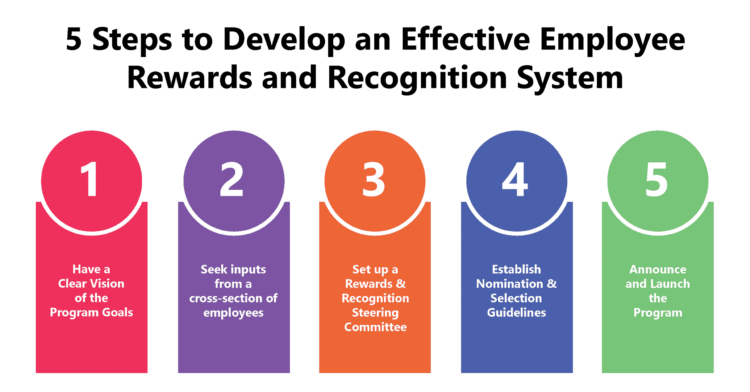
Successfully implementing these diverse employee rewards programs requires thoughtful strategic planning, consistent execution, and ongoing optimization based on feedback and results. Begin by conducting thorough assessments of your current organizational culture, employee preferences through surveys or focus groups, and specific business objectives you aim to support through enhanced motivation and recognition. Consider implementing a phased approach, starting with programs addressing your most pressing retention or engagement challenges, then gradually expanding your portfolio based on demonstrated effectiveness and available resources.
Ensure each program includes clear, transparent criteria that employees understand and perceive as fair and achievable. Communication represents another critical success factor—regularly promoting available programs, celebrating recipients, and sharing success stories reinforces program visibility and perceived value. Finally, establish mechanisms to regularly measure program effectiveness through metrics like participation rates, employee satisfaction scores, retention improvements, and correlation with performance indicators, allowing data-driven adjustments that maximize return on your rewards investment.
Data-Driven Design
Base programs on employee feedback and performance metrics for maximum impact
Continuous Improvement
Regularly review and adapt programs based on changing needs and feedback
Leadership Engagement
Ensure executives actively participate in and champion recognition programs
Personalization
Tailor rewards to individual preferences and career stages for greater relevance
Conclusion: Building a Comprehensive Rewards Ecosystem
Implementing strategic, multifaceted employee rewards programs represents a fundamental component of modern talent management strategy for motivating and retaining a high-performing, engaged workforce in competitive market conditions. From traditional recognition programs like Employee of the Month to more innovative approaches such as ESOPs and experiential travel incentives, organizations now have numerous options to create a vibrant culture of appreciation, recognition, and sustained engagement. The most effective organizations typically implement complementary combinations of these programs, creating a comprehensive rewards ecosystem that addresses diverse employee motivations, life stages, and preferences while supporting overarching business objectives and cultural values.
Ready to Transform Your Workplace?
Start implementing these employee rewards programs today and watch your team’s motivation, productivity, and loyalty soar. Remember that effective rewards programs extend beyond simple transactional exchanges—they communicate what your organization values, how it recognizes contribution, and why talented individuals should choose to build their careers with you.
By investing thoughtfully in these 17 reward areas and continuously refining your approach based on feedback and results, you can substantially enhance employee motivation, strengthen organizational loyalty, and build sustainable competitive advantage through your most valuable asset: a genuinely engaged, appreciated, and motivated workforce committed to shared success.