40+ Amazing Facts About Twitter You Must Know (2026 Edition)
Twitter is a powerful platform for marketing your business, with 82% of B2B content marketers recommending it as a key platform for content distribution. To effectively utilize Twitter for your business, it’s essential to create a tailored marketing strategy. This involves researching your buyer personas and audience, creating unique and engaging content, organizing a schedule for your posts, and analyzing your impact and results. Twitter provides valuable data, facts, and statistics that can help you craft a successful marketing strategy, including search volume, competition, cost per click data, click-through rates, and even the age range of people who search for a particular term.
To create a Twitter marketing strategy, you should audit your accounts, check out your competitors’ strategies, and set clear, measurable goals. You can also customize and brand your profile, create Twitter lists, host a Twitter chat, advertise on Twitter, and drive engagement by responding to your followers and sharing the latest updates about your company. By creating a solid social media marketing strategy for Twitter, you can attract new followers and leads, boost conversions, improve brand recognition, and increase sales.
In this comprehensive guide, we go beyond simple facts to explore what these numbers mean for your business. You’ll discover how to leverage Twitter’s unique ecosystem—from its real‑time nature to its advertising advantages—and build a data‑driven strategy that outperforms competitors. Let’s dive into the most up‑to‑date Twitter statistics and actionable insights for 2026.
Pro Tip: Rethink Twitter’s Role in Your Funnel
Twitter excels at top‑of‑funnel awareness AND bottom‑of‑funnel conversion. Use it to share thought leadership, engage with industry conversations, and retarget website visitors with Promoted Tweets. Brands that combine organic engagement with paid campaigns see 2.3x higher KPIs .
Amazing Facts About Twitter
Now, let’s delve into some fascinating insights about Twitter that can guide your marketing strategy in the right direction. Explore the details below:
General Facts About Twitter
- Twitter boasts a substantial user base, with over 229 million daily active users.
- The age distribution on Twitter is diverse, with 59.2% of users falling between the ages of 25 and 49.
- Gender-wise, 28.8% of Twitter users are female, while the majority, constituting 71.2%, are male.
- On average, a user spends approximately 3.39 minutes per session on Twitter.
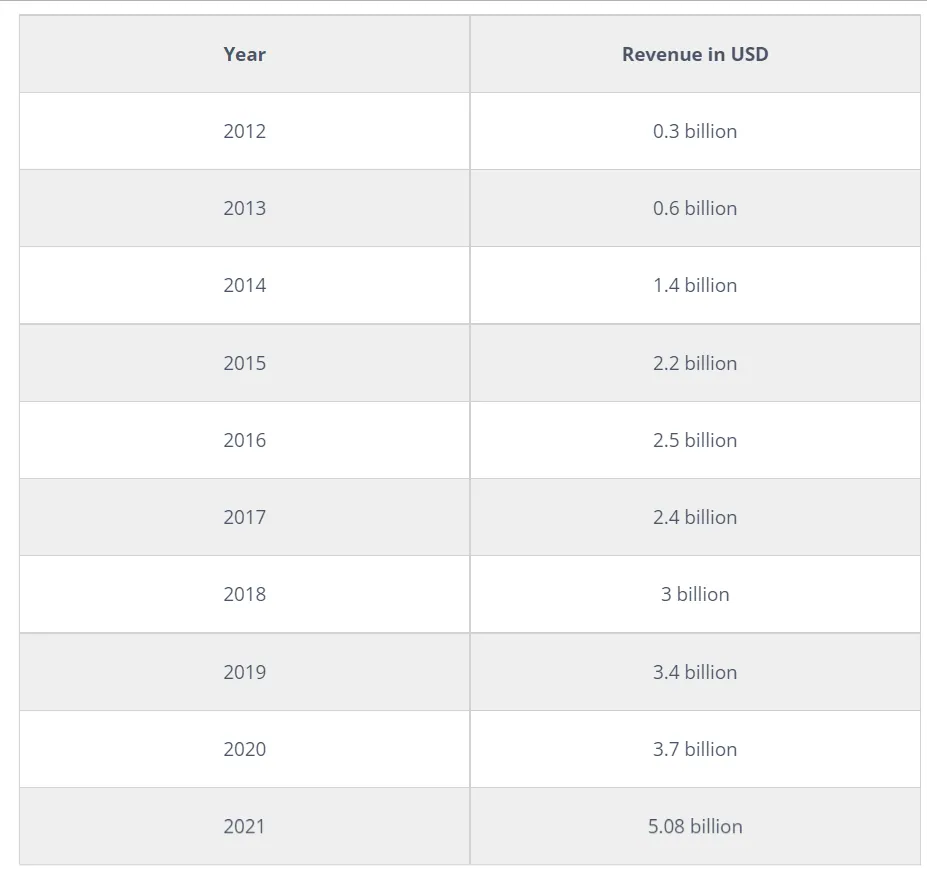
- In the year 2021, Twitter’s annual revenue exceeded $5 billion.
- One of the standout accounts on Twitter is @BarackObama.
- YouTube claims the title of the most popular brand account on LinkedIn.
- Twitter holds the position of the 9th most visited website globally.
- A significant 42% of Twitter users hold a college degree.
- Surprisingly, 391 million Twitter accounts have zero followers.
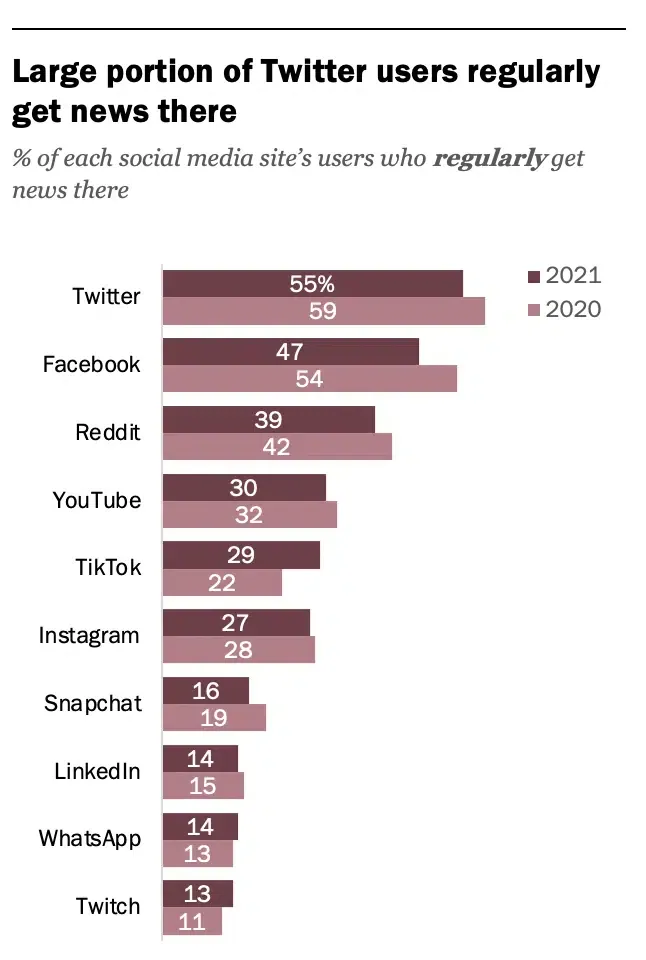
- In the US, 69% of users rely on Twitter for news consumption.
- As of March 2021, a staggering 500 million tweets are sent per day.
- A notable 74% of Americans use Twitter primarily for entertainment.
- The United States’ ad revenue on Twitter reached an impressive $785 million.
- Twitter enjoys popularity among B2B marketers, with 67% of them utilizing the platform.
- After Twitter banned Donald Trump, the user base experienced a significant 21% increase.
- A substantial 46% of users claim that Twitter has helped them gain a better understanding of world events.
- Twitter celebrated its 15th anniversary in March 2021.
- Twitter has taken action against terrorism by suspending over 44,000 accounts promoting such activities.
- The most tweeted emojis of 2020 were 😂 and 😭, reflecting the expressive nature of Twitter users.
Warning: Zero‑Follower Accounts Are Not Dead Weight
Over 391 million accounts have zero followers—many are automated or inactive. When targeting Twitter ads, use engagement‑based audiences (e.g., users who interacted with similar accounts) rather than raw follower counts. This improves ad relevance and reduces wasted spend.
User Stats And Facts About Twitter
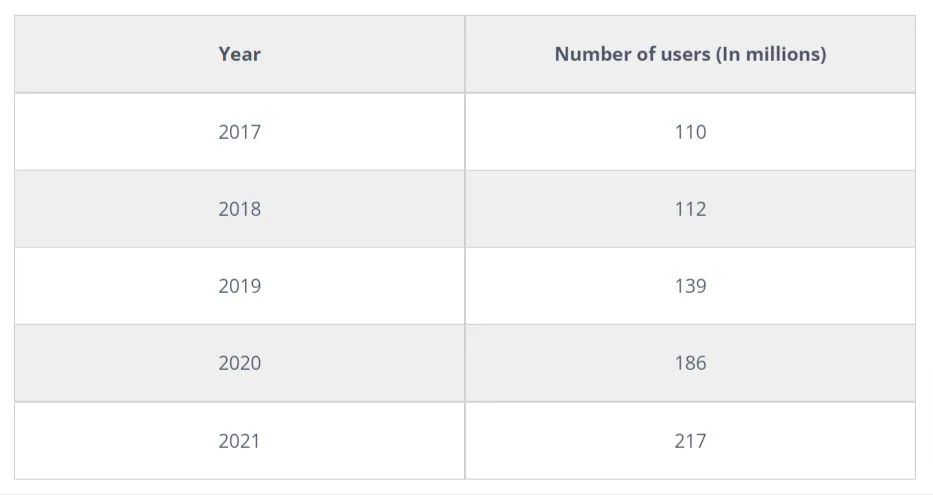
- Globally, Twitter boasts a user base of 396.5 million. While this number may seem comparatively less than platforms like Facebook and Instagram with billions of users, Twitter stands out with a dedicated and loyal audience. The platform attracts users who consistently return, evidenced by its impressive 206 million daily active users.
- In 2020, an impactful 52% of tweets originated from Generation Z, referring to individuals born between 1997 and 2012. This statistic underscores the active engagement of the younger generation on Twitter, signifying a positive trend.
- Nearly half of Twitter’s audience engages with news content on a daily basis. This finding aligns with the broader trend of many Americans seeking news from alternative sources beyond traditional media outlets, highlighting Twitter’s significance as a platform for staying informed.
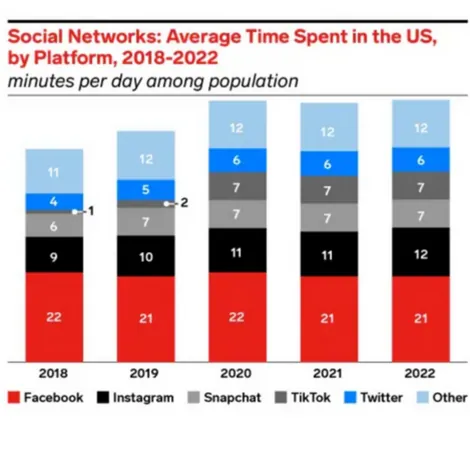
- On average, an adult from the US spends over 6 minutes each day on Twitter. The available data is supported by a graph illustrating the daily time spent on the platform by the average US adult.
- A noteworthy 96% of Twitter users in the US state that they use the platform regularly. However, when delving deeper into usage patterns, 96% of users mention that they visit Twitter once a month. On a daily basis, only 52% of users claim to use Twitter, while a substantial 84% indicate they engage with the platform once a week. These usage statistics offer a nuanced understanding of the frequency with which Twitter is accessed by its user base.
- One-fifth of Twitter users under 30 visit the site so frequently that it becomes challenging to keep up with them. This information proves valuable and essential for marketers, offering insights that can aid in crafting compelling marketing campaigns that resonate with this demographic.
- The largest audience on the platform hails from the United States, boasting a substantial 77 million users, as per recent reports. Following closely is Japan, securing the second position with 58 million users on the platform. These statistics provide a clear picture of Twitter’s user distribution across different regions.
Twitter Advertising & Marketing Statistics
The following data and statistics highlight why Twitter stands out as the optimal platform for advertising and marketing, emphasizing the advantages of running ads on this platform:
Twitter ads capture audience attention for 26% longer. Despite the prevalence of ads across various platforms, the latest report indicates that people are more inclined to engage with and watch ads on Twitter. This extended attention span on Twitter enhances the effectiveness of marketing efforts and underscores the platform’s appeal.
- The global engagement with ads on Twitter has seen a significant uptick, registering a 35% year-over-year increase. This surge in ad interaction makes Twitter an even more attractive platform for marketers, drawing increased interest from brands and advertisers.
- Twitter stands out as the platform with the lowest Cost Per Mille (CPM) among major social media channels. With an average CPM of $6.46, Twitter’s ads are notably more cost-effective compared to other platforms. For instance, Twitter’s CPM is 78% less than that of Pinterest, which charges $30.00.
- Twitter’s advertising revenue has exceeded $1.41 billion, reflecting a substantial 22% year-over-year increase. The trend of running ads on Twitter has seen surprising growth, and the platform is expected to maintain its appeal beyond 2022. This makes it an opportune time for businesses to leverage Twitter for enhanced brand awareness and the cultivation of a loyal customer base.
- Globally, 5.8% of adults over the age of 13 are exposed to Twitter advertisements. While this percentage may not be the highest, it’s crucial to consider Twitter’s specialized nature. Depending on your brand, this 5.8% could represent an engaged target group.
- A notable 82% of B2B (Business-to-Business) content marketers utilize Twitter for their marketing endeavors. Many businesses have turned to Twitter as a platform to share the latest content, promote offerings, and connect with their target audience. This statistic underscores the platform’s significance in the realm of B2B marketing, making it essential for firms to establish a presence on Twitter, as there’s a high likelihood that competitors are already leveraging the platform to foster such connections.
- A substantial 79% of Twitter users actively follow brands, with the primary motivation being the desire to stay informed with the latest updates. Many businesses share interesting and educational content, fostering a strong connection with followers who appreciate and support them.
- Twitter boasts a 40% higher Return on Investment (ROI) compared to other social media channels. This higher ROI emphasizes the platform’s effectiveness for businesses seeking tangible returns on their time and efforts.
- Brands launching marketing campaigns on Twitter are 2.3 times more likely to achieve Key Performance Indicators (KPIs). This data suggests that introducing new products or initiatives on the platform significantly increases the likelihood of meeting set goals. However, it’s essential to verify this trend’s applicability to your specific business before making assumptions.
- In the fourth quarter of 2021, Twitter’s advertising income reached $1.412 billion, showcasing a noteworthy 24% increase from the previous quarter.
- Official data from the fourth quarter of 2021 reveals a substantial 39% year-over-year rise in the cost per engagement (CPE) metric.
- The shift towards lower funnel ad formats and 15-second video views, despite having a higher cost per engagement (CPE), led to a 12% decrease in the overall number of ad engagements.
- Twitter’s revenue for the fourth quarter of 2021 reached $1.57 billion, with advertising revenue contributing $1.41 billion, reflecting a robust 22% year-over-year growth.
Twitter Demographics
In the UK, the Twitter app for iOS has seen over 162,000 downloads, indicating a preference among Twitter users in the UK for the iPhone. In comparison, the Android version of the Twitter app has been downloaded only 150,000 times.
The most popular age group on Twitter globally falls within the range of 25 to 34 years old. To provide an overview of Twitter’s age distribution worldwide:
- Ages 13 to 17 constitute 6.6% of users.
- The age group 18–24 makes up 17.1% of users.
- Users aged 25 to 34 represent the majority at 38.5%.
- The 35 to 49 age group comprises 20.7% of users.
- 17.1% of Twitter users are 50 years old or older.
- The majority of Twitter’s user base, comprising 70.4%, consists of men, making it an ideal platform for businesses targeting a male audience. In contrast, only 29.6% of Twitter users are female, highlighting a significant gender gap. However, when focusing on the UK’s user base alone, the distribution is more balanced, with 58.5% men and 41.5% women.
- In the United States, 46% of Twitter users log in every day, demonstrating the platform’s daily engagement.
- A substantial 6.45 million Canadian adults utilize Twitter as part of their social media landscape.
- Twitter’s user demographics reveal that only 18% of users are from rural areas, while 27% reside in metropolitan areas.
- For the total number of annual Twitter users, please refer to the latest official statistics or visit Twitter Annual Users.
Twitter Financial Statistics
- As of January 2022, Twitter holds a net worth of $35 billion.
- The overall revenue generated by Twitter in 2021 amounted to $5.08 billion.
- Twitter’s revenue for the fourth quarter of 2021 reached $1.57 billion.
- In the first quarter of 2021, Twitter’s revenue in the United States stood at $885 million.
- The international revenue for Twitter in the fourth quarter of 2021 reached $683 million.
- The cost per engagement (CPE) on Twitter experienced a 39% increase in the fourth quarter of 2021 compared to the previous year.
For a comprehensive overview of Twitter’s revenue per year, please refer to their official financial reports or visit Twitter Revenue.
Fun Facts About Twitter
- In the United States, Democrats are more inclined to use Twitter compared to Republicans.
- Approximately 500 million individuals use Twitter each month without logging in.
- Justin Bieber holds the title of the most followed musician on Twitter, boasting 114.4 million users.
- Ronaldo takes the lead as the most followed sportsperson on Twitter, with a substantial 92.1 million users.
- The average Twitter user has 707 followers.
- Improper hashtag usage prompts 19% of Twitter users to unfollow a brand.
- Twitter access is prohibited in China, Iran, North Korea, and Turkmenistan.
- Tweets containing GIFs witness a 55% increase in engagement, although only 2% of tweets incorporate GIFs.
- Twitter stands out as one of the most popular social networks for news consumption.
- Even if not active users, 90% of Americans are familiar with Twitter.
Twitter Profit
| YEAR | NET PROFIT / LOSS ($MM) |
|---|---|
| 2012 | -79 |
| 2013 | -645 |
| 2014 | -577 |
| 2015 | -521 |
| 2016 | -456 |
| 2017 | -108 |
| 2018 | 1206 |
| 2019 | 1466 |
| 2020 | -1136 |
| 2021 | -221 |
Why These Twitter Facts Matter for Your Marketing Strategy
Understanding Twitter’s data is only the first step. The real value comes from applying these insights to refine your targeting, content, and ad spend. Let’s break down how to use the key statistics:
- Gen Z dominates conversation: With 52% of tweets coming from users born after 1997, your tone, visual style, and topics should resonate with younger audiences. Memes, real‑time reactions, and authentic, unfiltered content perform best.
- B2B marketers are all in: 82% of B2B content marketers use Twitter. If your competitors are already there, you need a differentiated strategy. Use Twitter Lists to monitor competitors and industry influencers, then engage in their conversations.
- Ad attention span is longer: Twitter ads capture attention for 26% longer than other platforms. This means you can tell richer stories. Experiment with 15‑second video ads that educate or entertain, rather than purely promotional content.
- Low CPM, high ROI: With CPM as low as $6.46, Twitter is cost‑effective for testing audiences. Use Twitter’s Tailored Audiences to retarget website visitors or upload customer email lists for lookalike targeting.
- Users follow brands for updates: 79% follow brands to stay informed. Share behind‑the‑scenes, product launches, and industry news. Avoid over‑selling—provide value first.
Pro Tip: Optimize Your Profile for Discovery
Twitter’s search algorithm favors complete profiles. Use a clear profile photo, a header image that reinforces your brand, and a bio with relevant keywords (e.g., “SaaS for remote teams | Helping businesses scale”). Add a pinned tweet that showcases your best content or a lead magnet.
Twitter Algorithm & Engagement Hacks (2026 Update)
Twitter’s algorithm prioritizes recency and engagement. Tweets with high likes, retweets, and replies within the first hour gain extended reach. Here’s how to work with the algorithm:
- Post at peak times: Use Twitter Analytics to see when your followers are most active. For B2B, weekdays 9–11 AM and 12–2 PM often perform best.
- Use 1–2 relevant hashtags: Overusing hashtags (more than 3) decreases engagement. Research niche hashtags specific to your industry rather than generic #marketing.
- Include media: Tweets with images get 3x more engagement; those with GIFs see 55% more engagement. Use original visuals whenever possible.
- Encourage replies: Ask open‑ended questions, create polls, or invite users to share their opinions. Higher reply volume signals relevance to the algorithm.
- Thread your content: Long‑form threads (multiple connected tweets) often outperform single tweets because they keep users on the platform longer. Use a compelling first tweet to hook readers.
Warning: Avoid Automation Traps
Automated tweeting tools are acceptable for scheduling, but excessive automation without human interaction can trigger spam filters. Always engage manually with replies and mentions—genuine interactions build community and algorithmic favor.
Building a Twitter Marketing Strategy That Delivers Results
Based on the statistics above, here’s a step‑by‑step framework to build a high‑impact Twitter presence:
- Define your goals: Use SMART goals (e.g., increase website traffic by 25% via Twitter in Q2). Align your content and ad strategy accordingly.
- Audit competitors: Identify 5–10 competitors or industry leaders. Note their posting frequency, engagement tactics, and top‑performing content. Use this to identify gaps you can fill.
- Create a content mix: Balance educational content (tips, industry insights), entertaining content (memes, relatable posts), promotional content (product launches, case studies), and conversational content (polls, questions). Aim for an 80/20 rule: 80% value‑add, 20% self‑promotion.
- Leverage Twitter Spaces and Communities: Host live audio sessions to engage your audience in real‑time. Join relevant Twitter Communities to reach users already interested in your niche.
- Run targeted ads: Start with a small budget ($20/day) to test ad formats. Use engagement campaigns to grow followers, then retarget engaged users with conversion campaigns.
- Measure and iterate: Use Twitter Analytics to track impressions, engagement rate, link clicks, and follower growth. Adjust based on what resonates.
Key Takeaways: What the Numbers Tell You
- Twitter’s audience is educated and influential: 42% hold a college degree, making it ideal for B2B and thought leadership.
- Younger generations are driving growth: Gen Z accounts for over half of tweets—adapt your tone to be authentic and conversational.
- Ad costs are rising, but ROI remains strong: CPE increased 39% in 2021, yet Twitter still delivers a 40% higher ROI than other platforms. Focus on quality creative and precise targeting.
- Visuals boost engagement dramatically: GIFs increase engagement by 55%—use them strategically to add humor or highlight key points.
- News and entertainment dominate usage: 74% of Americans use Twitter for entertainment, 69% for news. Combine educational content with entertaining elements to maximize reach.
Frequently Asked Questions About Twitter Marketing
FAQ
How often should a business tweet per day?
For most brands, 3–5 tweets per day is optimal. Posting more than 8 can lead to follower fatigue and decreased engagement per tweet. Use a mix of original content, retweets, and replies. Schedule tweets during peak engagement times identified in your analytics.
What is the best time to tweet for B2B brands?
Based on general industry data, Tuesday–Thursday between 9–11 AM and 12–2 PM (local time) perform best for B2B. However, use Twitter Analytics to see when your specific audience is active. Run small tests with the same content at different times to determine your unique sweet spot.
How can I grow my Twitter followers organically?
Organic growth comes from consistent value. Engage with influencers in your niche by replying thoughtfully to their tweets. Participate in Twitter chats using relevant hashtags. Create a content series (e.g., #MarketingMonday) that users look forward to. Ensure your profile is optimized with a clear value proposition. Avoid follow‑unfollow tactics—they damage your reputation.
Is Twitter advertising worth it for small businesses?
Yes, especially if your target audience is active on Twitter (e.g., professionals, tech enthusiasts). With low CPM and precise targeting options (keywords, follower lookalikes, interests), you can reach relevant users with a modest budget. Start with $10–20/day, test two ad sets, and scale what works.
Viral tweets typically combine three elements: emotional resonance (humor, awe, anger), high engagement velocity (many replies/retweets in the first 30 minutes), and a hook that encourages sharing. They also often use a strong visual (image/video) and a conversational tone. Even with all factors, some virality is unpredictable—focus on consistently providing value rather than chasing viral moments.
Conclusion
So, these are the facts about Twitter that would help you create an effective marketing campaign and generate high brand awareness. The data and statistics provided above will help you choose how an audience needs to be targeted on Twitter. The data and statistics are based on proper research by our SEO experts. If you have any doubts or queries, you can just comment down below in the comment section and I will reply for sure!
Final Takeaway: Twitter remains a unique platform where real‑time conversations, niche communities, and targeted advertising converge. By applying the demographic, financial, and engagement insights from this guide, you can craft a strategy that not only grows your audience but also drives measurable business outcomes. Start with a clear goal, use data to refine your approach, and always prioritize authentic interaction over automation.