
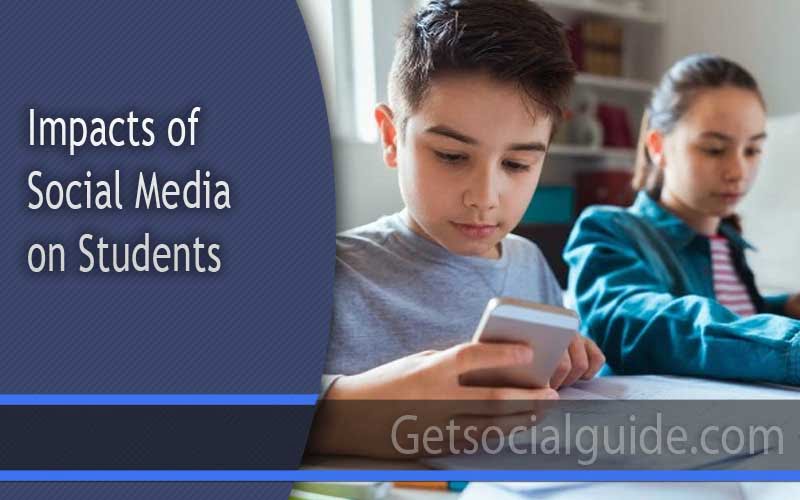
The most significant impacts of social media on the academic performance of students and how it is likely to affect your life and learning during your academic life.
Key Takeaways: Understanding Social Media’s Academic Impact
✅ The average student spends 3+ hours daily on social media, which correlates with lower GPA scores .
✅ Multitasking between studying and social media reduces information retention by up to 40% .
✅ Cyberbullying affects 1 in 5 students, leading to increased absenteeism and declining grades .
✅ Strategic social media use—such as educational groups and study communities—can enhance learning .
✅ Setting digital boundaries and using focus tools can mitigate negative effects while preserving benefits .
The advent of social media has transformed the world, revolutionizing how we connect, communicate, and access information. Today, social media platforms such as Facebook, Instagram, Twitter, and Snapchat are part of our daily lives, providing constant updates, news, and entertainment. While social media has brought many benefits, including the ability to connect with people across the globe, there is growing concern about its impact on student’s academic performance.
With the rise of social media, educators, parents, and researchers have expressed concerns that excessive use could distract students from their studies, negatively affect their cognitive abilities, and hinder their academic achievement. Many studies have investigated the impact of social media on students’ academic performance, with some suggesting that excessive social media use could lead to poor grades, reduced attention span, and diminished reading comprehension. A 2023 study published in the Journal of Educational Psychology found that students who checked social media more than 10 times per day had average GPAs 0.5 points lower than peers who checked less frequently .
Given the significant impact that social media can have on students’ academic performance, it is essential to examine the issue in more detail and explore ways to mitigate its adverse effects. This essay will provide a detailed analysis of the impact of social media on students’ academic performance, highlighting the potential benefits and drawbacks of social media use. Students who have difficulty writing and formatting their academic papers can always seek help from reputable custom writing companies like Peachy Essay.

Social media is neither inherently good nor bad for academic performance—its impact depends entirely on usage patterns, self-regulation, and the educational environment . When used strategically, platforms like YouTube, LinkedIn, and specialized Facebook groups can enhance learning through access to tutorials, expert networks, and peer collaboration. However, when usage becomes compulsive and unfocused, the same platforms can derail academic progress . Understanding this duality is the first step toward developing healthy digital habits .
Pro Tip: Leverage Social Media for Learning
Follow educational hashtags like #EduTwitter, #AcademicTwitter, and #StudyGram. Join private Facebook groups for your specific courses or majors. Subscribe to YouTube channels that offer tutorials in your subject area. Used intentionally, social media becomes a free extension of your classroom.
Distraction and Cognitive Load
Social media can be a major distraction for students, making it difficult for them to concentrate on their studies. The constant notifications, updates, and messages can be a significant source of interruption, leading to a lack of focus and reduced productivity. Additionally, the temptation to check social media during study breaks can lead to decreased productivity, as students may struggle to refocus on their studies after being distracted by social media.
Cognitive science research explains why this is so harmful. Every time a student switches attention from studying to social media and back, they experience what psychologists call “attention residue”—a phenomenon where part of their focus remains stuck on the previous task . It can take up to 23 minutes to fully refocus after a single interruption . Multiply that by the average student’s 50+ daily phone checks, and the lost study time becomes staggering .
Reduced Study Time and Poor Time Management
Many students spend significant time on social media, which can reduce their study time. Instead of focusing on their studies, students may spend hours scrolling through their feeds, watching videos, or chatting with friends. This can lead to poor time management and a lack of prioritization, as students may prioritize social media over their academic work.
According to a 2024 survey by the Pew Research Center, teenagers aged 13-18 spend an average of 3.5 hours per day on social media platforms . For college students, that number often exceeds 4 hours daily . When calculated across a semester, this represents hundreds of hours that could have been devoted to reading, research, or skill development . The opportunity cost is enormous and directly correlates with lower assignment scores and exam performance .
Procrastination and Academic Motivation
Social media can also contribute to procrastination, with students putting off their assignments or studying instead of spending time on social media. This can lead to a lack of motivation and poor academic performance, as students may need help to catch up on missed work or complete assignments on time.
Procrastination fueled by social media creates a vicious cycle: students feel anxious about looming deadlines, escape that anxiety by scrolling through feeds, feel guilty afterward, and then experience even more anxiety . This emotional rollercoaster depletes the mental energy needed for deep learning . The instant gratification of likes and comments also rewires the brain’s reward system, making the delayed gratification of good grades feel less compelling .
Cyberbullying and Mental Health Consequences
Social media can also lead to cyberbullying, significantly impacting students’ mental health and academic performance. Students who are victims of cyberbullying may experience anxiety, depression, and a lack of motivation, leading to poor academic performance. Additionally, cyberbullying can lead to decreased attendance, as students may be afraid to attend school due to fear of being bullied.
Cyberbullying has become a prevalent issue in today’s digital age, with social media playing a significant role in its occurrence. The anonymity provided by social media platforms has made it easier for individuals to harass, intimidate, and belittle their peers online. Cyberbullying can take many forms, including spreading rumours, making hurtful comments, sharing private information, and sending threatening messages.
The impact of cyberbullying on students’ academic performance cannot be understated. Victims of cyberbullying often experience significant emotional distress, which can lead to anxiety, depression, and a lack of motivation. These mental health issues can make it challenging for students to concentrate in class and complete their schoolwork, ultimately resulting in poor academic performance. Furthermore, cyberbullying can lead to decreased attendance, as students may feel afraid to attend school due to fear of being bullied.
Data from the Cyberbullying Research Center indicates that students who experience cyberbullying are twice as likely to attempt suicide and 1.5 times more likely to report earning mostly D’s and F’s compared to their peers . Schools with comprehensive anti-bullying programs that include digital citizenship education see significantly lower rates of both cyberbullying and its academic fallout .
Warning: Recognize the Signs of Cyberbullying
If you or someone you know experiences sudden changes in device usage, emotional distress after being online, withdrawal from friends, or declining grades without explanation, cyberbullying may be a factor. Report incidents to school authorities and trusted adults immediately—silence enables the behavior.
Sleep Deprivation and Circadian Disruption
Many students use social media late into the night, which can lead to sleep deprivation. Lack of sleep can significantly impact academic performance, leading to a lack of focus, reduced productivity, and poor grades. Additionally, sleep-deprived students may need help to retain information or complete assignments effectively, leading to poor academic performance.
The blue light emitted by phone screens suppresses melatonin production, making it harder to fall asleep even after putting the device down . But beyond blue light, the psychological stimulation of social media content keeps the brain in an alert state when it should be winding down . The “fear of missing out” (FOMO) drives students to stay online late, sacrificing the 8-10 hours of sleep that adolescents and young adults need for optimal cognitive function . Memory consolidation occurs during deep sleep—without it, learning from the day is never properly stored .
Plagiarism and Academic Integrity
Social media can also contribute to plagiarism, with students using information and ideas from social media without proper citation. This can lead to academic penalties and a damaged academic reputation. Additionally, students may rely too heavily on social media for information rather than conducting their own research, which can lead to incomplete or inaccurate information.
The ease of copying and pasting from social media posts, combined with a culture of sharing without attribution, has blurred lines for some students about what constitutes proper citation . Furthermore, platforms like TikTok and Instagram have normalized the use of others’ content without credit, creating confusion when students transition to academic writing . Educational institutions are responding with required first-year seminars on digital literacy and academic integrity, but students must take personal responsibility for understanding and avoiding plagiarism .
Social media addiction is a growing problem among students, leading to a lack of focus, reduced productivity, and poor academic performance. Students addicted to social media may struggle to complete their assignments or study effectively. Additionally, social media addiction can decrease physical activity and social interaction, negatively impacting overall health and well-being.
The World Health Organization has not yet classified social media addiction as a formal disorder, but researchers increasingly recognize it as a behavioral addiction with similar neurological patterns to substance dependence . The intermittent variable rewards of notifications—never knowing when a like or comment will arrive—create dopamine loops that keep students checking compulsively . This addiction manifests as anxiety when separated from phones, inability to reduce usage despite wanting to, and neglecting real-world responsibilities in favor of virtual engagement .
Social media can also harm students’ social skills, with students spending more time online than interacting with others in person. This can lead to social isolation, reduced communication skills, and poor academic performance. Students who struggle with social skills may find it challenging to collaborate with others on group projects or participate in classroom discussions.
Nonverbal communication—reading facial expressions, understanding tone of voice, interpreting body language—is developed primarily through face-to-face interaction . When screen time replaces conversation, these critical skills atrophy . Group projects, class participation, and even asking professors for help become more difficult, directly impacting grades . Employers consistently rank communication and collaboration among the top skills they seek, meaning social media overuse can affect career prospects long after graduation .
Reduced Memory Retention and Shallow Learning
Social media can also lead to reduced memory retention, with students relying on social media to store information instead of memorizing it. This can lead to poor academic performance, as students may struggle to recall important information during exams or assignments. Additionally, students relying too heavily on social media for information may not develop effective study habits, leading to long-term academic struggles.
The phenomenon known as the “Google effect” or digital amnesia describes how people remember where to find information rather than the information itself . When students use social media as a primary information source, they engage in shallow processing rather than deep encoding . Deep learning requires focus, repetition, and making connections to existing knowledge—all activities that fragmented social media use undermines . Over time, this creates a habit of superficial engagement with ideas that is antithetical to academic success .
Mental Health Issues and Academic Decline
Finally, social media can significantly impact students’ mental health, with studies showing that excessive social media use is linked to anxiety, depression, and other mental health issues. These issues can significantly impact academic performance, leading to a lack of motivation, reduced productivity, and poor grades. Additionally, students who struggle with mental health issues may find it difficult to attend school or complete assignments, which can decrease academic performance.
Social comparison theory explains part of this effect: students constantly compare their real lives to the curated, idealized versions they see on social media, leading to feelings of inadequacy and depression . The pressure to maintain a perfect online persona adds additional stress . Colleges have reported dramatic increases in students seeking mental health services, and many cite social media as a contributing factor . Addressing mental health is not separate from addressing academic performance—the two are inextricably linked .
While the risks are significant, it would be incomplete to ignore the educational potential of social media . When used deliberately, these platforms offer unique learning opportunities:
- YouTube tutorials provide visual explanations of complex topics, from calculus to literature analysis .
- LinkedIn Learning offers professional development courses that supplement academic curricula .
- Twitter academic communities allow students to follow researchers, join discussions, and access cutting-edge studies .
- Facebook study groups facilitate peer collaboration and resource sharing .
- Instagram educational content from museums, scientists, and historians makes learning visually engaging .
- Reddit academic communities (like r/AskHistorians) provide expert-vetted information .
The key difference between productive and harmful use lies in intention and moderation . Students who actively seek educational content and limit passive scrolling report higher satisfaction with both their social media experience and their academic progress .
Pro Tip: Create a Digital Study Environment
Use browser extensions like “StayFocusd” or “Freedom” to block distracting social media sites during study hours. Create a separate browser profile or phone home screen with only educational apps and bookmarks. Train yourself to associate your devices with productivity first, entertainment second.
Strategies for Mitigating Negative Impacts
Given the pervasive nature of social media, complete abstinence is neither realistic nor necessary . Instead, students, educators, and parents can implement evidence-based strategies to minimize harm while preserving benefits:
For Students
- Set time limits: Use built-in phone features (Screen Time on iOS, Digital Wellbeing on Android) to cap daily social media usage .
- Schedule “deep work” periods: Block out 90-minute sessions of uninterrupted study, with phone in another room .
- Turn off notifications: Disable all non-essential alerts to reduce interruption triggers .
- Designate phone-free zones: Keep phones out of bedrooms and study areas to improve sleep and focus .
- Curate your feed: Unfollow accounts that trigger negative comparisons and follow educational content instead .
- Use social media intentionally: Before opening an app, ask “What am I looking for?” rather than scrolling aimlessly .
For Educators and Institutions
- Integrate digital literacy: Teach students about social media’s psychological effects and healthy usage habits .
- Incorporate social media pedagogically: Use platforms for class discussions, resource sharing, and project collaboration .
- Provide mental health resources: Ensure counseling services address social media-related anxiety and cyberbullying .
- Model healthy behavior: Faculty should demonstrate balanced technology use in their own teaching practices .
For Parents
- Establish family guidelines: Create consistent rules about screen time, especially during homework hours and at night .
- Monitor without invading: Use parental controls appropriately while maintaining open communication about online experiences .
- Encourage offline activities: Promote sports, hobbies, and face-to-face socializing as counterbalances to digital life .
- Lead by example: Model the phone habits you want your children to adopt .
| Metric | Finding | Source |
|---|---|---|
| Average daily social media use (teens) | 3.5 hours | Pew Research Center, 2024 |
| GPA difference: heavy vs. light users | 0.5 points lower | Journal of Educational Psychology, 2023 |
| Time to refocus after distraction | 23 minutes average | University of California, Irvine |
| Students reporting cyberbullying | 1 in 5 (20%) | Cyberbullying Research Center |
| Students who check social media during class | 67% | Educause, 2024 |
| Students reporting anxiety without phone | 43% | Common Sense Media |
Educational institutions are increasingly incorporating social media-like elements into learning management systems to harness engagement without the distractions . Platforms like Canvas, Blackboard, and Google Classroom now include discussion boards, messaging features, and collaborative tools that mimic social media’s interactive appeal while maintaining an academic focus .
Additionally, a new generation of “ed-tech” apps uses gamification and social features to make studying more engaging . Apps like Quizlet, Kahoot!, and Duolingo incorporate leaderboards, challenges, and sharing capabilities that satisfy the social urge while reinforcing learning . Students can channel their desire for connection and competition into productive academic activities by choosing these tools over entertainment-focused platforms .
Frequently Asked Questions
Yes, when used intentionally. Educational YouTube channels, academic Twitter discussions, study groups on Facebook, and LinkedIn networking all enhance learning. The key is using social media as a tool rather than a distraction—actively seeking educational content rather than passively consuming entertainment .
Research suggests that more than 2-3 hours of recreational social media daily begins to correlate with declining academic performance . However, individual tolerance varies. A better measure is whether social media interferes with completing assignments, getting adequate sleep, or engaging in face-to-face relationships—if yes, usage is excessive regardless of hours .
Early warning signs include: consistently staying up late on your phone, checking social media during class or study time, feeling anxious when you can’t check notifications, procrastinating on assignments by scrolling, and seeing a gradual decline in quiz or assignment scores without other explanations .
Effective strategies include: establishing clear phone policies (like phone-free zones during instruction), incorporating active learning techniques that keep students engaged, educating students about cognitive costs of multitasking, and modeling focused technology use themselves .
Are certain platforms more harmful than others?
Research indicates that visually driven, algorithmically curated platforms like TikTok and Instagram Reels are associated with higher addiction potential and negative mental health impacts due to their endless scroll and comparison-inducing content . Platforms like LinkedIn and YouTube (when used for tutorials) tend to have more neutral or positive academic correlations .
Start with a 24-hour “digital detox” to assess your relationship with your phone. Use built-in screen time tracking to understand your usage patterns. Replace social media time with offline activities you enjoy. If you cannot reduce usage despite wanting to, consider speaking with a counselor who specializes in behavioral addictions .
Final Takeaway: Balance, Not Banishment
Social media is an integral part of modern student life, and its complete elimination is neither realistic nor necessary. The goal is mindful, intentional use that maximizes educational benefits while minimizing distraction and psychological harm. By understanding the mechanisms through which social media affects learning, students can take control of their digital habits and protect their academic futures.
In conclusion, social media has significantly impacted students’ academic performance, with many adverse effects. While social media can be a valuable tool for communication and information sharing, students need to be aware of the potential negative impact and take steps to limit their use of social media. Students can improve their academic performance and achieve their full potential by doing so. Educators and parents must collaborate to educate students about responsible social media use and encourage healthy habits supporting academic success.



I really like your post. Thanks for sharing this with us.
Thanks keep reading and sharing