How to Measure and Boost Search Engine Visibility
Core Insight: Search engine visibility is your website’s digital spotlight. A drop in visibility means fewer eyes on your content, but by systematically measuring key metrics and optimizing core SEO pillars, you can reclaim and elevate your position in search results.
Experiencing a drop in search engine visibility can be a major setback for businesses. But understanding the cause and taking action can help your business reclaim its position on SERPs and get more traffic and leads. Several factors contribute to your SEO Visibility score. Here are the key pillars to focus on:
Actionable Steps to Improve Visibility:
1. Keyword Research: The Foundation of Visibility
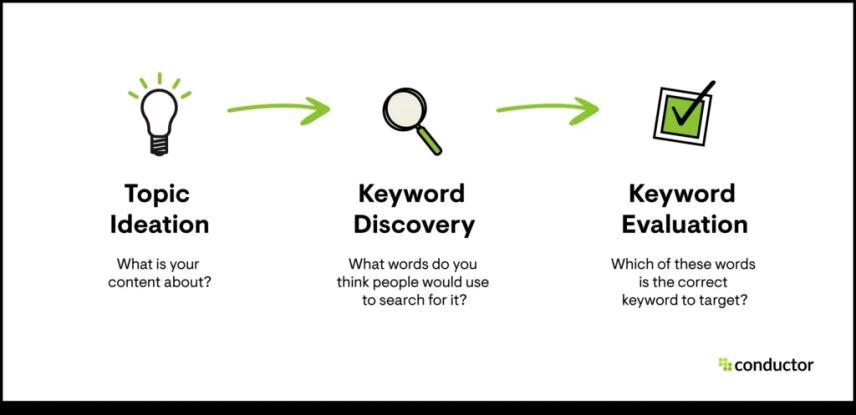
The search engine visibility test provides evidence about how much organic traffic your website receives from Google search results. The metric functions as an essential measuring tool which assesses Search Engine Optimization SEO performance by showing whether your SEO activities produce the expected results. The data can be utilized in multiple ways which depend on your specific business objectives. The system identifies new keyword possibilities which display search terms that your target users search for but your website has not yet achieved rank. The system shows your existing keyword performance which allows you to observe your progress and discover which areas need improvement.
You can use your search engine visibility data to assess your SEO results against your industry rivals. The process of comparing two things allows researchers to find valuable information about market changes and business competition. SEO visibility exists as a relative measurement which requires users to understand this fundamental fact. Your website will experience reduced search engine visibility when it loses ranking positions for particular keywords.
You must track both your keyword positions and the total visibility of your website to build your online presence. The search engine industry requires Google to update its algorithms on a regular basis and users must recognize this fact. Your website will experience visibility changes because of both the minor and major updates that happen on your site. You must actively track the newest SEO developments while analyzing their effects for complete understanding of SEO.
2. On-Page Optimization: Perfecting Your Content
Search engine visibility really sits at the heart of any good SEO strategy. If people can’t find your website, it’s basically like running a great shop that’s stashed away in some back alley with no sign out front. No matter how much effort you put in, most folks just won’t stumble across it. So, the real challenge is, how do you get your site out there in front of the people searching for what you offer? On-page optimization is where it all starts.
On-page SEO connects your website’s content directly with what people are actually typing into search engines. The goal is simple: make sure your content fits the keywords you’re targeting, but do it in a way that feels natural. If you cram in keywords awkwardly or force them into sentences, people notice—and not in a good way. They’ll bounce off your site, and search engines will pick up on that. The best on-page SEO goes a step further by weaving in Latent Semantic Indexing (LSI) keywords. Search engines look for these related terms—like “athletic footwear” or “jogging sneakers” if you’re selling “running shoes.” Using these phrases shows search engines you really know your topic, and that helps boost your relevance.
Most solid SEO services get how important search engine visibility is. They even build it into their analytics, so you can see exactly how visible your site is. Take SEO Ranking, for example. It gives you a visibility score, which isn’t just some throwaway number. It pulls together data on all your keywords—how often people click on your site in search results, how many people are searching those terms each month, and where your site sits in the rankings. This score isn’t just for show; it’s a powerful tool for sizing up your competition. You can see how you stack up, spot where you’re falling behind, and figure out where to focus your efforts to get ahead.
Search engine visibility is a metric that can be tracked over time to measure the effectiveness of your optimization efforts. It is an important metric to understand because it can be the difference between getting your website found and missing out on organic traffic and leads.
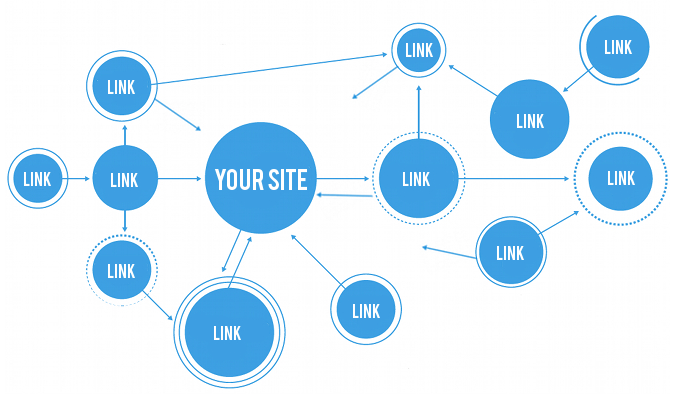
Link building is acquiring hyperlinks (or links) from other websites to your own. Search engines use these links when crawling the web, which might impact how well-positioned your page is. Ideally, the links you acquire will be from high-quality, authoritative sources. However, not all links are created equal.
For example, if you develop content that answers a common question, people may share and link to it. If the referring website has high authority, this will pass more PageRank to the linked page. It’s also a terrific strategy to search for broken links on other websites and provide your material as a replacement.
:max_bytes(150000):strip_icc()/social-media-final-8f48359ac9e7486eaf40932f4a9e2597.png "Measure and Boost Search Engine Visibility 4")
Google algorithms are top-notch and learn from users’ online behavior. The more people click on your page and spend a decent amount of time reading it, the better signal this gives to Google that your content is relevant, satisfies searchers’ intent and brings value.
Optimizing your website to be featured in a featured snippet increases organic CTR, significantly improving your SEO visibility. You can also boost your search visibility this way.
The best way to do this is to ensure that your above-the-fold content is super compelling and answers the user’s question about a keyword. Experiencing a dip in website traffic or keyword rankings can be stressful, especially when you aren’t sure why it happened. Conducting a competitor analysis and performing an SEO assessment will help you identify the reason for your SEO visibility loss and find ways to increase or reestablish it.
⚠️ Important Reminder: Search engine visibility is not static. It fluctuates with algorithm updates, competitor activity, and changes in user behavior. Continuous monitoring and adaptation of your strategy are non-negotiable for maintaining and improving your visibility over time.
Conclusion: A Holistic Approach to Lasting Visibility
The most important thing in getting your website found on Google is that it is a whole thing, and it is something you do always, and it is not something you do once and then forget it. It is like a three, weapon battle: technical SEO (like how fast your site is, and how good it looks on phones), on, page optimization (using the right words, good content), and off, page efforts (getting other sites to link to you, having your social networks doing stuff) for getting more visitors from searching that are free.
Key Takeaway: Start by accurately measuring your current visibility against competitors. Then, systematically strengthen your foundation with strategic keyword research, optimize every page for users and search engines, build quality links to establish authority, and leverage social signals to amplify your content’s reach. This comprehensive approach is how you build sustainable visibility that drives traffic and grows your business.