
Why SEO Must Be a Core Component of Your Modern PR Strategy
Public Relations and Search Engine Optimization are no longer parallel strategies; they are interconnected disciplines within the modern digital ecosystem. While PR cultivates reputation, trust, and third-party authority, SEO ensures that this authority is discoverable precisely at the moment of user inquiry. When combined, they create a powerful feedback loop where earned media strengthens credibility, and search visibility amplifies that credibility into sustained demand generation and brand recall.
A contemporary
PR agency
must now operate with an intrinsic understanding of search behavior, algorithmic relevance, and user intent modeling. The objective extends beyond coverage volume to securing impactful coverage—editorial placements that generate authoritative backlinks, contextual brand mentions, and entity reinforcement within a relevant semantic field. These placements become long-term digital assets rather than short-lived publicity wins.
This exploration examines the strategic integration of
SEO within your PR framework
,
highlighting operational methodologies, semantic alignment techniques, and the compounded impact this integration delivers across reputation management, discoverability, and conversion readiness.
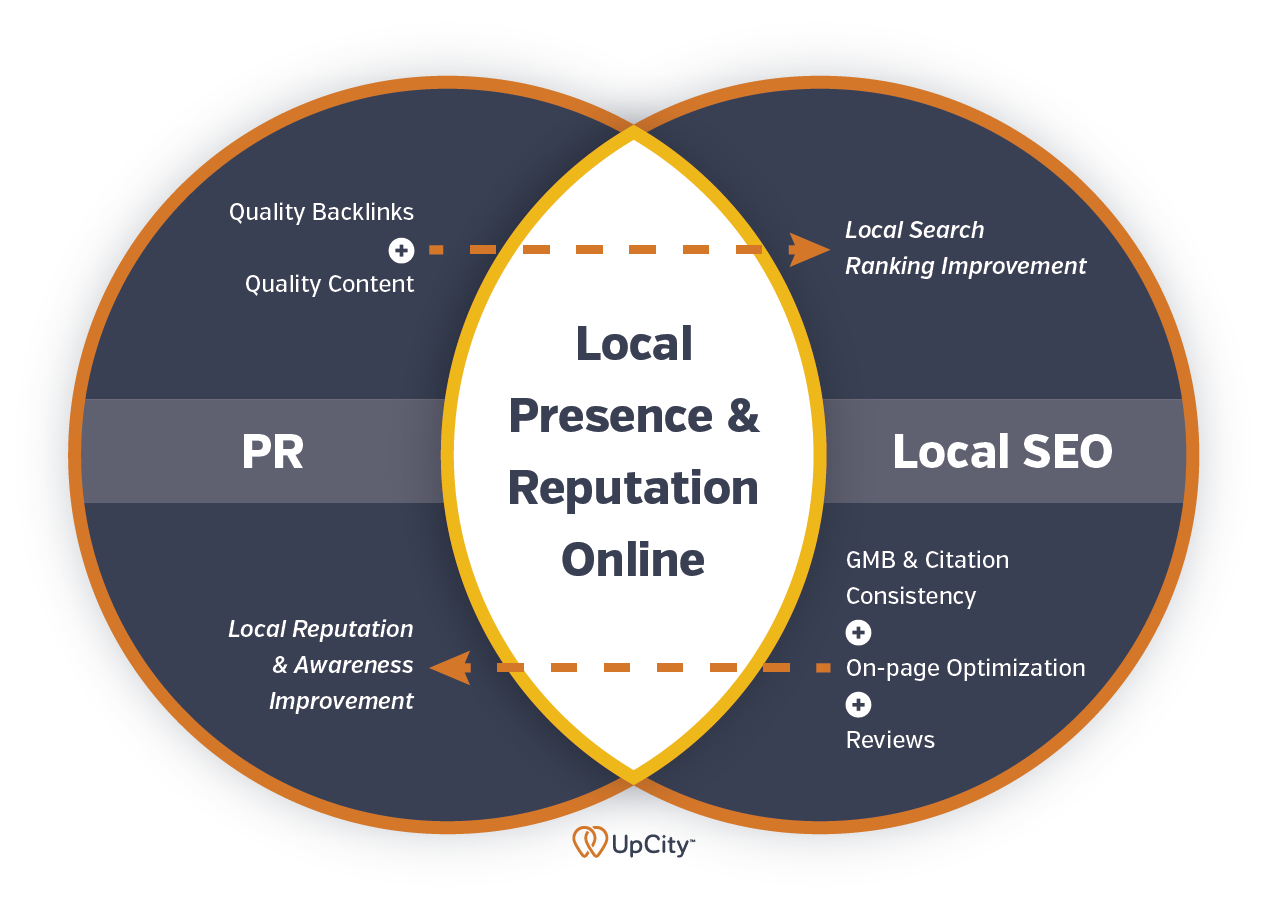
The Strategic Importance: SEO as a PR Force Multiplier
In today’s search-first information environment, a news feature or media mention that lacks search visibility has a limited lifespan. SEO transforms PR outputs from transient mentions into persistent, query-responsive touchpoints. It supports the full discovery journey of journalists, analysts, investors, partners, and buyers by ensuring your narrative dominates the semantic space surrounding your industry and solutions.
At the core of this integration are three interconnected pillars:
search visibility, which governs narrative reach;
query resonance, which aligns messaging with public demand; and
E-E-A-T signals, which are reinforced through authoritative editorial validation. A mature
SEO strategy
converts PR success into long-term topical authority and trust amplification.
Editorial backlinks act as entity confirmations, signaling to search engines that your brand is contextually trusted within a defined topical cluster.
A Strategic Framework: Integrating SEO into PR Operations
1. Develop Search-Informed Content & Press Materials
Press releases, bylines, and pitch narratives should be developed with semantic depth. This includes entity coverage, contextual modifiers, and intent-aligned phrasing rather than isolated keyword targeting. A single announcement should explain the problem space, the solution mechanics, and its industry relevance to satisfy multiple search intents simultaneously.
Outreach must prioritize publications with topical relevance and domain trust. One authoritative placement can outweigh dozens of low-context links by reinforcing brand legitimacy within Google’s knowledge graph and accelerating
topical authority development
.
Social amplification reinforces entity associations by combining branded terms, contributor handles, and industry signals. This secondary exposure increases crawl demand, editorial pickup, and natural co-citation potential.
4. Pursue Strategic Partnerships & Digital Co-Citation
Collaborative content with industry peers, academic bodies, or nonprofit organizations generates high-trust co-citations. These mentions strengthen contextual link profiles and support a sustainable
internal linking strategy
.
5. Systematize Review Acquisition & Reputation Management
Testimonials and case studies produce conversion assets while enriching your semantic footprint through natural language. This content reinforces trust signals and improves relevance across branded and non-branded queries.
6. Leverage Data-Driven Storytelling for Digital Pitch Angles
Original research and industry analysis act as linkable knowledge assets. When distributed strategically, they attract authoritative citations and position your brand as a reference entity within its niche.

Entity Map: PR & SEO Semantic Alignment
- Core Entity: Public Relations Strategy
- Supporting Entities: Search Engine Optimization, Digital Authority
- Related Entities: Media Publications, Google Knowledge Graph
- Process Entities: Editorial Outreach, Content Optimization
- Outcome Entities: Search Visibility, Brand Trust, Conversion Readiness
When multiple authoritative sources reference your brand within the same semantic cluster, search engines interpret this as consensus authority, significantly improving ranking stability.
Conclusion: The Indivisible Digital Communications Unit
The separation between PR and SEO is no longer viable. Modern digital leadership requires an integrated system where earned media, content strategy, and technical optimization function as a single authority-building engine. This unified approach ensures narratives are not only published—but discovered, trusted, and acted upon.