Search engine optimization (SEO) is essential for social media to enhance online presence and reach target audiences. Applying SEO techniques helps your content show up more on search engine results pages (SERPs), which makes it easier to find. In 2026, SEO and social media are no longer separate strategies; they combine into a single “Social SEO” approach — people aren’t just searching on Google anymore, they’re searching on Instagram, TikTok, and YouTube, and that shift is redefining SEO.
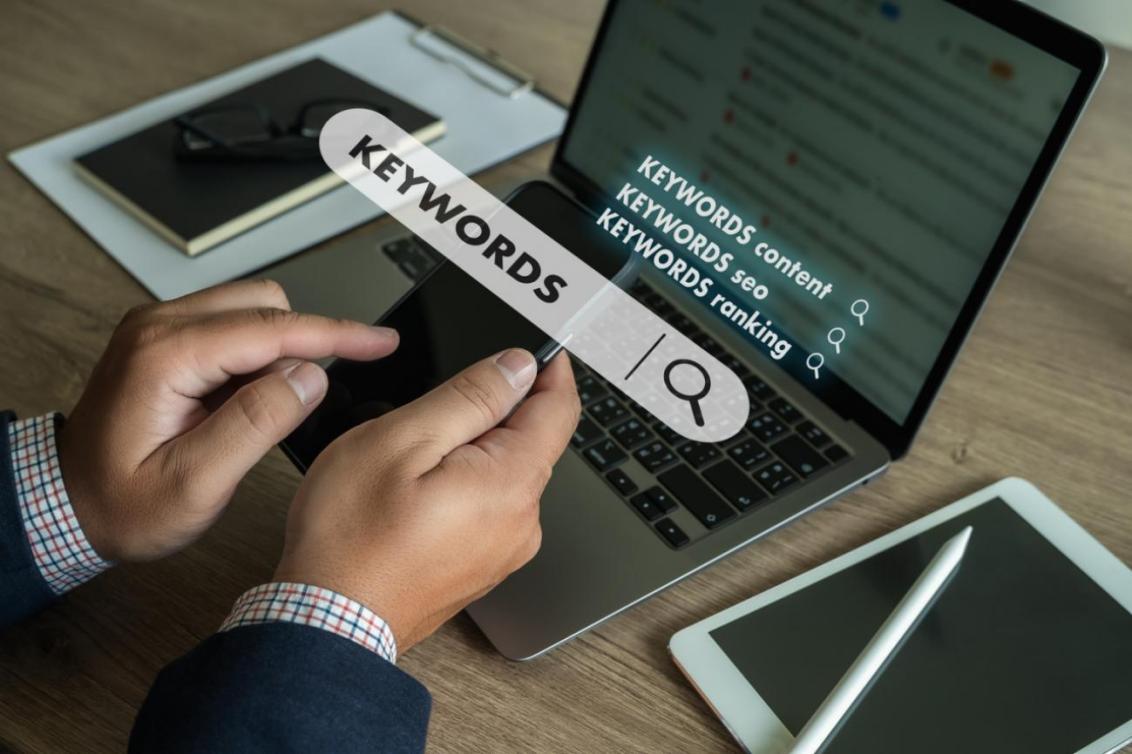
Social media keyword research identifies the words and phrases that people use to discover content, products and conversations across social networks. Unlike traditional keyword research, which focuses on ranking in search engines, social keyword research reveals how audiences search, speak and engage in real time. According to a Forbes report, 24% of consumers now prefer social media platforms for searching for items like restaurants, fashion, and sports updates. Moreover, 41% of Gen Z have a social-first search mindset, and 37% of consumers overall start their product research on social media.
Integrating SEO into your social media strategy is vital for boosting the visibility of your content. It helps reach the perfect audience exactly when they need it. In an era where online platforms compete for recognition, mastering search engine optimization (SEO) is essential. Enhancing your social media strategies using SEO has long-lasting effects and provides sustainability. Unlike paid advertising, SEO strategies drive organic traffic and engagement over time. According to Lakeland SEO, consistently optimizing social media content builds a solid foundation for brand growth and success.
While social signals like shares, comments, and likes are not a direct ranking factor for Google, they create powerful indirect benefits: increased traffic, brand awareness, and natural backlink opportunities. In the AI era, social proof also influences how AI systems evaluate content authority.
Conducting thorough keyword research is crucial for optimizing your online presence. Searching for keywords and phrases that resonate with your target audience is vital, but the approach for social SEO differs from traditional search engine optimization.
- Understand user intent across platforms: Knowing what the user wants when doing keyword research is essential. Think about what your audience is searching for and why they’re searching for it. For example, TikTok and Instagram are used for emotion-led visual discovery and trend-hunting, whereas YouTube and Reddit are for deep intent and long-form learning.
- Leverage autocomplete and social listening: Use platform autocomplete features to discover your audience’s search habits. Employ social listening to identify trending topics and user intent, which can enhance the discoverability of both your website and social media content.
- Focus on long-tail and conversational keywords: On social media, people search using natural language. Incorporate long-tail phrases that reflect how people actually talk, like “best affordable running shoes for beginners” instead of just “running shoes.”
- Analyze competitor keywords in social bios and posts: Examine what keywords your competitors are using in their profiles, hashtags, and content. This can help you find gaps and discover untapped opportunities.
- Monitor trends and adapt continuously: Regularly monitor keyword trends, industry changes, and user behavior. Unlike traditional SEO keywords that may be stable, social keywords shift with culture and news cycles.
To create a successful and sustainable digital presence, balance SEO optimization with user experience. Use keyword research tools like Google Keyword Planner, SEMrush, or Moz to find relevant, high-performing keywords, but also rely on native social analytics to understand what your specific audience is searching for within each platform.
Optimizing social media profiles is vital for an effective SEO strategy. Infuse relevant keywords into your bio, username, and descriptions. A keyword-optimized bio and handle tell the search algorithm exactly what you’re an authority on. This way, you enhance visibility and amplify your presence in search engine results.
- Bio optimization: Your social media profile bio should provide a concise overview of your brand or business, using relevant keywords to describe your products or services naturally. For example, a digital marketing agency might include “B2B SaaS SEO | Content Strategy | Social Media Growth” in their bio.
- Username and handle consistency: Use a unique username and social media handle that reflects your brand. Consistent naming across platforms strengthens brand recognition and searchability.
- Compelling “About” sections: Optimize your social media profile descriptions to provide context about your brand and incorporate relevant keywords. Write a compelling, concise description that reflects your brand’s identity, values, and offerings.
- Cross-platform alignment: Maintain consistent brand messaging and keyword usage across social media platforms to establish a robust online presence and reinforce your brand’s identity.
- Regular profile audits: Regularly monitor your social media profiles’ performance to improve your SEO strategy. Analyze keyword trends, industry changes, and target audience interests, and adapt your profiles based on these insights to ensure relevance.
Remember to balance keyword optimization with providing your audience valuable, engaging content. A fully completed profile with relevant keywords helps both social platforms and search engines understand your topic and serve your content to the right users.
3. Create Search-Optimized, Engaging Content That Ranks
Create high-quality, engaging content. Focus on providing valuable information and mixing keywords in the most organic and authentic manner possible. Infuse brand-related keywords naturally in your social media posts, captions, and hashtags. Use variations of your targeted keywords to boost your ranking in search results.
Beyond basic optimization, consider these advanced content strategies:
- Create AI-ready, structured content: Develop content that is easy for AI and social platforms to cite. This means using clear headings, bullet points, and answering specific questions directly so your brand shows up first where buyers look.
- Turn top blog content into social posts: Repurpose your highest-performing blog articles into multiple social media formats (e.g., infographics, short videos, quote cards) to extend their reach and earn organic backlinks through shareable social content.
- Write captions that serve the algorithm and your audience: Use relevant keywords in the first 1-2 lines of your caption, as this text is often what’s indexed. Avoid overly promotional language; focus on providing value and sparking conversations.
- Use hashtags as search tools, not decoration: Hashtags are your primary keyword tool on many platforms. Use a mix of broad, niche, and branded hashtags. Research which hashtags your target audience follows and searches for.
- Encourage user-generated content (UGC): UGC provides authentic social proof and creates a constant stream of fresh, keyword-rich content about your brand.
Search engines now index social content more actively. Tweets, LinkedIn posts, YouTube Shorts, and even TikTok or Instagram posts can appear in Google search results. Therefore, every piece of social content you create is an opportunity to be discovered.
Optimize your images for search engines by using descriptive file names and alt tags. Use relevant keywords that accurately describe the image content. Providing context to your images can help search engines understand their meaning, enhancing their discoverability. With the rise of visual search on platforms like Google Lens, Pinterest Lens, and even TikTok, image and video SEO is more important than ever.
- Descriptive file names: Before uploading an image, rename the file from “IMG_1234.jpg” to something descriptive like “organic-cotton-tote-bag.jpg”. This simple step provides a strong relevance signal.
- Optimized alt text: Write clear, concise alt text for every image that describes what’s shown and includes a relevant keyword where natural. This is crucial for accessibility and helps search engines understand visual content.
- Add video transcripts and closed captions: For video content, upload transcripts and use native captions. This makes your video text searchable and can significantly boost its visibility in both social and Google search results.
- On-screen text is now indexable: Platforms like Instagram and TikTok are increasingly indexing text that appears within videos and images. Include keyword-rich captions or text overlays in your visuals.
- Compress images for fast loading: Social media platforms and search engines prioritize fast-loading content. Use tools to compress your images without sacrificing quality to improve user experience.
Public Instagram professional accounts are now indexable by Google, and Google is actively indexing more social content than ever before. Optimizing your visual assets for search ensures they can be discovered not just within their native platform, but across the entire web.
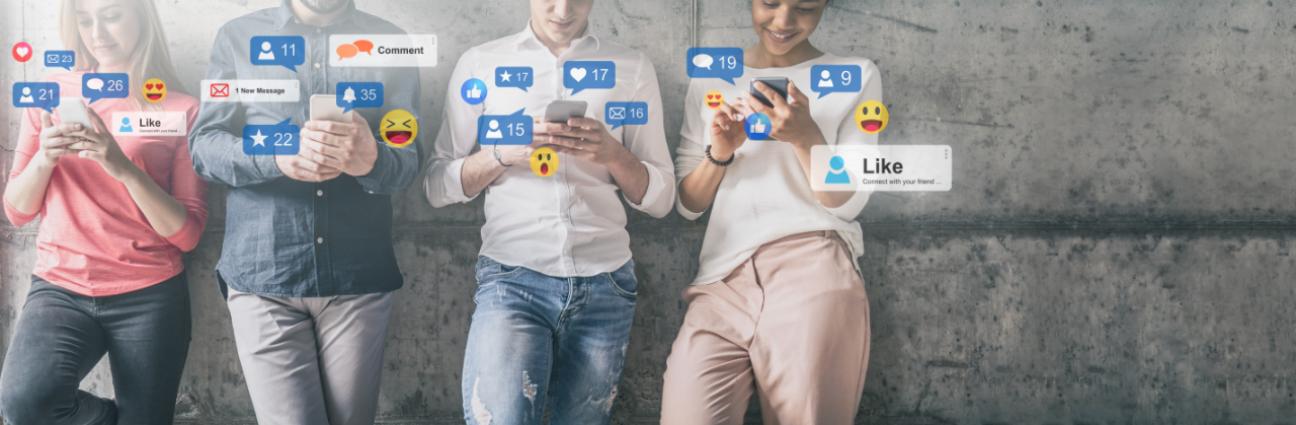
Consistently post high-quality content and engage with your audience. Search engines value active and relevant social media profiles. Regularly posting and interacting with your followers can improve your SEO ranking through indirect mechanisms. Encourage user-generated content and promptly respond to comments and messages to foster engagement and build a solid online community.
While social signals like likes, shares, and comments are not a direct ranking factor, their indirect impact is substantial. Here’s how they work in practice:
- Traffic generation: Social engagement drives visitors who engage with your content, creating positive user experience signals (like longer time on site) that contribute to search rankings.
- Natural backlink acquisition: Journalists, bloggers, and content creators discover content through social channels, leading to high-quality editorial backlinks. Viral posts attract diverse creators who link to your site.
- Increased brand searches: Social visibility generates more branded queries in search engines, which is a strong authority and trust signal.
- Content validation & AI visibility: High engagement signals to algorithms (including AI systems like Google’s AI Overviews) that your information is valuable and credible.
In the AI era, large language models (LLMs) crawl trending social data to generate answers. A YouTube video transcript, a LinkedIn post, or a Reddit thread can now be used to inform AI-generated answers in tools like ChatGPT, Google’s AI Overviews, and Perplexity. Your brand needs to show up in both regular search results and AI-generated answers to maintain visibility. This is a core reason why an integrated SEO and social media strategy has become non-negotiable for serious brands.
The brands that win in 2026 are focused on creating signals that persist – signals that show up consistently across traditional search, social platforms, and AI-powered answers.
🌍 BONUS: Local SEO & Google Business Profile Integration
For local businesses, integrating SEO with social media offers a unique advantage. Your social media posts can appear directly on your Google Business Profile, increasing your local visibility. When you post on social media, especially with location tags and local keywords, it can reinforce your local relevance to both search engines and customers. According to recent data, tailoring keyword strategies with location-specific terms (such as your city or neighborhood) can significantly enhance your chances of ranking higher in local search results.
🎬 BONUS: Video SEO for YouTube, TikTok, and Reels
Video content is the most powerful and searchable format on social media. To maximize its SEO impact:
- Optimize titles and descriptions with primary keywords, mirroring classic SEO practices for YouTube, which is the world’s second-largest search engine.
- Use keyword-rich video transcripts and native closed captions to make your content indexable.
- Leverage video content to earn featured snippets and appear in AI-powered search results.
- Create “edutaining” content that directly answers audience questions, positioning your brand as a trusted resource.
Social listening is an underrated SEO goldmine. By monitoring conversations around your brand, competitors, and industry, you can:
- Discover new keywords and emerging trends before they peak.
- Uncover customer pain points and address them in your content.
- Identify influencers and brand advocates who can amplify your reach.
- Track sentiment and refine your messaging.
Tools like Sprout Social, Brand24, and even free native social listening features can provide daily social mentions data, helping you better understand the keywords people are actually using to talk about your topic on social media.
Conclusion & Strategic Roadmap
Remember, integrating SEO into your social media strategy is a continuous process. Stay updated with the latest SEO trends and algorithm changes. Monitor and analyze your social media performance to refine your approach.
By optimizing your social media content for search engines, you can attract more visibility, increase awareness, and drive organic traffic to your brand. Here is a simple roadmap to get started today:
- Audit your current social profiles for keyword optimization and completeness.
- Conduct platform-specific keyword research using both traditional tools and social listening.
- Create and optimize a piece of content (video or image) with SEO best practices.
- Engage consistently and track how social activity correlates with branded searches and website traffic.
- Review and adjust quarterly based on performance data and emerging trends.
- Social SEO is non-negotiable in 2026: With nearly one in three consumers skipping Google to start their search on social media, your social content must be optimized for discovery within these platforms.
- Keywords, captions & hashtags are the new metadata: Treat every piece of social content as an opportunity to rank, using natural keyword integration throughout.
- Social signals build authority: While not direct ranking factors, social engagement drives traffic, earns backlinks, and boosts brand visibility, all of which are critical for SEO.
- Platform-specific optimization is crucial: What works for YouTube won’t work for LinkedIn or TikTok. Tailor your strategy to each platform’s search behavior and content preferences.
- Consistency and active engagement signal value: Post regularly, respond to your audience, and encourage user-generated content to keep your social profiles relevant and authoritative.
- Video and visual search are the future: Optimize all images and videos with descriptive file names, alt text, transcripts, and on-screen text to capture visual search traffic.
- Dos and Don’ts of Social Media Marketing
- Ultimate Guide to Social Media Image Sizes
- 8 Effective Ways B2B Businesses Can Integrate Social Media
- Importance of Sitemap.xml File in Your Blog
Frequently Asked Questions (FAQ)
A: No, Google has confirmed that social signals (likes, shares, follows) are not a direct ranking factor. However, they create powerful indirect benefits like increased traffic, brand searches, and natural backlinks—all of which are major ranking signals.
A: Use a combination of traditional keyword tools (like Google Keyword Planner) and social-specific methods like platform autocomplete, hashtag research, and social listening to discover what your audience is actually searching for in real time.
A: Yes. Google actively indexes social content from platforms like YouTube, LinkedIn, X (Twitter), and increasingly Instagram and TikTok. Optimized posts with relevant keywords have a chance to appear in both platform search and Google SERPs.
A: Traditional SEO focuses on ranking a website in search engines like Google. Social SEO focuses on optimizing your social profiles and content to be discoverable within social platforms (e.g., TikTok search, YouTube search) and in search engines. A combined strategy is essential in 2026.
A: Consistency is more important than frequency. Establish a sustainable cadence (e.g., 1-2 times per day on X, 3-5 times per week on LinkedIn), and always prioritize quality and relevance over posting volume. Search algorithms value active, engaged profiles.
A: Absolutely. Your Google Business Profile can display your social media posts, and using consistent local keywords across your profiles reinforces your relevance for location-based searches, boosting both local SEO and social discoverability.
A: AI tools like Google’s AI Overviews and ChatGPT now crawl social content to generate answers. High-quality, keyword-optimized social content can be used by these AI systems to answer user queries, dramatically expanding your brand’s visibility beyond traditional search.