7 Different Ways To Download Free Music – Full Guide (2026)
Music is a fundamental entity in our daily lives. We consume it via streaming platforms when we wake up, during high-intensity interval training (HIIT), while commuting, and when decompressing. For many, high-fidelity audio is a source of comfort and dopamine regulation. Unfortunately, building a comprehensive library of lossless audio or even standard MP3s can be expensive. In 2026, with rising subscription costs and the resurgence of local file ownership, knowing how to legally acquire free music is more valuable than ever.
Fortunately, the digital landscape offers numerous methods to download free music legally, whether you are hunting for the latest billboard hits or obscure Golden Age Hip-Hop tracks. While you can use a music streaming service like Spotify or Apple Music for cached offline listening, owning the actual files requires different protocols. Below is a comprehensive guide to building your offline library in 2026.
Here are 7 different ways to download free music (2026 edition)
1 Join Online Music Communities
When searching for royalty-free music or independent releases, joining an online music community is a superior strategy. Platforms like Reddit (r/freemusic, r/FreeMusicMP3), Discord servers (e.g., “Music Archival” or “SoulSeek Hub”), and artist-fan forums are populated by audiophiles who curate and share legal download links.
These communities often track Bandcamp Fridays (where artists may offer “pay what you want” or even free downloads) or share Creative Commons releases. Beyond just downloads, these forums allow you to discuss metadata, bitrates, and genre classifications with other members. In 2026, communities like r/riprequests (for public domain and shared archives) and Internet Archive’s Audio Forums have become essential resources for collectors.
2 P2P and Decentralized Sharing Networks
If you prefer owning files over renting a stream, you might encounter Peer-to-Peer (P2P) networks. These networks use decentralized technology like the BitTorrent protocol to distribute files. Unlike a central server, the files are hosted by the user swarm.
While historically controversial, platforms like the Internet Archive utilize similar archiving principles to host massive libraries of Public Domain live concerts and audio. For music-specific P2P, Soulseek (Nicotine+) remains the gold standard for legal file sharing of rare, out-of-print, or artist-approved content. Always ensure you are accessing content that is Copyleft or legally authorized for distribution to avoid ISP copyright strikes. In 2026, many independent artists actively share their music via torrents on sites like Bandcamp (via RSS feeds) or Internet Archive.
3 Converting YouTube Audio (Stream Ripping)
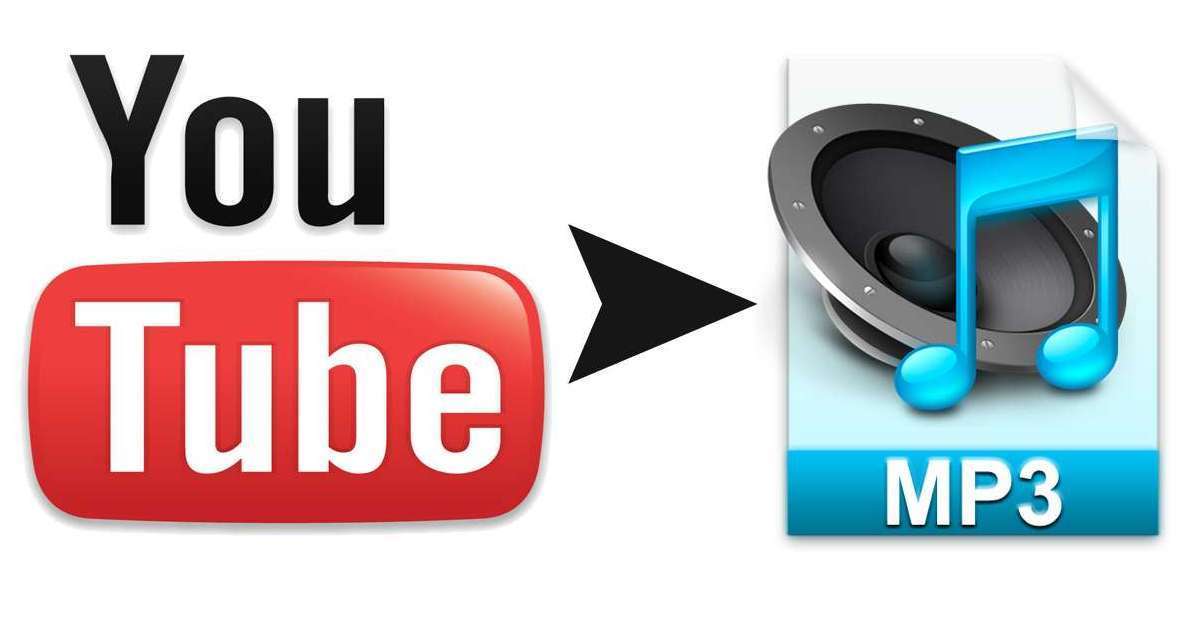
A popular method involves using a YouTube to MP3 converter to extract the audio track from a YouTube video. This is technically known as “stream ripping.” The output is typically a standard compressed audio file (128 Kbps to 192 Kbps).
4 Digital Mixtape Platforms
In the digital age, the “Mixtape” entity has evolved from physical cassette tapes to digital compilations hosted on specialized platforms. Sites like Spinrilla, LiveMixtapes, MyMixtapez, and the archives of DatPiff (which has been revived by its community) are pillars of the Hip-Hop and electronic music communities.
These platforms host official promotional releases from artists who want to bypass traditional distribution channels. These downloads are 100% legal and often sponsored by the artists themselves. This is the primary method for obtaining street albums, remixes, and DJ blends that never make it to Spotify due to sample clearance issues. In 2026, many mixtape platforms now also offer high-quality streaming and direct download links without registration.
5 Music Management and Downloader Software
While most operating systems include a basic media player, dedicated Music Management Software is essential for organizing a large free library. Tools like MediaMonkey (now with cloud integration), MusicBee, and the open-source Strawberry act as central hubs.
These software solutions allow you to tag metadata (Album Art, Artist, Year), manage playlists, and even record valid audio streams (analog hole). They support various formats including FLAC (Free Lossless Audio Codec), OGG, and MP3, ensuring your downloaded library remains organized and accessible across devices. In 2026, many of these tools also integrate with streaming APIs to download your own uploaded music.
6 Freemium Music Apps with Offline Mode
Mobile applications have revolutionized access via “Freemium” models. Apps like Audiomack, Trebel, and SoundCloud Go (limited free downloads) allow you to download free music legally by offsetting the cost with advertisements. Unlike typical streaming, these apps often allow offline playback without a paid subscription.
This is distinct from piracy; the artists are compensated through the ad revenue generated while you browse. These apps are ideal for discovering trending genres like Afrobeats, Dancehall, Hyperpop, and Phonk without risking malware from shady websites. In 2026, platforms like Resound and Free Music Archive (FMA) have also launched dedicated mobile apps with offline caching.
7 Physical Media Ripping and Archiving

While not a “download” in the traditional sense, CD Ripping remains one of the highest-quality methods to acquire free digital music. By borrowing CDs from your local Public Library or friends, you can use software like Exact Audio Copy (EAC) or X Lossless Decoder (XLD) to “rip” the audio into lossless digital files.
If you are an independent artist distributing your own free music, you might use CD duplication services like CD Baby or Kunaki to create physical backups of your digital releases. These services allow for the mass production of physical media, which often includes digital download codes for fans who lack CD players. In 2026, vinyl records have also seen a resurgence; many new releases include a download code, and tools like VinylStudio can digitize your vinyl collection.
Frequently Asked Questions about Free Music Downloads (2026)
What is the safest website for free music downloads in 2026?
The safest repositories are Bandcamp (filter by “free”), SoundCloud (tracks with download enabled), Jamendo, The Internet Archive (Audio Archive), and Free Music Archive (FMA). These platforms enforce strict copyright policies, ensuring the files you download are free from malware and legal ramifications.
Is converting YouTube to MP3 legal in 2026?
Technically, it violates YouTube’s Terms of Service. Legally, it falls into a gray area depending on the content. Converting Creative Commons or Public Domain videos for personal use is generally considered acceptable, whereas ripping copyrighted music videos is copyright infringement. YouTube has also implemented stricter DRM, making many online rippers obsolete.
How can I get high-quality (320kbps or FLAC) free music?
Most “YouTube Converters” only offer low-quality 128kbps audio. For high-fidelity audio, use Bandcamp (which offers FLAC/WAV for free downloads on many “name your price” albums) or look for Lossless rips on the Internet Archive. Also, some indie labels offer FLAC downloads via their own stores.
Do I need a VPN for free music downloads?
If you are accessing legitimate sites like Bandcamp or Audiomack, a VPN is not necessary. However, if you are navigating P2P networks or sites with aggressive pop-up ads, a VPN is recommended to protect your internet connection and privacy. In 2026, many ISPs actively monitor torrent traffic, so a VPN is essential for any P2P activity.
Conclusion – Building a Legal Digital Library in 2026
The distinction between streaming and owning is becoming blurred, but the value of a locally stored music library remains high. Whether you utilize Creative Commons archives, Freemium apps, or Digital Mixtape hubs, prioritizing legal and safe sources ensures your collection is sustainable. Always scan downloaded files for viruses and support the artists whenever possible by attending shows, buying merchandise, or sharing their music legally.
This comprehensive guide to downloading free music is part of GetSocialGuide’s ongoing mission to provide safe, legal, and practical digital lifestyle advice. Last updated: April 2026.