Introduction: Embracing the Digital Nomad Revolution
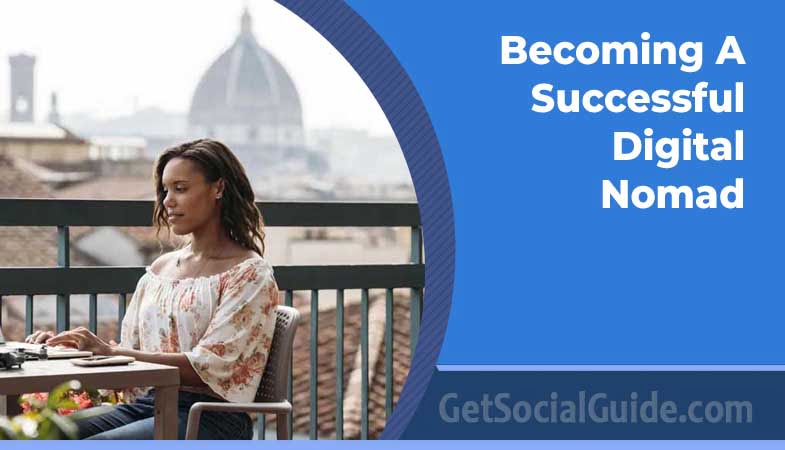
The very fabric of work and lifestyle is undergoing a seismic transformation in our hyper‑connected, rapidly evolving global society. Propelled by unprecedented advancements in digital technology, cloud computing, and ubiquitous high‑speed internet, a powerful new archetype of professional has emerged: the digital nomad. This growing global community has boldly redefined success, trading traditional office confines for a location‑independent lifestyle that merges purposeful work with global exploration.

The digital nomad lifestyle represents more than mere remote work; it’s a conscious philosophy prioritizing freedom, flexibility, and experiential richness. However, the idyllic social media portrayal often glosses over the strategic planning, discipline, and savvy required to thrive long‑term. This comprehensive guide delves deep into eight invaluable, actionable hacks designed to equip you for sustainable success as a digital nomad, ensuring your journey is not only adventurous but also professionally rewarding and personally fulfilling.
💡 Pro Tip: Before quitting your job to become a digital nomad, test the waters with a 2‑4 week “workation” to see if the lifestyle suits you. Many successful nomads started with short trips before making the permanent leap.
1. Secure Reliable, Diversified Remote Income Streams
The cornerstone of any sustainable digital nomad career is financial stability. Unlike a stationary life with predictable costs, nomadic living introduces variable expenses like fluctuating accommodation rates, travel insurance, and cross‑border transit. Your first and most critical mission is to establish a reliable remote work foundation before embarking on your travels.
Building Your Remote Income Portfolio
A robust approach involves diversifying your income streams to mitigate risk. Relying on a single client or platform is a precarious strategy. Explore multiple avenues:
- Freelancing & Contract Work: Platforms like Upwork, Toptal, and Fiverr are excellent starting points. Specialize in in‑demand remote skills such as copywriting, SEO, web development, digital marketing, or virtual assistance. The key is to transition from platform dependence to cultivating direct, long‑term client relationships.
- Remote‑First Employment: An increasing number of companies are adopting distributed workforce models. Seek positions explicitly labeled “remote‑first” or “work‑from‑anywhere.” Websites like Remote.co, We Work Remotely, and FlexJobs curate such opportunities.
- Building an Online Business: This offers the highest degree of location independence. Consider launching a niche blog monetized through affiliate marketing (e.g., promoting nomad gear or travel insurance), creating and selling online courses, offering coaching, or developing a SaaS product tailored to other nomads or remote teams.
- Passive Income Investments: While building active income is primary, explore passive income ideas for nomads like dividend stocks, peer‑to‑peer lending, or royalties from digital products. This creates a financial safety net.
Remote Income Comparison
| Income Type | Potential Earnings | Stability Level | Best For |
|---|---|---|---|
| Freelancing | $30‑100/hr | Medium | Beginners, flexible schedules |
| Remote Employment | $50‑150k/year | High | Security seekers, benefits needed |
| Online Business | $1k‑10k+/month | Variable | Entrepreneurs, scalable growth |
| Passive Income | $500‑5k/month | High | Long‑term security, diversification |
💡 Financial Strategy: Aim for a financial buffer of 3‑6 months of living expenses before departure. Use tools like Wise (for low‑cost international transfers) and QuickBooks Self‑Employed to manage invoices, expenses, and multiple currencies effortlessly.
2. Strategically Choose Your Destinations for Productivity & Pleasure
Selecting your destinations is a strategic decision impacting your productivity, budget, and well‑being. It’s not just about picturesque backdrops; it’s about finding ecosystems that support the digital nomad work‑life balance.
Key Destination Evaluation Criteria:
- Cost of Living: Research destinations where your income affords a comfortable lifestyle. Southeast Asia (Chiang Mai, Bali), Eastern Europe (Lisbon, Budapest), and Latin America (Medellín, Mexico City) are perennial favorites for their favorable cost of living for digital nomads.
- Digital Infrastructure: Prioritize cities with reliable, high‑speed internet. Research local co‑working spaces—hubs like KoHub in Thailand or Dojo in Bali are built for nomads. Check sites like Nomad List for real‑time speed tests and community reviews.
- Visa Regulations & Legalities: Understand tourist visa limits, digital nomad visa programs (now offered by Portugal, Spain, Croatia, Costa Rica, and many others), and tax implications for remote workers. Compliance is non‑negotiable. The Henley Passport Index can help you understand your travel freedom.
- Community & Networking: A strong expat and nomad community can combat loneliness and provide invaluable local insights. Destinations with established communities offer immediate social and professional networking opportunities.
- Safety, Healthcare, & Lifestyle: Consider healthcare quality, political stability, time zone alignment with your clients, climate, and access to nature or cultural activities that align with your personal values.

⚠️ Warning: Always verify visa requirements before booking long‑term stays. Overstaying tourist visas can result in fines, deportation, or bans from countries. Consult official government websites or immigration lawyers for accurate information.
3. Cultivate a Powerful & Professional Online Presence
In the digital realm, your online presence is your storefront. A polished, professional persona is crucial for attracting clients, building credibility, and networking effectively within the global remote work community.
Essential Components of Your Digital Footprint:
- Professional Website/Portfolio: This is your central hub. Showcase your skills, case studies, testimonials, and a compelling bio. Clearly state your services and how to hire you. Optimize it for search engines (SEO for freelancers) to attract organic leads.
- Optimized LinkedIn Profile: Treat your LinkedIn as a dynamic resume. Use a professional headshot, craft a headline highlighting your remote expertise, and regularly publish articles or share insights related to your niche to demonstrate thought leadership. Follow LinkedIn Learning for continuous skill development.
- Strategic Social Media: Choose platforms relevant to your industry. Use Instagram or X to share your nomad journey authentically while weaving in professional achievements. Engage with communities like #DigitalNomads or #RemoteWork.
- Content Creation & Personal Branding: Share your knowledge. Start a blog or a YouTube channel discussing your field or the intricacies of the nomadic lifestyle. This builds authority and can become an income stream itself. Effective personal branding for freelancers makes you memorable and trustworthy.
4. Secure Functional & Inspiring Accommodation
Your accommodation is more than a place to sleep; it’s your mobile office, sanctuary, and base for exploration. Finding the right nomad accommodation is critical for productivity and peace of mind.
Finding Your Ideal Home Base:
- Prioritize Work Needs: Ensure guaranteed, fiber‑optic WiFi. Verify this with the host or landlord. A dedicated, ergonomic workspace (a proper desk and chair) is non‑negotiable to prevent burnout and injury.
- Leverage Specialized Platforms: Beyond Airbnb, use platforms like Flatio, Nomad Stays, or Blueground which cater to longer‑term stays. Local Facebook groups (e.g., “Expats in [City]”) often list apartments not found elsewhere.
- Negotiate Long‑Term Rates: Always negotiate for stays of a month or longer. You can often secure discounts of 20‑50% compared to nightly rates. This also provides stability for deep work.
- Consider Location Carefully: Balance proximity to co‑working spaces, cafes, gyms, and grocery stores. A lively neighborhood can boost your mood, but ensure your actual living space is quiet enough for focused work and client calls.
- Have a Backup Plan: Have a local SIM card with a generous data plan and identify a few reliable cafes or libraries as backup workspaces in case of internet outages.
5. Master Minimalism & Optimize Your Nomadic Gear
Minimalism is a superpower for the digital nomad. Physical clutter translates to mental clutter and logistical headaches. Embracing a minimalist travel philosophy fosters freedom, efficiency, and adaptability.
Principles of Nomadic Minimalism:
- Capsule Wardrobe: Invest in versatile, high‑quality, quick‑dry clothing that can be layered. Choose a color palette that mixes and matches easily. This reduces luggage weight and decision fatigue.
- Curated Tech Kit: Your essentials likely include a lightweight laptop, noise‑cancelling headphones, a universal power adapter, a portable SSD for backups, and a smartphone. Prioritize durability and multi‑functionality. Invest in a digital nomad backpack designed for tech organization, like those from Nomad Lane.
- Digitize Everything: Use cloud services (Google Drive, Dropbox) for documents. Scan passports, visas, insurance, and prescriptions. Use password managers (LastPass, 1Password) and digital banking apps. This reduces physical items and enhances security.
- Mindful Consumption: Before any purchase, ask: “Is this essential? Can it serve multiple purposes? How will I carry it for the next year?” This mindset preserves both your budget and your mobility.
6. Implement Ruthlessly Efficient Time Management & Productivity Systems
The freedom of a flexible schedule is a double‑edged sword. Without structure, work can bleed into personal time, leading to burnout, or conversely, exploration can undermine professional responsibilities. Mastering time management for remote workers is essential.
Strategies for Peak Productivity:
- Design a Routine, Not a Rigid Schedule: Establish anchor points—a consistent wake‑up time, dedicated deep work blocks, and a shut‑down ritual. Use tools like Google Calendar or Fantastical to block time for both work and leisure.
- Leverage Time Zones Strategically: If working with clients across time zones, schedule asynchronous communication (using Loom or detailed briefs) and overlap critical meetings during mutually agreeable hours. Tools like World Time Buddy are indispensable.
- Use Productivity Frameworks: Techniques like time blocking, the Pomodoro Technique (25‑minute focused sprints), and the Eisenhower Matrix (prioritizing urgent vs. important tasks) can dramatically increase output.
- Create Physical & Mental Boundaries: Use a separate user profile on your laptop for work. When your work block ends, close all work‑related tabs and applications. Physically leave your workspace to signal the end of the workday. This protects your mental health while working remotely.

7. Practice Deep Cultural Sensitivity & Intentional Community Building
The privilege of slow travel and immersion in new cultures is a hallmark of the nomadic life. Moving beyond the “tourist bubble” through cultural sensitivity enriches your experience and fosters meaningful connections.
How to Be a Responsible Global Citizen:
- Learn Basic Local Language Phrases: Efforts to speak the local language—even just “hello,” “thank you,” and “sorry”—demonstrate respect and often lead to warmer interactions. Apps like Duolingo can help.
- Understand Social Norms & Etiquette: Research dress codes, greeting customs, tipping practices, and negotiation styles. Be aware of sensitive historical or political topics.
- Support the Local Economy: Patronize local markets, family‑owned restaurants, and independent businesses. Be mindful of your economic and environmental footprint. Practice sustainable digital nomadism.
- Build Authentic Connections: Engage with both the local community and the digital nomad network. Attend local meetups, language exchanges, or workshops. Platforms like Meetup.com or local co‑working event boards are great resources. These community connections are vital for combating nomad loneliness and building a global support system.
8. Develop a Comprehensive Plan for Health, Safety, & Emergencies
Hope for the best, but plan for the worst. A robust safety net for digital nomads provides the confidence to explore freely, knowing you’re prepared for challenges.
Essential Contingency Planning:
- Specialized Travel & Health Insurance: Standard travel insurance is insufficient. Invest in a comprehensive plan designed for long‑term travelers and remote workers, such as SafetyWing, World Nomads, or Cigna Global. Ensure it covers medical evacuation, repatriation, and liability.
- Financial Safety Net: Maintain an emergency fund accessible from abroad (at least 3 months of expenses). Use banking with strong international support and low foreign transaction fees (e.g., Charles Schwab, Revolut).
- Document Security & Backups: Keep digital copies of all crucial documents (passport, visas, insurance, bank cards) in a secure cloud folder. Carry physical copies separately from the originals. Enable two‑factor authentication on all accounts.
- Health Preparedness: Research healthcare standards at your destination. Carry a basic first‑aid kit and a sufficient supply of any prescription medications, along with a copy of the prescription. Know the location of reputable clinics.
- Communication Plan: Share your itinerary with trusted family or friends. Register with your home country’s embassy when staying somewhere long‑term. Have a plan for maintaining communication during local emergencies or internet blackouts.
💡 Insurance Recommendation: Look for insurance that covers “adventure activities” if you plan on hiking, scuba diving, or other sports. Many standard policies exclude these activities, leaving you vulnerable in case of accidents.
Frequently Asked Questions
Do I need a special visa to be a digital nomad?
How much money do I need to start as a digital nomad?
What are the best countries for beginner digital nomads?
How do I handle taxes as a digital nomad?
Is it easy to make friends as a digital nomad?
What if I get sick or injured abroad?
Conclusion: Your Journey to Sustainable Nomadic Success
Becoming a successful digital nomad is a profoundly rewarding pursuit that harmonizes professional ambition with a spirit of adventure. It is a deliberate choice to design a life on your own terms, fueled by discipline, adaptability, and continuous learning.
By internalizing and implementing these eight comprehensive hacks—from securing diversified income and choosing destinations wisely to mastering minimalism, time management, cultural empathy, and contingency planning—you lay the groundwork for a resilient and fulfilling location‑independent career.
Remember, the essence of this lifestyle is not perpetual vacation, but the freedom to craft a meaningful and productive life against a global backdrop. Embrace the challenges as growth opportunities, stay curious, and connect deeply with the communities you encounter. The world is your office, and your potential is limitless.
Begin your strategic planning today, and take the first confident step toward claiming your place in the vibrant, global digital nomad community.
🌍 Ready to Start Your Nomad Journey?
Download our free “Digital Nomad Starter Kit” with essential checklists, budgeting templates, and a curated list of remote‑friendly destinations to kickstart your adventure.