Top 100 Startup Business Ideas
With so many start-up business concepts and ideas in 2025, it can be overwhelming to decide where to begin. Starting a whole new business is often risky, but it can also be very rewarding. You can see that the concepts on this list have been recently recognized. Others have been in fashion for a long time, which makes them competitive, but with a much lower degree of risk. However, all of the following small business concepts can help you make money with little to no investment. These are very high-profit ideas and you can start right now.

100 Best Business Ideas of 2025 – You Can Start Right Now
If you have been asking yourself what business to begin, then this list is for you. According to small business statistics, one of the biggest motivations for opening your own business is being your own boss. Owning a business gives you the freedom to work when, where, or how you want. Want to work at a beach or your grandma’s house? Go ahead, nobody is going to stop or question you. This is the dream life many people hope to live someday, and thanks to some great business ideas, achieving that lifestyle is well within your reach. Let’s check out the list of business ideas that’ll make you money in 2025.
Pro Tip: Validate Before You Invest
Before diving headfirst into any of these ideas, test the waters. Talk to potential customers, create a minimum viable product, or run a small ad campaign to gauge interest. Validating your idea early can save you time, money, and heartache.
1. Dropshipping
Dropshipping is an ecommerce business model where you don’t handle any physical products. You set up an online store and partner with suppliers who store, pack, and ship orders directly to your customers. You don’t need to hold inventory or invest in products upfront. Using dropshipping apps like Oberlo or Spocket makes finding products easy. The key is finding a profitable niche and marketing your store effectively through social media and SEO. While margins can be thinner than traditional retail, the low startup costs make it accessible.
| ✅ Pros | ❌ Cons |
|---|---|
| Low startup costs, no inventory to manage. | Lower profit margins; high competition. |
| Work from anywhere with an internet connection. | Less control over shipping and product quality. |
| Easy to test different products and niches. | Customer service issues can be complex to resolve. |
2. Print on Demand
Print on Demand (POD) lets you sell custom-designed products like t-shirts, mugs, and phone cases without holding inventory. You create the designs, and a partner supplier prints and ships items only after a customer orders. It’s a low-risk way to test creative ideas. Platforms like Printful integrate with Shopify and Etsy. Success comes from creating unique, appealing designs and driving traffic through social media or influencer partnerships. Unlike traditional retail, you only pay for production after making a sale, eliminating upfront costs.
| ✅ Pros | ❌ Cons |
|---|---|
| No inventory or upfront costs. | Lower profit per item. |
| Unlimited creative possibilities. | Less control over print quality and shipping times. |
| Easy to integrate with major ecommerce platforms. | Highly competitive market. |
3. Affiliate Marketing
Affiliate marketing involves promoting other companies’ products and earning a commission on each sale you generate. It’s often combined with blogging or social media to create valuable content that naturally leads to product recommendations. According to one blog income report study, bloggers making $7,500–$25k per month earn 38% of their income from affiliate marketing. You can join networks like ShareASale, Awin, or Amazon Associates. The key is building trust with your audience and recommending products you genuinely believe in.
| ✅ Pros | ❌ Cons |
|---|---|
| Passive income potential. | Requires significant traffic to earn well. |
| No product creation or customer service. | Income can be inconsistent. |
| Work from anywhere. | Commission rates can be low (1-10%). |
4. Start a Blog
Blogging remains one of the most accessible online businesses. You can monetize through ads, affiliate marketing, sponsored posts, digital products, and online courses. The key is choosing a niche you’re passionate about and consistently creating valuable content. With platforms like WordPress, starting costs less than $100 for hosting and a domain. While it takes time to build traffic, successful bloggers can earn six figures or more. The flexibility and creative freedom make it a popular choice.
| ✅ Pros | ❌ Cons |
|---|---|
| Creative freedom and flexible schedule. | Takes time to build traffic and income. |
| Multiple monetization streams. | Requires consistent content creation. |
| Low startup costs. | Can be lonely working alone. |
5. Freelance Content Writing
Content writers are in enormous demand. If you have a knack for crafting engaging stories and articles, you can turn your skills into a lucrative freelance writing business. From website copy and sales pages to blog posts and email newsletters, the opportunities are vast. Experienced freelancers earn between $1,000 to $5,000 per week. Start on platforms like Upwork or FlexJobs, then build your own client base. You can specialize in niches like tech, health, or finance to command higher rates.
| ✅ Pros | ❌ Cons |
|---|---|
| High demand, flexible schedule. | Income can be inconsistent initially. |
| Work from anywhere. | Requires self-discipline to find clients. |
| Can specialize in interesting niches. | Competition from low-cost writers. |
6. Virtual Assistant
Virtual assistants (VAs) provide administrative, creative, or technical support to clients remotely. Tasks can include email management, scheduling, social media, bookkeeping, and more. VAs are in high demand by busy entrepreneurs and small businesses. Starting out doesn’t require massive capital—just good organizational skills and reliability. Experienced VAs can earn $25–$50 per hour. It’s also a great way to build professional networks and learn from successful people in various fields.
| ✅ Pros | ❌ Cons |
|---|---|
| Low startup costs. | Can be task-oriented and repetitive. |
| Flexible hours, work from anywhere. | Income dependent on billable hours. |
| Build skills and professional network. | Must juggle multiple clients sometimes. |
Businesses need help getting their message out on platforms like Instagram, Facebook, LinkedIn, and TikTok. As a social media manager, you create content, schedule posts, run ads, analyze results, and engage with followers. It’s a dynamic role requiring creativity and analytical skills. Experienced managers can charge $500–$3,000+ per month per client. Stay ahead of trends—for example, TikTok and LinkedIn are currently huge opportunities for brands. Start by building your own social presence, then pitch to local businesses.
| ✅ Pros | ❌ Cons |
|---|---|
| Creative and fast-paced work. | Can be stressful managing multiple platforms. |
| High demand, good income potential. | Algorithms change constantly. |
| Work remotely. | Requires staying online most of the time. |
8. Graphic Designer
Companies constantly need graphic designers for logos, branding, marketing collateral, websites, and social media images. If you have an eye for design, you can start with tools like Canva and Adobe Express, then level up to professional software. Build a portfolio by working with friends or local businesses, then find clients on platforms like Upwork, Fiverr, or through your own website. Specializing in a niche (like packaging design or infographics) can help you stand out.
| ✅ Pros | ❌ Cons |
|---|---|
| Creative and fulfilling work. | Competitive field. |
| High hourly rates possible. | Client revisions can be time-consuming. |
| Work from anywhere. | Requires constant skill updates. |
9. Web Developer
With over 4 billion internet users, every business needs a website. Front-end web development is a valuable skill to cater to this surging demand. You can start by creating sites for friends and family to build a portfolio. Core skills include HTML, CSS, and JavaScript. As you gain experience, you can specialize in platforms like WordPress, Shopify, or web applications. Developers can charge $50–$150+ per hour. Many successful developers start freelancing, then build agencies.
| ✅ Pros | ❌ Cons |
|---|---|
| High demand, excellent pay. | Constant learning required. |
| Work remotely or freelance. | Can be isolating. |
| Creative and technical satisfaction. | Deadlines can be stressful. |
10. App Developer
App development is one of the best small business ideas because so many companies need mobile apps. The cost of starting has dropped thanks to development tools and affordable freelancers. You can use software like Sketch and OmniGraffle for wireframes, then hire developers or learn to code yourself. Alternatively, use no-code tools to build simple apps. Monetize through in-app purchases, ads, or selling the app outright. Specializing in a niche (fitness, productivity, education) can help you stand out.
| ✅ Pros | ❌ Cons |
|---|---|
| High earning potential. | Competitive app stores. |
| Passive income from app sales. | Requires marketing to get downloads. |
| Can scale to multiple apps. | Development costs can be high if hiring. |
11. SEO Consultant
Search Engine Optimization (SEO) is crucial for businesses to get found online. If you have experience generating backlinks and improving site visibility, you can start an SEO consulting business. Clients pay monthly retainers ($500–$2,000+) to improve their rankings. Focus on a niche like legal, medical, or ecommerce to differentiate yourself. Success stories and case studies are your best marketing tools. SEO is always evolving, so staying updated with algorithm changes is essential.
| ✅ Pros | ❌ Cons |
|---|---|
| Recurring revenue from retainers. | Results take time (months). |
| High demand. | Algorithms constantly change. |
| Work remotely. | Client education can be challenging. |
12. Email Marketing Specialist
Email marketing remains one of the highest-ROI channels. If you’re good at writing compelling emails and crafting subject lines that get opens, you can start an email marketing business. Clients need help with strategy, copywriting, automation, and list growth. Start by finding clients on Upwork or through cold outreach. As you demonstrate results, you can charge higher rates or monthly retainers. Tools like ConvertKit, ActiveCampaign, and MailerLite make automation accessible.
| ✅ Pros | ❌ Cons |
|---|---|
| High ROI for clients, valued service. | Deliverability can be tricky. |
| Recurring revenue potential. | Requires understanding of analytics. |
| Creative and strategic work. | Can be seen as spammy if not done well. |
13. Online Course Creator
If you have expertise in any subject, you can create and sell online courses. Platforms like Teachable, Thinkific, and Udemy make it easy to host and sell your content. Online courses are huge right now—businesses use them for professional development, and individuals seek to learn new skills. You don’t need to be a world expert; you just need to know more than your students and present information clearly. Courses can generate passive income for years after creation.
| ✅ Pros | ❌ Cons |
|---|---|
| Passive income potential. | Time-consuming to create. |
| Establish authority in your niche. | Market saturation in some topics. |
| Scalable—sell to unlimited students. | Requires marketing to sell. |
14. Ebook Writer / Self-Publishing
With around 89 million Americans reading ebooks, self-publishing is a viable business. You can write fiction, non-fiction, guides, or even repurpose blog content into books. Platforms like Amazon KDP make publishing easy. While only established authors earn more than $10,000 a year, it’s a great side business. Start small, build a catalog, and use your books to establish authority or as lead magnets for other services. Ghostwriting for others is another profitable angle.
| ✅ Pros | ❌ Cons |
|---|---|
| Creative outlet, passive income. | Hard to stand out. |
| Low cost to publish. | Requires marketing effort. |
| Build authority and credibility. | Income can be low initially. |
15. Podcasting
Podcasting is witnessing a meteoric rise. Over 75% of U.S. adults now listen to podcasts. You can start a podcast on any topic—true crime, business, health, comedy—and monetize through sponsorships, ads, merchandise, and listener support. Start with a good microphone, editing software, and a podcast host like Buzzsprout. Build an audience by delivering consistent, valuable content. Top podcasters like Joe Rogan earn millions, but even niche podcasts can generate solid income.
| ✅ Pros | ❌ Cons |
|---|---|
| Growing audience, loyal listeners. | Time-consuming to produce. |
| Multiple monetization options. | Competitive market. |
| Build authority and community. | Requires consistent schedule. |
16. YouTube Creator
YouTube has matured into a content-on-demand powerhouse. While the market is saturated, there are still opportunities if you find a unique angle. Choose a niche you’re passionate about—tech reviews, beauty, education, vlogging—and create engaging videos. Average YouTubers earn $3–$5 per 1,000 views, but top creators make millions. Invest in a good camera and microphone. Consistency and quality are key to growing subscribers and views. Monetize through ads, sponsorships, merchandise, and affiliate links.
| ✅ Pros | ❌ Cons |
|---|---|
| Massive audience potential. | High competition. |
| Multiple income streams. | Time-intensive production. |
| Creative expression. | Algorithm changes can hurt views. |
17. Instagram Influencer
With the rise of social media, influencers can earn substantial income by promoting products to their engaged audience. You don’t need millions of followers—micro-influencers with high engagement are in demand. Choose a niche you’re passionate about (fashion, fitness, food, travel) and build a following by posting valuable content and engaging with your audience. Once you have a loyal following, brands will pay for sponsored posts, affiliate links, and product placements. Earnings range from $500 to $6,000+ per post.
| ✅ Pros | ❌ Cons |
|---|---|
| Creative freedom. | Requires constant content creation. |
| High earning potential. | Algorithm changes can affect reach. |
| Work with brands you love. | Can feel like you’re always “on.” |
18. TikTok Content Creator
TikTok is currently one of the fastest-growing social platforms, offering huge opportunities for creators. Short-form video content can go viral quickly, building an audience fast. Creators can monetize through brand partnerships, the TikTok Creator Fund, live gifts, and directing followers to other platforms. Success requires understanding trends, sounds, and engaging storytelling. It’s a great way to showcase personality and creativity.
| ✅ Pros | ❌ Cons |
|---|---|
| Fast growth potential. | Trends change rapidly. |
| Young, engaged audience. | Monetization still developing. |
| Low barrier to entry. | Time-consuming to create daily content. |
19. Etsy Seller
Etsy is the platform for selling handmade, vintage, or unique items. If you’re crafty—jewelry, art, home decor, printables—Etsy provides a built-in audience of buyers looking for unique goods. Success comes from great product photos, SEO-optimized listings, and excellent customer service. Many sellers start as a side hustle and grow into full-time businesses. You can also sell digital products like printables and planners, which require no shipping.
| ✅ Pros | ❌ Cons |
|---|---|
| Built-in audience. | Fees per listing and sale. |
| Easy to start. | High competition. |
| Global reach. | Requires good photography skills. |
20. Stock Photographer
If you have a DSLR and an eye for composition, you can sell your photos on stock photography websites like Shutterstock, Adobe Stock, and iStock. Every time someone downloads your image, you earn a royalty. You can also sell directly through your own website for higher margins. Build a portfolio of high-quality, in-demand images (business, lifestyle, nature, food). It can become a source of passive income as your portfolio grows.
| ✅ Pros | ❌ Cons |
|---|---|
| Passive income from existing photos. | High competition. |
| Work anywhere. | Low per-download earnings. |
| Creative outlet. | Requires volume to earn well. |
21. Website Flipping
Website flipping involves buying an existing website, improving its design, content, and traffic, then selling it for a profit. Marketplaces like Shopify’s Exchange let you buy and sell ecommerce sites. You can also build sites from scratch and flip them. The key is identifying undervalued sites with potential and executing improvements that increase revenue. It requires skills in SEO, content, and marketing, but can be highly profitable.

| ✅ Pros | ❌ Cons |
|---|---|
| High profit potential. | Requires diverse skills. |
| Can be done part-time. | Risk of buying a dud. |
| Scalable. | Takes time to improve and sell. |
22. Domain Name Trading
Buying and selling domain names is as old as the internet itself. Valuable domains can sell for millions (Insure.com sold for $16 million). While most premium domains are taken, you can still find opportunities by spotting emerging trends or buying expired domains with existing traffic. It involves luck and guesswork, but low capital costs mean you only need a few big sales to succeed. Use tools like GoDaddy Auctions to find domains.

| ✅ Pros | ❌ Cons |
|---|---|
| Low cost to start. | Highly speculative. |
| High profit potential. | Requires knowledge of trends. |
| Passive once purchased. | Annual renewal fees. |
23. Online Store (Ecommerce)
Opening an online store is a proven way to make a living. Platforms like Shopify make it easy to set up. You can sell your own products, source from wholesalers, or use dropshipping. Success requires good product selection, compelling product pages, and effective marketing (SEO, social media, email). While competition is tougher than a decade ago, the market is also much larger. Start small, validate your products, and scale.
| ✅ Pros | ❌ Cons |
|---|---|
| Global customer base. | Competitive. |
| Scalable. | Requires marketing effort. |
| Work from anywhere. | Inventory management can be complex. |
24. Data Analyst Consultant
With the rise of big data, companies need help making sense of information to guide strategy. Data analysts with backgrounds in economics, math, or finance are in high demand. As a consultant, you can help businesses interpret data, create dashboards, and make data-driven decisions. Tools like Google Analytics, Tableau, and SQL are essential. Experienced consultants earn high rates. Start by taking online courses and building a portfolio with real-world projects.
| ✅ Pros | ❌ Cons |
|---|---|
| High demand, excellent pay. | Requires technical skills. |
| Work with interesting data. | Constant learning required. |
| Can work remotely. | Client education can be challenging. |
25. Translation Services
If you’re multilingual, translation is a profitable skill. Despite machine translation advances, demand for skilled human translators remains high. You can find work on platforms like Upwork, Fiverr, or directly contact businesses expanding into new markets. Specialize in legal, medical, or technical translation for higher rates. It’s a flexible, work-from-anywhere business with steady demand. You can also offer localization services for websites and apps.
| ✅ Pros | ❌ Cons |
|---|---|
| High demand for skilled translators. | Machine translation improving. |
| Flexible schedule. | Can be repetitive. |
| Work from anywhere. | Requires fluency in two languages. |
26. Virtual Call Center Operator
A virtual call center operates with agents working from home, connected by cloud software. You can start a virtual call center business by hiring remote agents and contracting with companies needing customer support. It requires setting up the right software (like RingCentral or Aircall) and training agents. Clients appreciate the flexibility and cost savings compared to physical call centers. You can specialize in specific industries like tech support or sales.
| ✅ Pros | ❌ Cons |
|---|---|
| Low overhead, remote team. | Requires management skills. |
| Scalable. | Quality control challenges. |
| Recurring revenue from contracts. | Competitive industry. |
27. Career Coach
With unemployment fluctuations and a competitive job market, many people need help finding suitable employment. If you have experience in HR, recruiting, or career development, you can start a career coaching business. Help clients identify career paths, improve resumes, practice interviews, and network effectively. You can coach one-on-one via video calls or create group programs. It’s fulfilling work with flexible hours.
| ✅ Pros | ❌ Cons |
|---|---|
| Fulfilling, helping others. | Emotionally demanding. |
| Flexible schedule. | Results depend on client effort. |
| High hourly rates possible. | Requires building credibility. |
28. Personal Trainer / Wellness Coach
Personal fitness trainers are always in demand. If you’re passionate about fitness and knowledgeable about exercise and nutrition, you can help others achieve their health goals. With many gym closures and social distancing, offering outdoor or at-home training is popular. You can also offer virtual coaching via video calls. Certifications from organizations like NASM or ACE add credibility. It’s a rewarding career that keeps you active.
| ✅ Pros | ❌ Cons |
|---|---|
| Rewarding, active work. | Physical demands. |
| Flexible schedule. | Income can be inconsistent. |
| High hourly rates. | Requires certification and insurance. |
29. Online Tutor
If you’re an expert in a subject (math, science, languages, music), you can start an online tutoring business. Platforms like Skooli and Tutor.com connect you with students, or you can find clients independently via social media or your own website. A bachelor’s degree in the subject you teach is often helpful. You can deliver lessons over Zoom or Skype. It’s flexible, rewarding, and in high demand as education moves online.
| ✅ Pros | ❌ Cons |
|---|---|
| Flexible schedule. | Evening hours may be required. |
| Rewarding work. | Income depends on hours worked. |
| High demand. | Requires expertise in subject. |
30. Home-Based Catering
If you love to cook, a home-based catering business can be profitable. Start by catering small events like birthday parties or family gatherings. You’ll need to check local health regulations and may need a licensed kitchen. Many home caterers start by selling at local farmers markets or through social media. Focus on a niche (like vegan, gluten-free, or ethnic cuisine) to stand out. As you grow, you can rent commercial kitchen space.
| ✅ Pros | ❌ Cons |
|---|---|
| Do what you love. | Requires health permits. |
| Flexible schedule. | Physically demanding. |
| Low startup costs. | Income can be inconsistent. |
31. Personal Shopper
If you have an eye for fashion and trends, consider becoming a personal shopper. Clients hire you to help them find clothes that suit their style and body type. You can shop online or in-store, saving clients time and stress. Start by offering services to friends and family, then build a portfolio. You don’t need certification, just good taste and interpersonal skills. It’s a fun, flexible business with low startup costs.
| ✅ Pros | ❌ Cons |
|---|---|
| Fun, creative work. | Can be seasonal. |
| Low startup costs. | Requires strong fashion sense. |
| Flexible schedule. | Income dependent on clients. |
32. Greeting Card Maker
If you’re artistic, creating and selling greeting cards can be a delightful business. Design cards for all occasions—birthday, sympathy, holiday, wedding. Sell on Etsy, at local boutiques, or through your own website. Tools like Canva make design easy, and print-on-demand services can handle production. Focus on a unique style or niche (funny, minimalist, watercolor) to stand out. It’s a creative, low-cost business.
| ✅ Pros | ❌ Cons |
|---|---|
| Creative outlet. | Seasonal demand. |
| Low startup costs. | Competitive market. |
| Can sell online and locally. | Requires good design skills. |
33. WordPress Support Specialist
Millions of websites run on WordPress, and nearly every site owner needs help at some point. If you’re familiar with WordPress, you can offer support services: fixing CSS, troubleshooting plugins, improving security, and performing updates. Find clients on Upwork or PeoplePerHour, or create your own website to list services. It’s a high-demand skill with recurring income potential from maintenance retainers.
| ✅ Pros | ❌ Cons |
|---|---|
| High demand, recurring income. | Requires technical knowledge. |
| Work remotely. | Can be stressful troubleshooting. |
| Scalable. | Constant updates to learn. |
34. Website Tester
Brands hire real people to provide feedback on their websites. As a website tester, you navigate sites and answer questions about user experience. You can start a website testing agency by hiring a team of testers. Platforms like UserTesting connect testers with companies. It’s a low-cost business to start, and companies value honest feedback to improve their sites.
| ✅ Pros | ❌ Cons |
|---|---|
| Low barrier to entry. | Tasks can be repetitive. |
| Work from anywhere. | Pay per test is modest. |
| Flexible schedule. | Requires attention to detail. |
35. Meals-to-Go Business
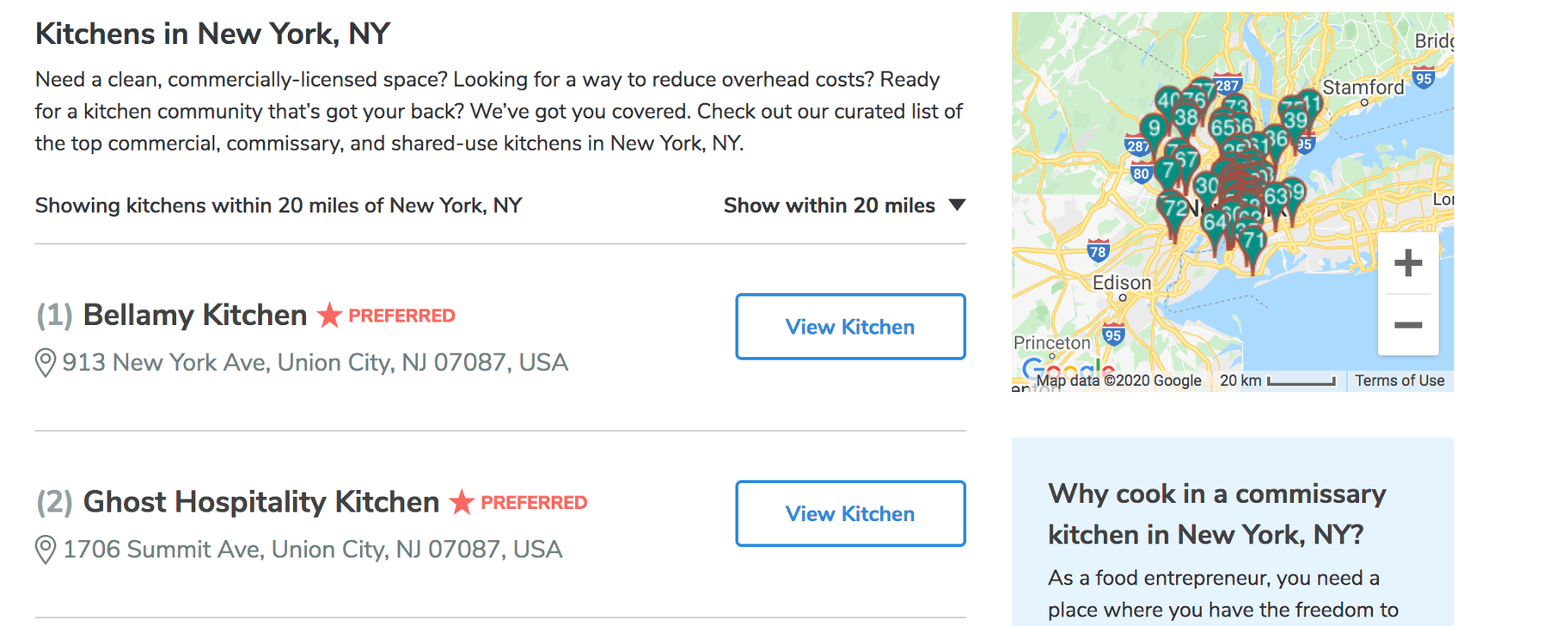
Busy people struggle to find time to cook healthy meals. A meals-to-go business offers prepared meals for pickup or delivery. You can start by cooking from a shared commercial kitchen (rent by the hour). Focus on a niche like healthy, keto, vegan, or family meals. Market to local offices, gyms, and busy families. It’s a growing industry with loyal customers.
| ✅ Pros | ❌ Cons |
|---|---|
| Growing demand. | Requires commercial kitchen. |
| Creative cooking. | Physical work. |
| Recurring customers possible. | Food safety regulations. |
36. Virtual Dance Studio
If you’re a dancer or choreographer, you can teach classes online via Zoom. You don’t need a big studio space—just a good camera, internet connection, and space to move. Offer live classes or pre-recorded tutorials. You can reach students worldwide. It’s a flexible way to share your passion and build a community. Consider offering subscription-based access to recorded content for passive income.
| ✅ Pros | ❌ Cons |
|---|---|
| Global reach. | Technical issues possible. |
| Low overhead. | Requires good video setup. |
| Flexible schedule. | Competition from free content. |
37. Video Production Company
Video consumption is skyrocketing. A video production company can create content for businesses’ YouTube channels, social media, events, and ads. Start with basic equipment—a good camera, lighting, microphones, and editing software (Adobe Premiere or Final Cut Pro). Offer a range of services from filming to editing. Specialize in a niche like wedding videography, corporate videos, or real estate tours to stand out.
| ✅ Pros | ❌ Cons |
|---|---|
| Creative, fun work. | Equipment can be expensive. |
| High demand. | Long editing hours. |
| Varied projects. | Client revisions can be tedious. |
38. Software Training Business
Many people and small businesses lack proficiency in software like Excel, PowerPoint, or QuickBooks. If you’re skilled in specific programs, you can offer training services. Teach individuals or groups via video calls or in person. Focus on business software, creative tools, or even specialized industry software. It’s a valuable service with flexible hours and good hourly rates.
| ✅ Pros | ❌ Cons |
|---|---|
| High hourly rates. | Requires deep software knowledge. |
| Flexible schedule. | Need to stay updated on software changes. |
| Can teach online. | Marketing required to find clients. |
39. College Preparation Consultant
Helping high schoolers get into college is a booming industry (market size $17.9 billion). You can specialize in ACT/SAT tutoring, essay coaching, or application strategy. Many families are willing to invest in expert help. Start by defining your niche, then market to local schools or online. It’s rewarding work that makes a real difference in students’ lives.
| ✅ Pros | ❌ Cons |
|---|---|
| Rewarding, helping students. | Seasonal demand. |
| High hourly rates. | Requires knowledge of admissions. |
| Flexible schedule. | Emotional pressure from families. |
40. Business Broker
A business broker assists in buying and selling privately-owned businesses. They need knowledge of business law, valuation, and industry practices. Brokers earn commissions on sales. It’s a high-stakes, high-reward business requiring excellent negotiation skills and a network of buyers and sellers. You’ll need to be licensed in some states. It’s not for beginners, but experienced entrepreneurs can thrive.
| ✅ Pros | ❌ Cons |
|---|---|
| High commission potential. | Deals can take months. |
| Interesting work. | Requires licensing and expertise. |
| Meet successful entrepreneurs. | Income inconsistent. |
41. Office Space Rental (Co-working)
Co-working is a booming industry driven by freelancers, remote workers, and startups. If you own property, you can convert it into co-working space. Otherwise, you’ll need significant investment to lease and outfit a space. Offer amenities like high-speed internet, coffee, meeting rooms, and community events. It’s a relationship business—creating a community is key to retention.
| ✅ Pros | ❌ Cons |
|---|---|
| Recurring rental income. | High startup costs. |
| Build a community. | Property management responsibilities. |
| Growing demand. | Competition from established brands. |
42. Online Bookkeeping
Bookkeeping has gone online, freeing accountants from the office. With easy-to-use accounting software (QuickBooks, Xero) and appointment-setting tools, you can manage client accounts remotely. Businesses always need bookkeeping help. Start by networking locally or on LinkedIn. You can specialize in a niche like real estate, ecommerce, or law firms. It’s a reliable, recurring revenue business.
| ✅ Pros | ❌ Cons |
|---|---|
| Recurring revenue. | Requires accounting knowledge. |
| Work remotely. | Busy season (tax time). |
| Steady demand. | Can be detail-oriented and repetitive. |
43. Importing Electronic OEM Gadgets
Many top-selling gadgets on Amazon and eBay come from China. The model: buy inventory, create a brand, and market online. You can use dropshipping or Amazon FBA to handle fulfillment without a warehouse. Research trending products, find reliable suppliers on Alibaba, and create a strong brand. It requires market research and capital for inventory, but margins can be good.
| ✅ Pros | ❌ Cons |
|---|---|
| High profit potential. | Requires upfront inventory investment. |
| Scalable. | Shipping and customs complexity. |
| Global sourcing. | Quality control challenges. |
44. Security Services (Online/Offline)
Security services are in demand—both physical security (house, personal, event) and cybersecurity (identity theft, data protection). For physical security, you’ll need to hire trained personnel. For cybersecurity, you can offer consulting on data protection, secure networks, and employee training. The online side is growing fast as cyber threats increase. Specialize in a niche like small business security or personal cybersecurity.
| ✅ Pros | ❌ Cons |
|---|---|
| Growing demand. | High liability. |
| Recurring contracts possible. | Requires specialized knowledge. |
| Essential service. | Can be stressful. |
45. Online Coaching (Life/Business)
If you have expertise in any area—business, relationships, health, productivity—you can become an online coach. Offer one-on-one coaching sessions via video call. Build a community through social media, a podcast, or a blog to attract clients. Coaching can be highly profitable with hourly rates from $100 to $500+. It’s flexible, fulfilling, and scalable (you can later create group programs or courses).

| ✅ Pros | ❌ Cons |
|---|---|
| High hourly rates. | Requires marketing to find clients. |
| Flexible schedule. | Income tied to your time. |
| Rewarding work. | Can be emotionally demanding. |
46. Phone Case Business
With billions of smartphone users, phone cases are a top-selling accessory. You can design unique cases and sell through Amazon FBA, Etsy, or your own Shopify store. Focus on a niche—artistic, funny, minimalist, eco-friendly—to stand out. Print-on-demand services handle production and shipping. It’s a creative, low-risk way to enter ecommerce. Research trends and create designs that appeal to your target audience.
| ✅ Pros | ❌ Cons |
|---|---|
| Creative outlet. | High competition. |
| Low startup cost with POD. | Lower margins with POD. |
| Global market. | Trends change quickly. |
47. Travel Business Consultant
While traditional travel agencies have declined, there’s demand for help managing Airbnb listings and increasing rental income. Property owners need help with marketing, pricing, photography, and guest communication. Offer your services to Airbnb and VRBO hosts. You can also specialize in helping travelers plan complex itineraries. It’s a growing niche with recurring income potential from property management retainers.
| ✅ Pros | ❌ Cons |
|---|---|
| Work in the travel industry. | Seasonal demand. |
| Helping hosts earn more. | Requires marketing skills. |
| Flexible schedule. | Can be demanding during peak seasons. |
48. Interior Designer
If you have a talent for creating beautiful spaces, interior design is a rewarding business. Clients hire you to design homes, offices, or commercial spaces. You’ll need a strong portfolio—offer free work to friends or stage homes for realtors to build one. Study design principles, stay updated on trends (Pinterest is great for inspiration), and network with builders and realtors. Certification from organizations like ASID adds credibility.
| ✅ Pros | ❌ Cons |
|---|---|
| Creative, fulfilling work. | Requires building a portfolio. |
| High-end clientele. | Can be competitive. |
| Varied projects. | Client revisions can be stressful. |
49. Wedding Photographer
Wedding photography is a lucrative niche. Professional photographers charge $2,500–$10,000+ per wedding. You’ll need quality gear, editing skills, and a strong portfolio. Start by second-shooting for an established photographer, or offer discounted sessions to build your portfolio. Marketing through wedding vendors and social media is key. It’s a high-pressure but rewarding business capturing once-in-a-lifetime moments.
| ✅ Pros | ❌ Cons |
|---|---|
| High earning potential per event. | High-pressure environment. |
| Creative work. | Weekend work required. |
| Build a portfolio with beautiful images. | Long editing hours. |
50. Airbnb Host
If you have unused space, listing it on Airbnb can generate significant income. You can rent a room, entire apartment, or even a unique property (cabin, treehouse). Success requires great photos, a clean space, and excellent hospitality. You can also manage properties for others. Check local regulations regarding short-term rentals. It’s a great way to meet people from around the world and earn passive income.

| ✅ Pros | ❌ Cons |
|---|---|
| Passive income potential. | Requires cleaning and maintenance. |
| Meet interesting people. | Inconsistent occupancy. |
| Use existing space. | Local regulations may restrict. |
51. DJ-ing
If you love music and have a talent for mixing beats, becoming a DJ can be a fun and profitable business. DJs are hired for weddings, clubs, corporate events, and parties. You’ll need equipment (laptops, controllers, speakers) and a good music library. Start by playing at small events or friends’ parties to build a reputation. Networking with event planners is key. Top DJs earn thousands per gig.

| ✅ Pros | ❌ Cons |
|---|---|
| Fun, creative work. | Late nights, weekends. |
| High earning potential per gig. | Equipment can be expensive. |
| Meet lots of people. | Lugging heavy equipment. |
52. Tailoring
Skilled tailors are always in demand for alterations and custom clothing. You can start small with a sewing machine and basic supplies. Offer services like hemming, resizing, and custom designs. Market locally through dry cleaners, boutiques, and word of mouth. As you grow, you can hire other tailors. It’s a skilled trade with steady demand.

| ✅ Pros | ❌ Cons |
|---|---|
| Skilled trade with steady demand. | Requires sewing skills. |
| Low overhead. | Can be repetitive. |
| Creative satisfaction. | Competition from cheap clothing. |
53. Baking
If you love to bake, turning it into a business can be deliciously profitable. Start by selling at farmers markets, taking custom orders, or supplying local cafes. Focus on a niche—cookies, cakes, bread, gluten-free, vegan—to stand out. You’ll need to check local health regulations and may need a licensed kitchen. Social media is great for showcasing your creations. It’s a creative, hands-on business.

| ✅ Pros | ❌ Cons |
|---|---|
| Do what you love. | Early mornings. |
| Creative outlet. | Physical work. |
| Local demand. | Requires commercial kitchen often. |
54. Freelance Content Marketing
Startups and small businesses need help promoting content. If you have expertise in content strategy, SEO, and promotion, you can offer content marketing services. Help clients plan content calendars, create valuable assets, and distribute them effectively. It’s a high-demand skill with good income potential. Build a portfolio with case studies and results.

| ✅ Pros | ❌ Cons |
|---|---|
| High demand, strategic work. | Results take time. |
| Recurring retainers possible. | Requires diverse skills (SEO, writing, analytics). |
| Work with interesting clients. | Constant learning. |
55. Freelance eBook Writing
Many people have ideas for books but lack the time or writing skills. As a ghostwriter or eBook writer, you can help them bring their vision to life. Find clients on freelancing platforms or by networking. You can also write and publish your own eBooks. While only established authors earn over $10,000 a year, it’s a good side income. Focus on niches like self-help, business, or fiction.

| ✅ Pros | ❌ Cons |
|---|---|
| Creative, flexible. | Income can be low initially. |
| Work from anywhere. | Requires self-discipline. |
| Build a portfolio. | Competitive market. |
56. Invest Your Money
If you have capital, investing in stocks, real estate, or other assets can be a business. Warren Buffett built his fortune through smart investing. Start small with index funds or ETFs, then learn about value investing, real estate, or cryptocurrency. It requires education and risk tolerance. Consider day trading, long-term investing, or real estate flipping. It’s not passive, but can be very profitable.

| ✅ Pros | ❌ Cons |
|---|---|
| High profit potential. | Risk of loss. |
| Passive income possible. | Requires knowledge and research. |
| Can start with any amount. | Emotional stress. |
57. Ghostwriter
Ghostwriters write books, articles, or speeches for clients who take the credit. It’s a lucrative field—professionals like Jeff Hadden have made millions. Find clients on platforms like FlexJobs or through networking. Rates range from $15–$30 per hour for beginners to much higher for experienced writers. It requires excellent writing skills and the ability to capture another person’s voice.
| ✅ Pros | ❌ Cons |
|---|---|
| High earning potential. | No byline credit. |
| Work with interesting clients. | Can be demanding. |
| Flexible schedule. | Requires adapting to client’s voice. |
58. Tour Guide
If you live in a tourist destination and love sharing local history and culture, become a tour guide. Offer walking tours, food tours, or specialty tours (haunted, historical, pub crawls). You’ll need extensive local knowledge and a friendly personality. Market through local hotels, tourism boards, and sites like Viator. Tips can be generous, and it’s a fun way to meet people from around the world.

| ✅ Pros | ❌ Cons |
|---|---|
| Fun, outdoor work. | Weather dependent. |
| Meet people globally. | Seasonal in many places. |
| Share your passion. | Walking all day can be tiring. |
59. Freelance Graphic Designer
Graphic design is a versatile freelance business. Create logos, branding, marketing materials, social media graphics, and websites for clients. Tools like Canva and Adobe Creative Cloud are essential. Build a portfolio by doing projects for friends or local businesses. Find clients on Upwork, Fiverr, or through your own website. Specializing in a niche (like packaging or infographics) can help you stand out.

| ✅ Pros | ❌ Cons |
|---|---|
| Creative, varied work. | Competitive field. |
| High hourly rates possible. | Client revisions can be tedious. |
| Work from anywhere. | Need to constantly update skills. |
60. Freelance Copywriter
Copywriters write persuasive text for ads, websites, emails, and sales pages. It’s a high-demand skill with excellent income potential. Experienced copywriters can earn $50–$200+ per hour. Learn the principles of persuasive writing, study successful copy, and build a portfolio. Find clients on freelancing platforms or through direct outreach. Specialize in a niche like health, finance, or tech to command higher rates.
| ✅ Pros | ❌ Cons |
|---|---|
| High earning potential. | Can be high-pressure. |
| Creative, strategic work. | Requires understanding of marketing. |
| Work from anywhere. | Client feedback can be subjective. |
61. Professional Consultant
If you have a track record of success in a specific industry, you can become a consultant. Businesses pay for your expertise to help them solve problems, grow, or enter new markets. Consulting can be done remotely or in person. Rates are high ($100–$500+ per hour). Start by leveraging your network and offering free initial consultations to build credibility. It’s a flexible, high-status business.
| ✅ Pros | ❌ Cons |
|---|---|
| High hourly rates. | Requires deep expertise. |
| Flexible schedule. | Income can be project-based. |
| Intellectual challenge. | Need to constantly find new clients. |
62. Home-Based Child Care
Childcare is always essential. If you’re already caring for your own children, you can offer care to neighbors’ kids as well. You’ll need to check local licensing requirements and ensure your home is safe. It’s a trusted service with steady demand. Families appreciate the home environment compared to large daycare centers. It’s a rewarding way to earn income while being at home.
| ✅ Pros | ❌ Cons |
|---|---|
| Work from home. | High responsibility. |
| Steady demand. | Requires licensing. |
| Rewarding. | Can be chaotic. |
63. Tutoring (In-Person or Online)
Tutoring is a classic home-based business. You can tutor students in academic subjects, music, art, or test prep. With online tools, you can reach students globally. Tutoring is rewarding and can be quite profitable, especially for specialized subjects. Start by advertising in local parent groups or on tutoring platforms. It’s flexible and in high demand.
| ✅ Pros | ❌ Cons |
|---|---|
| Flexible hours. | Evening hours often required. |
| Rewarding work. | Patience required. |
| High demand. | Income tied to hours worked. |
64. Elder Care
Like childcare, elder care is an essential service. Many seniors prefer to stay in their homes with assistance. You can offer services like companionship, meal preparation, transportation, and light housekeeping. Medical care requires qualifications, but daily assistance doesn’t. It’s deeply rewarding work with steady demand as the population ages. Build trust within your community.
| ✅ Pros | ❌ Cons |
|---|---|
| Deeply rewarding. | Emotionally demanding. |
| High demand. | Can be physically demanding. |
| Build close relationships. | Requires patience and compassion. |
The gig economy offers opportunities through Uber, Lyft, DoorDash, and Instacart. You choose your hours and drive when it suits you. It’s a flexible way to earn extra money with your car. You’ll need a reliable vehicle and valid insurance. It’s not a high-income business, but it’s easy to start and can be a good side hustle.
| ✅ Pros | ❌ Cons |
|---|---|
| Flexible hours. | Wear and tear on car. |
| Easy to start. | Income can be unpredictable. |
| Meet people. | Insurance costs. |
66. Organize Specialty Travel Tours
Create niche travel experiences for specific groups: solo travelers, foodies, photographers, or seniors. You’ll plan itineraries, arrange accommodations, and guide groups. It requires deep knowledge of destinations and excellent organizational skills. Market through social media, travel blogs, and partnerships. It’s a fun, adventurous business with high profit margins.
| ✅ Pros | ❌ Cons |
|---|---|
| Adventurous work. | Seasonal. |
| High profit margins. | High liability. |
| Meet interesting people. | Logistically complex. |
67. Create an Airport-Centric App
Develop an app that helps travelers navigate airports: real-time TSA wait times, gate changes, amenities, and maps. It’s a niche that hasn’t been fully explored. You’ll need app development skills or a team. Monetize through ads, premium features, or partnerships with airports and airlines. Research existing apps and find a gap.
| ✅ Pros | ❌ Cons |
|---|---|
| Solve real problem. | Requires development skills. |
| Global audience. | Competitive app market. |
| Potential for partnerships. | Requires real-time data integration. |
68. Destination Wedding Planner
Take the stress out of planning a wedding in an exotic location. You’ll coordinate vendors, travel, and logistics for couples. It requires excellent organization, vendor relationships, and the ability to handle stress. Marketing through wedding blogs and vendor partnerships is key. It’s a high-end, profitable niche.
| ✅ Pros | ❌ Cons |
|---|---|
| High-end clients. | High stress. |
| Travel opportunities. | Long hours. |
| Creative work. | Everything must be perfect. |
69. Make Local Guides
Create digital or print guides to your local area: best restaurants, hidden gems, walking tours, or themed guides. Sell on your website, Amazon, or through local shops. Partner with local businesses for advertising. It’s a low-cost way to share your local knowledge and earn income. Update guides regularly to keep them relevant.
| ✅ Pros | ❌ Cons |
|---|---|
| Low cost to start. | Requires local knowledge. |
| Creative. | Need to update regularly. |
| Potential for local ad revenue. | Marketing required. |
70. Create a Neighborhood Grocery Delivery Service
Help seniors or busy families by offering grocery delivery. You’ll need a car and a phone. Partner with local grocery stores for commission or charge a delivery fee. Start in your neighborhood and expand. It’s a community-friendly service with low startup costs. Ensure you have proper insurance.
| ✅ Pros | ❌ Cons |
|---|---|
| Help your community. | Physical work. |
| Low startup costs. | Gas and car maintenance. |
| Flexible schedule. | Income limited by time. |
71. Start an Event Planning Agency
Plan parties, weddings, corporate events, and fundraisers. You’ll need excellent organizational skills, vendor relationships, and creativity. Start by planning events for friends to build a portfolio. Market to local businesses and through event venues. It’s a high-stress but rewarding business with good profit margins.
| ✅ Pros | ❌ Cons |
|---|---|
| Creative, fun. | High stress. |
| Meet new people. | Weekend work. |
| Good profit margins. | Everything must be perfect. |
72. Open a Coworking Space
Capitalize on remote work by creating a modern coworking space. Pick a convenient location, outfit it with amenities (fast Wi-Fi, coffee, meeting rooms), and build a community. It’s a relationship business—events and networking are key. Requires significant investment but can provide stable rental income.
| ✅ Pros | ❌ Cons |
|---|---|
| Recurring rental income. | High startup costs. |
| Build community. | Property management. |
| Growing demand. | Competition from big brands. |
73. Start a Meal Prep Business
Busy people want healthy, ready-to-eat meals. Start a meal prep service specializing in diets like keto, vegan, or paleo. Cook from a commercial kitchen, then deliver or offer pickup. Market to gyms, offices, and busy families. It’s a growing industry with loyal customers. Start small and scale as demand grows.
| ✅ Pros | ❌ Cons |
|---|---|
| Growing demand. | Requires commercial kitchen. |
| Recurring customers. | Physical work. |
| Creative cooking. | Food safety regulations. |
74. Create a Food Waste Solution
Start a business focused on reducing food waste. This could be an app connecting restaurants with surplus food to consumers, a composting service, or upcycling food scraps. It’s a socially conscious business with growing interest. You’ll need to be innovative and passionate about sustainability.
| ✅ Pros | ❌ Cons |
|---|---|
| Socially conscious. | Requires innovative idea. |
| Growing interest. | Logistics can be complex. |
| Potential grants. | Market education needed. |
75. Make Products for Pets
Nearly 85 million U.S. households have pets. Create innovative pet products: toys, beds, apparel, or accessories. Sell on Etsy, Amazon, or your own site. Focus on a niche like eco-friendly, durable, or personalized items. Pet owners love spoiling their animals, so there’s a strong market. Use social media to showcase your products.
| ✅ Pros | ❌ Cons |
|---|---|
| Large market. | Competitive. |
| Passionate customers. | Requires product development. |
| Creative outlet. | Safety regulations for pet products. |
76. Etsy Selling (General)
Etsy is a massive marketplace for handmade, vintage, and unique goods. You can sell crafts, art, jewelry, printables, and more. Success requires great photos, SEO-optimized listings, and excellent customer service. Many sellers start as a side hustle and grow into full-time businesses. It’s a supportive community with built-in traffic.
| ✅ Pros | ❌ Cons |
|---|---|
| Built-in audience. | Fees per listing and sale. |
| Easy to start. | High competition. |
| Global reach. | Requires good photography. |
77. Course Creation (General)
Platforms like Udemy and Coursera let you create and sell courses on any topic. If you have expertise, you can package it into a course and earn passive income. Courses are in high demand for professional development and personal growth. You’ll need to create video lessons, worksheets, and marketing materials. It’s a scalable way to share knowledge.
| ✅ Pros | ❌ Cons |
|---|---|
| Passive income. | Time-consuming to create. |
| Establish authority. | Market saturation. |
| Scalable. | Requires marketing. |
78. Virtual Assisting (General)
Virtual assistants handle administrative tasks for busy professionals. Services include email management, scheduling, social media, bookkeeping, and more. It’s a low-cost business to start with flexible hours. VAs are in high demand. Specialize in a niche like real estate, ecommerce, or coaches to command higher rates.
| ✅ Pros | ❌ Cons |
|---|---|
| Low startup costs. | Income tied to hours. |
| Flexible. | Can be task-oriented. |
| High demand. | Multiple clients can be chaotic. |
79. Influencer Marketing (General)
Build a following on social media and monetize through brand partnerships. It’s not for everyone, but with the right personality and niche, it can be highly profitable. Micro-influencers with engaged audiences are in demand. It takes time to build, but earnings can be significant.
| ✅ Pros | ❌ Cons |
|---|---|
| High earning potential. | Takes time to build. |
| Work with brands. | Algorithm changes. |
| Creative freedom. | Constant content creation. |
80. Freelance Writing (General)
Freelance writing covers content writing, copywriting, technical writing, and more. Businesses need content for websites, blogs, and marketing. Start on platforms like Upwork, then build your own client base. Rates vary widely based on experience and niche. It’s a flexible, in-demand skill.
| ✅ Pros | ❌ Cons |
|---|---|
| High demand. | Competitive. |
| Flexible. | Income inconsistent. |
| Work from anywhere. | Self-discipline required. |
81. Professional Consulting (General)
Leverage your business expertise to advise other companies. Consultants are hired for strategy, marketing, operations, and more. Rates are high, and work can be done remotely. Build credibility through a strong network and proven results. It’s a respected, high-income business.
| ✅ Pros | ❌ Cons |
|---|---|
| High rates. | Requires expertise. |
| Flexible. | Need to find clients. |
| Intellectual challenge. | Project-based income. |
82. Online Bookkeeping (General)
Bookkeeping is a reliable, recurring revenue business. Use software like QuickBooks to manage client finances remotely. Businesses always need bookkeeping help. Specialize in a niche like ecommerce or law firms. It’s a detail-oriented but stable business.
| ✅ Pros | ❌ Cons |
|---|---|
| Recurring revenue. | Detail-oriented. |
| Steady demand. | Busy tax season. |
| Work remotely. | Requires accounting knowledge. |
83. Ghostwriter (General)
Write for busy executives, celebrities, or aspiring authors. Ghostwriters are paid well but don’t receive credit. It requires excellent writing skills and the ability to capture another person’s voice. Find clients through agencies or platforms like FlexJobs. It’s a lucrative, behind-the-scenes career.
| ✅ Pros | ❌ Cons |
|---|---|
| High pay. | No credit. |
| Interesting clients. | Can be demanding. |
| Flexible. | Need to adapt voice. |
84. DJ-ing (General)
DJs are hired for events of all kinds. Build a music library, invest in quality equipment, and network with event planners. It’s a fun, high-energy business with good per-gig pay. Start by playing small events and building a reputation.
| ✅ Pros | ❌ Cons |
|---|---|
| Fun, creative. | Late nights. |
| Good pay per gig. | Equipment costs. |
| Meet people. | Lugging gear. |
85. Tailoring (General)
Skilled tailors are always needed for alterations and custom clothing. It’s a steady, local business. Build relationships with dry cleaners and boutiques for referrals. It’s a craft that takes time to master but provides consistent work.
| ✅ Pros | ❌ Cons |
|---|---|
| Steady demand. | Requires skill. |
| Low overhead. | Repetitive. |
| Creative. | Competition from cheap clothing. |
86. Baking (General)
Turn your baking hobby into a business. Sell at markets, take custom orders, or supply cafes. Focus on a specialty (cookies, cakes, gluten-free) to stand out. It’s a hands-on, creative business with local appeal.
| ✅ Pros | ❌ Cons |
|---|---|
| Do what you love. | Early mornings. |
| Creative. | Physical work. |
| Local demand. | Commercial kitchen often needed. |
87. Freelance Content Marketing (General)
Help businesses create and promote content. Services include strategy, writing, SEO, and distribution. It’s a high-demand field with good income potential. Build a portfolio with case studies showing results.
| ✅ Pros | ❌ Cons |
|---|---|
| High demand. | Results take time. |
| Strategic work. | Requires diverse skills. |
| Recurring retainers. | Constant learning. |
88. Freelance eBook Writing (General)
Write eBooks for clients or self-publish your own. It’s a flexible, creative business. Focus on niches where you have expertise. While not a get-rich-quick scheme, it can provide steady income over time.
| ✅ Pros | ❌ Cons |
|---|---|
| Creative. | Income can be low initially. |
| Flexible. | Competitive. |
| Build portfolio. | Requires self-discipline. |
89. Invest Your Money (General)
Investing in stocks, real estate, or other assets can be a business. It requires education and risk tolerance. Start small and learn as you go. Long-term investing can build wealth, while active trading requires more time and skill.
| ✅ Pros | ❌ Cons |
|---|---|
| High potential. | Risk of loss. |
| Passive income possible. | Requires knowledge. |
| Start with any amount. | Emotional stress. |
90. Ghostwriter (Repeated – but numbered)
See #57 and #83. Ghostwriting is a consistently profitable niche for skilled writers.
91. DJ-ing (Repeated)
See #51 and #84. DJ-ing remains a popular and fun service business.
92. Tailoring (Repeated)
See #52 and #85. Tailoring offers steady local demand.
93. Baking (Repeated)
See #53 and #86. Baking is a delicious way to earn income.
94. Freelance Content Marketing (Repeated)
See #54 and #87. Content marketing is a high-value service.
95. Freelance eBook Writing (Repeated)
See #55 and #88. eBook writing offers creative and flexible income.
96. Invest Your Money (Repeated)
See #56 and #89. Investing is a long-term wealth-building strategy.
97. Tour Guide (Repeated)
See #58. Tour guiding is perfect for outgoing locals.
98. Freelance Graphic Designer (Repeated)
See #59. Graphic design is a versatile creative business.
99. Freelance Copywriter (Repeated)
See #60. Copywriting is a high-income writing niche.
100. Professional Consultant (Repeated)
See #61. Consulting leverages your expertise for high rates.
List of Business Ideas FAQ
What business can I start with no money?
If you don’t have startup capital, many online service businesses require only your skills and time. Options include: freelance writing, virtual assisting, social media management, graphic design, tutoring, and starting a blog. These can be started with just a computer and internet connection.
What are the best startup concepts?
Best startup concepts include: dropshipping, print on demand, affiliate marketing, online courses, podcasting, YouTube channels, and app development. These have low overhead and can scale. Choose one that aligns with your skills and interests.
What are the most profitable small businesses?
According to industry data, profitable small businesses include: accounting and bookkeeping, legal services, real estate, dental offices, outpatient care, and specialized consulting. Online, profitable niches include ecommerce, digital marketing agencies, and SaaS products.
What business can I do from home?
Many businesses can be run from home: freelance writing, virtual assisting, graphic design, web development, online tutoring, podcasting, YouTube, Etsy selling, and affiliate marketing. The internet has made remote work accessible.
How can I be my own boss?
To be your own boss: identify your skills and passions, research market demand, create a business plan, secure funding if needed, register your business, build a website and social media presence, and start marketing. It takes courage and persistence.
How can I earn cash quick?
Quick cash options: freelancing on Fiverr or Upwork, driving for Uber/Lyft, delivering for DoorDash, selling items on eBay or Facebook Marketplace, taking online surveys, pet sitting, or tutoring. These can generate income within days.
What type of business should I start?
Choose a business based on your skills, passions, and market demand. Consider trends—online businesses are growing. Pick something you can realistically do and that has growth potential. Start small and validate your idea.
What are the most profitable small businesses (again)?
See above. Service-based businesses (consulting, accounting) and online businesses (ecommerce, digital products) tend to have high profit margins.
What could be a good small business to start?
A good small business aligns with your interests, requires skills you have or can learn, and has market demand. For many, online businesses like freelancing, blogging, or ecommerce are good starting points due to low costs.
How can I start my own business with no money?
Keep your day job and start your business as a side hustle. Use free tools (Canva, Google Workspace, social media) to build your brand. Offer your services at competitive rates initially to build a portfolio. Reinvest profits to grow.
How do I start a small business from home?
Choose a home-based business idea. Create a dedicated workspace. Set up a website and social media. Understand any local zoning laws. Start marketing to your network. Use digital tools to manage your business efficiently.
Now it’s your turn.
All of the small business ideas mentioned above can help you earn good income, even with low startup costs. Ultimately, we recommend starting something online like a blog, ecommerce business, or consulting agency, as these are less vulnerable to market shifts like those seen during Covid-19. Choose the idea that excites you most, take action, and start your entrepreneurial journey today.
Ready to Start Your Business?
Get our free checklist of essential steps to launch your business successfully. Download now and turn your idea into reality.