The social media landscape is a dynamic, ever-shifting arena where content is consumed at lightning speed. For businesses—from ambitious solopreneurs to established corporations—managing a compelling social media presence demands significant investment of time, creative energy, and strategic resources. The challenge is not merely to be present, but to be memorable, engaging, and ultimately, effective at driving conversions.
In such a competitive climate, creative burnout is real. You might find yourself staring at a blank content calendar, feeling like every promotional tactic has been exhausted. When your feed mirrors your competitors’, standing out becomes a formidable task. This guide delves beyond the basics, offering advanced, creative strategies to cut through the noise and connect with your audience authentically.
Expert Advice & Highly Effective Methods for 2026
Watching competitors thrive with growing follower counts and high-engagement posts can be disheartening. Remember, this is a common challenge. The core issue often isn’t activity, but strategy. Launching a Facebook page or an Instagram Live is straightforward; building a loyal, engaged community around your brand is not. Success hinges on a nuanced, value-driven approach that aligns with how social platforms have evolved.
Social media’s power lies in its direct line to your target audience. Marketing on social media offers an unmatched cost-to-reach ratio, providing immediate access to billions. This democratization has made social media a cornerstone of digital promotion, but it also means saturation. To win, you must leverage the latest trends and marketing methodologies, promoting your products with consistent creativity. The following methods, expanded with advanced tactics for 2026, will help you generate quality leads and boost sales.
Why Is Strategic Product Promotion Non-Negotiable?
Promotion is the engine of brand growth. It builds essential brand recognition, establishes credibility, and directly fuels sales pipelines. A product without promotion is like a seed without water—it has potential but cannot grow. A robust promotional strategy differentiates your offering in a crowded market and provides a critical feedback loop. The insights gathered—on customer preferences, market trends, and consumption habits—are invaluable for refining your product and crafting future marketing campaigns.
In the digital age, online platforms amplify your visibility exponentially, making your brand discoverable to a global, targeted audience at the right moment in their buyer’s journey. According to recent data, brands that actively promote across at least three social platforms see 4.6 times higher customer engagement than those focusing on a single channel .
10 Creative Ways To Promote Your Product – Full Review & Expansion
There’s no universal blueprint for product promotion. An effective strategy is born from a deep understanding of your unique product, your audience’s pain points, and your competitive landscape. The following ten creative ways, expanded with advanced sub-tactics for 2026, are designed primarily for e-commerce but are adaptable for most digital businesses. We integrate proven frameworks used by successful online entrepreneurs.
Use Entry Pop-ups to Grab Attention
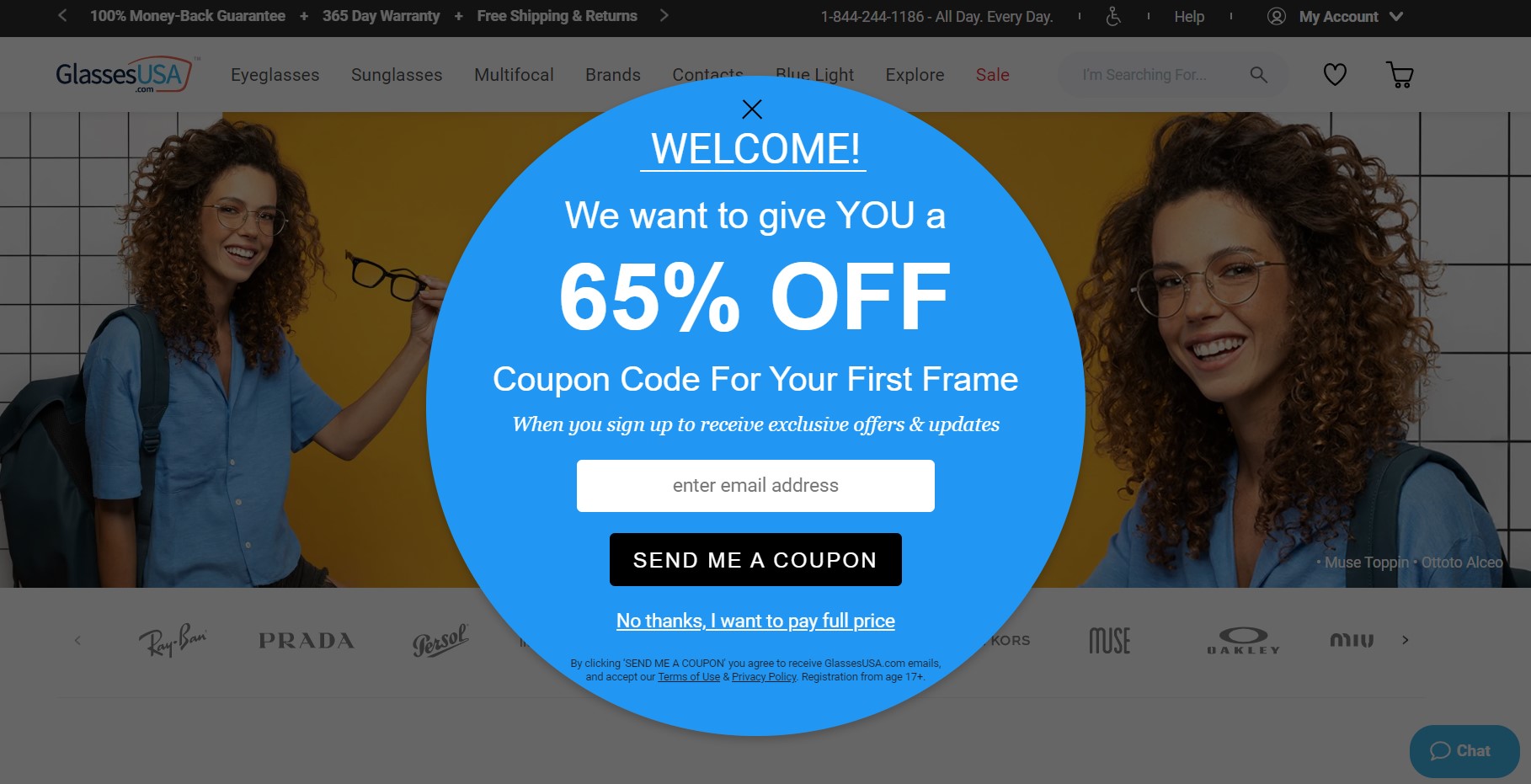
The first moment a visitor opens your website is the ideal opportunity to capture their interest. Entry pop-ups give you the ability to do that. You can advertise a new product and raise its visibility from the outset with an entry pop-up. You can draw attention to a fresh product or use subscription opt-in forms. It works well to announce special discounts using entry pop-ups. When customers reach your website and immediately notice a bargain, they are more likely to use it.
Advanced Tactic: Behavioral Triggers and Personalization
Don’t use a generic pop-up for all visitors. Implement behavioral triggers that display specific offers based on user source, browsing behavior, or location. For example, a visitor from a Pinterest pin about “sustainable bags” should see a pop-up for your eco-friendly product line, not a generic 10% off. Use tools like OptinMonster or Privy that allow for:
- Source-based targeting: Match offers to referral traffic sources
- Scroll-triggered pop-ups: Display when users reach 50% of page content
- Time-delayed entries: Show after 10-15 seconds for engaged visitors
- Exit-intent detection: Catch abandoning visitors with last-minute offers
This hyper-relevance significantly boosts conversion intent and leverages long-tail keyword intent from external searches. A/B test your pop-up designs, copy, and offers to continuously improve performance.
Retarget Visitors With Exit Offers
One of the best ways to market a service or an offer is to retarget customers after they’ve browsed your website and just before they’re about to depart. Retargeting a customer who abandoned a cart with an on-site exit offer can result in last-minute changes in choices and impulse purchases. Visitors will only be shown exit pop-ups, as opposed to entry pop-ups, if they are leaving the website without making any purchases.
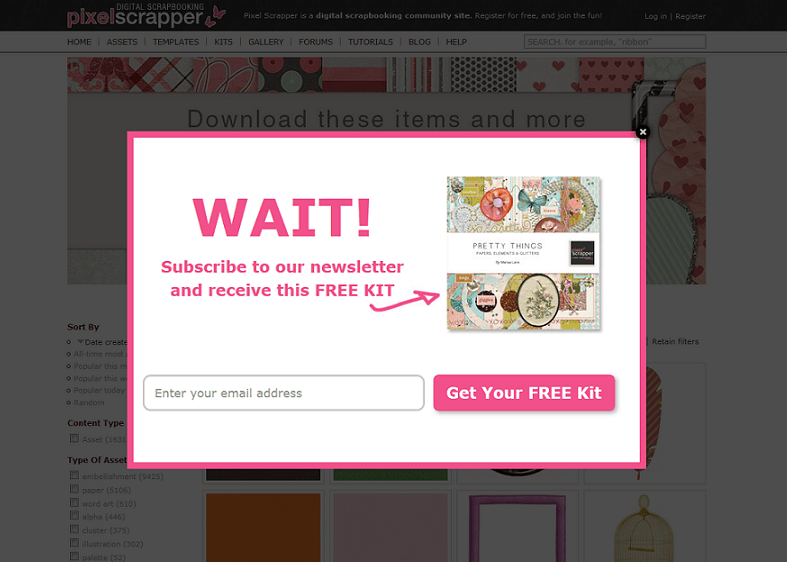
Source: PixelScrapper
Advanced Tactic: Tiered Exit Offers Based on User Value
Segment your exit offers based on visitor behavior and potential value. A sophisticated exit strategy considers:
- High-value product viewers: For visitors who viewed premium items, offer limited-time free shipping or a small discount (5-10%) rather than deep discounts that erode margins.
- Comparison shoppers: For those who spent time on comparison pages or blog posts comparing options, offer an extended free trial, a downloadable buyer’s guide, or a “compare us” checklist that subtly highlights your advantages.
- First-time visitors: Offer a modest welcome discount (10-15%) in exchange for email sign-up, building your list while potentially capturing a sale.
- Repeat visitors: Acknowledge their loyalty with exclusive early access to new products or a “VIP” discount code.
This nuanced approach addresses specific purchase barriers, moving beyond a one-size-fits-all discount. Tools like OptinMonster, Sleeknote, and Justuno offer advanced segmentation capabilities for exit intent campaigns.
Offer Answers on Q&A Sites
On the internet, there are a tonne of forums and Q&A websites where users may post questions and receive responses from other community members. Reddit and Quora are the two most well-known Q&A websites. On these sites, you can ask and receive answers to all kinds of concerns, from those about product advertising to those regarding how to launch an internet business.
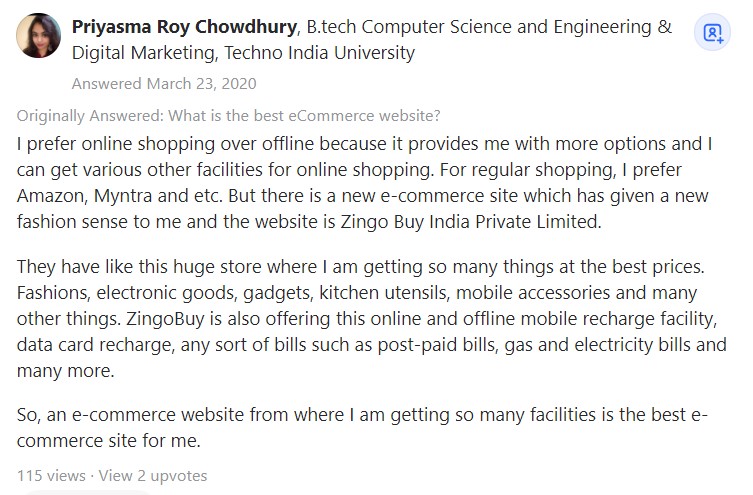
Advanced Tactic: “Funnel-Based” Answering and Keyword Research
Go beyond answering random questions. Treat Q&A platforms as an extension of your SEO and content marketing strategy:
- Keyword research: Use tools like Ahrefs, SEMrush, or AnswerThePublic to find long-tail questions with high search volume in your niche. Examples: “What is the best lightweight laptop for graphic design students under $1200?” or “How do I remove wine stains from wool carpet?”
- Comprehensive answers: Provide genuinely helpful, detailed responses that solve the problem completely. Include step-by-step instructions, product comparisons, and links to authoritative sources.
- Natural product placement: Within your answer, naturally mention product categories or features that solve the problem. Link to a dedicated blog post on your site that offers deeper analysis, comparison guides, or product roundups.
- Profile optimization: Complete your Quora/Reddit profile with your expertise, credentials, and a link to your website. This builds authority and attracts qualified traffic searching for specific product solutions.
This approach builds domain authority, generates qualified traffic, and positions you as a trusted expert rather than just another promoter.
Write Guest Posts
You can work with other businesses and bloggers for guest posts in addition to establishing a blog on your own website. One of the best ways to advertise a product to new audiences is through guest blogging. If your company is new, you can form alliances with bloggers in your niche who already have a sizable readership.
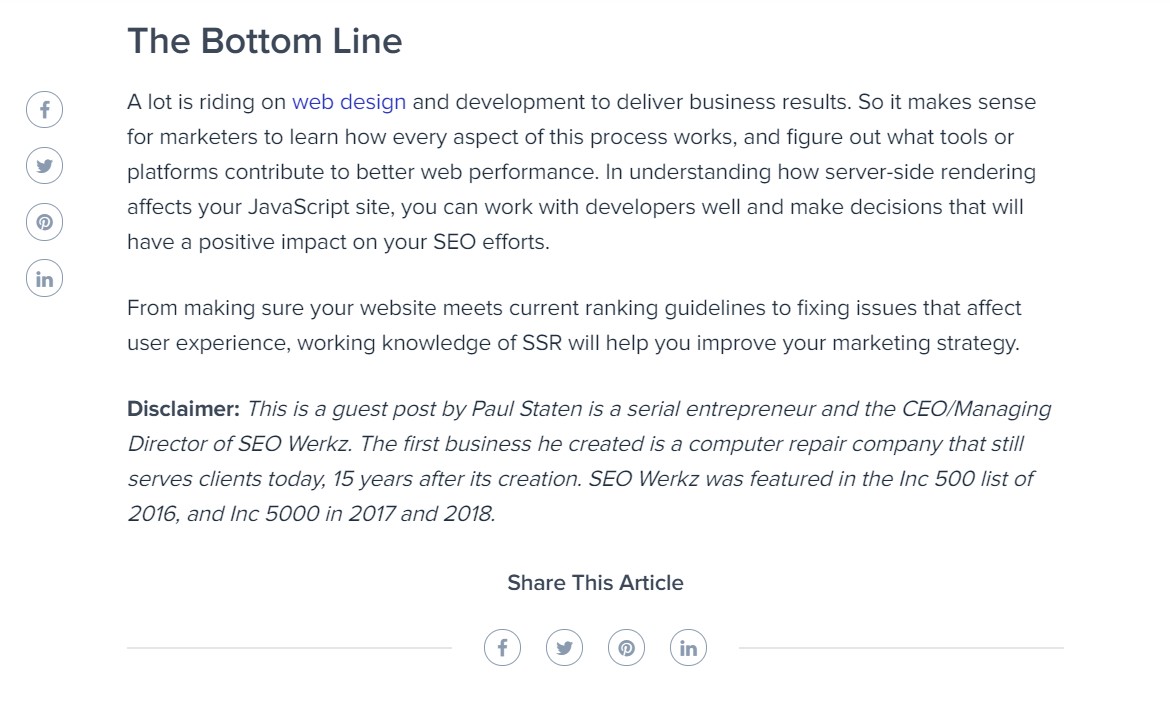
Advanced Tactic: Co-Created Content and Collaborative Series
Instead of a standard guest post, propose co-created content that multiplies value for both audiences:
- Ultimate guide collaborations: Partner with an influencer or complementary brand to create “The Ultimate Guide to [Your Niche Topic].” Publish it as a multi-part series on both platforms, with each part linking to the other.
- Joint webinars or workshops: Host a live event where both brands contribute expertise. For example, a fitness equipment brand and a nutritionist could co-host “Building Your Home Gym & Nutrition Plan.”
- Interactive content: Create co-branded checklists, calculators, or assessment tools that require email capture, building lists for both partners.
- Podcast appearances: Guest on relevant industry podcasts instead of traditional guest posts. Podcasts build deeper audience connections and often include show notes with links.
This splits the workload, doubles the exposure, and provides immense value, making any subtle product integration feel organic and expert-recommended.
Introductory Offers
A excellent approach to advertise a new good or service is by using introductory incentives. You can offer your product in the market as part of an introductory deal rather than formally introducing it. These introductory deals may be presented in a variety of ways, including:
- Low-price bundles and packages
- Price reductions
- Free vouchers and coupons with product buy
- Buy one get one free affords
- Free items on referrals
- Joint promotions with different manufacturers
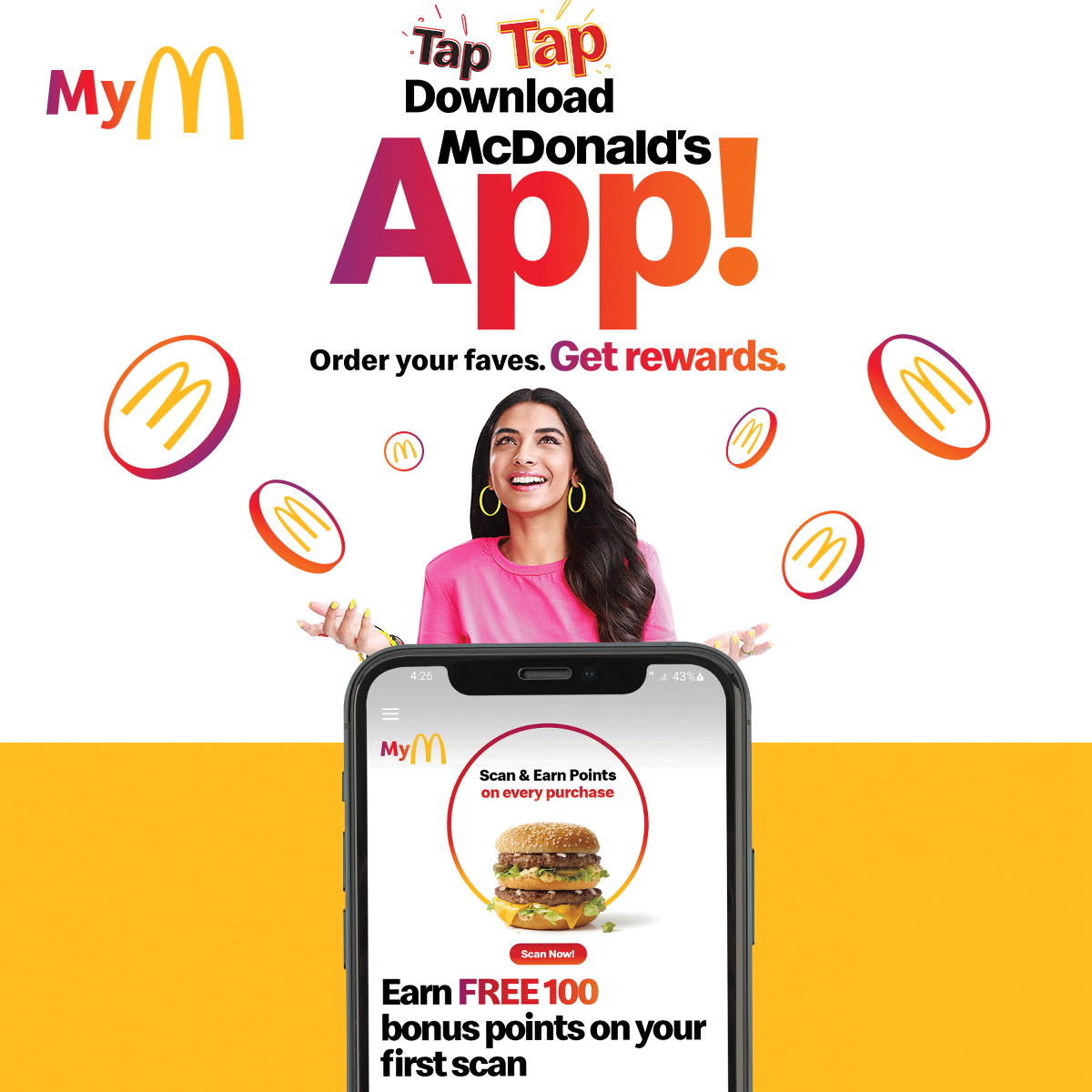
Advanced Tactic: “Founders Circle” or “Early Adopter” Programs
Create a sense of exclusivity and urgency around your launch with a structured early adopter program:
- Pre-launch invitation: Before public release, invite a select group from your email list, social followers, or existing customers to join a “Founders Circle.”
- Exclusive discounts: Offer them the product at a significant discount (30-50%) in exchange for detailed feedback and permission to use their testimonials and reviews.
- Private community: Create a private Slack group, Discord server, or Facebook group for founders to share feedback, ask questions, and connect with your team.
- Ambassador program: After the launch, convert satisfied founders into brand ambassadors with affiliate commissions, exclusive perks, and early access to future products.
- Social proof generation: Use their authentic reviews, unboxing photos, and testimonials as your primary promotional material post-launch.
This builds a base of passionate advocates whose authentic experiences become your most powerful promotion tool. Their word-of-mouth recommendations carry far more weight than any paid advertisement.
Google Business Profile Promotions (Formerly GMB)
Google Business Profile is a fantastic internet platform for marketing your business. If you have a GBP account, you may utilise it to create several types of posts. “What’s New” and “Offers” are the two primary post categories. Your product will fit best in the “What’s New” articles area if it is brand-new.
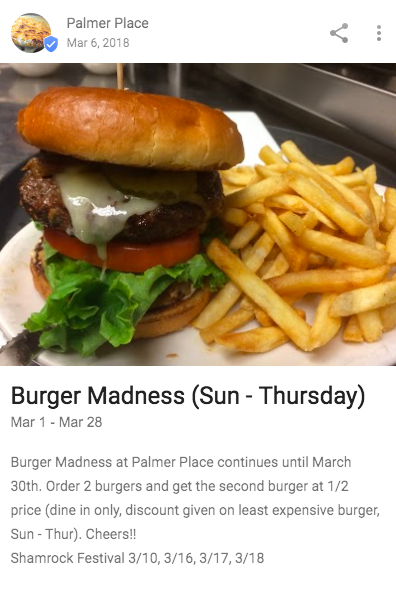
Advanced Tactic: Leverage GBP for Local-Social Convergence
If you have a physical location or serve local areas, use your GBP posts as the cornerstone for hyper-local social campaigns:
- Local inventory features: Use Google’s product catalog features to showcase items available in-store. Update regularly to reflect current stock.
- Geo-targeted advertising: Create Facebook/Instagram ad campaigns targeting users within a 10-mile radius, directing them to specific GBP posts or offering “mention this GBP post for a free gift.”
- Local event promotion: Use GBP events to promote in-store product demos, launch parties, or exclusive local shopping hours.
- Q&A monitoring: Actively monitor and respond to questions on your GBP listing. This builds trust and can influence purchase decisions.
- Photo updates: Regularly post new product photos to your GBP listing. Listings with frequent photo updates rank higher in local search.
This bridges online promotion and offline foot traffic, creating a seamless omnichannel experience that today’s consumers expect.
Run a Photo Contest
Running a contest is one of the best methods to boost Facebook page exposure, engagement, and lead generation while also gathering user-generated material for use in upcoming marketing initiatives. Run a social contest on your Facebook page using a platform like Wishpond, and ask your fans to contribute images of your company or merchandise.
Advanced Tactic: Thematic UGC Campaigns and Story-Driven Contests
Instead of a generic “post a photo” contest, launch a thematic UGC (User-Generated Content) campaign with a specific narrative:
- Create a branded hashtag: Develop a unique, memorable hashtag like #MyProductAdventure or #BrandNameInAction. Promote it across all channels.
- Story-driven prompts: Ask customers to show how they use your product in their unique lifestyle or to solve a specific problem. Examples: “Show us how you style our scarf” or “Share your before/after using our skincare routine.”
- Incentivize quality: Offer prizes for the best stories, not just random entries. This encourages higher-quality submissions and more authentic content.
- Multi-platform promotion: Run the contest across Instagram, Facebook, and TikTok simultaneously, with platform-specific entry requirements (e.g., video on TikTok, photo on Instagram).
- Repurpose winning content: Feature winning entries in your ads, website galleries, and future social posts. Always credit the creator and ask permission.
This generates richer, more authentic promotional content that showcases real-world application—far more persuasive than polished stock imagery. According to recent studies, UGC-based ads have 4x higher click-through rates and 50% lower cost-per-click than brand-created content .
Run a Sweepstakes
Holding a sweepstakes is a fantastic method to quickly expand your following and raise brand exposure, just like running a picture competition. Getting people interested in your items is simple because sweepstakes are so simple to enter. If you want to interact with non-winners later on and convert them to customers, make sure your reward is a product associated with your business.
Advanced Tactic: Partnered Sweepstakes for Cross-Pollination
Amplify your reach exponentially by partnering with complementary, non-competing brands:
- Identify ideal partners: Find 2-4 brands that share your target audience but offer different products. For example, a yoga mat brand could partner with a activewear company, a water bottle brand, and a healthy snack company.
- Create a compelling bundle: Combine products from all partners into a “Ultimate [Niche] Bundle” worth significant value.
- Cross-promotion requirements: Require participants to follow all participating brands to enter. This rapidly builds highly relevant followers from trusted sources.
- Shared promotion: Each brand promotes the giveaway to its entire audience, multiplying reach without additional ad spend.
- Email capture: Use a landing page that captures email addresses for all partners, building multiple lists simultaneously.
This approach turns a simple sweepstakes into a powerful growth engine. One well-executed partnered giveaway can generate thousands of new, qualified followers and email subscribers in days rather than months.
Run a Facebook Live Campaign
Your social media marketing gains authenticity and “realness” by interacting with your audience in real-time. Running a live interview, for instance, to respond to fan questions or to promote your newest line of items, enhances the fan experience by giving you a channel to immediately engage with audiences and spark interest in your business.
Advanced Tactic: The “Live Launch Party” Framework
Don’t just go live; create an event-style experience that builds anticipation and drives engagement:
- Pre-launch promotion: Promote your “Live Product Launch Party” at least 1-2 weeks in advance across email, social, and your website. Create countdown stickers, teaser videos, and “set a reminder” buttons.
- Structured format: Plan a 20-30 minute live stream with segments:
- 0-5 min: Behind-the-scenes story or the “why” behind the product
- 5-15 min: Live demo and Q&A addressing viewer questions in real-time
- 15-20 min: Exclusive flash sale announcement with unique code only mentioned during live
- 20-25 min: Giveaway for live attendees (announce winner at end)
- 25-30 min: Closing and thank you
- Engagement tactics: Use polls, question stickers, and shout-outs to keep viewers engaged. Respond to comments by name to build connection.
- Post-live repurposing: Save the live video, edit it into shorter clips for Reels/TikTok, and share the full recording for those who missed it.
This creates urgency, exclusivity, and a compelling reason to attend in real-time, boosting algorithm signals and engagement. Brands using this structured approach report 3-5x higher live viewership and significantly higher conversion rates .
Use Your Story to Promote Flash Discounts
I adore it when businesses use Instagram Stories to further their marketing efforts. One of the best ways to use your Story is to share “flash” discount codes with your followers. There are many wonderful methods to do this. You may even get creative with it and bury it in a Story post’s backdrop or post a riddle for readers to figure out.
Advanced Tactic: Sequential Storytelling for Product Promotion
Use the 24-hour lifespan of Stories to create a narrative arc that builds anticipation and drives action:
- Day 1, Story 1: “We have a secret… swipe up.” Link to a teaser page or countdown.
- Day 1, Story 5: “The secret is a 48-hour flash sale starts TOMORROW at 12 PM EST.” Use countdown stickers.
- Day 2, Story 1: “It’s live! The first 50 people to use code FLASH50 get 50% off.”
- Day 2, throughout: Post updates on remaining inventory, customer purchases, and extended time warnings.
- Engagement tools: Use polls (“Which color should we discount first?”), question boxes (“What product do you want to see next?”), and slider stickers (“How excited are you? 0-100”).
- Link strategy: Use “Swipe Up” links (for accounts with 10K+ followers) or “Link Stickers” strategically throughout the sequence to guide action.
This narrative approach keeps followers checking back throughout the day, increasing overall engagement and making the eventual promotion feel earned rather than intrusive. Stories used this way see 2-3x higher completion rates and significantly more link clicks .
The core ten methods are foundational, but mastering modern social promotion requires exploring additional high-impact channels and formats. Consider these as force multipliers for your strategy.
Master Short-Form Video (TikTok, Reels, YouTube Shorts)
This isn’t just for dancing teens. Short-form video has become the dominant content format, with platforms prioritizing it in algorithms. It’s a powerhouse for demonstrating product value in seconds. Create problem/solution videos, “unboxing” styled tutorials, or use trending audio in a way that highlights a product feature. The key is entertainment or education first, promotion second.
Advanced tactics:
- Hook within first 3 seconds: Use text overlays, surprising visuals, or questions to stop scroll.
- Sound strategy: Use trending sounds strategically—they can exponentially increase reach.
- Series approach: Create recurring video series like “Tip Tuesday” or “Product Spotlight” that followers anticipate.
- Shoppable tags: Utilize TikTok’s “Product Links” feature or Instagram’s “Product Tags” in Reels to make discovery seamless.
- SEO optimization: Optimize video descriptions with long-tail keywords like “how to use [product] for [specific result]”. Use relevant hashtags and captions.
Implement a Tiered Influencer Strategy
Move beyond one-off payments to mega-influencers. Build a diversified influencer portfolio:
- Nano-influencers (1K-10K followers): For high engagement (often 5-7%) and authentic, cost-effective UGC. Perfect for local promotion and niche communities.
- Micro-influencers (10K-100K): For targeted authority in specific niches. Drive considered purchases and provide credible recommendations.
- Macro-influencers (100K-1M): For broad brand awareness during major launches and campaigns.
- Mega-influencers (1M+): For mass market reach and cultural relevance (budget permitting).
Best practices: Provide each tier with creative briefs that allow for personal storytelling, making promotions feel genuine rather than scripted. Track performance by tier to optimize budget allocation. Build long-term relationships rather than one-off transactions.
Users increasingly search for products and recommendations directly within social platforms (especially Pinterest, Instagram, TikTok, and even YouTube). Treat your social profile as a searchable storefront.
Implementation:
- Keyword optimization: Use relevant keywords in your bio, captions, alt text for images, and even video transcripts.
- Pinterest SEO: Create boards named after search queries (e.g., “Eco-Friendly Kitchen Products”). Use keyword-rich pin descriptions.
- Instagram Guides: Create Guide collections around product themes, using keyword-rich titles and descriptions.
- Hashtag strategy: Use a mix of broad and niche hashtags to capture different search intents.
- YouTube optimization: Optimize video titles, descriptions, and tags for search. Create content that answers common questions.
This captures high-intent users early in their discovery phase, often before they’ve even considered competitors.
Go beyond posting a few testimonials occasionally. Build a systematic approach to social proof:
- Create a dedicated “Testimonials” Highlight on Instagram that’s always visible.
- Feature customer videos and photos prominently in your ads—UGC-based ads outperform brand-created content.
- Use tools like Fomo or ProveSource to display recent purchases or reviews on your website in real-time.
- Include star ratings and review counts in your email marketing and social posts.
- Send follow-up emails requesting reviews after purchase, making it easy with direct links.
This creates a continuous loop of validation that builds trust at every touchpoint.
Visuals are crucial, but trust sells. Integrate social proof into your visual strategy. This includes expert endorsements, celebrity mentions (if applicable), user reviews, and peer recommendations. The table below outlines a strategic approach to utilizing different types of social proof for maximum impact in your product promotion campaigns.
| Social Proof Type | Description | Best For | Example Application |
|---|---|---|---|
| Expert Social Proof | Endorsements from industry experts, analysts, or media publications | Building technical credibility and B2B sales | Quote from industry analyst in LinkedIn post; “As featured in” badge on website |
| Celebrity Social Proof | Celebrity endorsements or visible usage | Mass market appeal and rapid brand awareness | Influencer partnership announcement; celebrity wearing your product in paparazzi shot |
| Wisdom of the Crowd | Large numbers of positive reviews, best-seller badges, social share counts | Overcoming initial purchase hesitation through social validation | “Bestseller” badge on product page; “1,000+ 5-star reviews” in ad creative |
| Peer Knowledge | Case studies, testimonials from similar customers, user-generated content | B2B marketing and high-consideration consumer goods | Customer story video; “Real results” photo gallery; before/after transformations |
Showcase User-Generated Content (UGC) as Core Content
UGC is the most credible form of advertising. Move beyond occasionally reposting. Build a UGC ecosystem that continuously feeds your content pipeline:
- Feature “Customer of the Week”: Spotlight one customer weekly on your stories, with a brief interview about how they use your product.
- Monthly UGC contests: Run themed contests with specific prompts (e.g., “Show us your product in nature” for Earth Day).
- UGC gallery on website: Create a gallery powered by tools like Taggbox or Yotpo that aggregates customer photos from social media.
- Product page integration: Display relevant customer photos directly on product pages—this can increase conversion rates by up to 30% .
- Repurpose in ads: Use the best UGC in your advertising creative, always crediting the creator.
This not only provides you with endless authentic promotional material but also deeply engages your community, making them feel valued and part of your brand’s story.
WARNING: Common Social Media Promotion Mistakes
- Over-promotion without value: Posting only sales content without educational or entertaining material. Follow the 80/20 rule: 80% value, 20% promotion.
- Ignoring comments and DMs: Failing to respond to engagement signals to algorithms that you don’t value community.
- Inconsistent branding: Posting content that looks and feels disconnected across platforms.
- Not tracking UTM parameters: Promoting without proper tracking means you can’t attribute sales accurately.
- Buying followers: This destroys engagement rates and signals to algorithms that your account is low-quality.
- Posting at wrong times: Not optimizing posting schedules for when your audience is most active.
Holistic Marketing Tactics to Promote Your Online Store
Your social media efforts must integrate with a broader marketing strategy. Here are foundational and advanced tactics to drive cohesive, sustainable growth for your online store.
Utilize (and keep building) your email list.
Having a solid email marketing plan is crucial. Segment your list based on behavior (cart abandoners, repeat buyers, product viewers, content engagers). Send targeted flows, not just broadcasts. A post-purchase email series asking for a review is as important as a promotional campaign. Use email to preview social content and vice versa—create a cross-channel loop.
It’s not just about frequency; it’s about strategic intent. Use the 80/20 rule: 80% of content should educate, entertain, or inspire (building your brand universe), 20% can directly promote. This balance keeps followers engaged and makes promotional posts more effective when they appear. Plan content themes monthly, aligning with product launches, seasons, and cultural moments.
Beyond traditional SEO, optimize for how your content appears when shared on social media:
- Open Graph tags: Control exactly how your product pages look when shared on Facebook or LinkedIn (title, description, image).
- Twitter Cards: Optimize for rich previews on Twitter.
- Schema markup: Implement product schema (price, availability, rating) so products appear as rich snippets in search, dramatically increasing click-through rates.
- Pinterest Rich Pins: Apply for Rich Pins so your product pins show real-time pricing and availability.
Create interesting, useful content that answers questions.
Develop pillar content that addresses the core questions of your audience. A comprehensive guide, a comparison chart, or a “myth vs. fact” blog post positions you as an authority. This content attracts organic traffic and can be broken down into dozens of social media posts, videos, and infographics, feeding your entire promotional ecosystem. Repurpose each piece of content at least 5-7 times across different formats and platforms.
Advanced Promotion Strategy Checklist
Social media has evolved from a broadcasting channel to a complex, interactive ecosystem for brand building and direct sales. The core principle for successful product promotion in this space is empathy: understand what your audience values, entertain them, educate them, and then—and only then—present your product as a natural solution to their needs or desires. The tactics outlined, from entry pop-ups and exit intent offers to advanced live stream frameworks and social search optimization, are tools to facilitate that authentic connection.Remember, consistency and strategic adaptation are key. Social media marketing creates a personal bridge between your brand and your customer. By providing continuous value and aligning your promotions with audience interests, you transform followers into a community and customers into advocates. Stay agile, monitor the performance of these strategies, and don’t be afraid to experiment. Combine these creative approaches with powerful digital marketing tools to scale your efforts, analyze results, and achieve your business objectives with greater speed and precision.
The ultimate goal is to make your product promotion feel less like an advertisement and more like a welcome and useful part of your audience’s social media experience. When you achieve that, your community becomes your most powerful marketing channel.